Human Exploration
 China Aerospace Science and Technology Corporation(CASC)Government
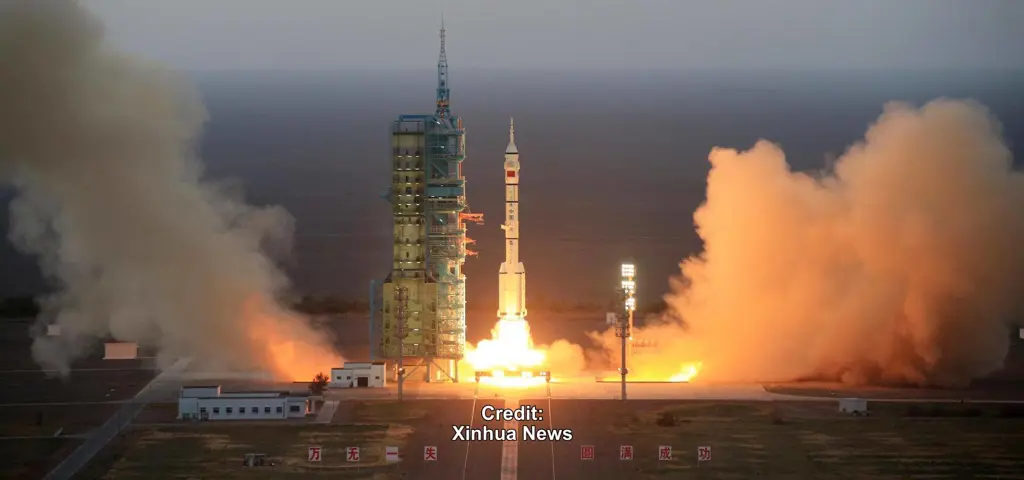
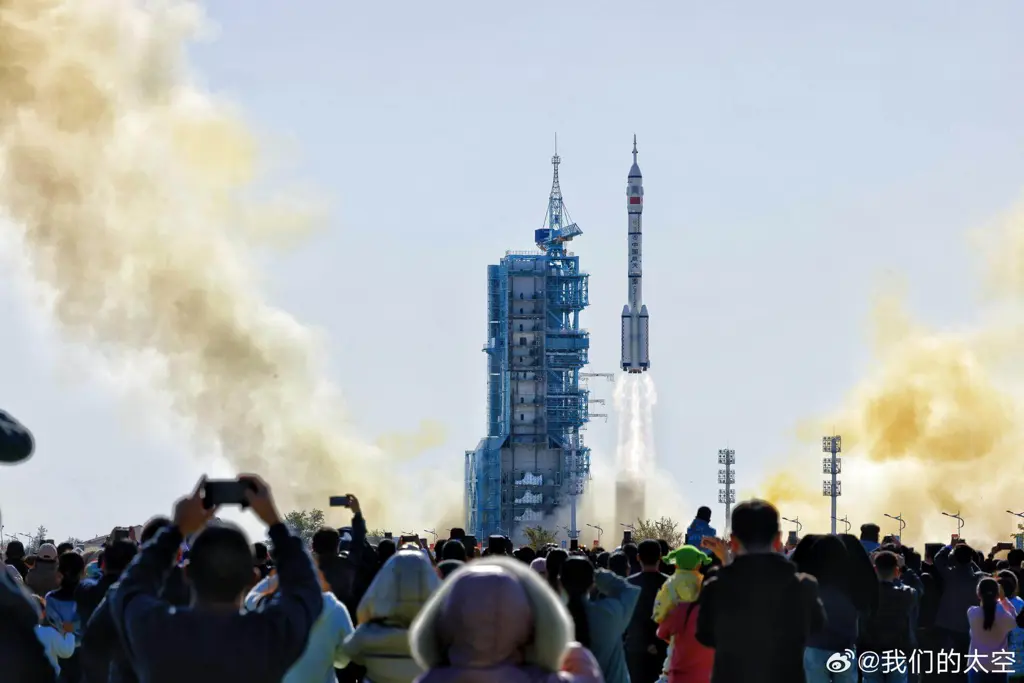
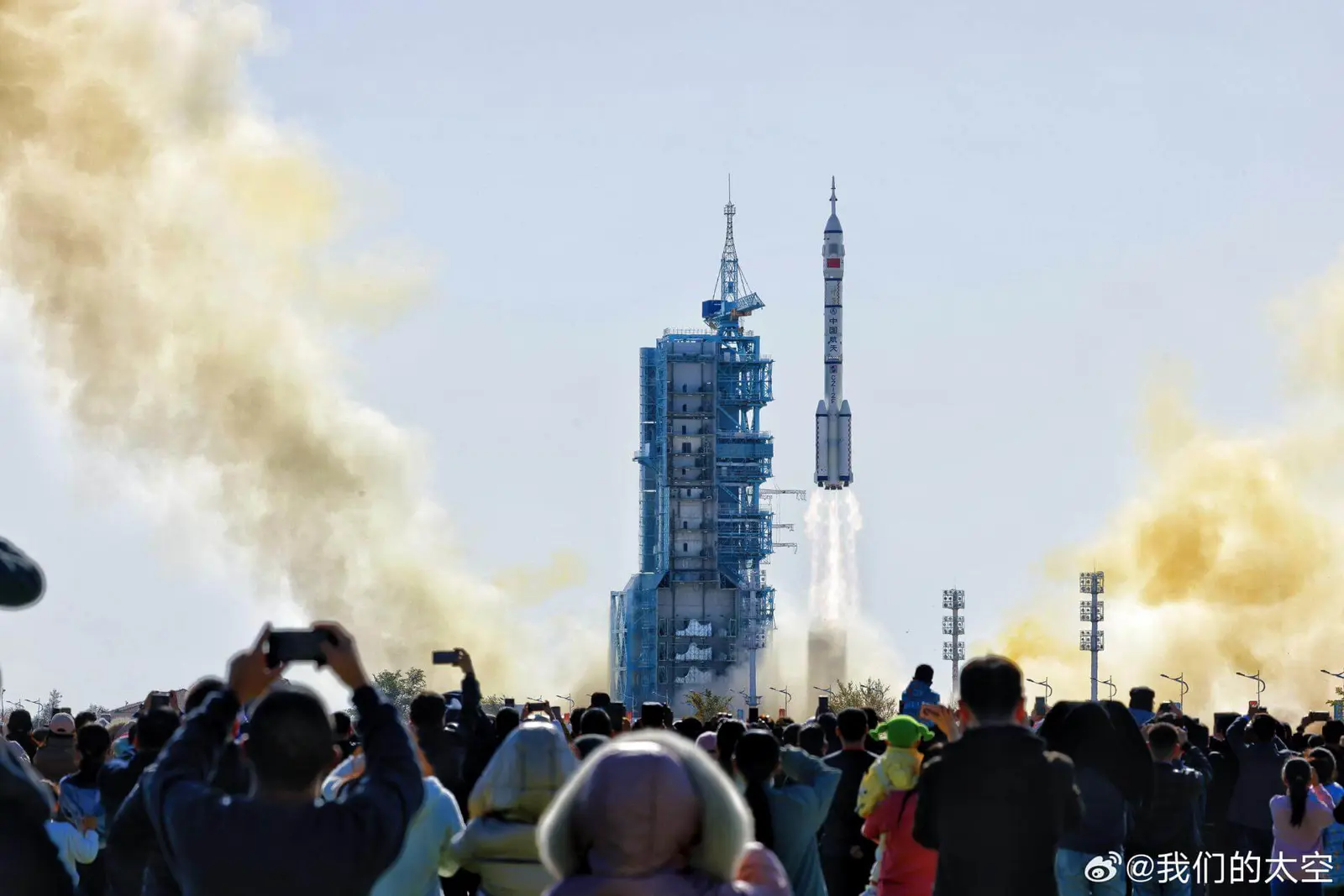
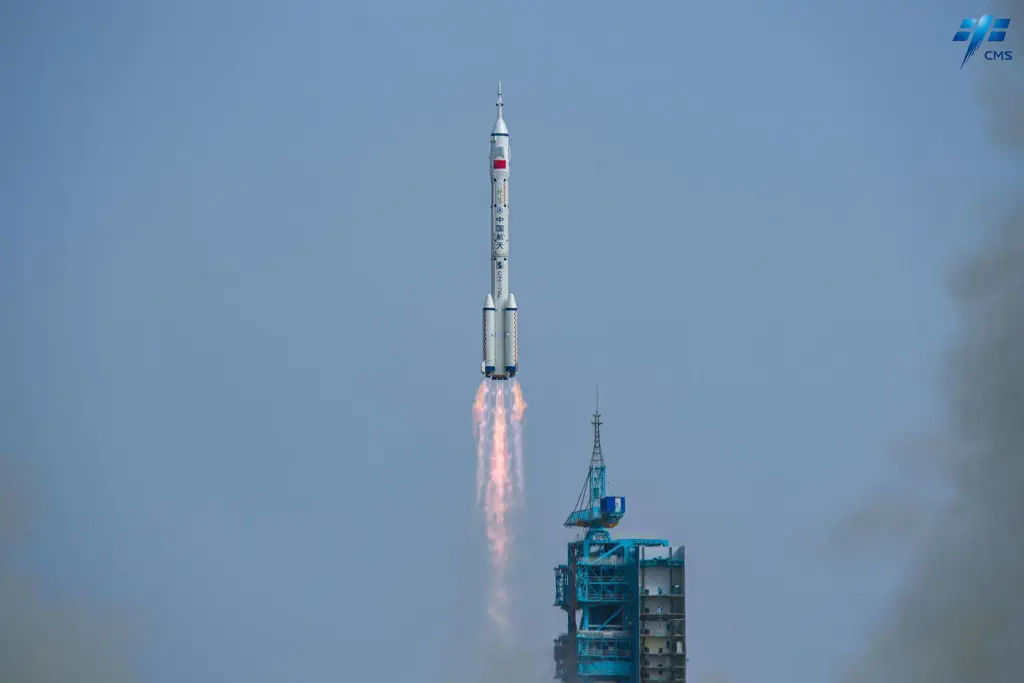
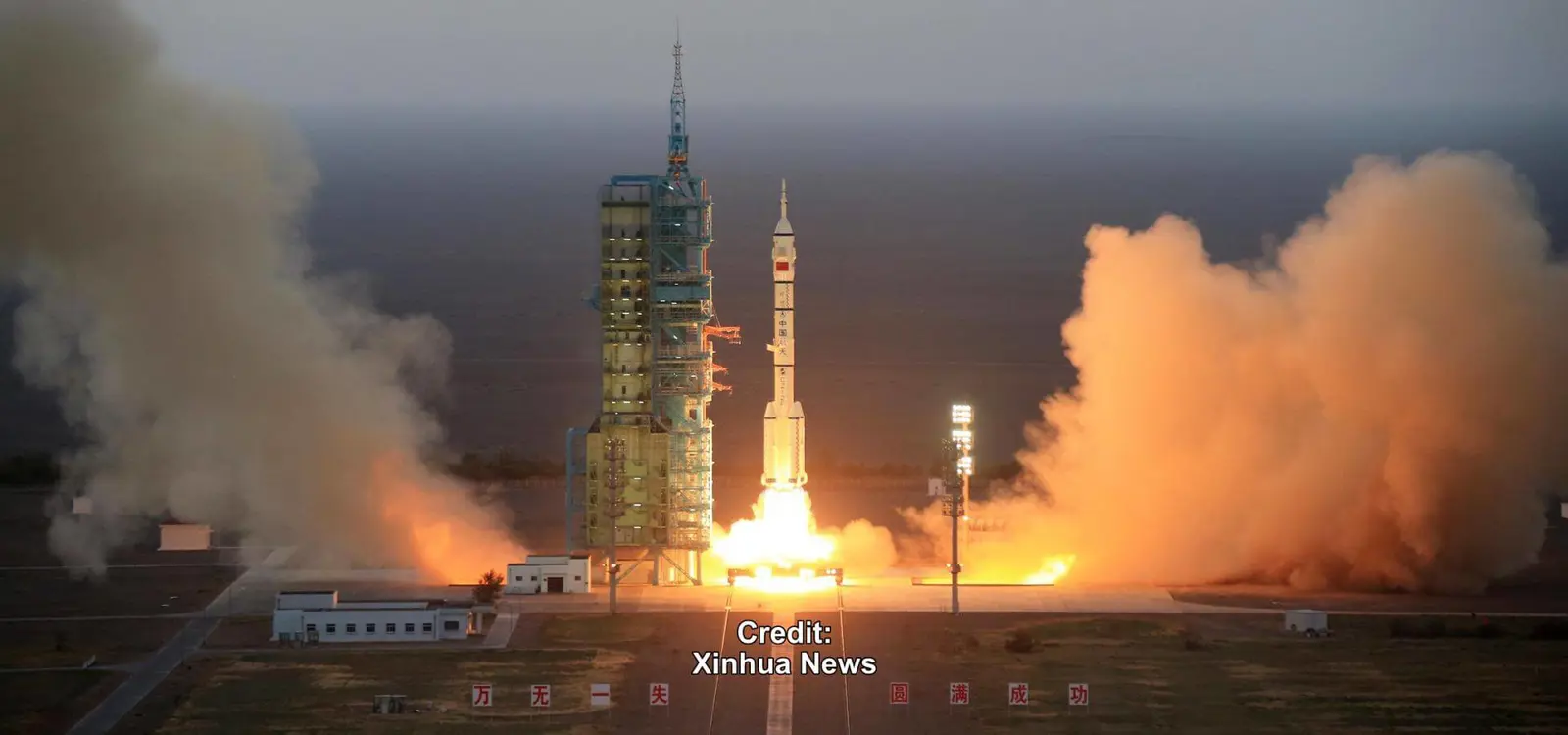
Third test flight of the Shenzhou spacecraft, without crew on board. Main objective of the mission was to test the systems required to support a human in space. A human dummy was carried in the descent module to simulate the physiological signals of a human. 44 different experiments were carried, including an imaging spectrograph, cloud sensor, radiation sensor, solar ultraviolet monitor, solar constant monitor, atmospheric composition detector, atmospheric density detector, multi-chamber space crystallization furnace, space protein crystal equipment, a cell bioreactor, a solid matter tracking detector, and a microgravity gauge. Also on board was a video camera that broadcast images of the Earth as seen through one of the windows on the spacecraft.
The Shenzhou program is a crewed spaceflight initiative by China. The program put the first Chinese citizen, Yang Liwei, into orbit on 15 October 2003.
Jan 1, 1993 — ongoing
Orbital Attempt
#4,525
CASC Mission
#9
Pad Launch
#3
Location Launch
#31
Designator
2002-014
Mar 25, 2002, 2:15 PM
1 update
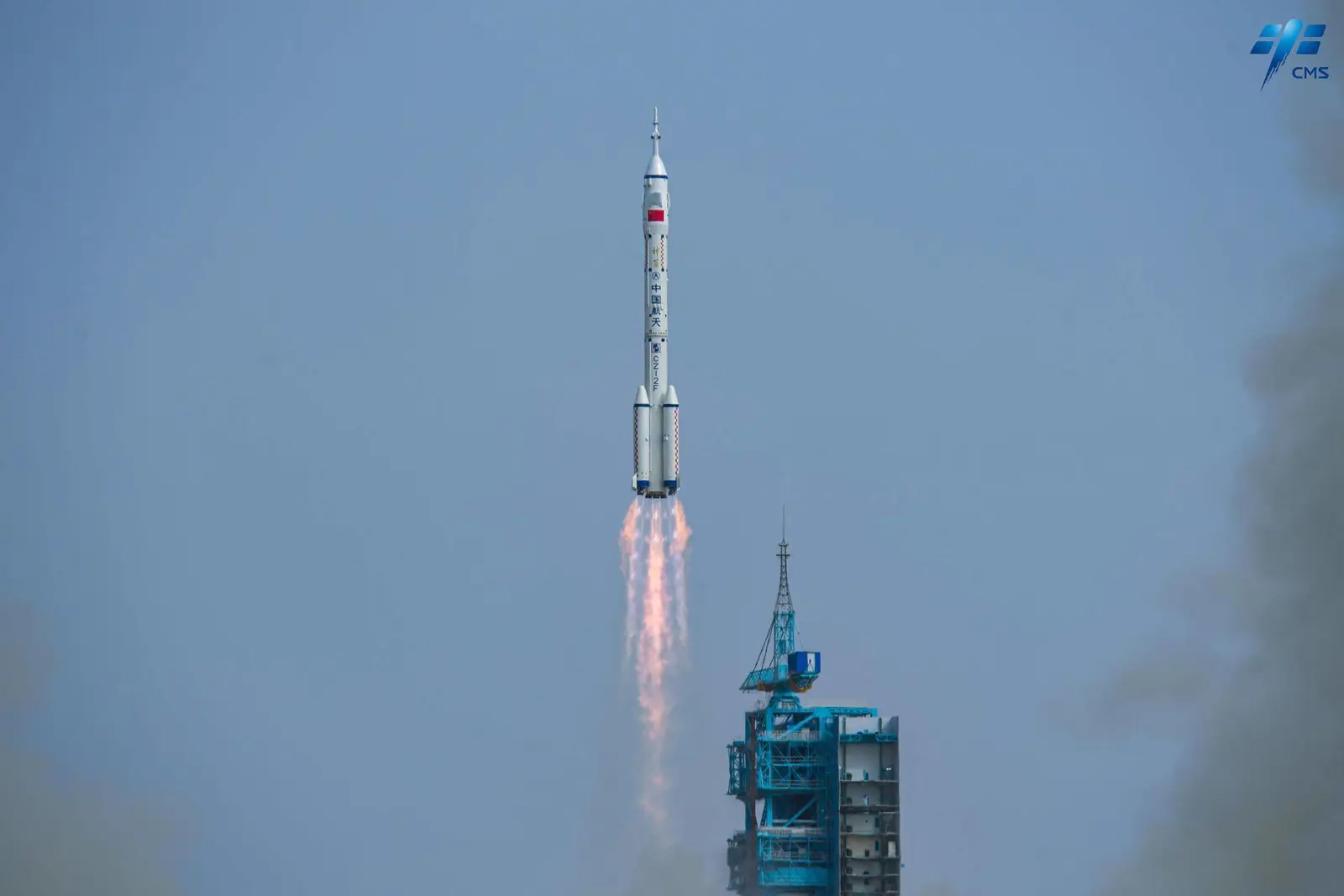
Jiuquan Satellite Launch Center is a Chinese spaceport located between the Ejin, Alxa, Inner Mongolia and Hangtian Town, Jinta County, Jiuquan, Gansu Province. It is part of the Dongfeng Aerospace City (Base 10).
Timezone
Asia/Shanghai
Local Launch Time
Mar 25, 2002, 10:15 PM
Total Launches
291
Total Landings
2
Coordinates
40.9581, 100.2911