Kosmos Hub — live rocket launch tracker, Starship updates, ISS tracking and space weather dashboard
Upcoming Launches

SpaceX logo

Starlink Group 17-47

T-0 Countdown

SpX
0
0
0
0
DAYS
0
0
0
0
HRS
0
0
0
0
MIN
0
0
0
0
SEC

Launch Time

Jun 3, 2026, 2:36 PM

Vehicle

Falcon 9 Block 5

Launch Site

Space Launch Complex 4E

Up Next

SpaceX logo

Starlink Group 10-43

SpX

20H 6Mins·Jun 4, 2026, 8:02 AM
0
0
0
0
DAYS
0
0
0
0
HRS
0
0
0
0
MIN
0
0
0
0
SEC

Launch Time

Jun 4, 2026, 8:02 AM

Vehicle

Falcon 9 Block 5

Launch Site

Space Launch Complex 40

CAS Space logo

Unknown Payload

CASC

23H 45Mins·Jun 4, 2026, 11:41 AM
0
0
0
0
DAYS
0
0
0
0
HRS
0
0
0
0
MIN
0
0
0
0
SEC

Launch Time

Jun 4, 2026, 11:41 AM

Vehicle

Long March 6A

Launch Site

Launch Complex 9A

CAS Space logo

Unknown Payload

CASC

1D 18H·Jun 5, 2026, 6:30 AM
0
0
0
0
DAYS
0
0
0
0
HRS
0
0
0
0
MIN
0
0
0
0
SEC

Launch Time

Jun 5, 2026, 6:30 AM

Vehicle

Long March 8

Launch Site

Commercial LC-1

SpaceX logo

Starlink Group 10-35

SpX

3D 22H·Jun 7, 2026, 10:30 AM
0
0
0
0
DAYS
0
0
0
0
HRS
0
0
0
0
MIN
0
0
0
0
SEC

Launch Time

Jun 7, 2026, 10:30 AM

Vehicle

Falcon 9 Block 5

Launch Site

Space Launch Complex 40

Demo Flight

ADD

4D 17H·Jun 8, 2026, 5:00 AM
0
0
0
0
DAYS
0
0
0
0
HRS
0
0
0
0
MIN
0
0
0
0
SEC

Launch Time

Jun 8, 2026, 5:00 AM

Vehicle

South Korean ADD Solid-Fuel SLV

Launch Site

ADD Offshore launch platform

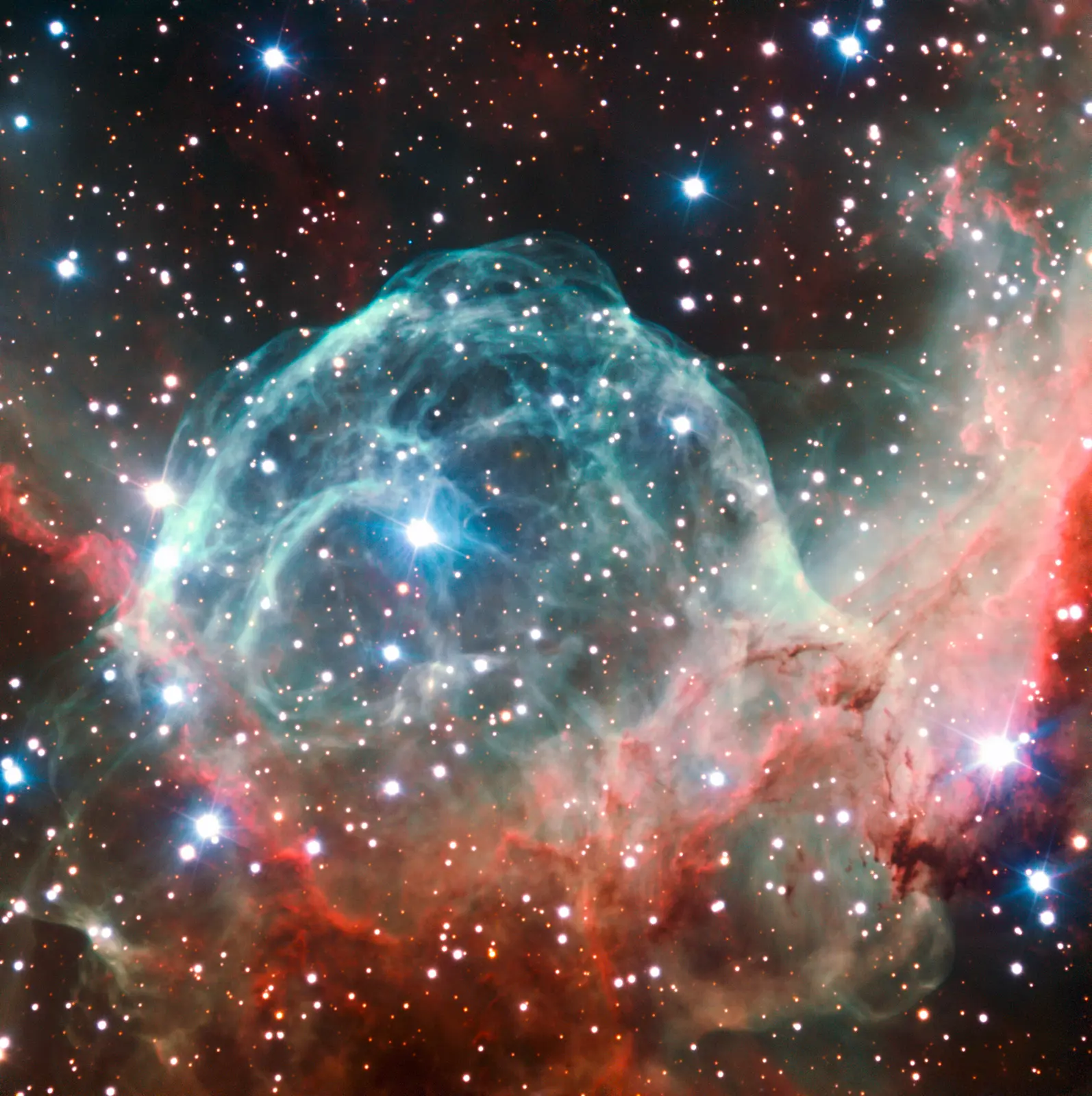
Space Gallery

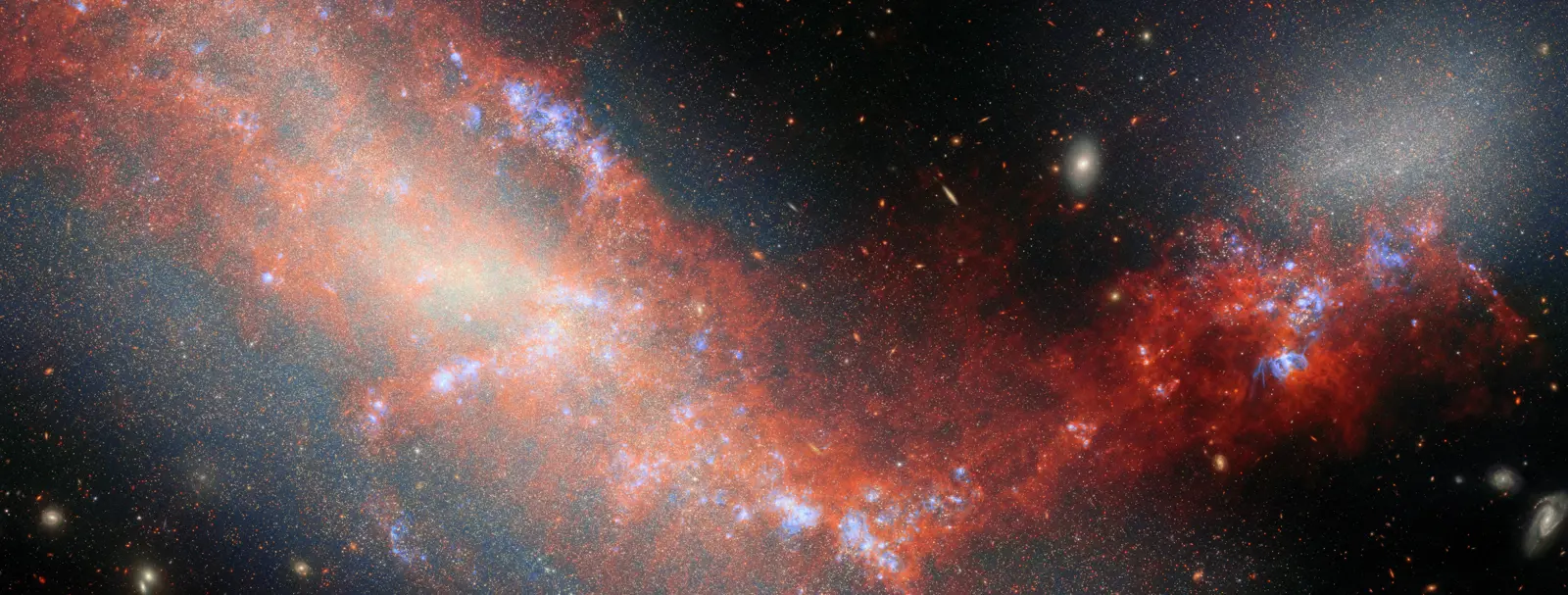
Astronomy Picture of the Day - Over 1000 years ago, Persian astronomer Abd al-Rahman al-Sufi published humanity’s oldest known record of the Andromeda Galaxy in "The Book of Fixed Stars" (Bodleian Library MS. Marsh 144 p. 167). 800 years later, Andromeda became the 31st entry in Charles Messier’s "Catalogue of Nebulae and Star Clusters". From “a small cloud” to “nebula” and now known to be our nearest major galaxy, Andromeda has remained a fundamental astronomical object. Today’s image, taken over 202 hours, shows how far we have come in our ability to observe our neighbor. The diffuse red and blue clouds are mostly foreground ionized hydrogen and oxygen well within our Milky Way. Pink-red clouds of hydrogen ionized by the energetic light of young stars trace the galaxy’s dusty spiral arms. M32 and M110 are satellite galaxies pictured orbiting the larger Andromeda. Despite its long history of observation through ancient unaided eyes to modern telescopes, Andromeda still holds countless secrets that astronomers will continue to search for, including how galaxies merge and evolve, as well as the nature of the dark matter that galaxies reside in. Teachers! the NASA/IPAC Teacher Archive Research Program is officially open for applications!

Andromeda Through Gas and Dust
Credit: Nick Fritz Text: Keighley Rockcliffe (NASA GSFC, UMBC CSST, CRESST II)
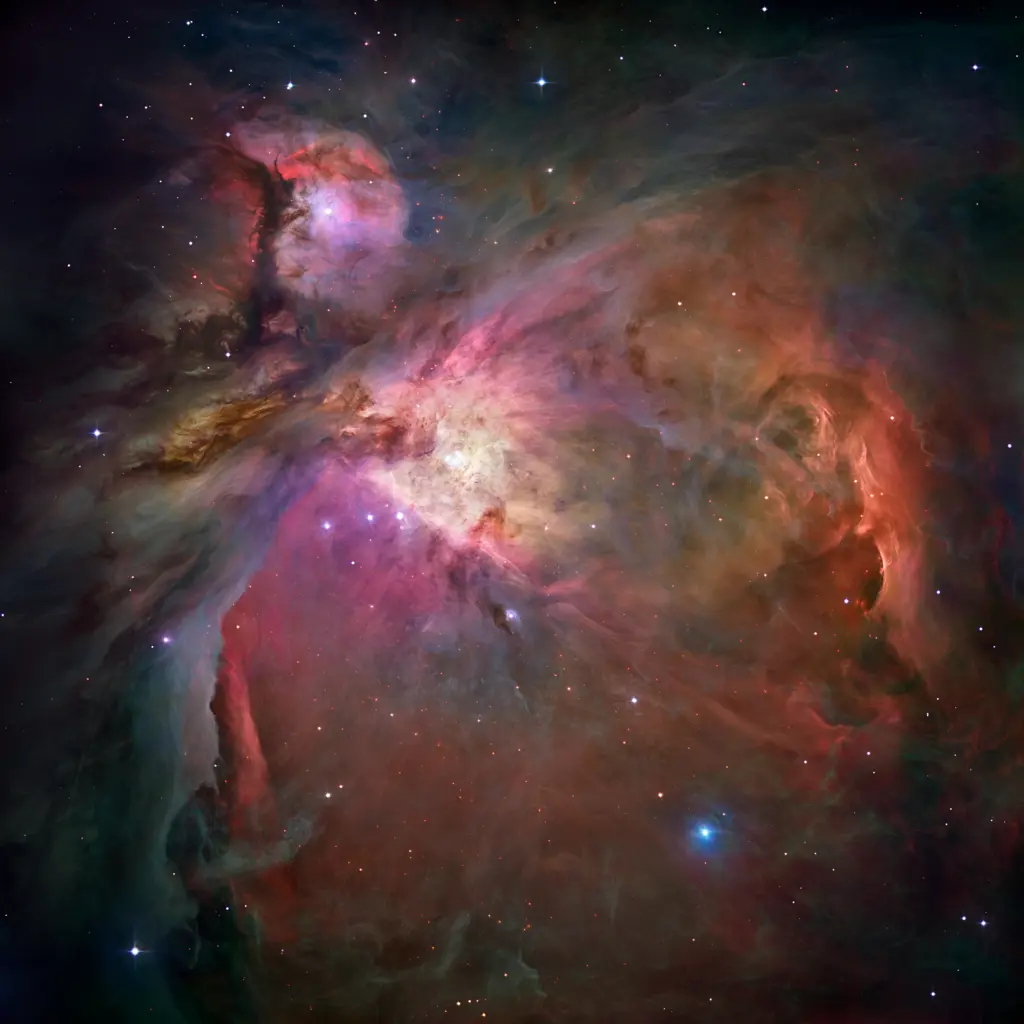
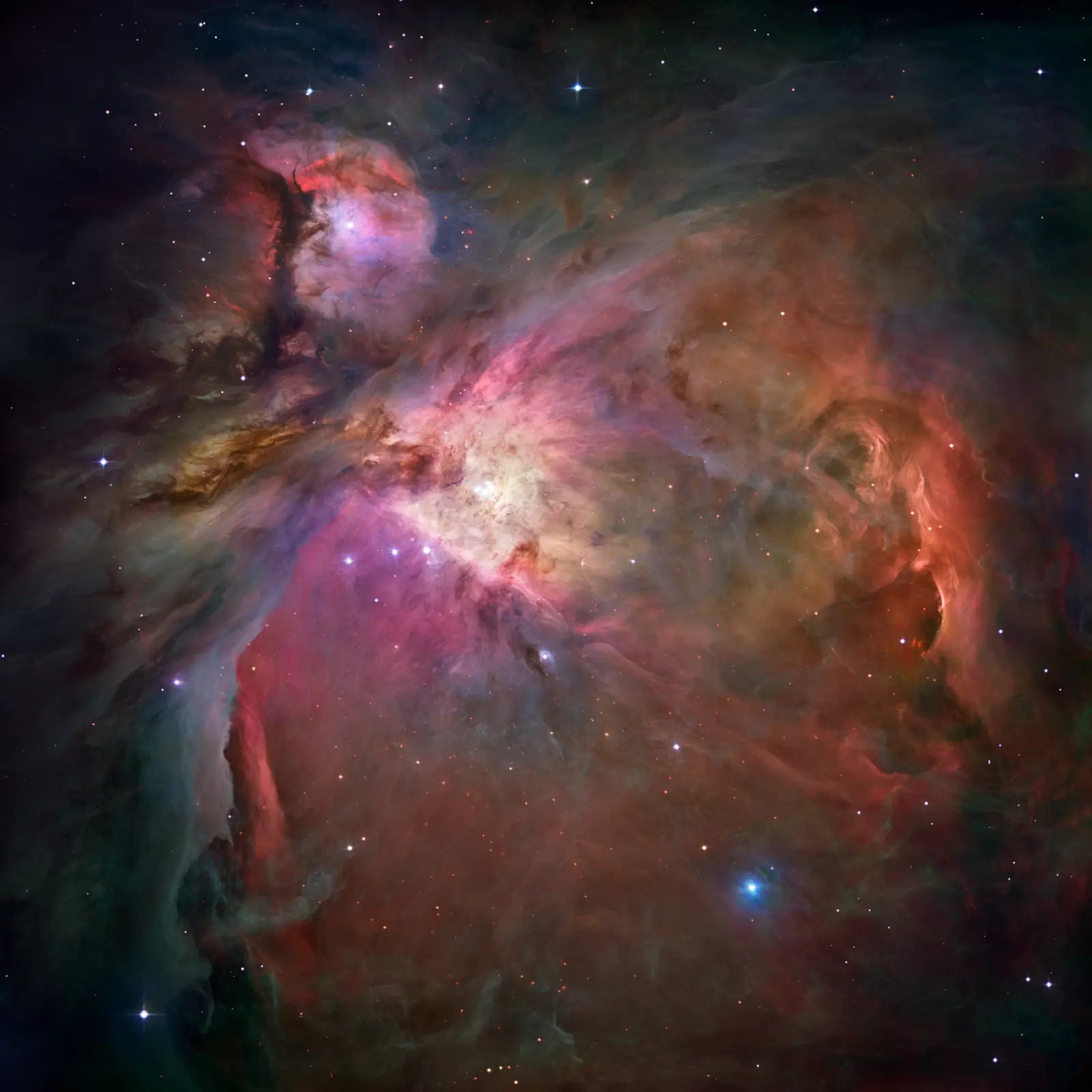
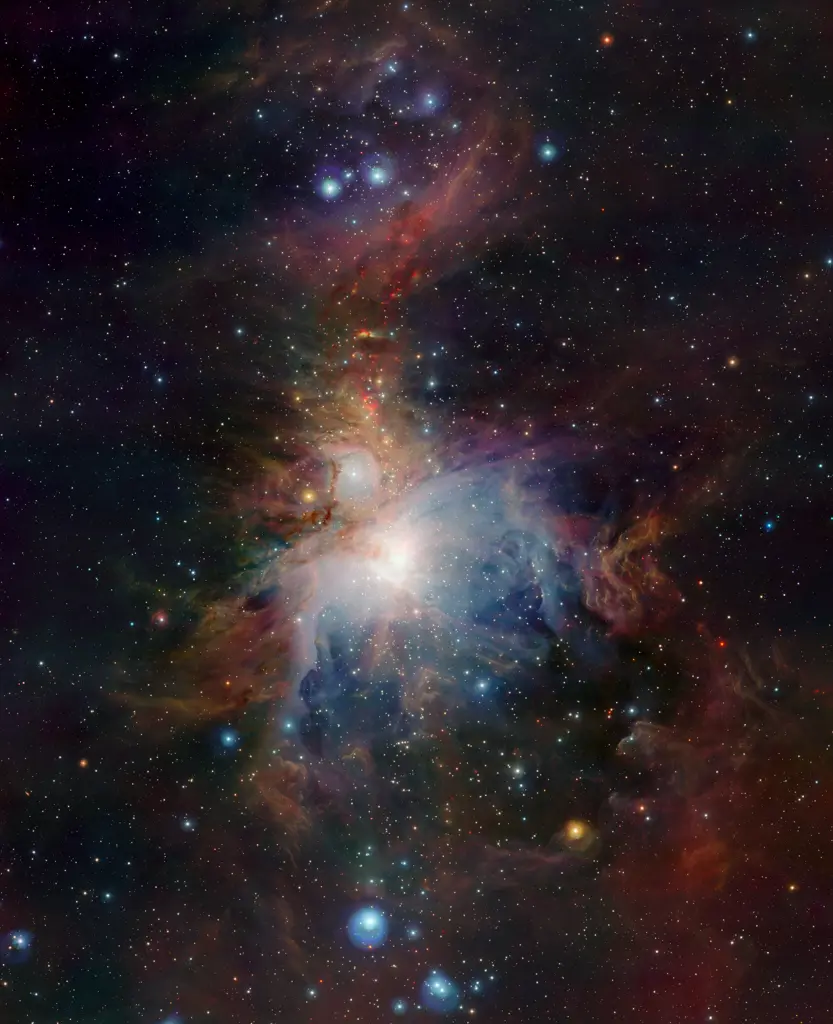
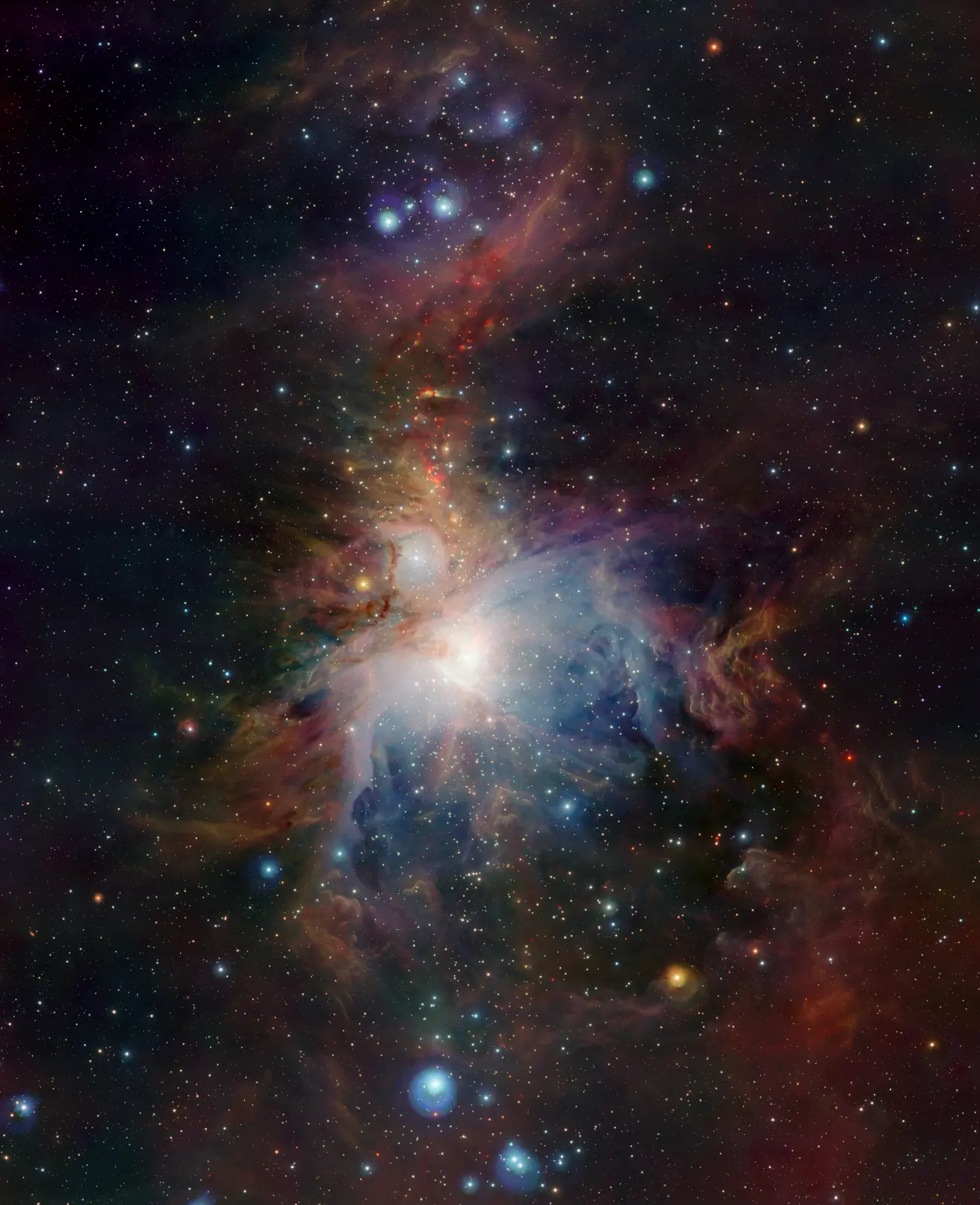
A deep infrared view of the Orion Nebula from HAWK-I
Credit: ESO/H. Drass et al.
2M1207b - first image of an exoplanet
Credit: ESO
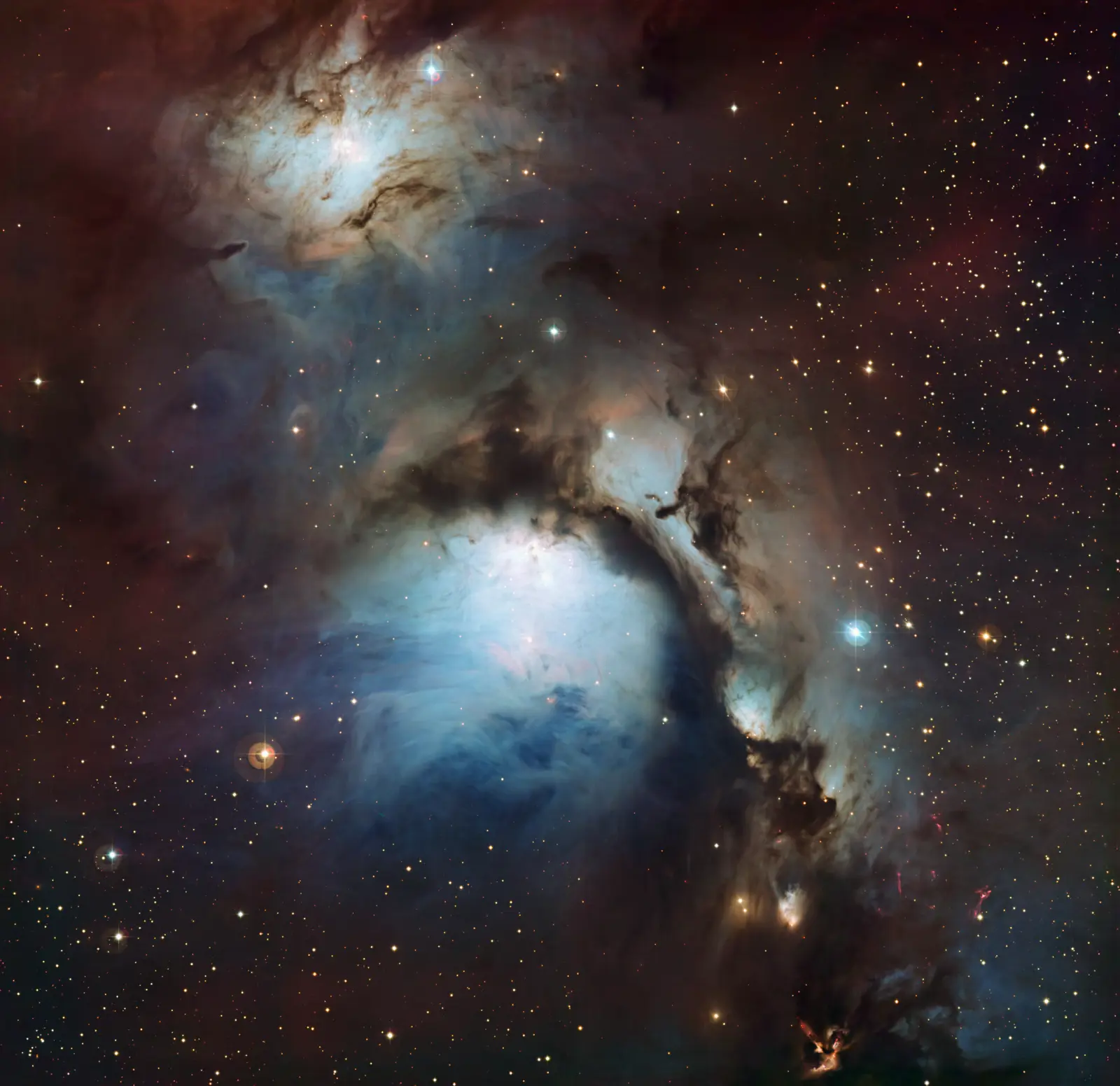
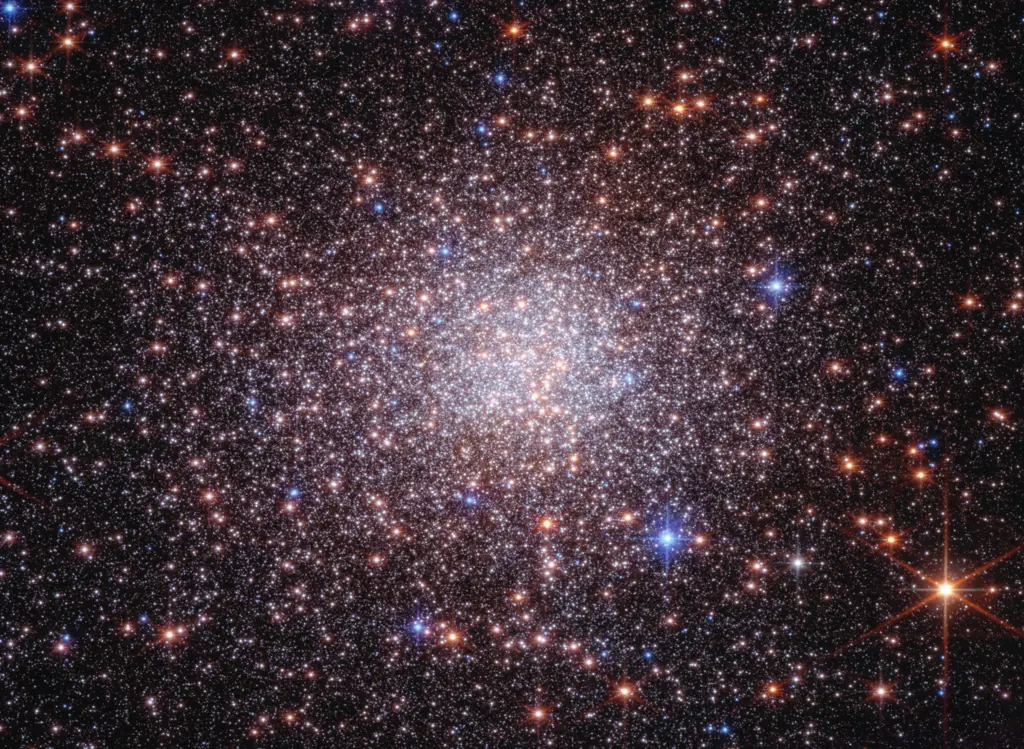
The star cluster NGC 3293
Credit: ESO/G. Beccari
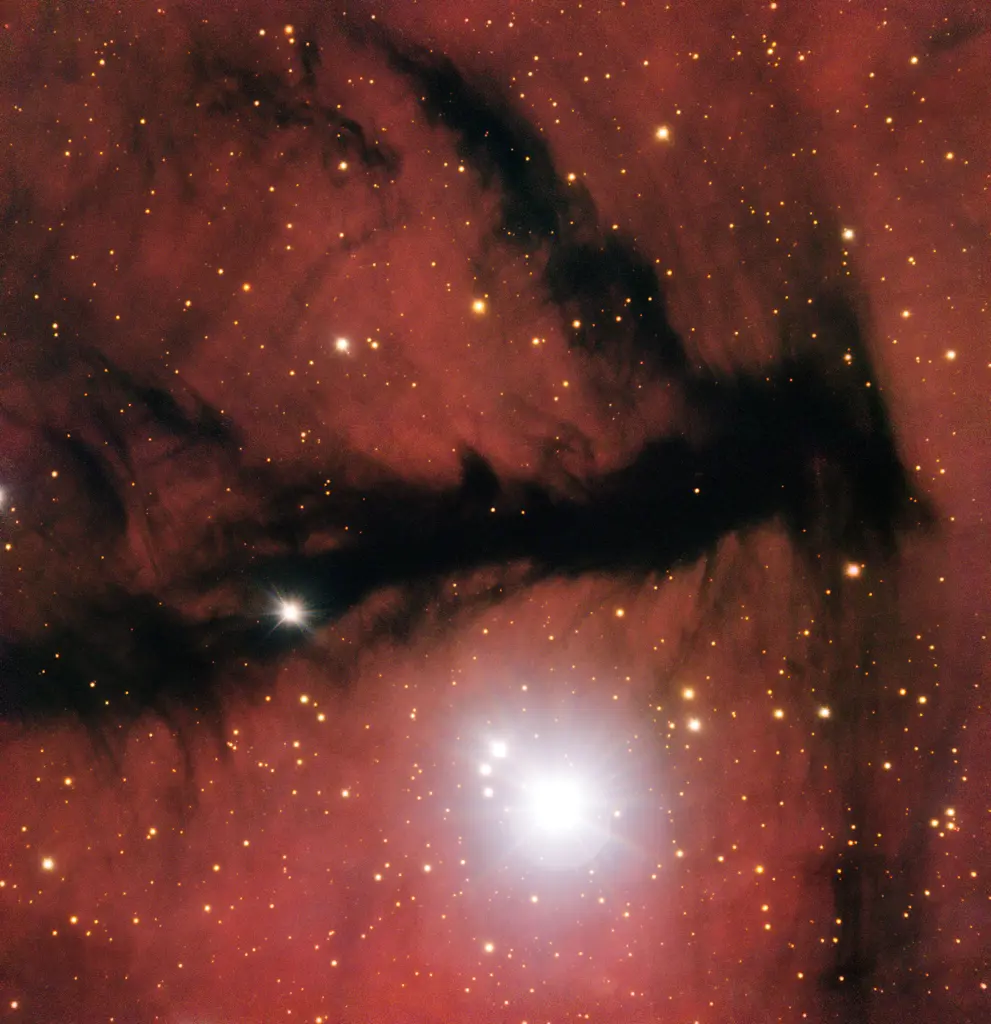
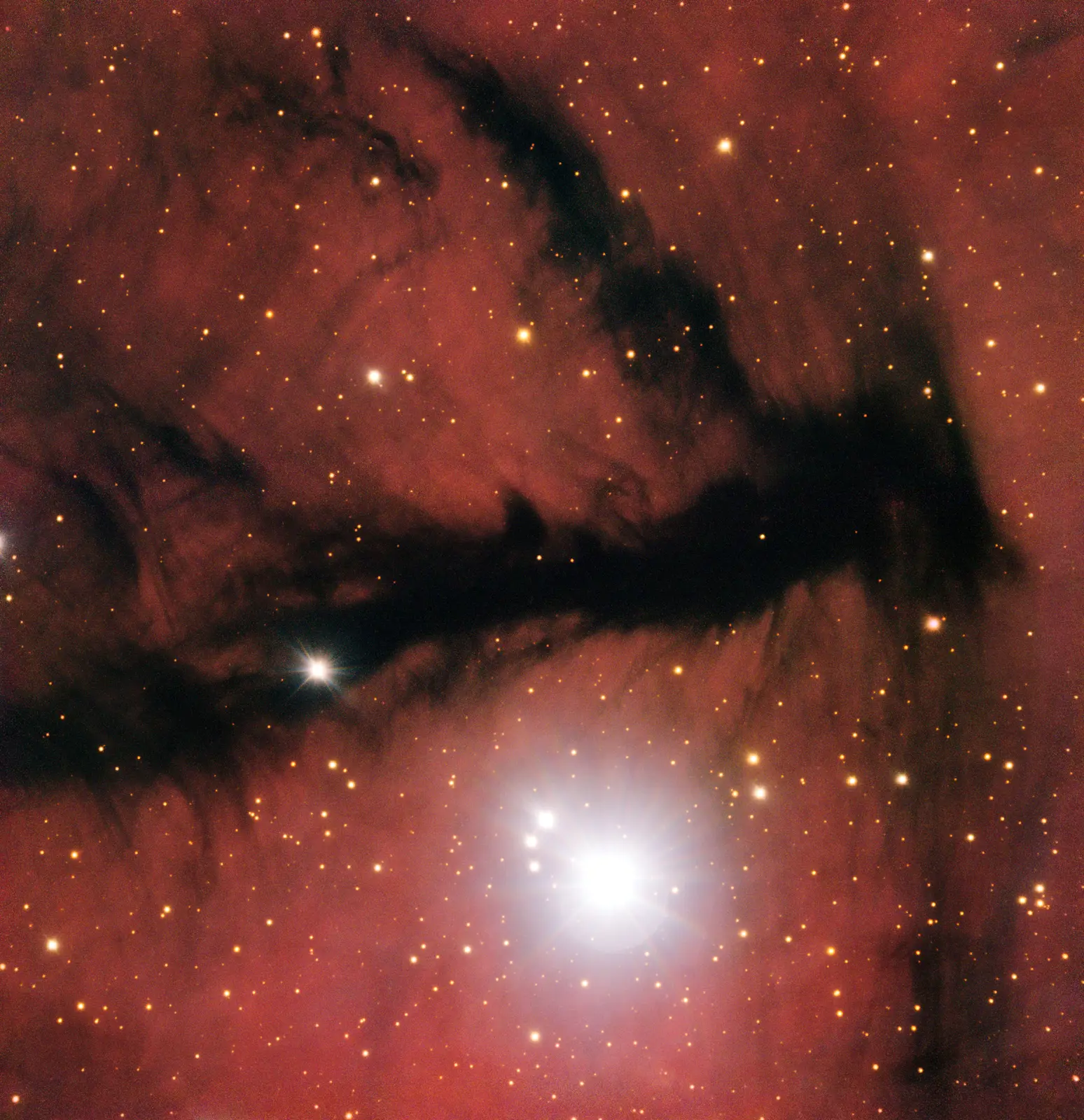
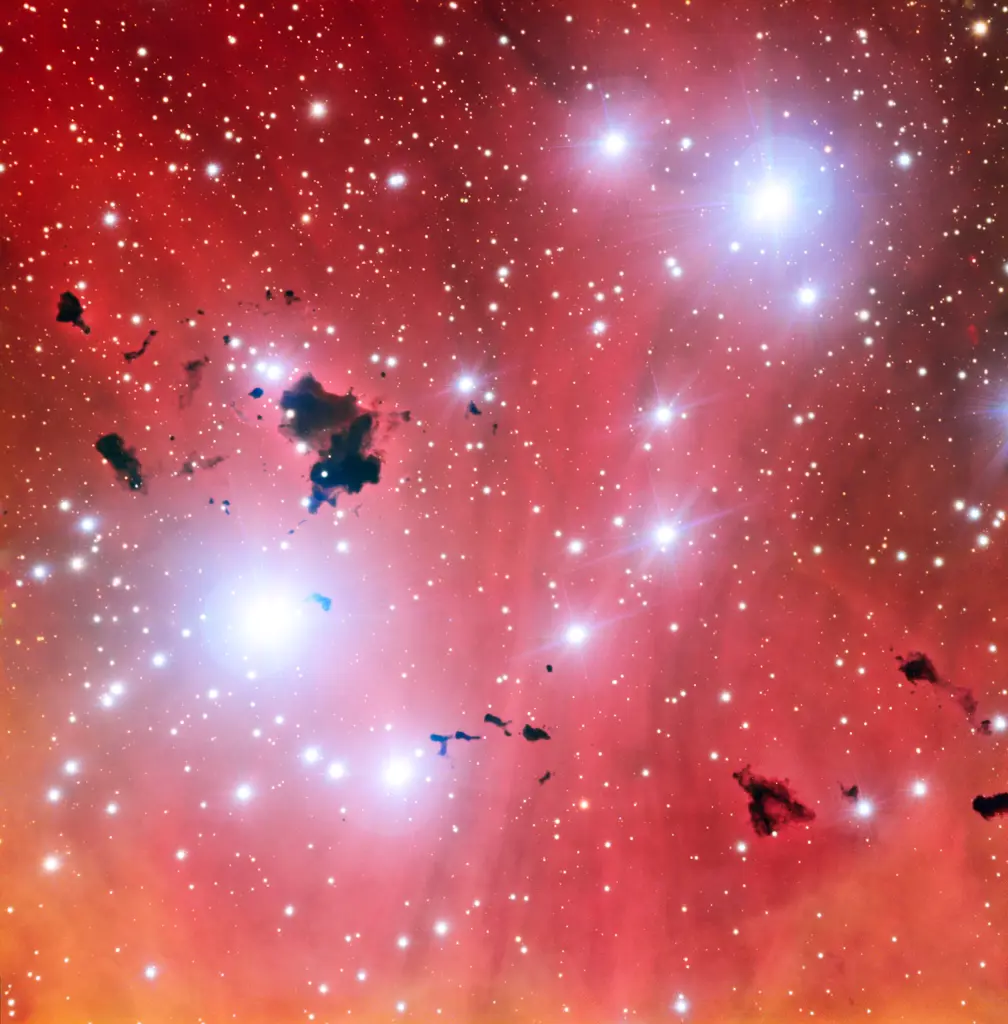
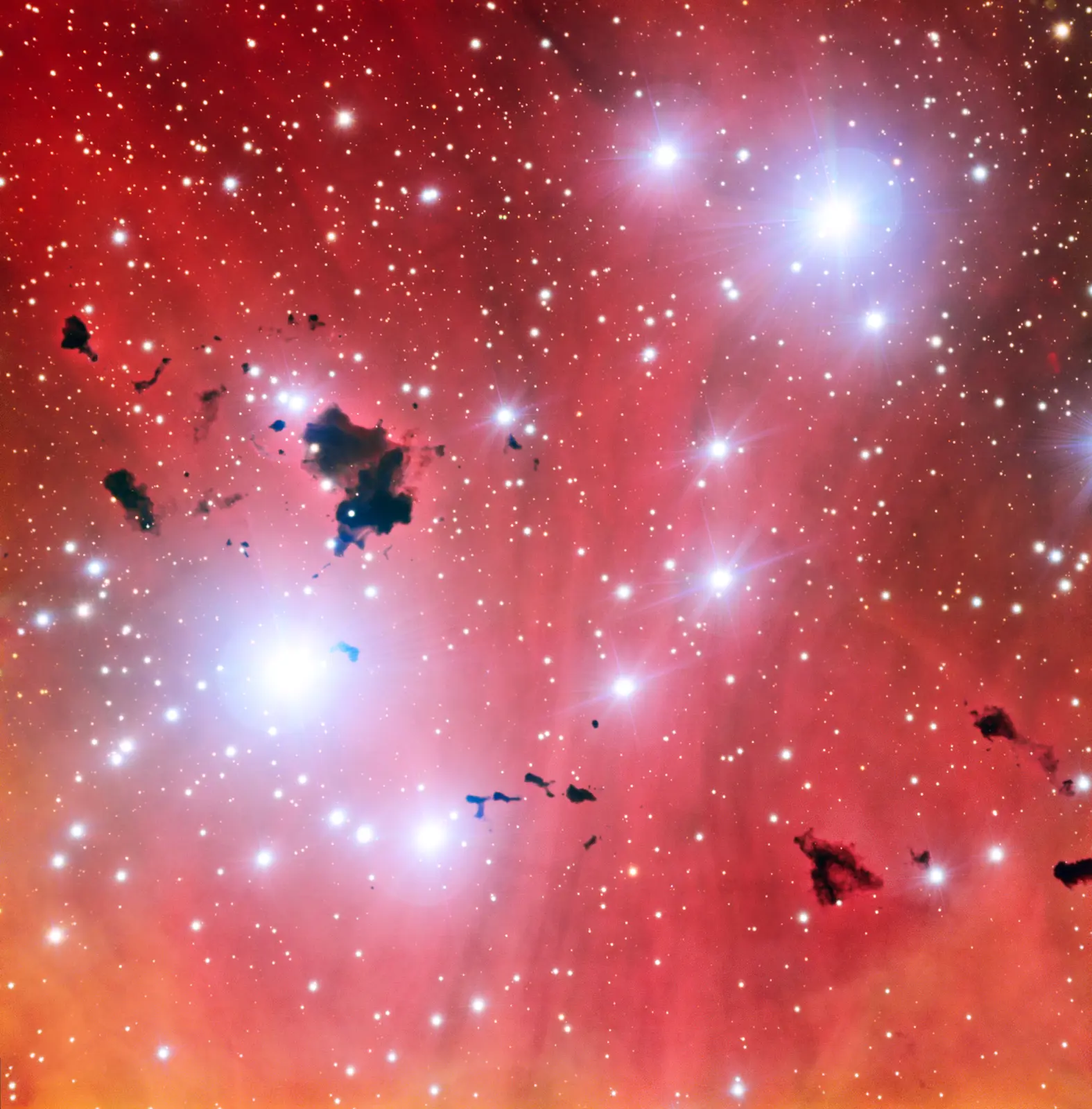
NGC 2264 and the Christmas Tree cluster*
Credit: ESO
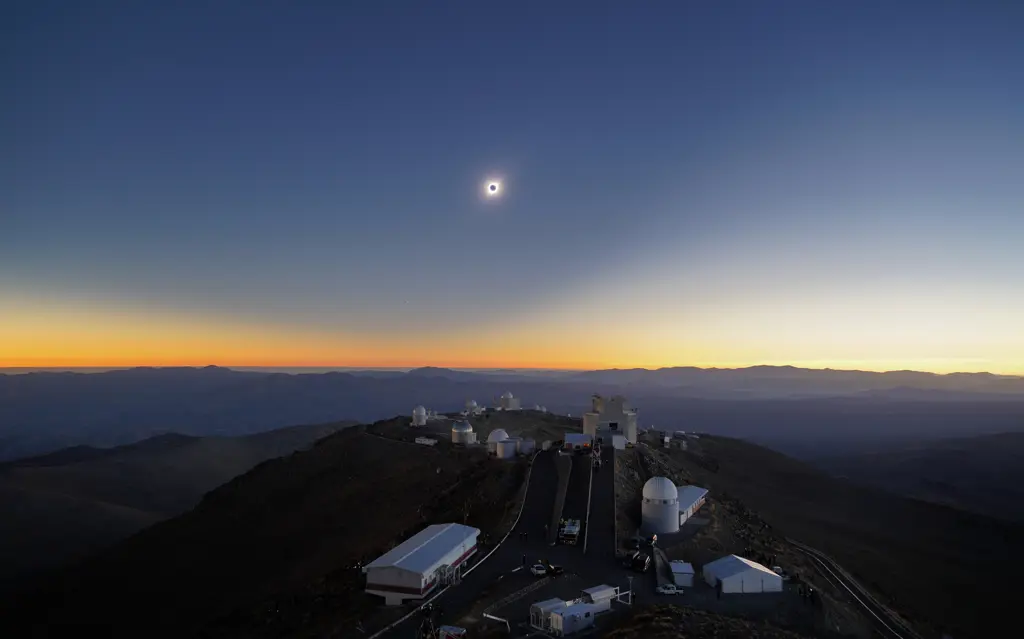
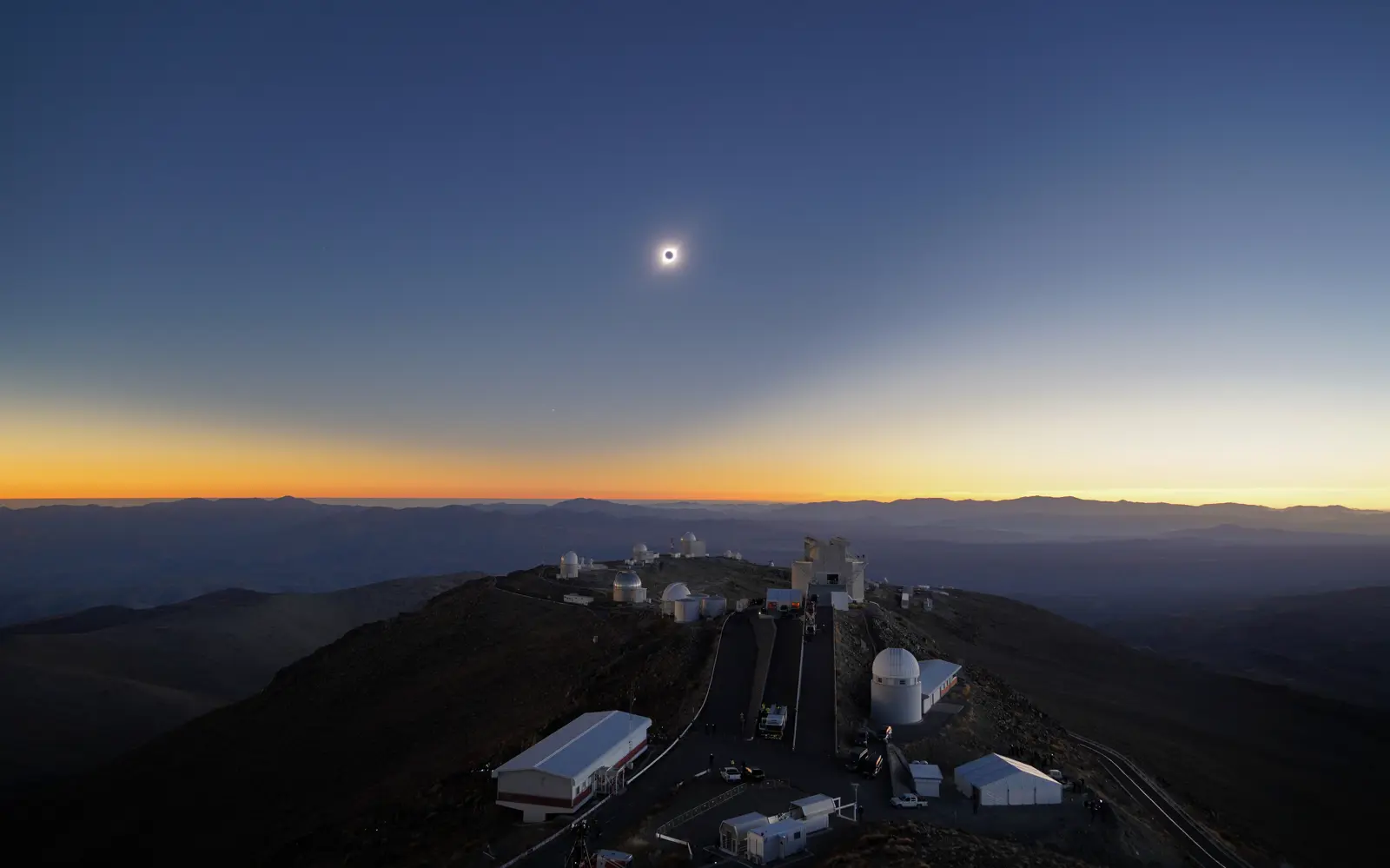
Memory of the Solar Eclipse Above La Silla
Credit: ESO/ M. Zamani
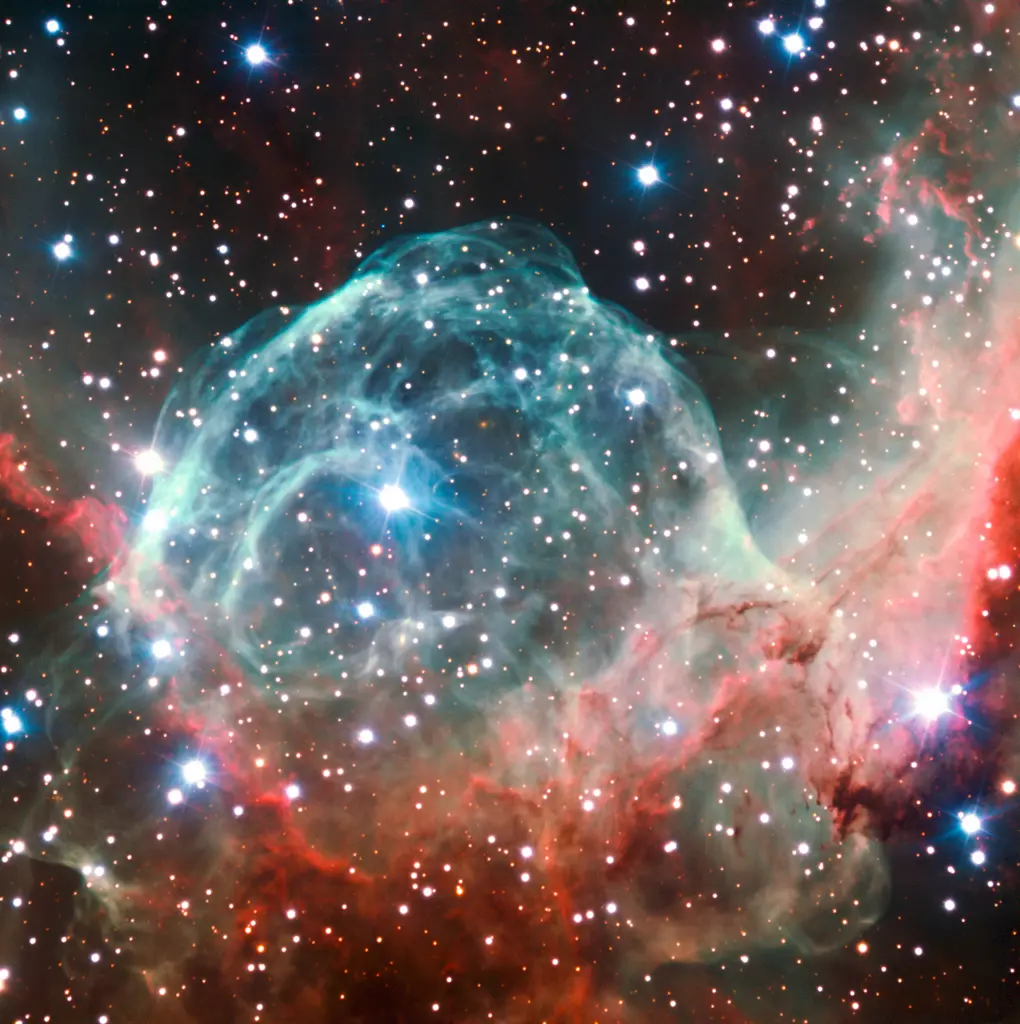
Stellar nursery NGC 3603*
Credit: ESO
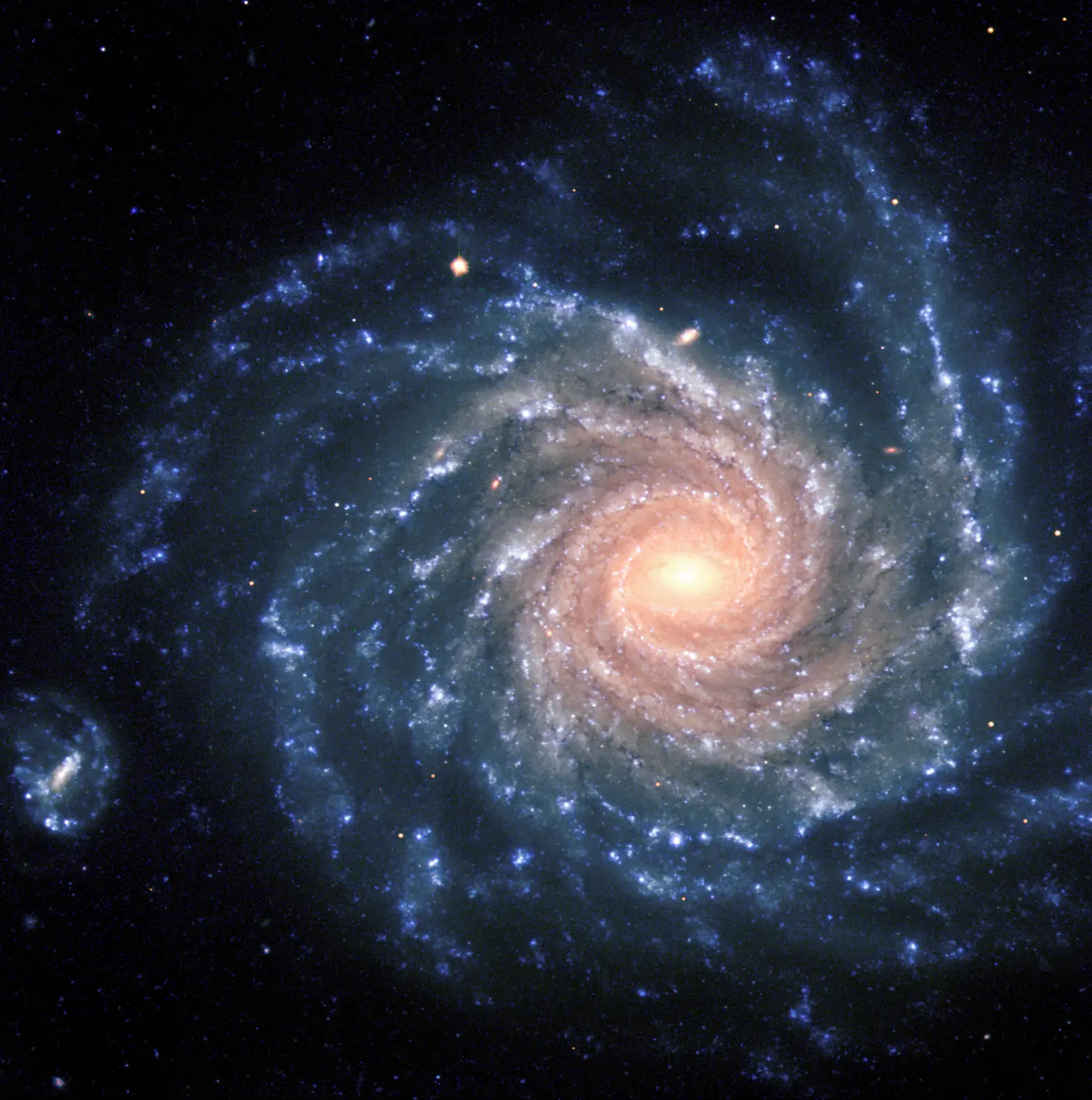
VLT looks into the eyes of the Virgin
Credit: ESO
Eclipsed moon, striking night sky
Credit: ESO/Y. Beletsky
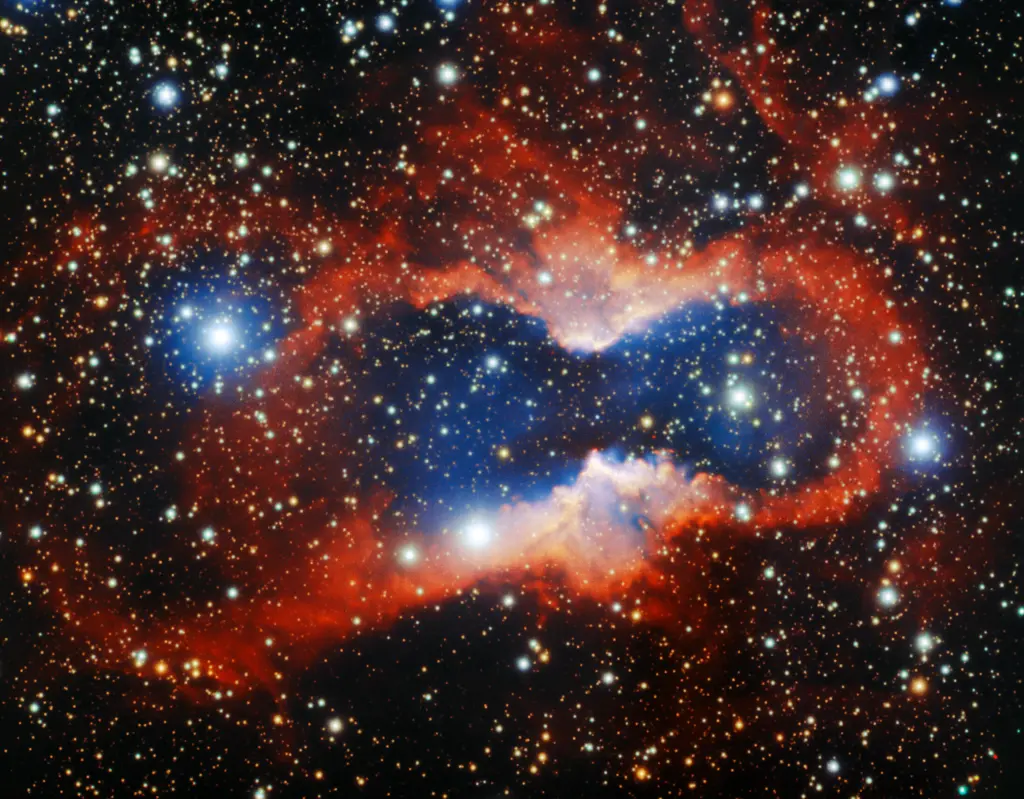
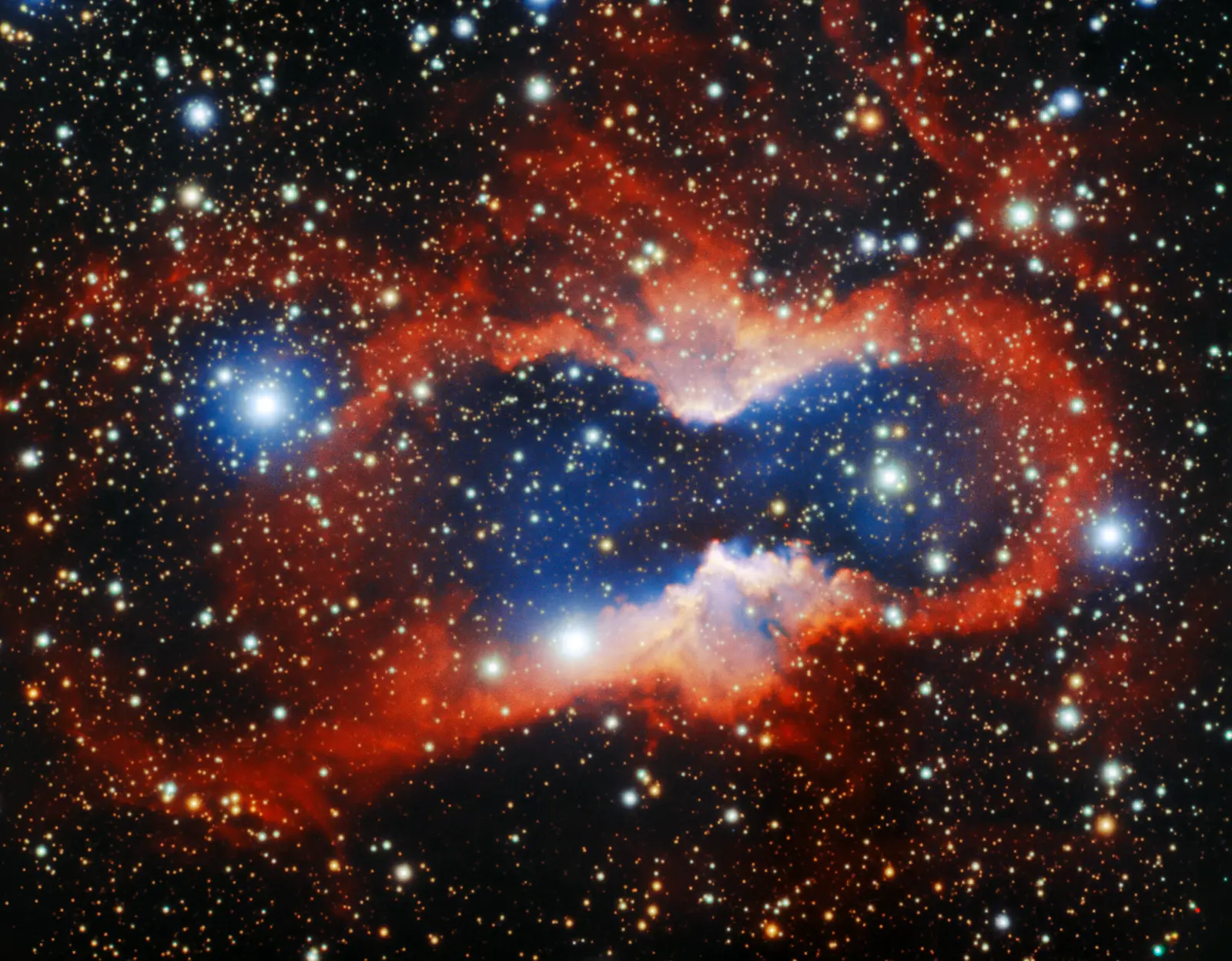
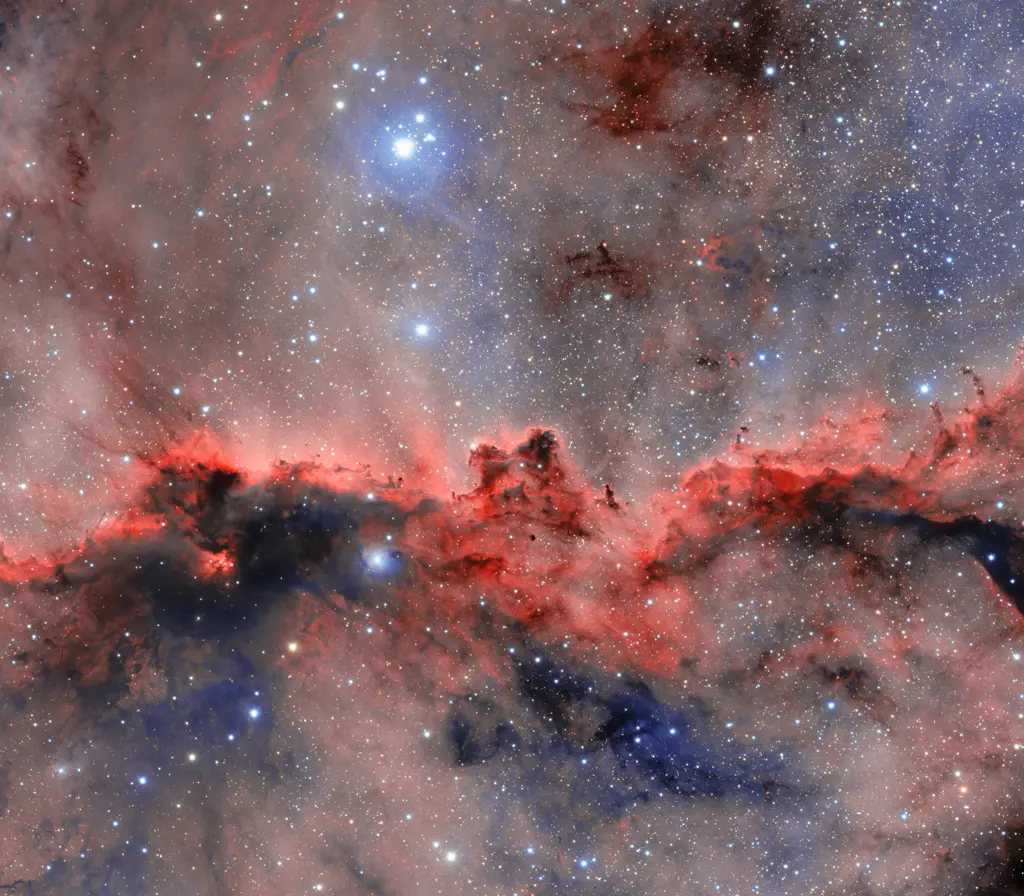
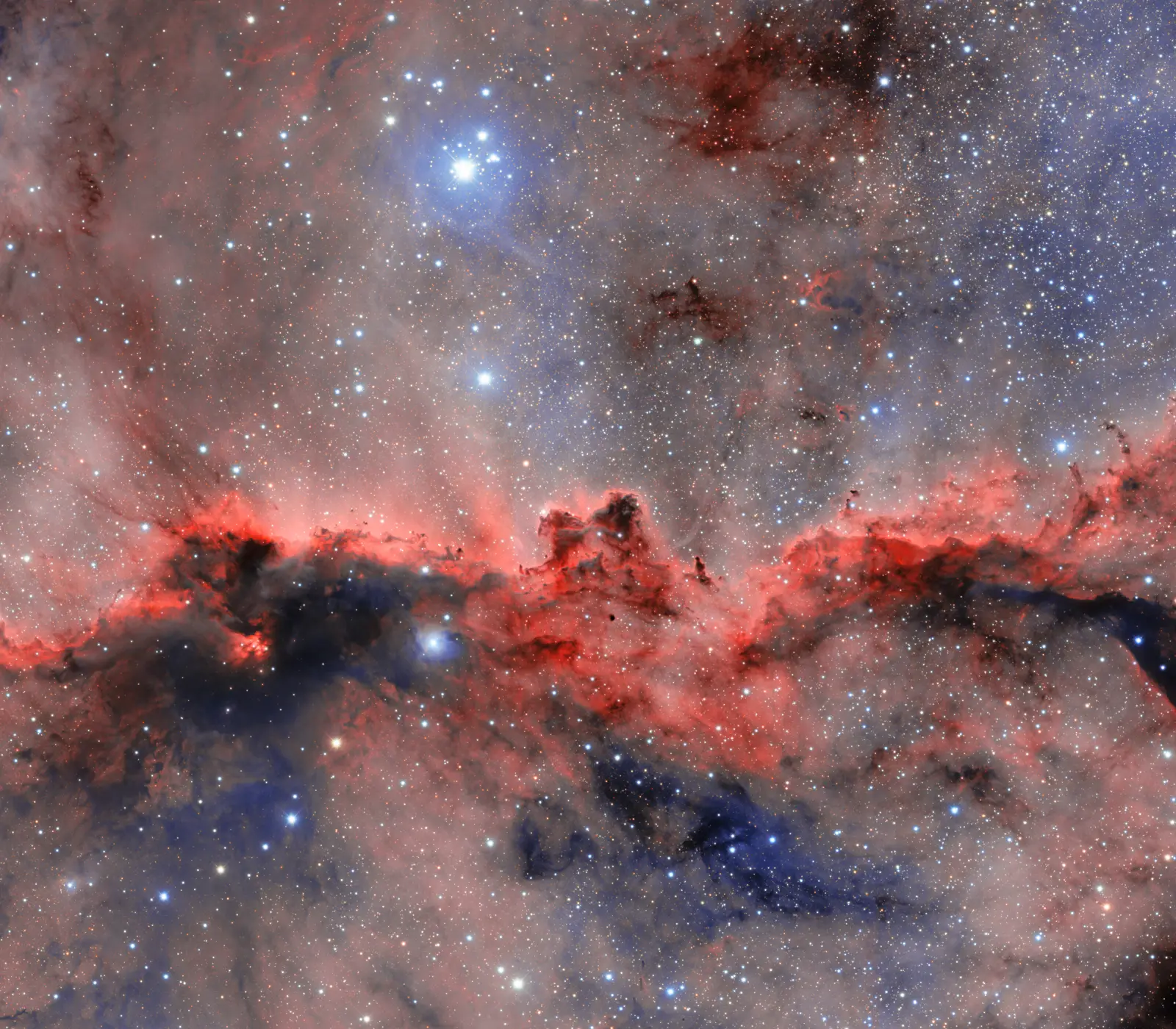
The Gum 15 star formation region
Credit: ESO
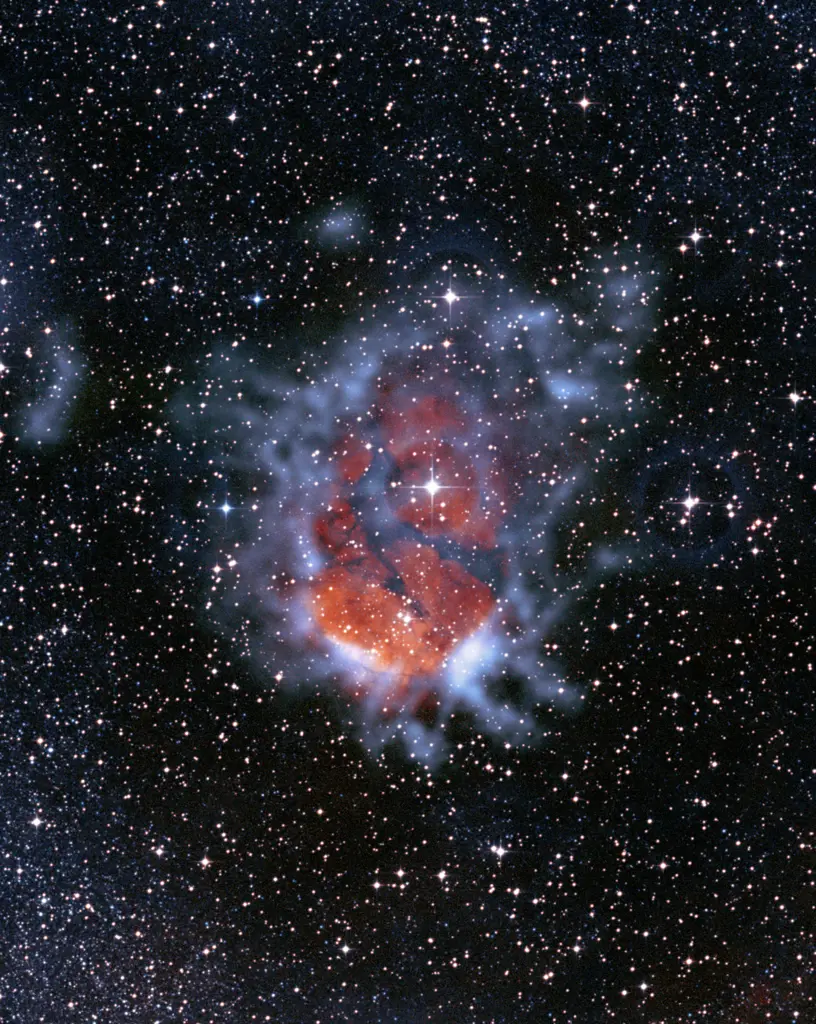
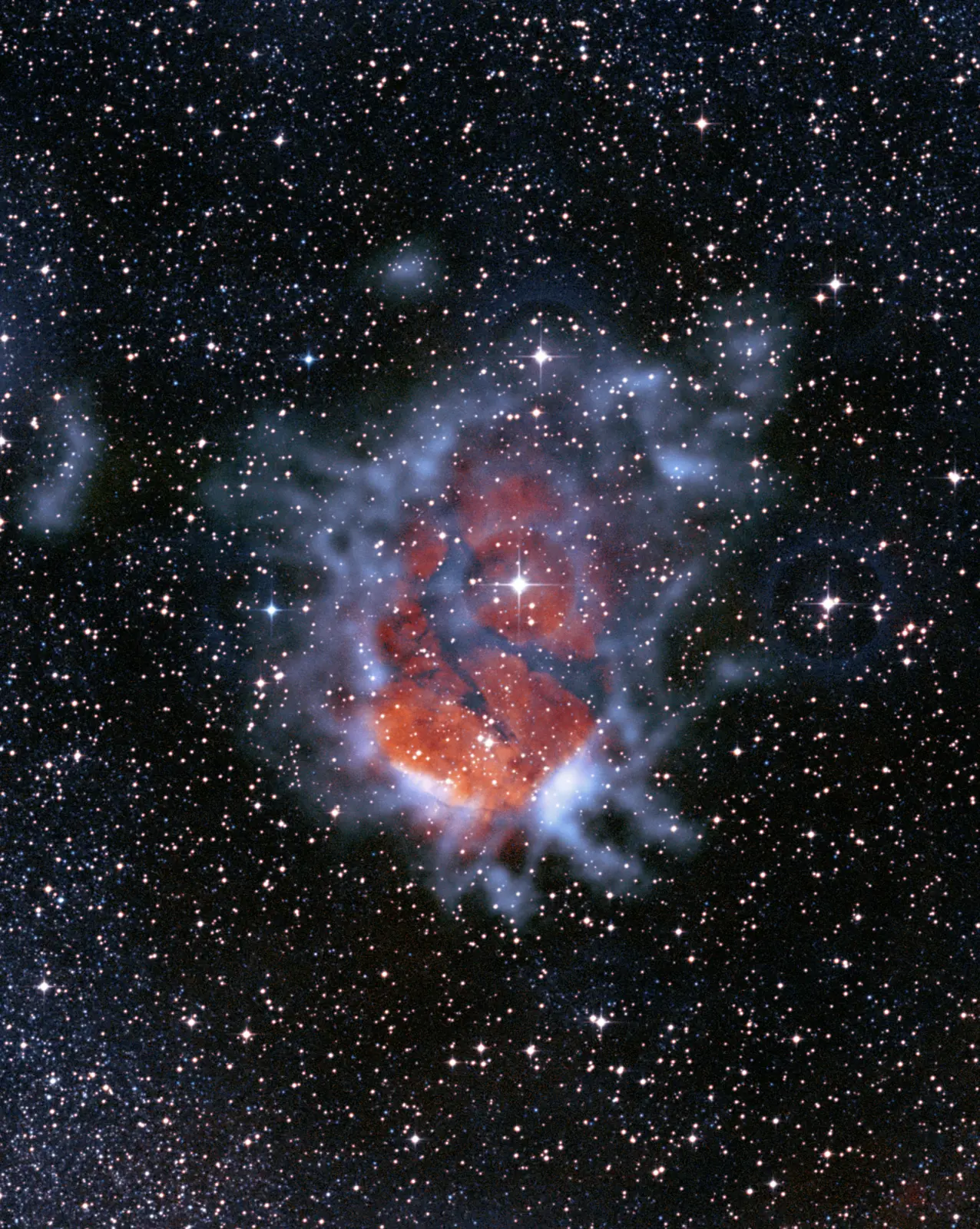
The R Coronae Australis region imaged with the Wide Field Imager at La Silla*
Credit: ESO
Antennae Galaxies composite of ALMA and Hubble observations
Credit: ALMA (ESO/NAOJ/NRAO). Visible light image: the NASA/ESA Hubble Space Telescope
The Pencil Nebula, a strangely shaped leftover from a vast explosion
Credit: ESO
Chamaeleon Infrared Nebula
Credit: International Gemini Observatory/NOIRLab/NSF/AURA Acknowledgments: Image processing: T.A. Rector (University of Alaska Anchorage/NSF NOIRLab), J. Miller (Gemini Observatory/NSF NOIRLab), M. Zamani (NSF NOIRLab) & D. de Martin (NSF NOIRLab)
Dueling Dust Dragons (in Space!)
Credit: Dark Energy Survey/DOE/FNAL/DECam/CTIO/NOIRLab/NSF/AURAImage processing: T.A. Rector (University of Alaska Anchorage/NSF NOIRLab), R. Colombari (NSF NOIRLab), & M. Zamani (NSF NOIRLab)
Gemini North Infrared View of Jupiter
Credit: International Gemini Observatory/NOIRLab/NSF/AURA, M.H. Wong (UC Berkeley) et al. Acknowledgments: M. Zamani
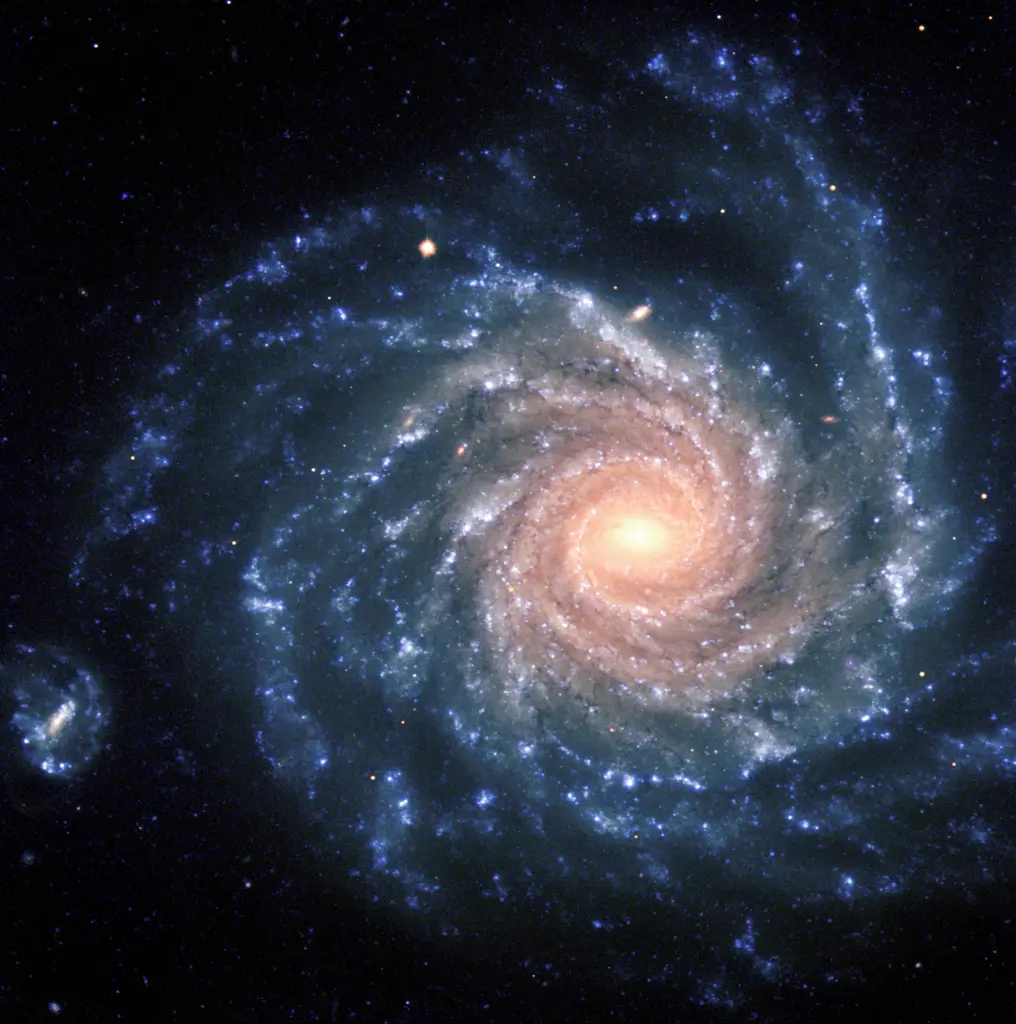
Gemini North Back On Sky With Dazzling Image of Supernova in the Pinwheel Galaxy
Credit: International Gemini Observatory/NOIRLab/NSF/AURA Image Processing: J. Miller (Gemini Observatory/NSF NOIRLab), M. Rodriguez (Gemini Observatory/NSF NOIRLab), M. Zamani (NSF NOIRLab), T.A. Rector (University of Alaska Anchorage/NSF NOIRLab) & D. de Martin
Gemini South Images the Butterfly Nebula
Credit: International Gemini Observatory/NOIRLab/NSF/AURA Image Processing: J. Miller & M. Rodriguez (International Gemini Observatory/NSF NOIRLab), T.A. Rector (University of Alaska Anchorage/NSF NOIRLab), M. Zamani (NSF NOIRLab)
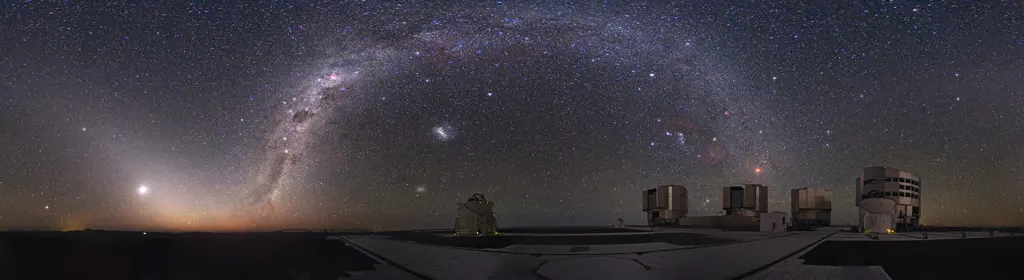
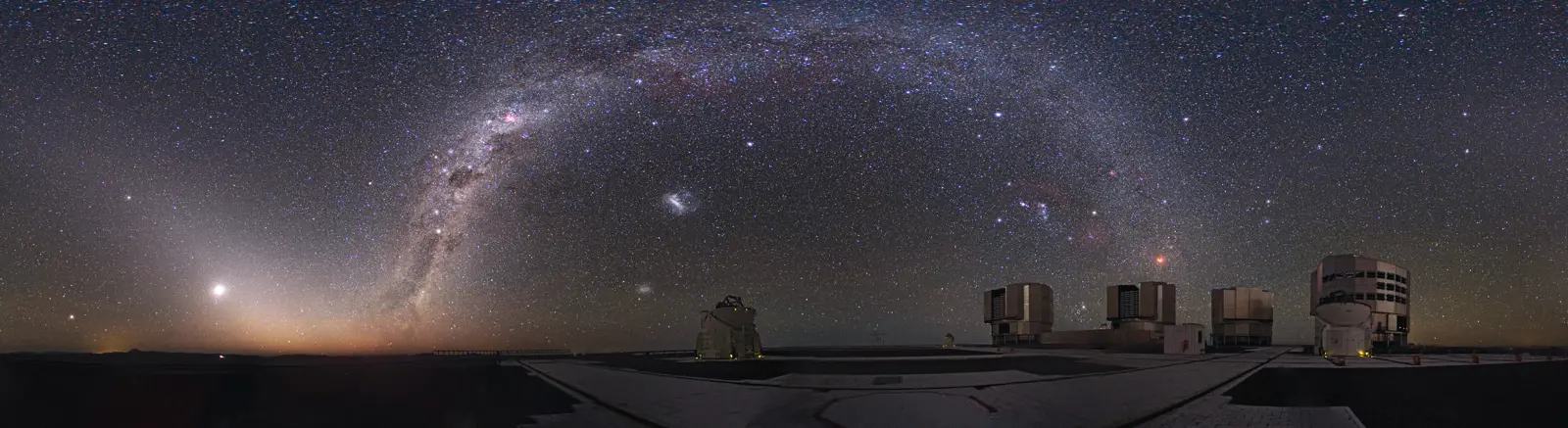
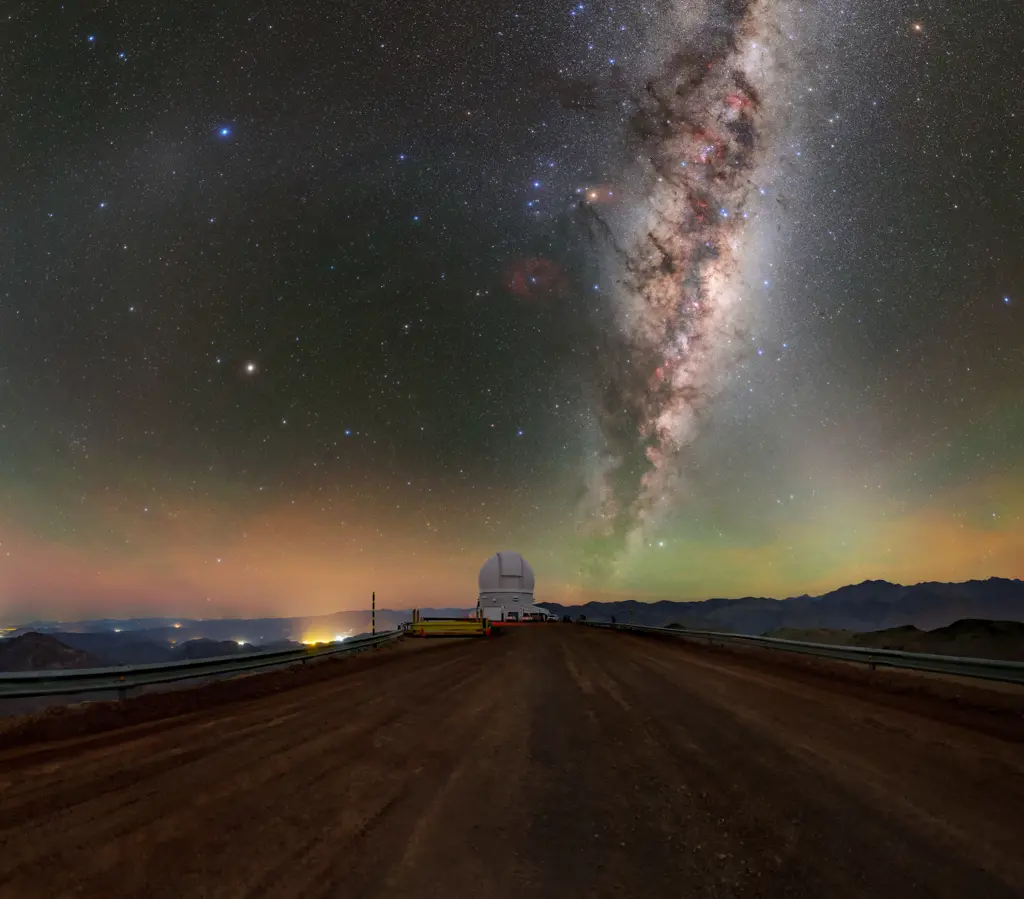
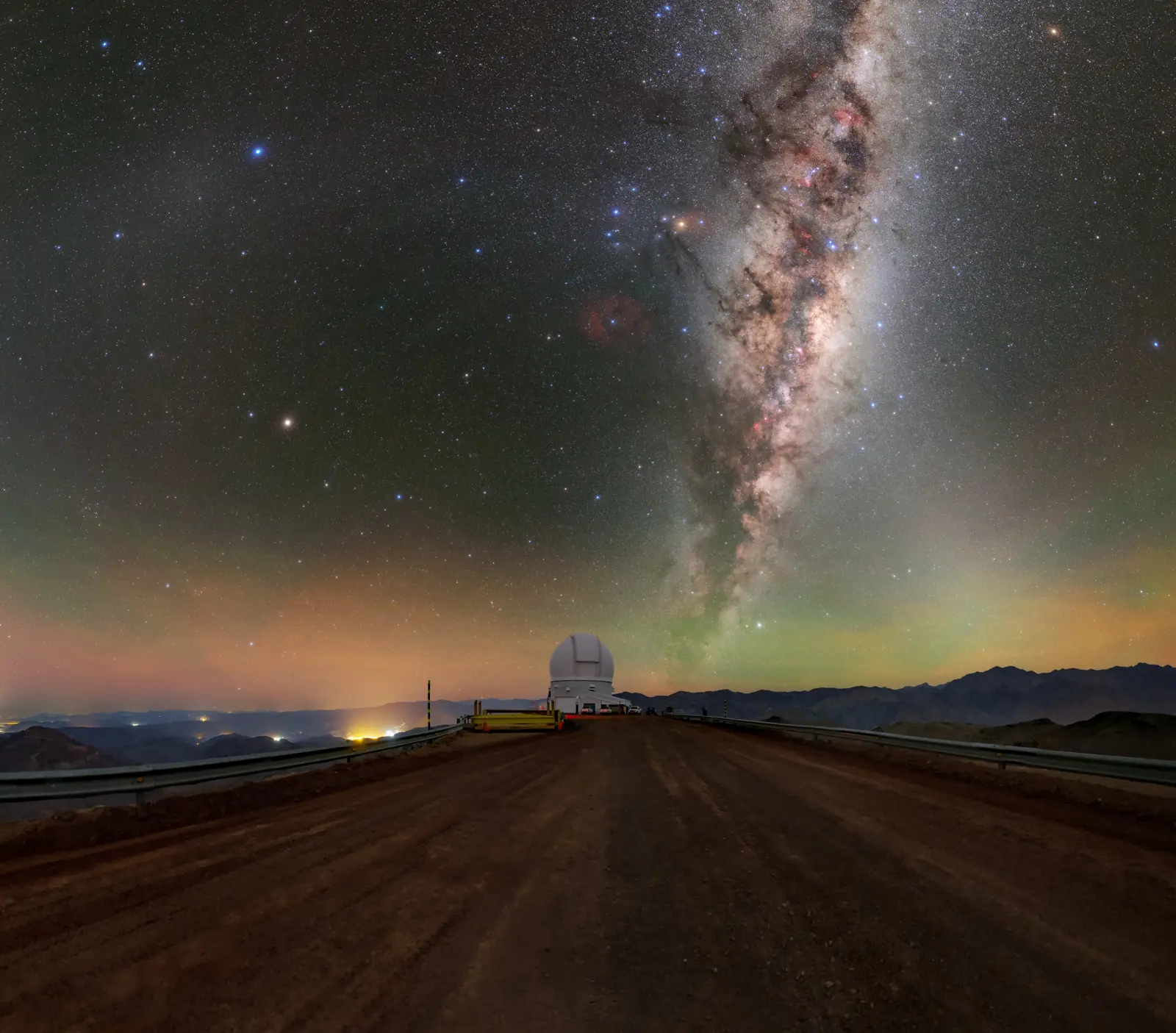
The Cosmic Road from Cerro Tololo
Credit: CTIO/NOIRLab/NSF/AURA/T. Slovinský
Galactic Waterfall
Credit: CTIO/NOIRLab/NSF/AURA/B. Tafreshi
NGC 1514: The Crystal Ball Nebula
Credit: International Gemini Observatory/NOIRLab/NSF/AURA Image Processing: J. Miller & M. Rodriguez (International Gemini Observatory/NSF NOIRLab), T.A. Rector (University of Alaska Anchorage/NSF NOIRLab), D. de Martin & M. Zamani (NSF NOIRLab)
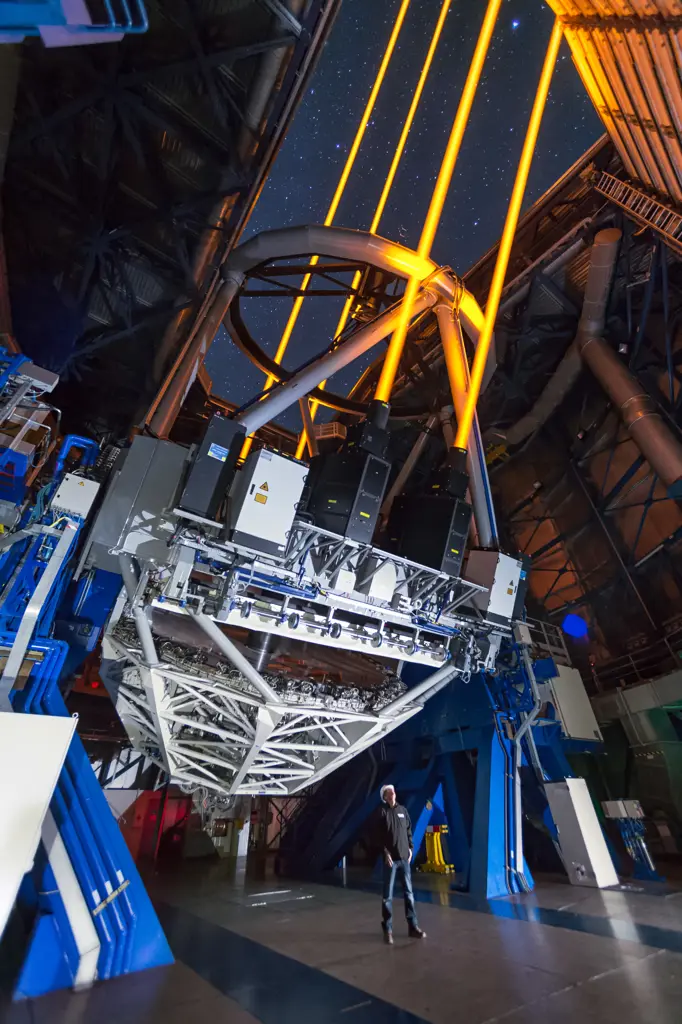
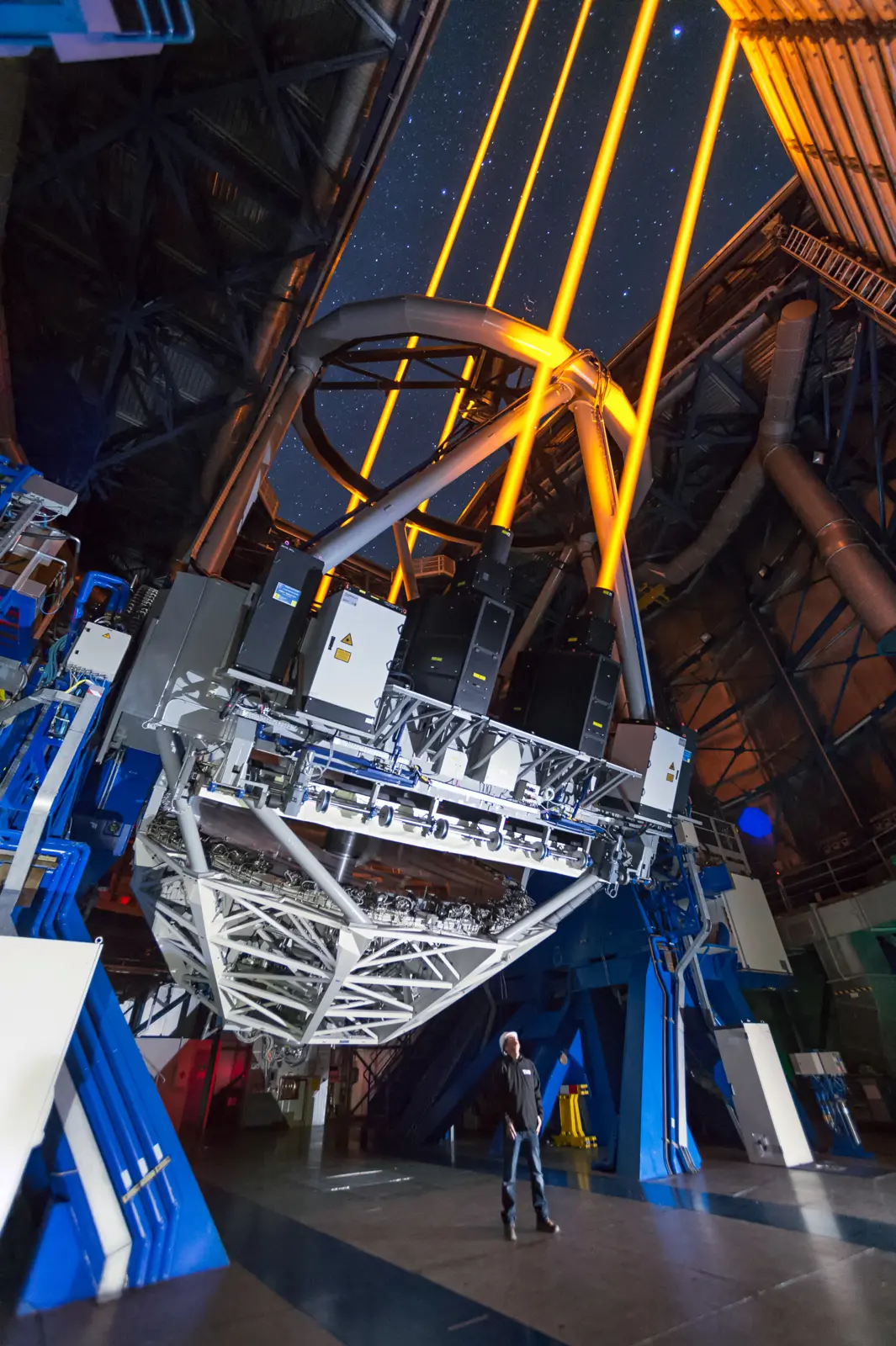
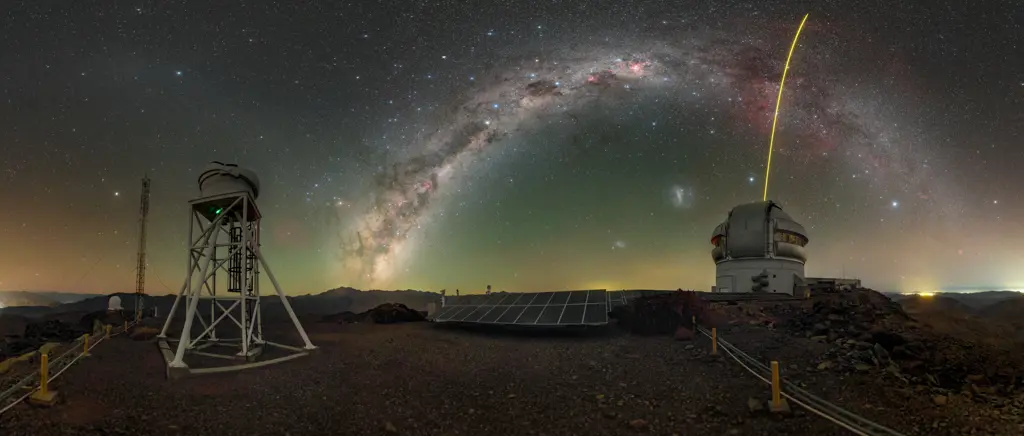
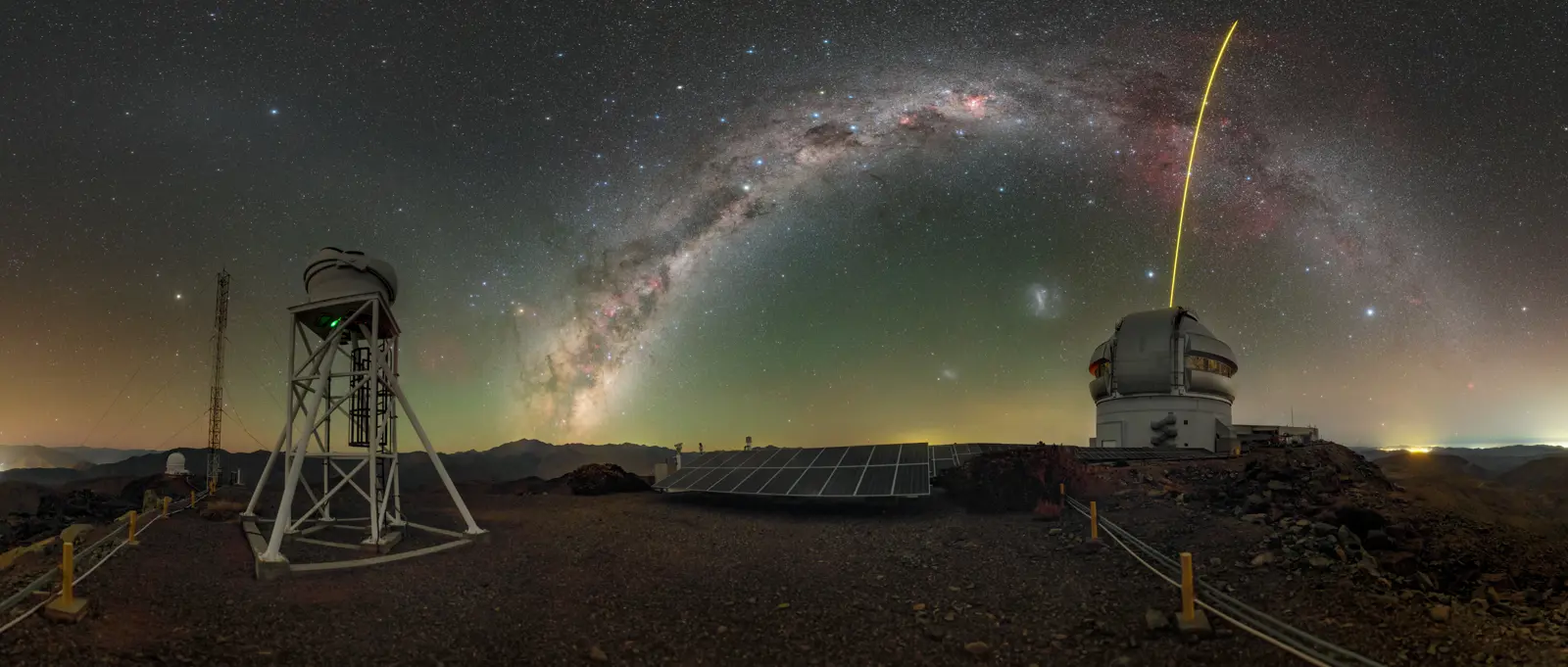
Starry Night, Laser Light
Credit: International Gemini Observatory/NOIRLab/NSF/AURA/T. Slovinský
Celestial Landmarks of the Northern Sky
Credit: KPNO/NOIRLab/NSF/AURA/T. Slovinský
Nicholas U. Mayall and the Milky Way
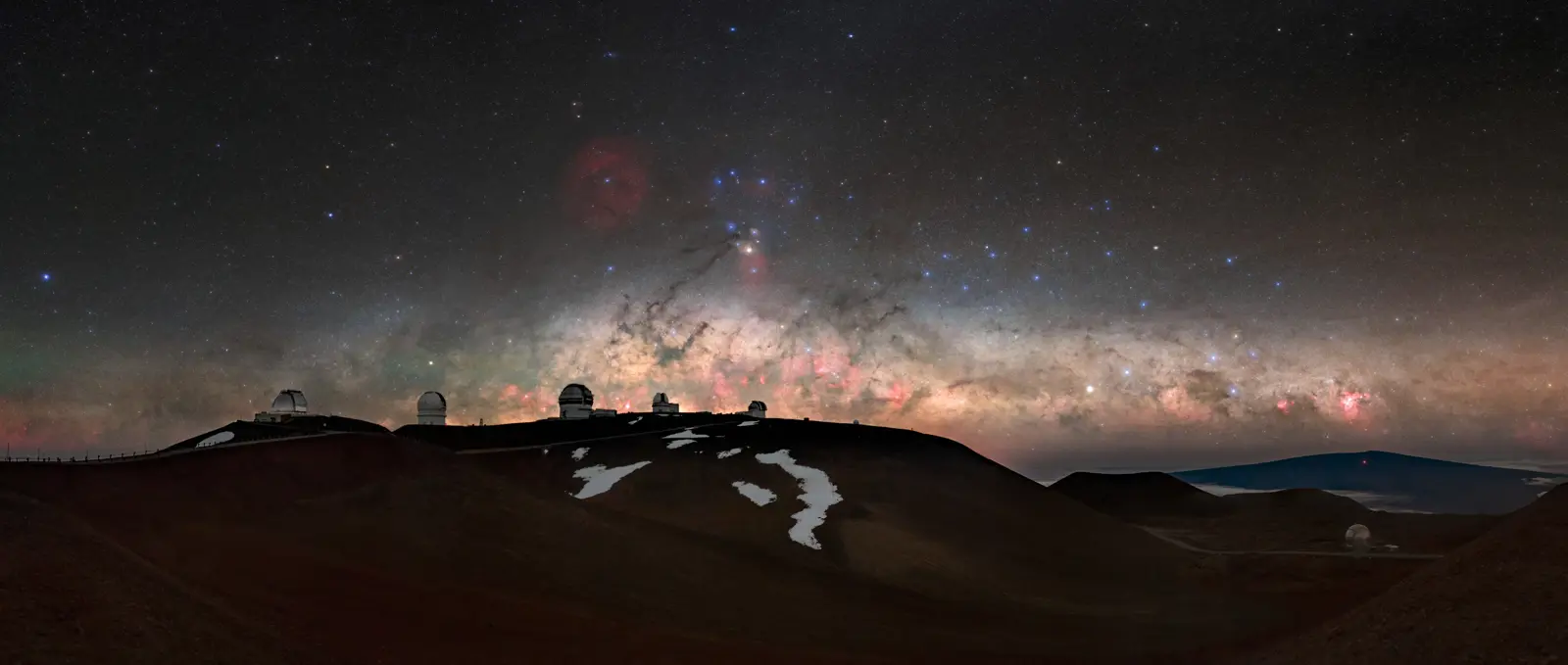
Credit: DESI Collaboration/DOE/KPNO/NOIRLab/NSF/AURA/P. Horálek (Institute of Physics in Opava)
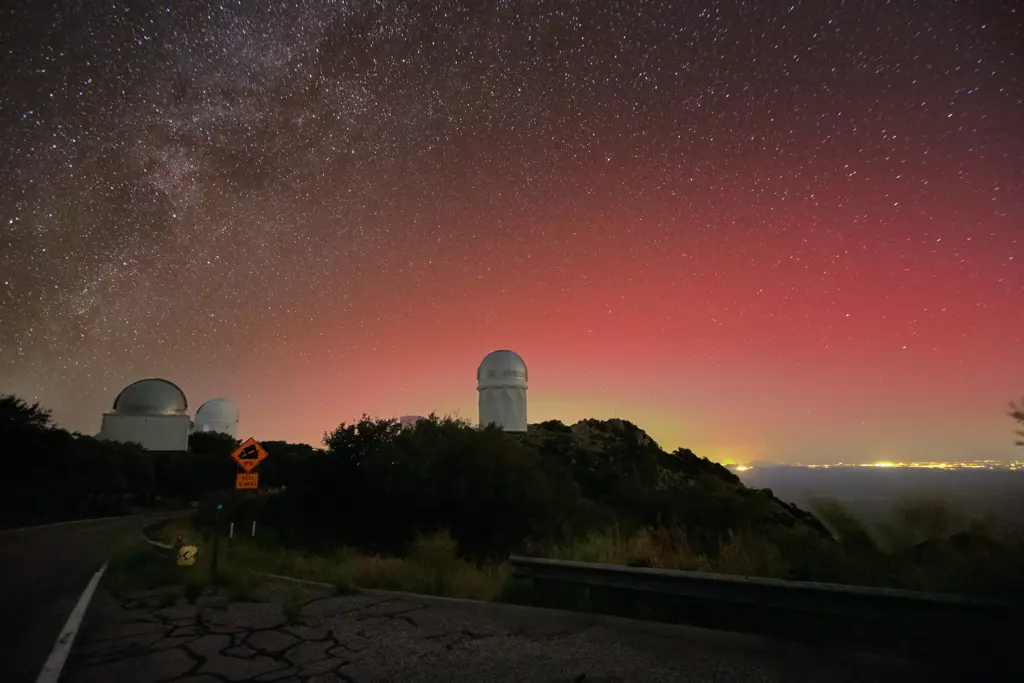
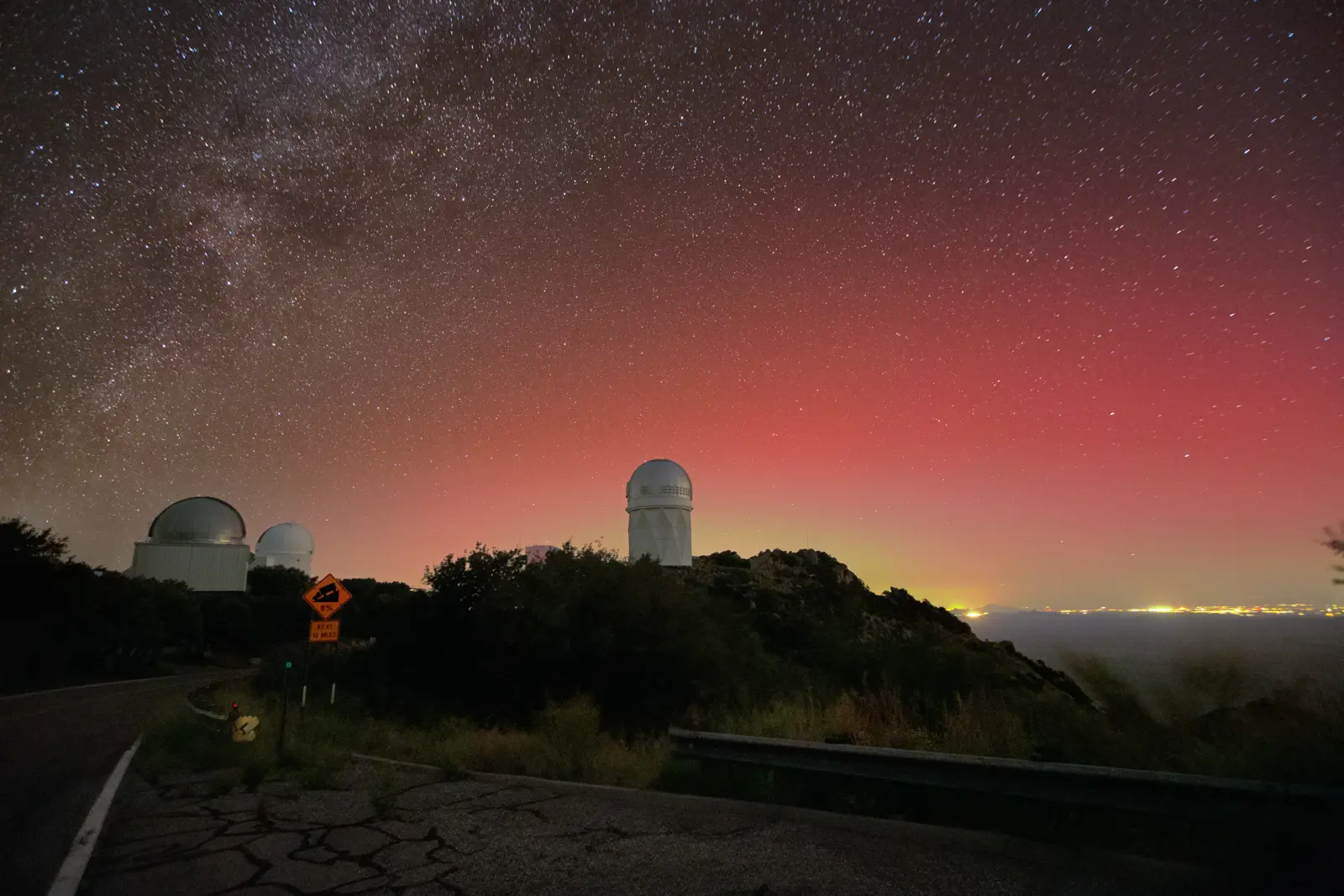
Dark Skies Aren’t Always Black Skies
Credit: International Gemini Observatory/NOIRLab/NSF/AURA/T. Slovinský
Today
European Southern Observatory
NOIRLab

Starship Tracker

Starbase, TX

Next Flight
Flight 13
TBD
Target
NET H1 2026
Vehicle
Starship V3
Pad
Orbital Launch Pad 2
Site
SpaceX Starbase, TX, USA
Ships0 active · 1 retired · 13 lost
S39Destroyed
S38Destroyed
S37Destroyed
Super Heavy0 active · 6 retired · 20 lost
Booster 19destroyed
Booster 18destroyed
Unknown SHN/A
Live from Starbase
Open on YouTube
Live

Starbase Live: 24/7 Starship & Super Heavy Development From SpaceX's Boca Chica Facility

Artemis Mission Centre

Crewed lunar exploration

Artemis IICompleted
Mission Profile

Crewed lunar flyby

Timeline

Launched: Apr 1, 2026

Returned: Apr 11, 2026

Mission Stats
Rocket
SLS Block 1
Spacecraft
Orion
Launch Site
Kennedy LC-39B
Duration
~10 days
Max Distance
252,756 mi from Earth
Closest Lunar Pass
4,067 mi above surface
Splashdown
Pacific, off San Diego
Crew
4 members
Reid WisemanCommander
Victor GloverPilot
Christina KochMission Specialist
Jeremy HansenMission Specialist
Artemis ICompleted
Mission Profile

Uncrewed lunar test flight

Timeline

Launched: Nov 16, 2022

Returned: Dec 11, 2022

Mission Stats
Rocket
SLS Block 1
Spacecraft
Orion
Launch Site
Kennedy LC-39B
Duration
25 days, 10 hours
Max Distance
268,563 mi from Earth
Closest Lunar Pass
81 mi above surface
Splashdown
Pacific, off Baja California

Uncrewed test flight — no crew aboard.

Aurora & Solar Alerts

NOAA space weather
Geomagnetic ActivityQuiet

Kp Index

1.7

Solar Wind

421

km/s

Density

4.1

p/cm³

Temperature
151K

×1000

What's Up in Your Sky

Planets, Moon & stars above you right now