Human Exploration
 China Aerospace Science and Technology Corporation(CASC)Government
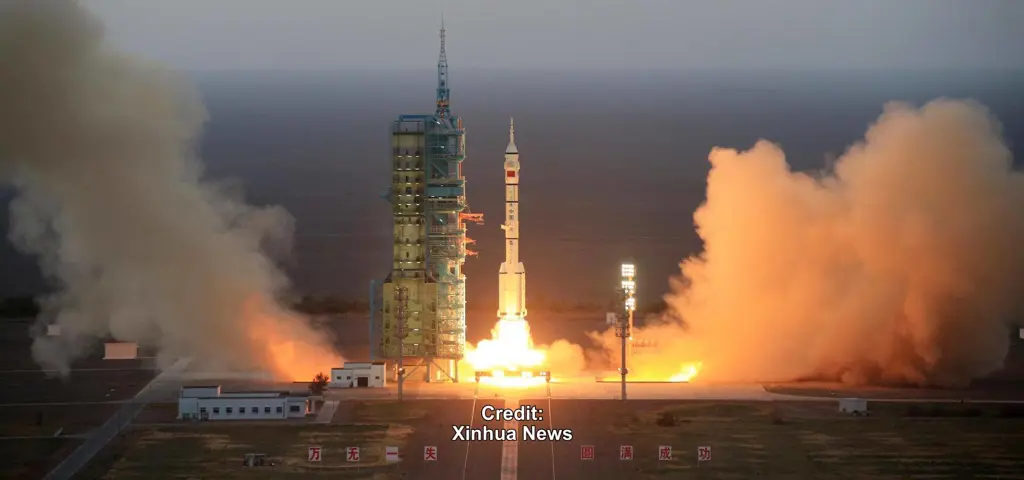
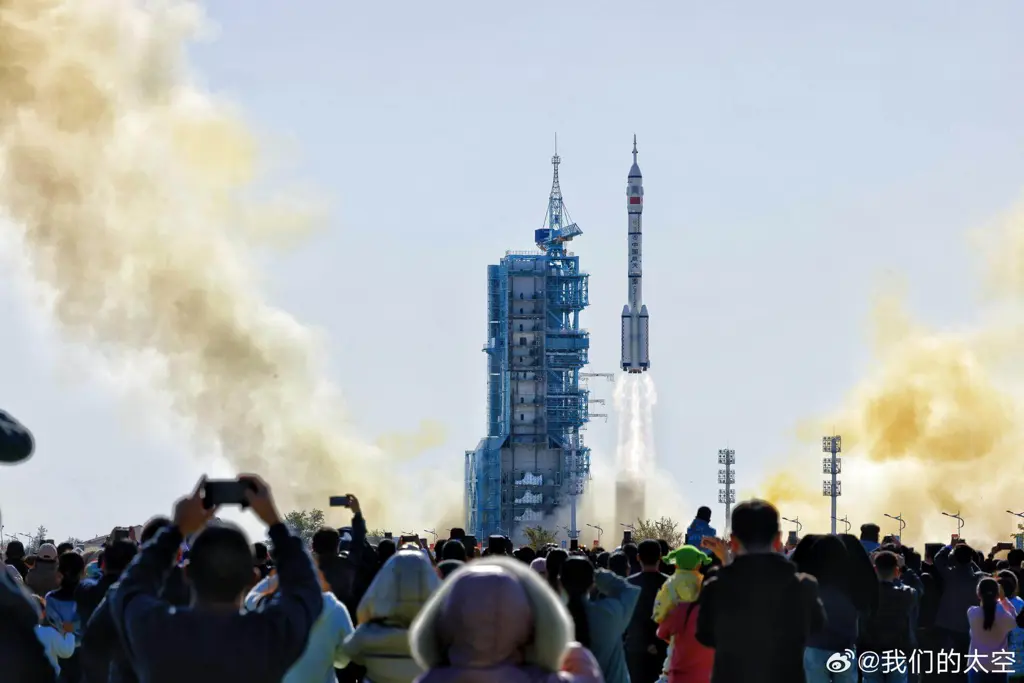
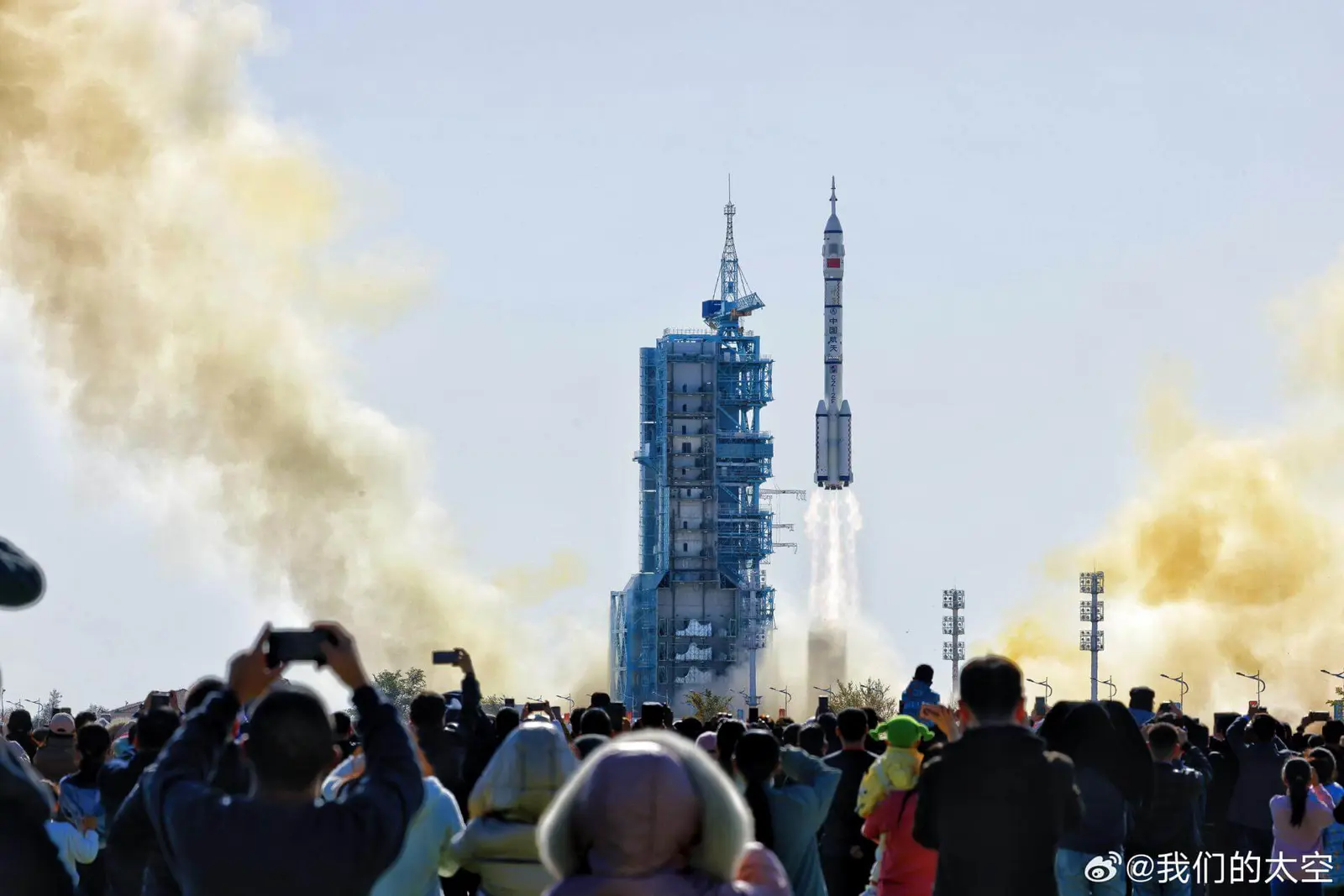
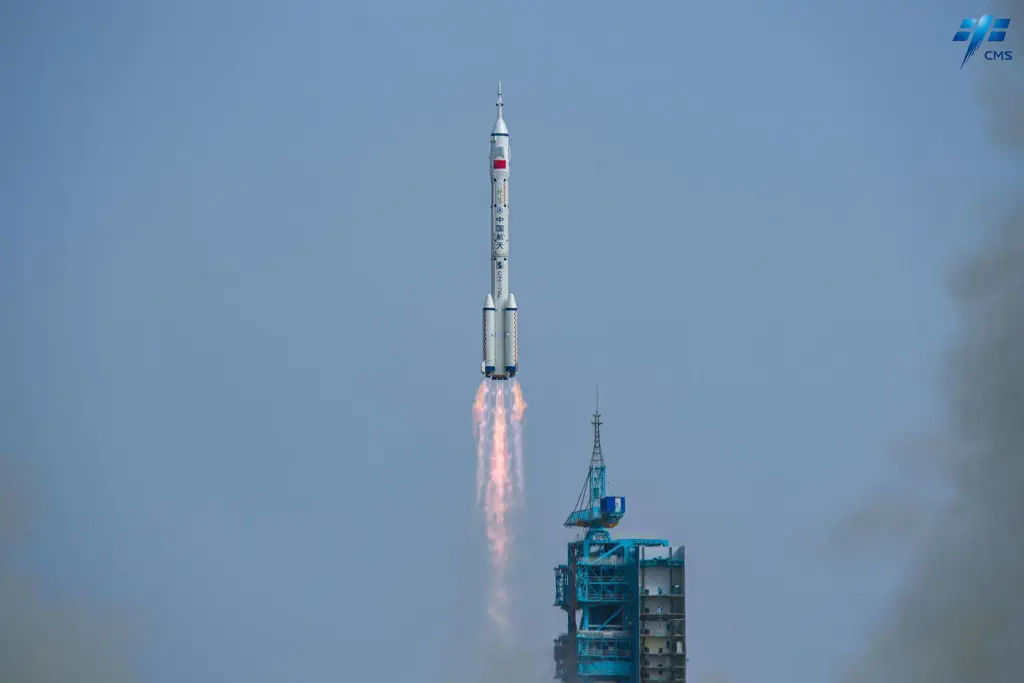
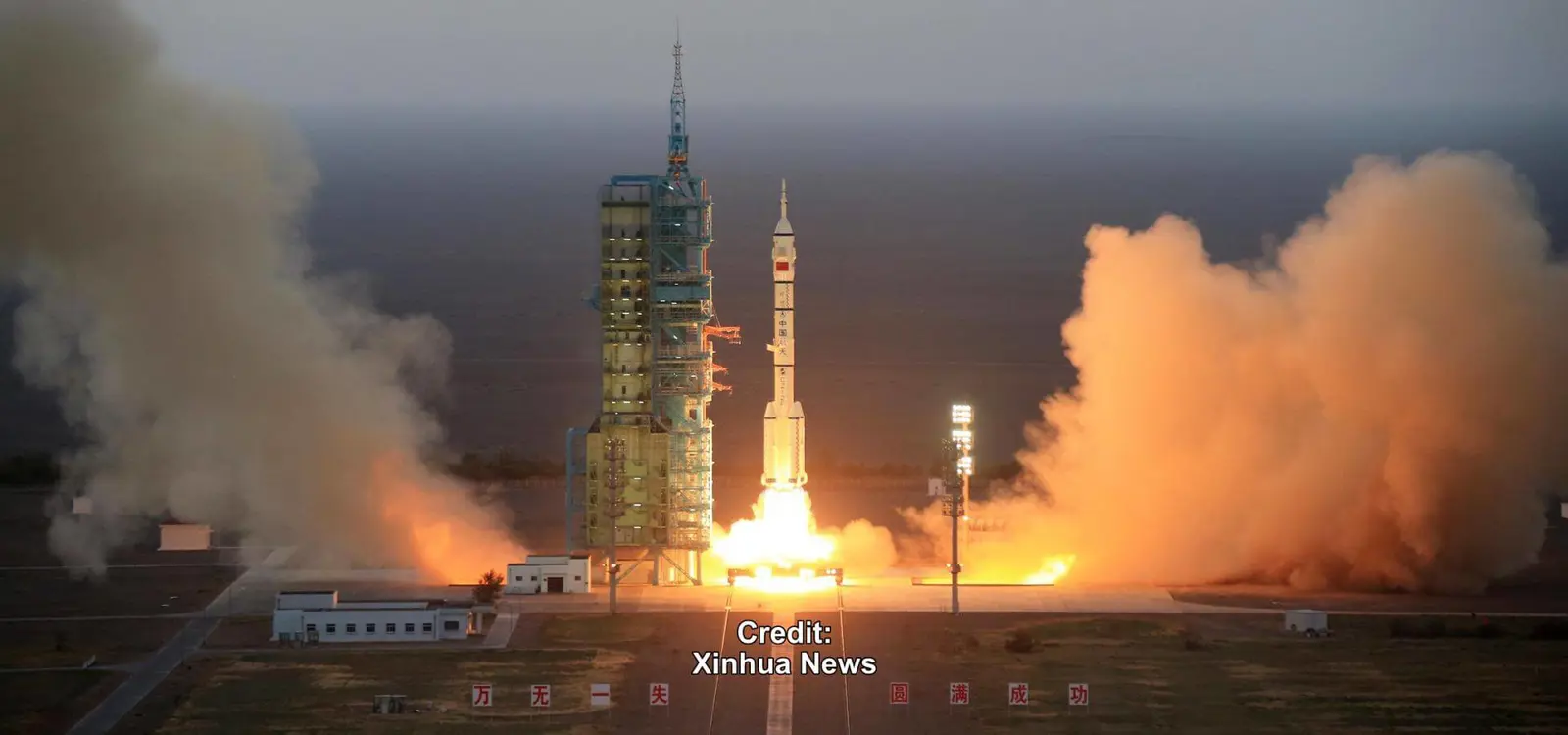
Fourth and final test flight of the Shenzhou spacecraft, without crew on board. The spacecraft was flown in the same configuration as a crew-carrying mission, and as such two dummy astronauts were carried on board, as are sleeping bags, food and medication. The control systems were fitted with ability for manual control and emergency landing. The windows were constructed of a new material that was designed to stay clear even after reentry to allow an astronaut to confirm that the parachutes have deployed properly. The spacecraft carried 100 peony seeds to investigate the effect of weightlessness on plants grown from them. The 52 experiments onboard investigated areas in physics, biology, medicine, earth observation, material science, and astronomy.
The Shenzhou program is a crewed spaceflight initiative by China. The program put the first Chinese citizen, Yang Liwei, into orbit on 15 October 2003.
Jan 1, 1993 — ongoing
Orbital Attempt
#4,575
CASC Mission
#13
Pad Launch
#4
Location Launch
#32
Designator
2002-061
Dec 29, 2002, 4:40 PM
1 update
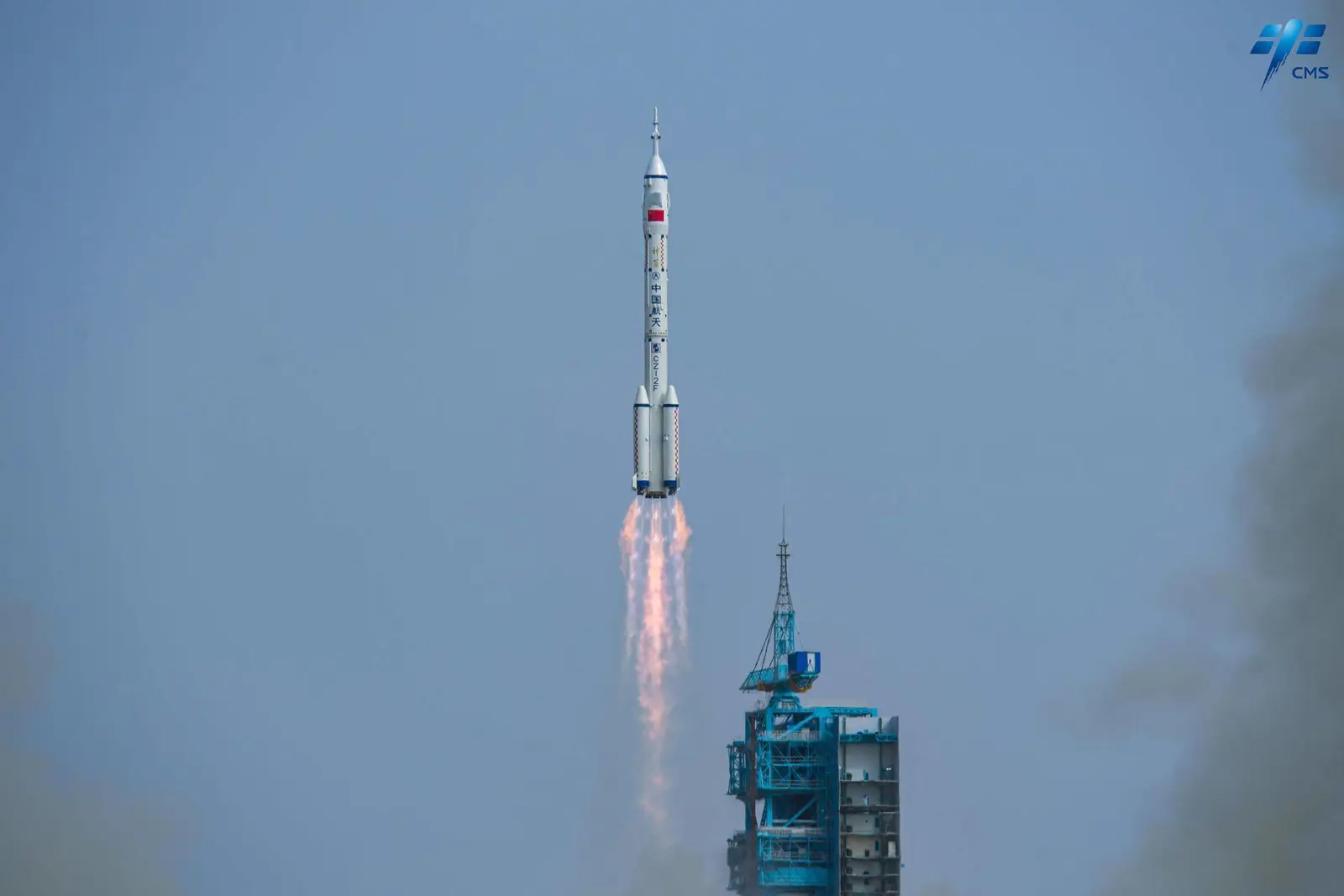
Jiuquan Satellite Launch Center is a Chinese spaceport located between the Ejin, Alxa, Inner Mongolia and Hangtian Town, Jinta County, Jiuquan, Gansu Province. It is part of the Dongfeng Aerospace City (Base 10).
Timezone
Asia/Shanghai
Local Launch Time
Dec 30, 2002, 12:40 AM
Total Launches
291
Total Landings
2
Coordinates
40.9581, 100.2911