Planetary Science
 China Aerospace Science and Technology Corporation(CASC)Government
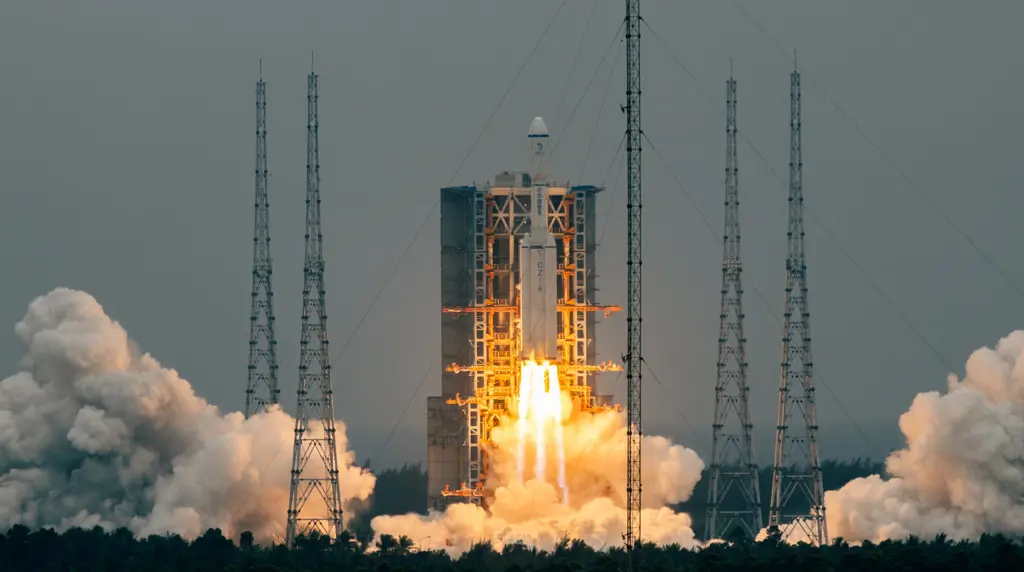
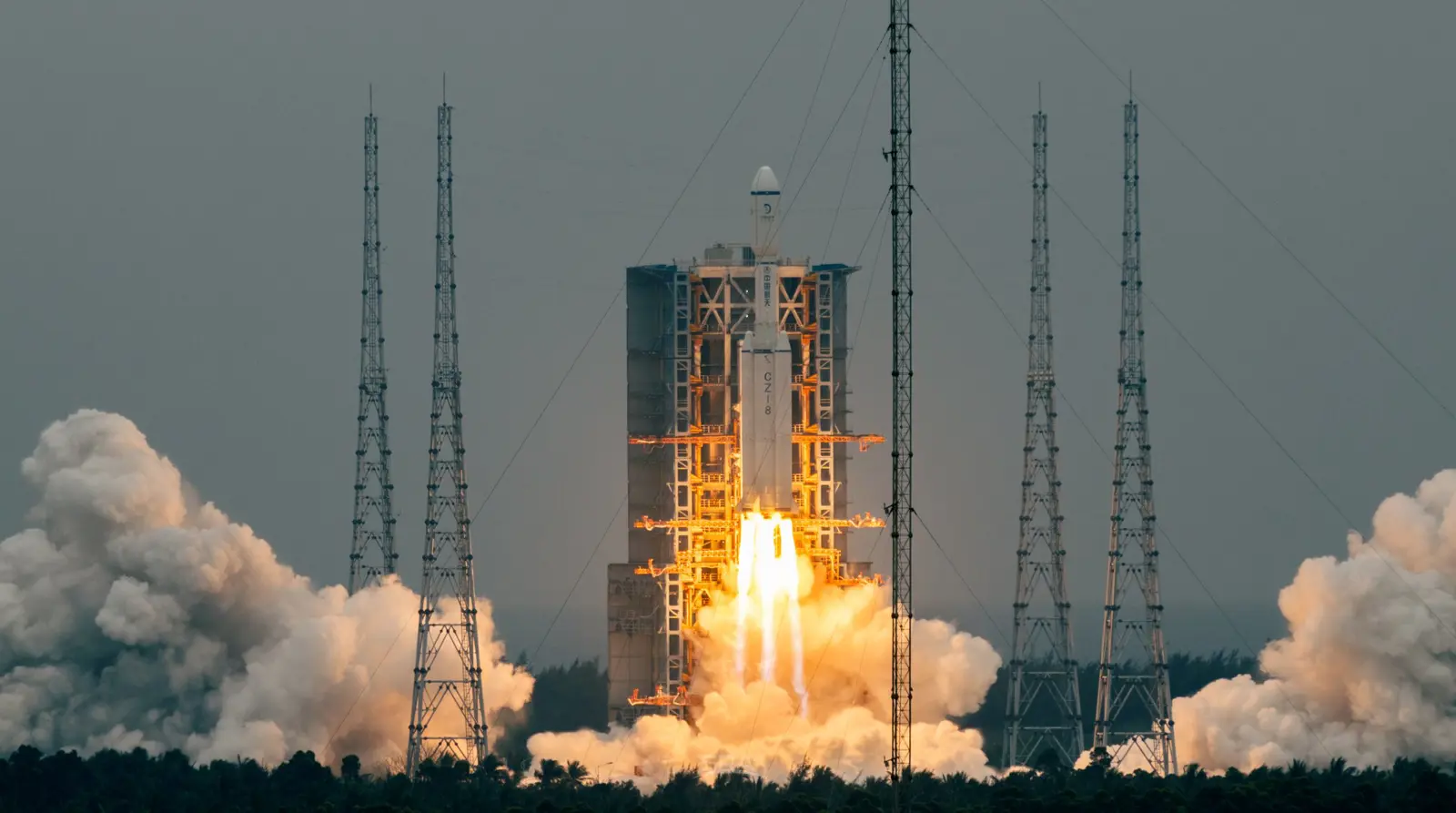
Queqiao-2 is a Chinese artificial satellite to serve as a communications relay for future Chinese lunar far side missions that cannot communicate directly with the Earth, beginning with the Chang'e 6 lunar sample return mission in 2024. It will operate from a Distant Retrograde Orbit (DRO) of the Moon. The launch also carries the Tiandu-1 & 2 small satellites testing cis-lunar space navigation and inter-satellite communication techniques for CNSA’s Deep Space Exploration Laboratory (DSEL).

The Chinese Lunar Exploration Program also known as the Chang'e Project after the Chinese moon goddess Chang'e, is an ongoing series of robotic Moon missions by the China National Space Administration (CNSA). The program incorporates lunar orbiters, landers, rovers and sample return spacecraft, launched using Long March rockets.
Jan 1, 2003 — ongoing
Orbital Attempt
#6,641
CASC Mission
#459
Pad Launch
#17
Location Launch
#28
Designator
2024-051
Mar 20, 2024, 12:31 AM
Second
1 update
The Wenchang Space Launch Site is a rocket launch site located in Wenchang on the island of Hainan, in China. Formally a suborbital test center, it currently serves as China's southernmost spaceport. The site was selected for its low latitude, 19° north of the equator, allowing for larger payloads to be launched. It is capable of launching the Long March 5, the heaviest Chinese rocket. Unlike launch facilities on the mainland, Wenchang uses its seaport for deliveries.
Timezone
Asia/Shanghai
Local Launch Time
Mar 20, 2024, 8:31 AM
Total Launches
68
Total Landings
0
Coordinates
19.6145, 110.9511