Astrophysics
Astro E is a X-ray astronomy satellite bulit as a joint effort of NASA and the Japanese space agency ISAS. Observing the X-ray spectrum of the distant universe, Astro-E was to open a new window into the workings of black holes, neutron stars, active galaxies, and other very energetic objects. Astro E was lost in a launch vehicle failure in February 2000, but a repeat Astro E2 (renamed Suzaku after successful launch) was built to conduct the mission. It was launched in July 2005 aboard a Japanese improved M-5 rocket.
Orbital Attempt
#4,377
ISAS Mission
#31
Pad Launch
#26
Location Launch
#31
Feb 10, 2000, 1:30 AM
1 update
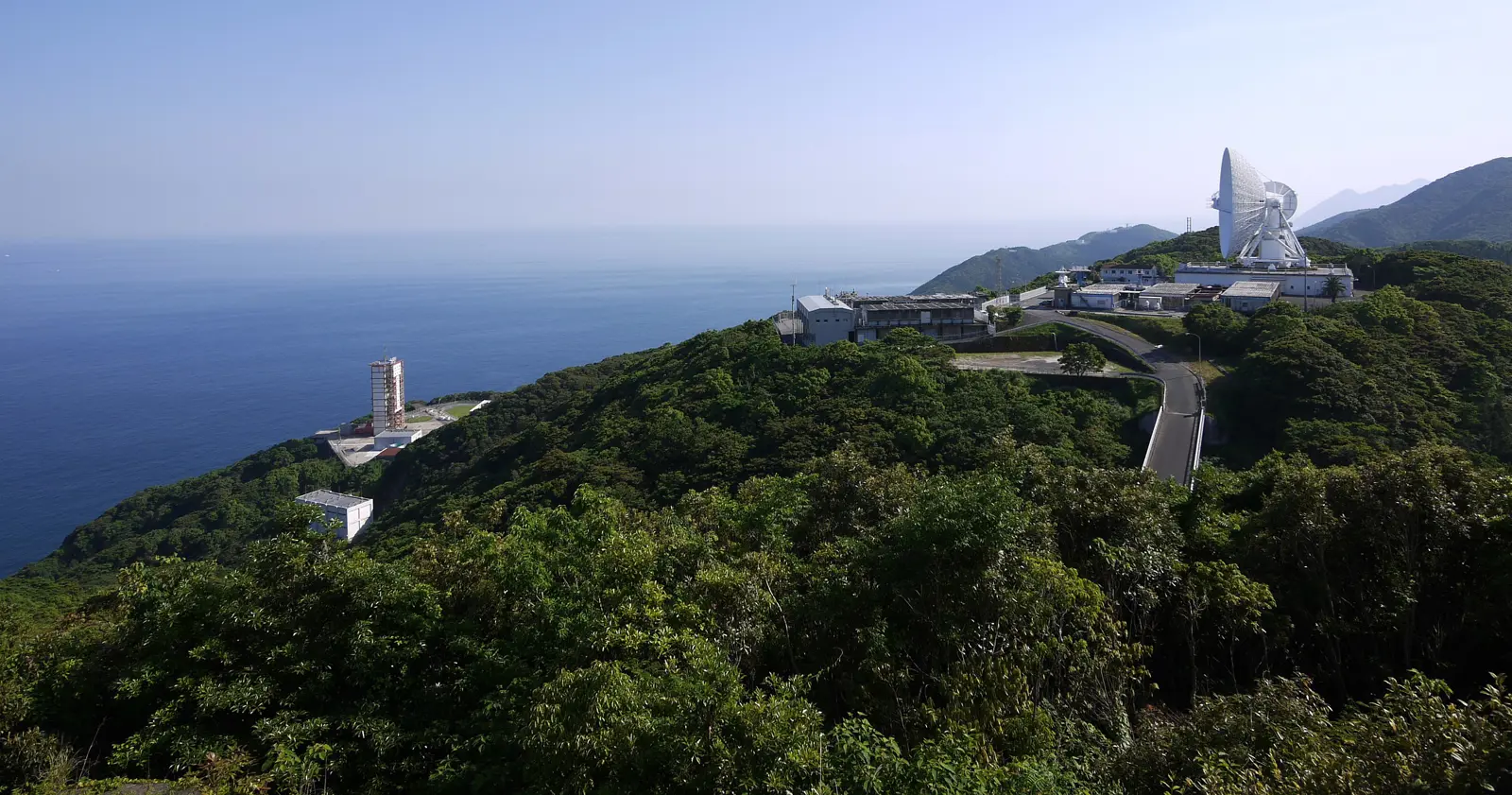
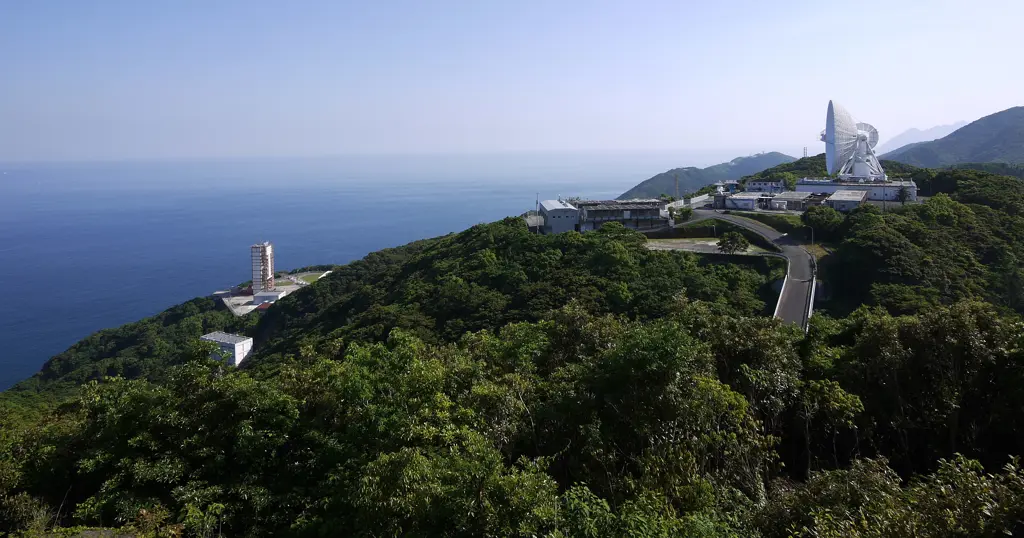
The Uchinoura Space Center is a space launch facility in the Japanese town of Kimotsuki, Kagoshima Prefecture. All of Japan's scientific satellites were launched from Uchinoura prior to the M-V launch vehicles being decommissioned in 2006. It continues to be used for suborbital launches, stratospheric balloons and has also been used for the Epsilon orbital launch vehicle. Additionally, the center has antennas for communication with interplanetary space probes.
Timezone
Asia/Tokyo
Local Launch Time
Feb 10, 2000, 10:30 AM
Total Launches
43
Total Landings
0
Coordinates
31.2519, 131.0819