Earth Science
The objective of Solar A or Yohkoh (Japanese for sunbeam) is to study the high-energy radiations from solar flares (hard and soft X-rays and energetic neutrons) as well as quiet structures and pre-flare conditions. The mission is a successor to Hinotori, a previous Japanese spacecraft flown at the previous solar activity maximum in 1981.
Orbital Attempt
#3,661
ISAS Mission
#26
Pad Launch
#21
Location Launch
#26
Designator
1991-062
Aug 30, 1991, 2:30 AM
1 update
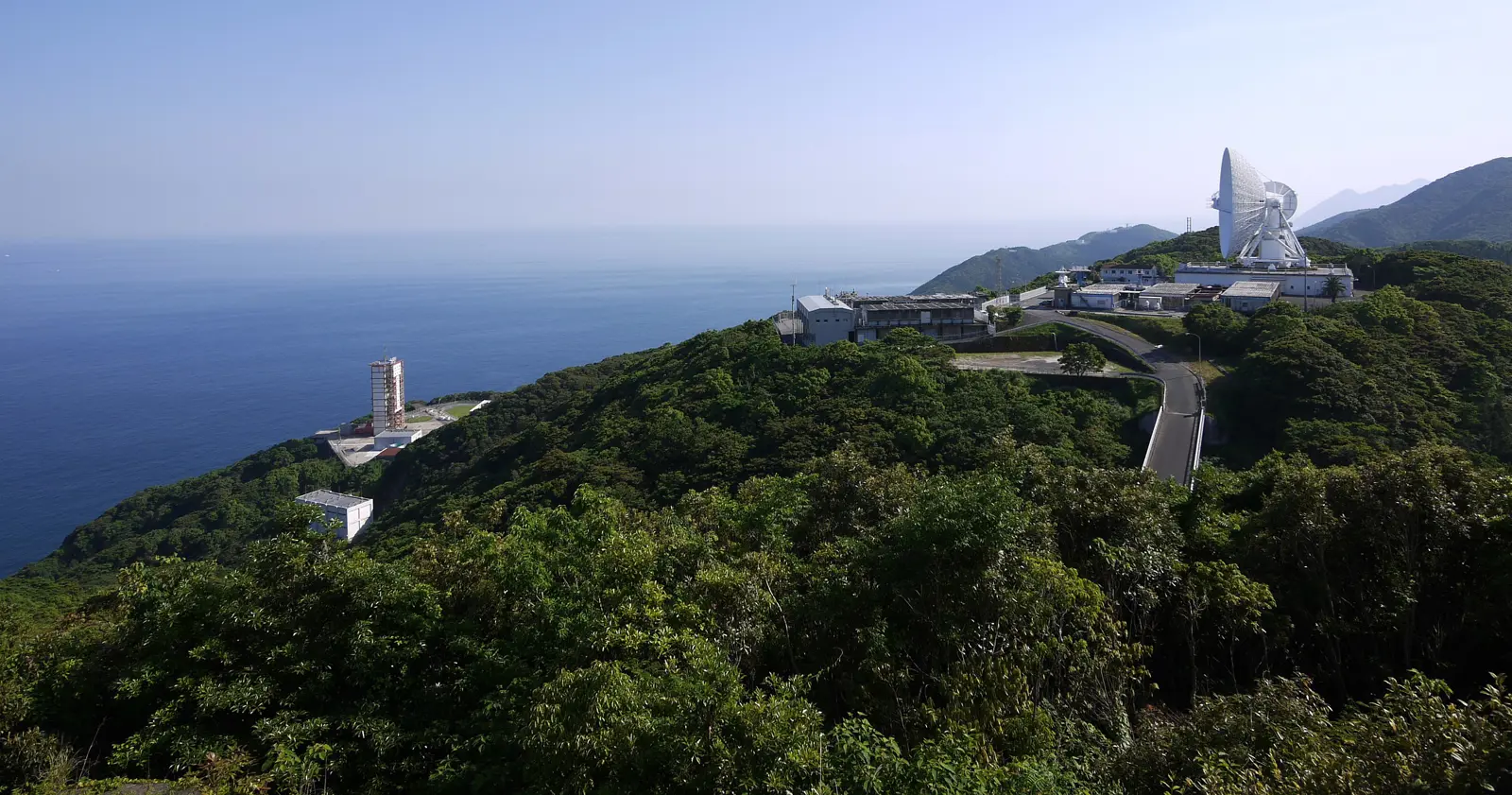
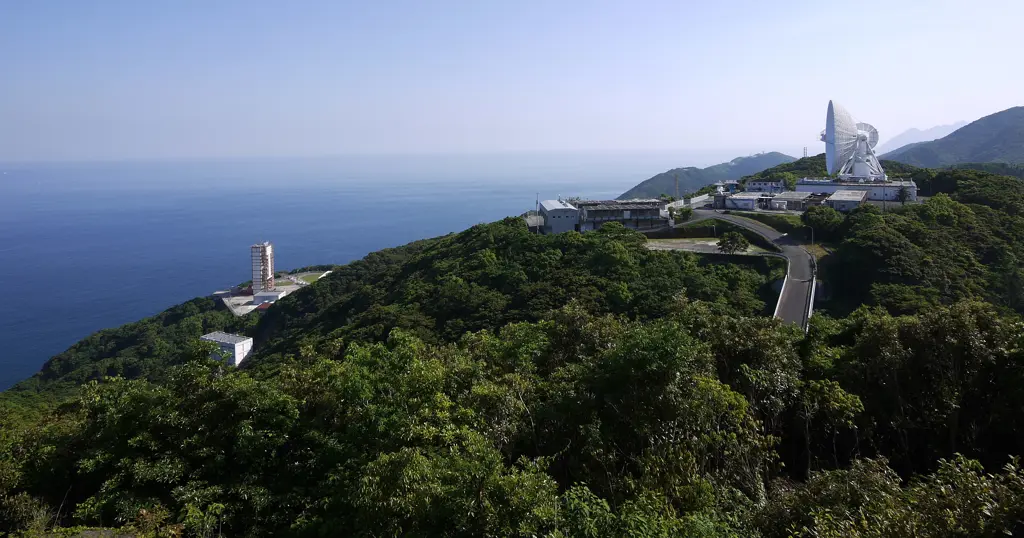
The Uchinoura Space Center is a space launch facility in the Japanese town of Kimotsuki, Kagoshima Prefecture. All of Japan's scientific satellites were launched from Uchinoura prior to the M-V launch vehicles being decommissioned in 2006. It continues to be used for suborbital launches, stratospheric balloons and has also been used for the Epsilon orbital launch vehicle. Additionally, the center has antennas for communication with interplanetary space probes.
Timezone
Asia/Tokyo
Local Launch Time
Aug 30, 1991, 11:30 AM
Total Launches
43
Total Landings
0
Coordinates
31.2519, 131.0819