Communications
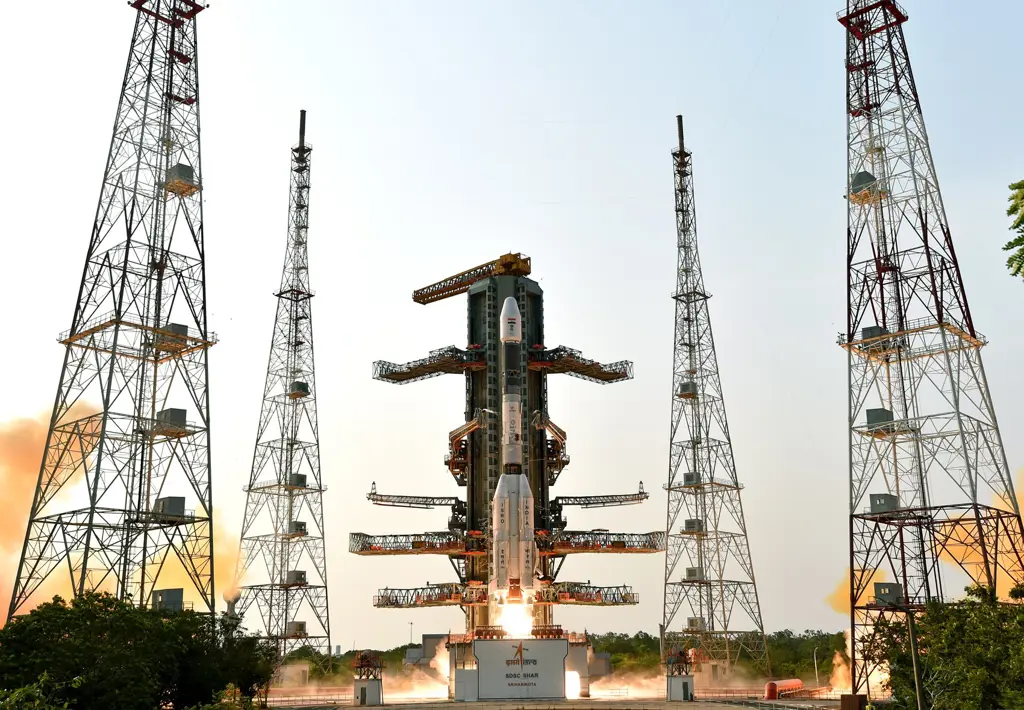
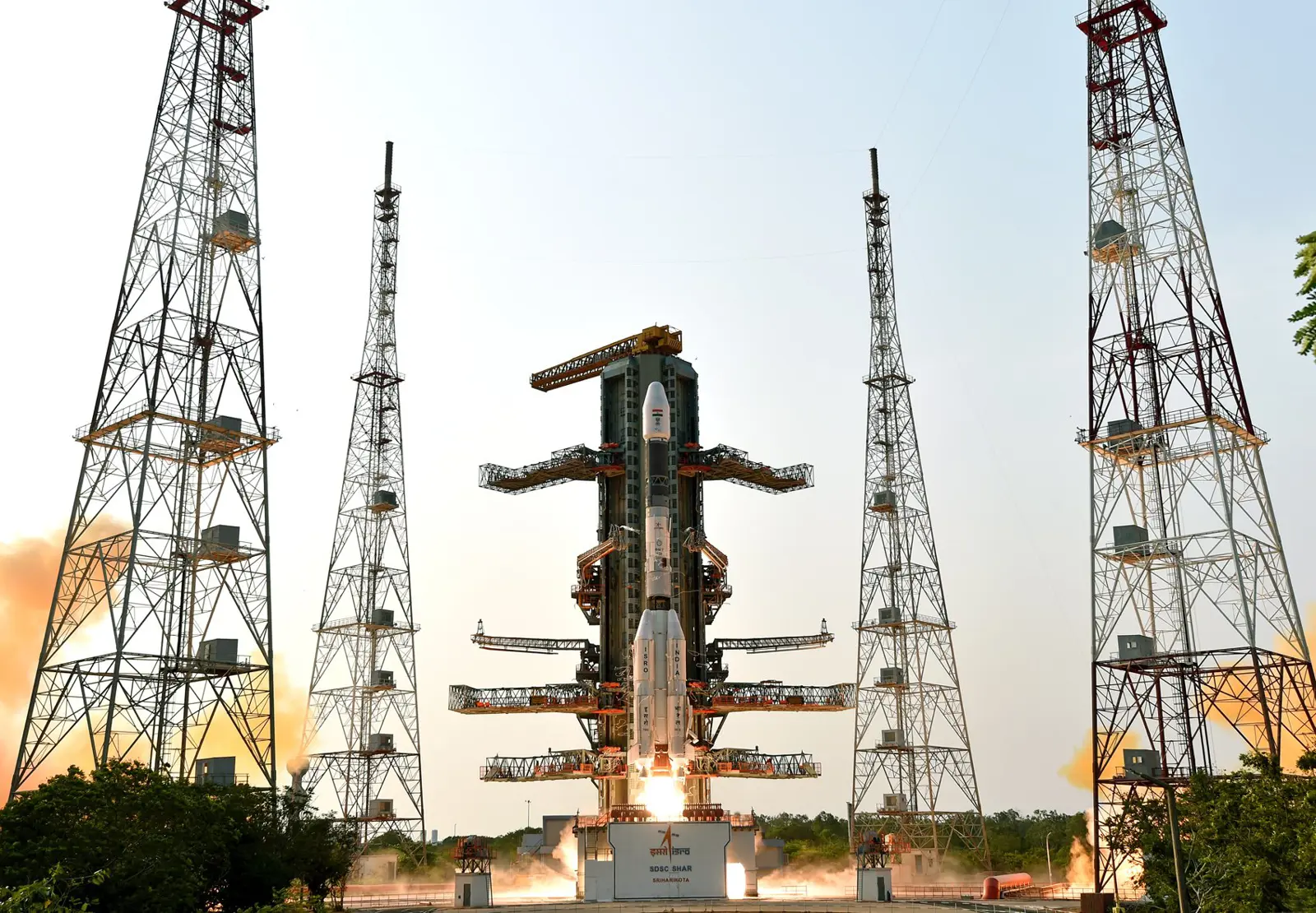
GSAT-6A is and Indian geostationary communications satellite for multi-media mobile applications. Weighing about 2000 kg, satellite is expected to operate in orbit for 9 years.
Orbital Attempt
#5,733
ISRO Mission
#60
Pad Launch
#15
Location Launch
#64
Designator
2018-027
Mar 29, 2018, 11:26 AM
1 update
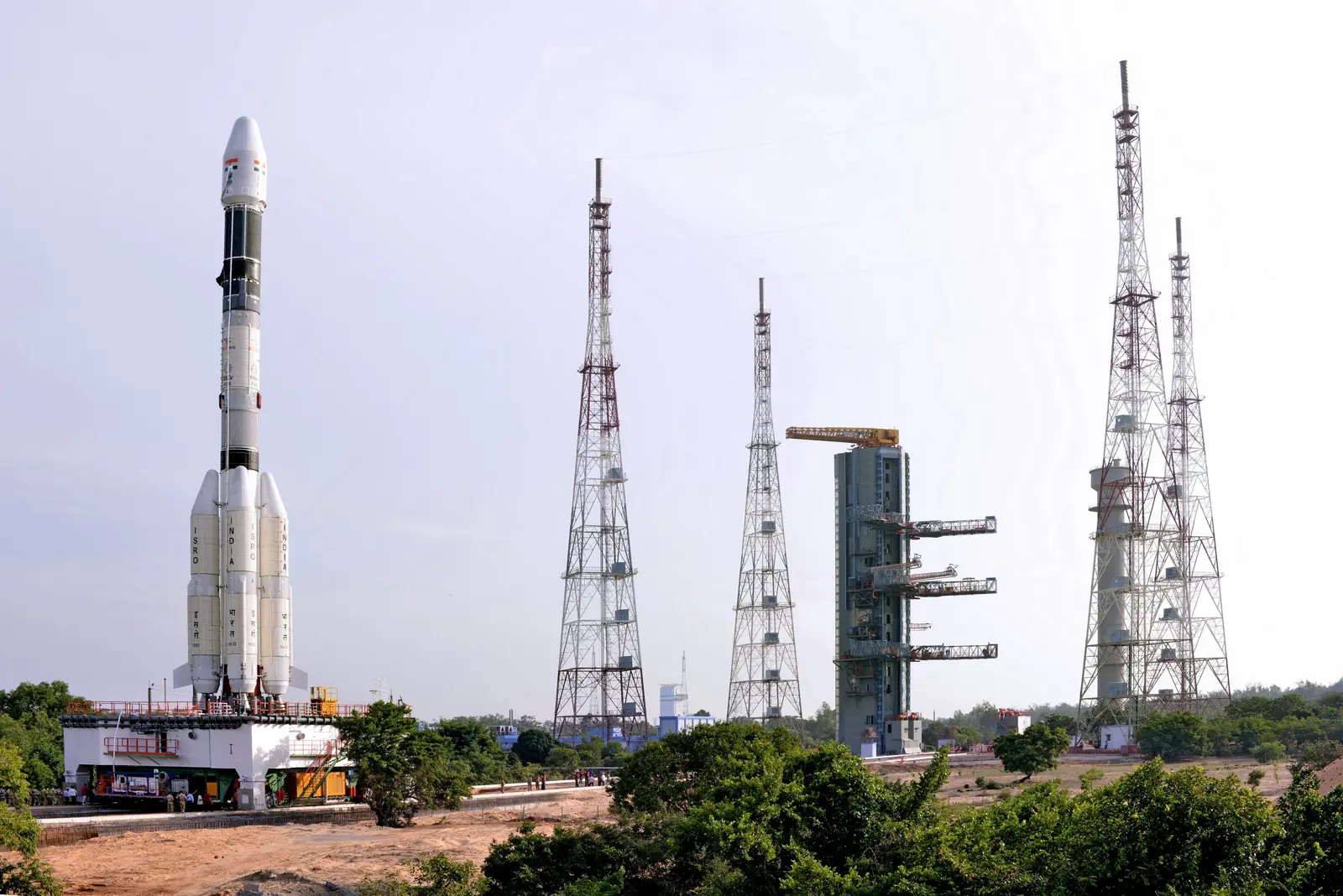
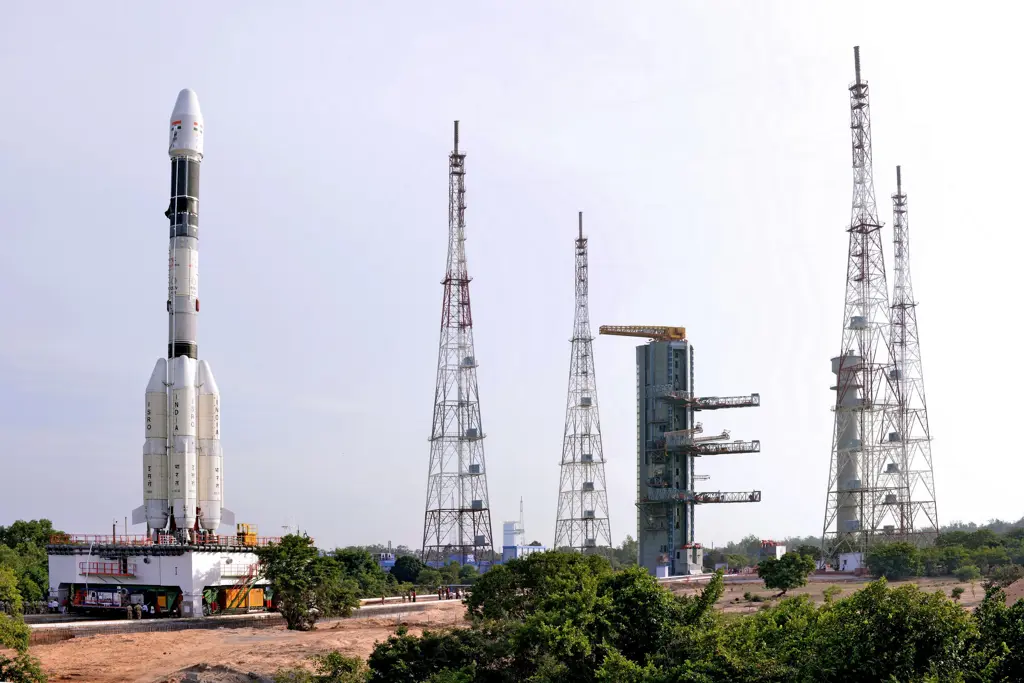
The second launch pad was built between 1999 and 2003. It became functional in 2005 and has since been used for various rockets. This launch pad supports missions by PSLV, GSLV, LVM3 rockets and is even envisioned for India's future crewed spaceflight.
Total Launches
32
Orbital Attempts
31
Fastest Turnaround
1mo 1d
Geosynchronous Satellite Launch Vehicle Mark II (GSLV Mk II) is the largest launch vehicle developed by India, which is currently in operation. This fourth generation launch vehicle is a three stage vehicle with four liquid strap-ons. The indigenously developed cryogenic Upper Stage (CUS), which is flight proven, forms the third stage of GSLV Mk II. From January 2014, the vehicle has achieved four consecutive successes.
Length
49 m
Diameter
2.8 m
Launch Mass
401 t
Thrust
7,420 kN
LEO Capacity
0 kg
GTO Capacity
2,500 kg
Reusable
No
Maiden Flight
2010
Fastest Turnaround
6mo 2d
Total Launches
12
Successful
10
Failed
2
Consecutive Success
4
Maiden flight: Apr 15, 2010
The Indian Space Research Organisation (ISRO) is the space agency of the Government of India headquartered in the city of Bangalore. Its vision is to "harness space technology for national development while pursuing space science research and planetary exploration."
Founded
1969
Administrator
Chairman: V. Narayanan
Total Launches
99
Successful
84
Failed
15
Pending
17
Consecutive Success
0
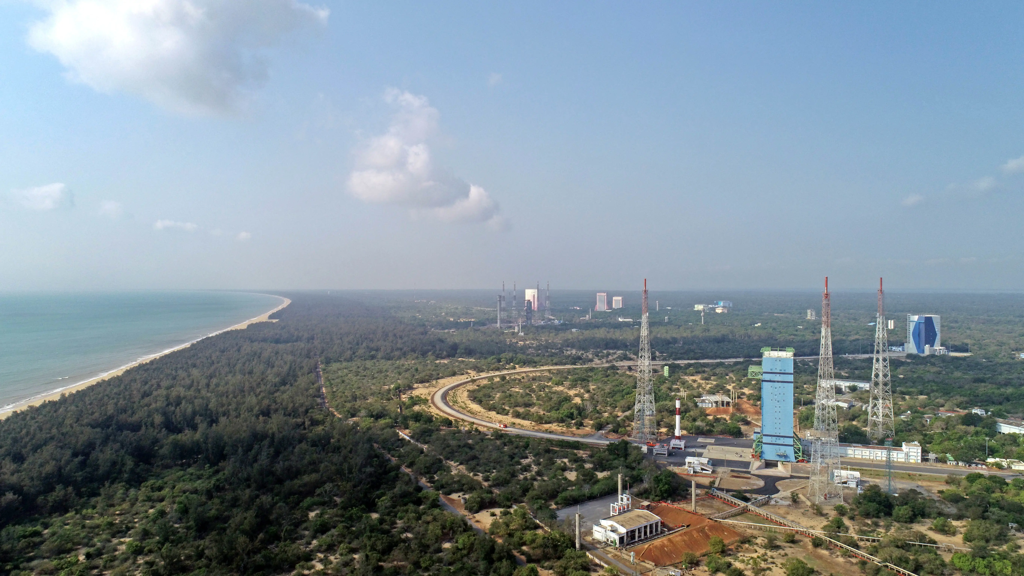
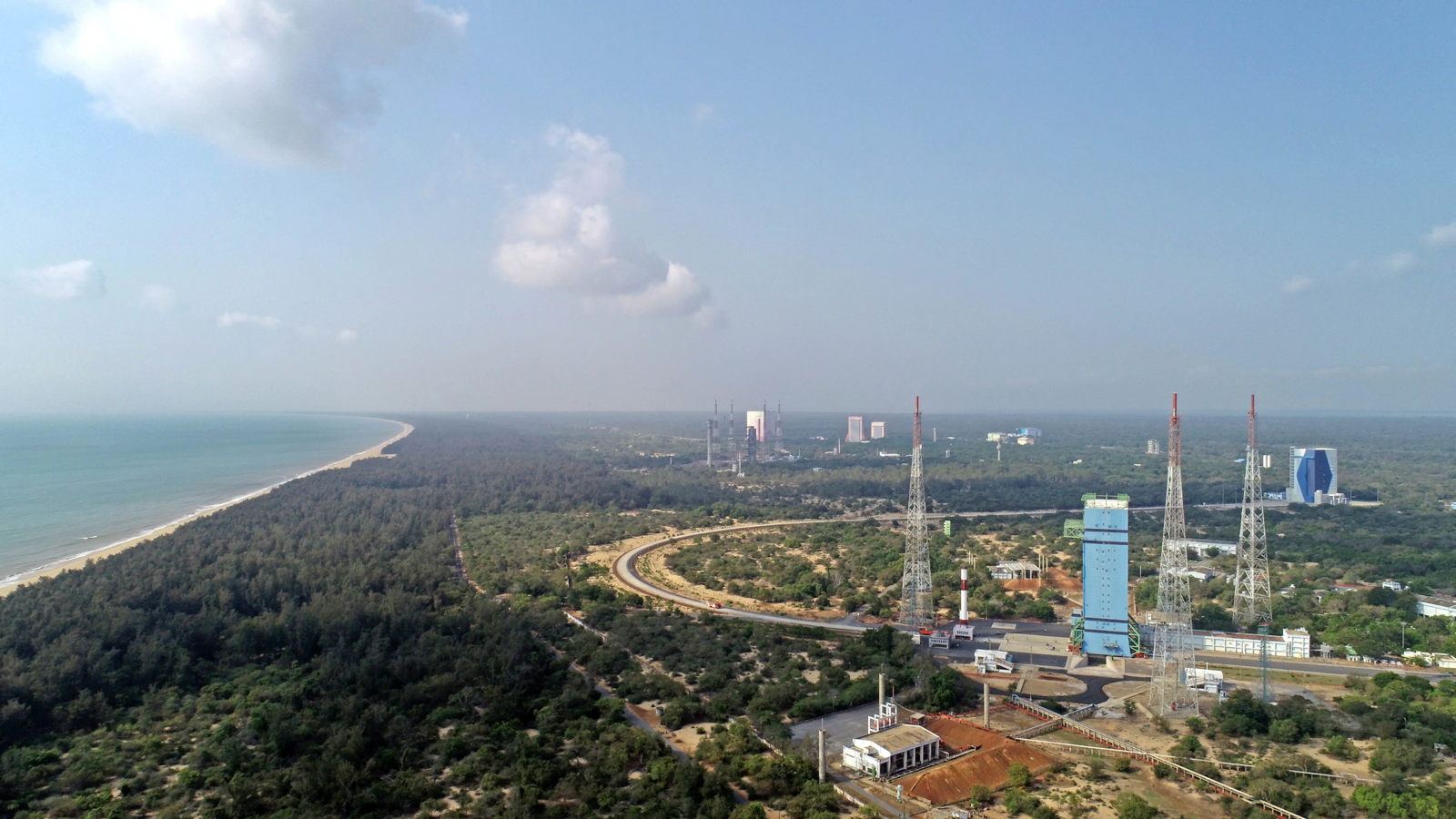
Satish Dhawan Space Centre – SDSC (formerly Sriharikota Range – SHAR),[1] is the primary spaceport of the Indian Space Research Organisation (ISRO), located in Sriharikota, Andhra Pradesh.
Timezone
Asia/Kolkata
Local Launch Time
Mar 29, 2018, 4:56 PM
Total Launches
103
Total Landings
0
Coordinates
13.7200, 80.2300