Lunar Exploration
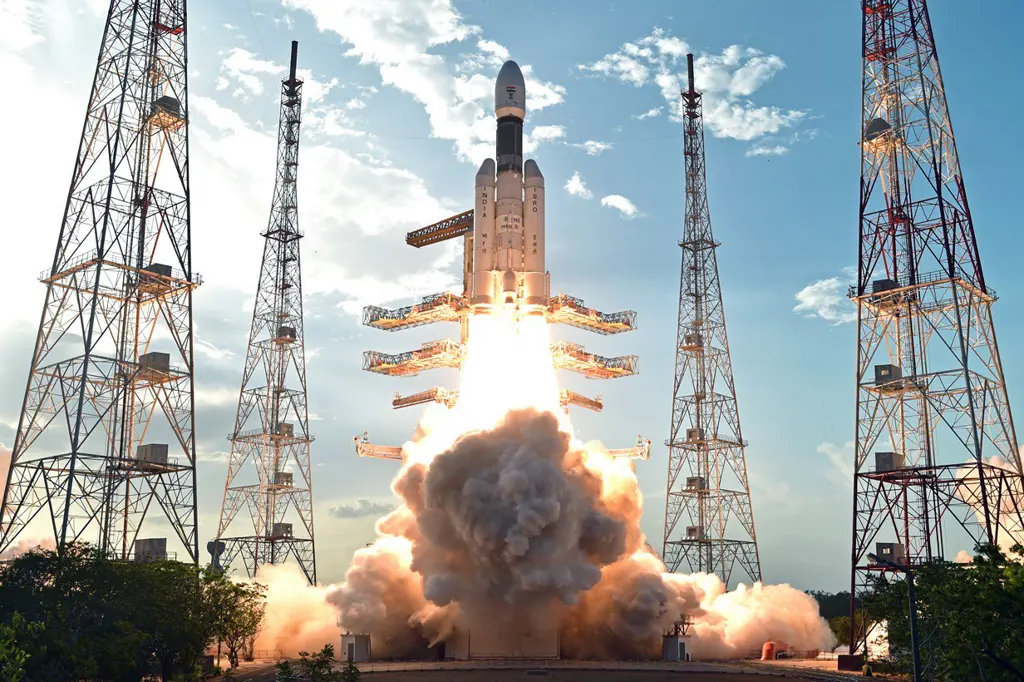
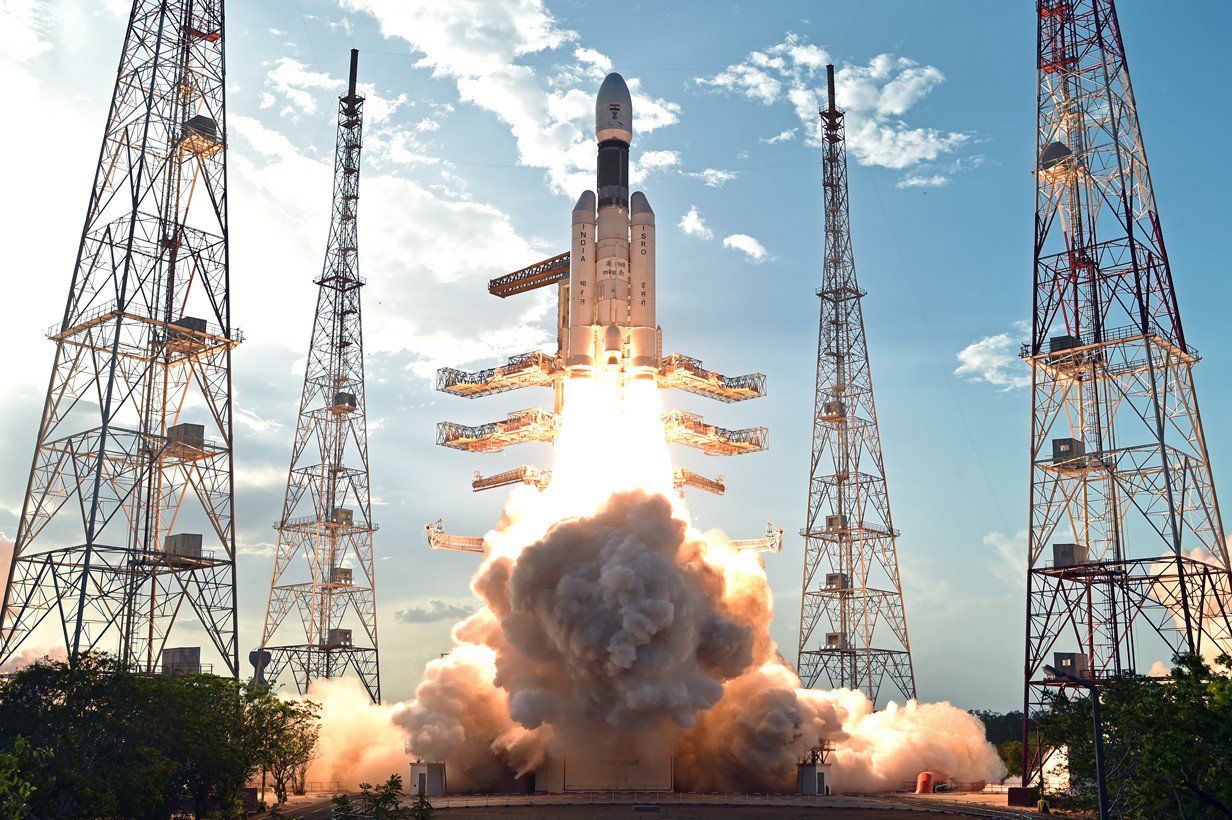
Chandrayaan-2 is India's second mission to the Moon. It consists of an orbiter, lander and rover. After reaching the 100 km lunar orbit, the lander housing the rover will separate from the orbiter. After a controlled descent, the lander will perform a soft landing on the lunar surface at a specified site and deploy the rover. Six-wheeled rover weighs around 20 kg and will operate on solar power. It will move around the landing site, performing lunar surface chemical analysis and relaying data back to Earth through the orbiter. The lander will be collecting data on Moon-quakes, thermal properties of the lunar surface, the density and variation of lunar surface plasma. The orbiter will be mapping lunar surface. Altogether, Chandrayaan-2 mission will collect scientific information on lunar topography, mineralogy, elemental abundance, lunar exosphere and signatures of hydroxyl and water-ice.
Orbital Attempt
#5,867
ISRO Mission
#69
Pad Launch
#19
Location Launch
#73
Designator
2019-042
Jul 22, 2019, 9:13 AM
1 update
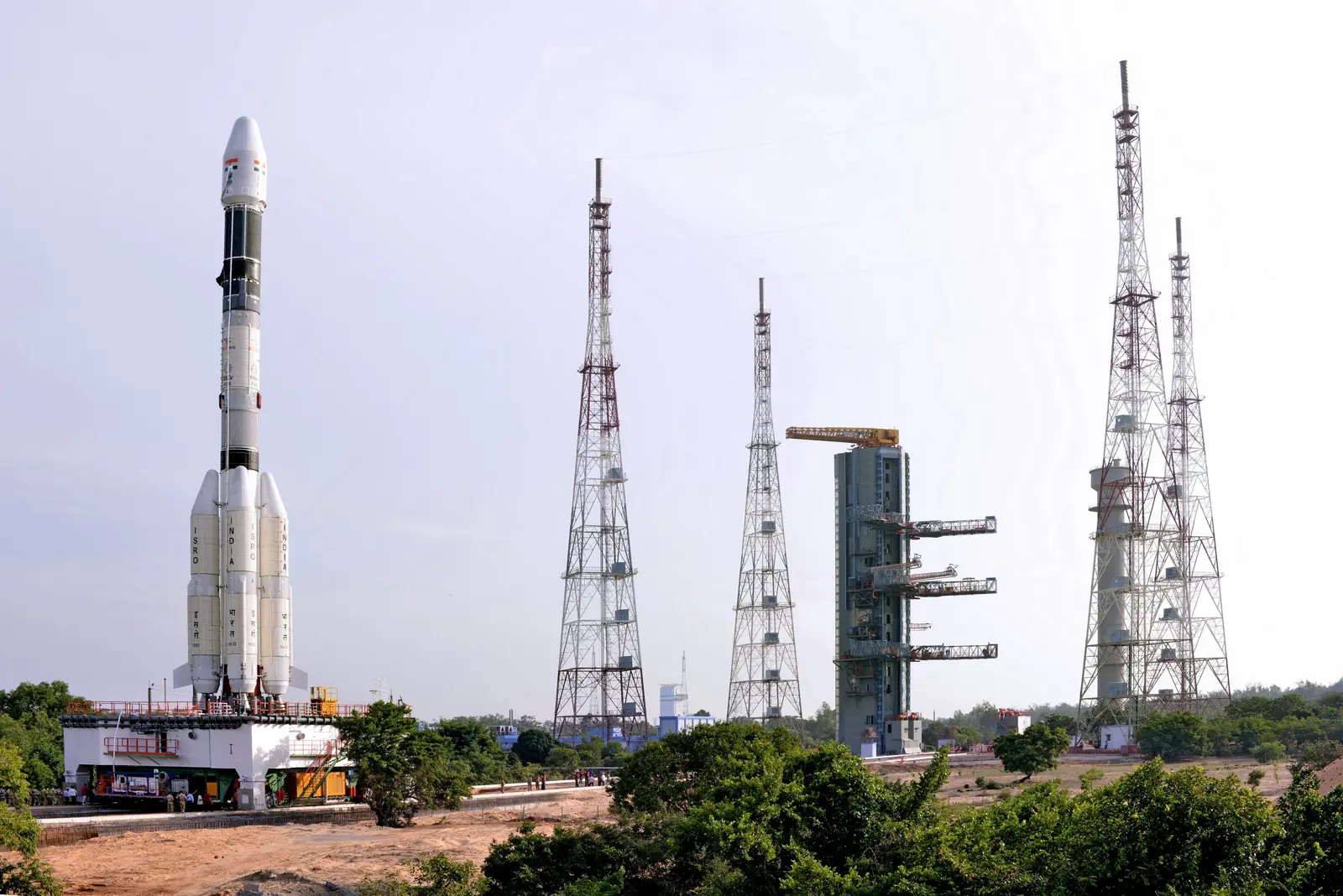
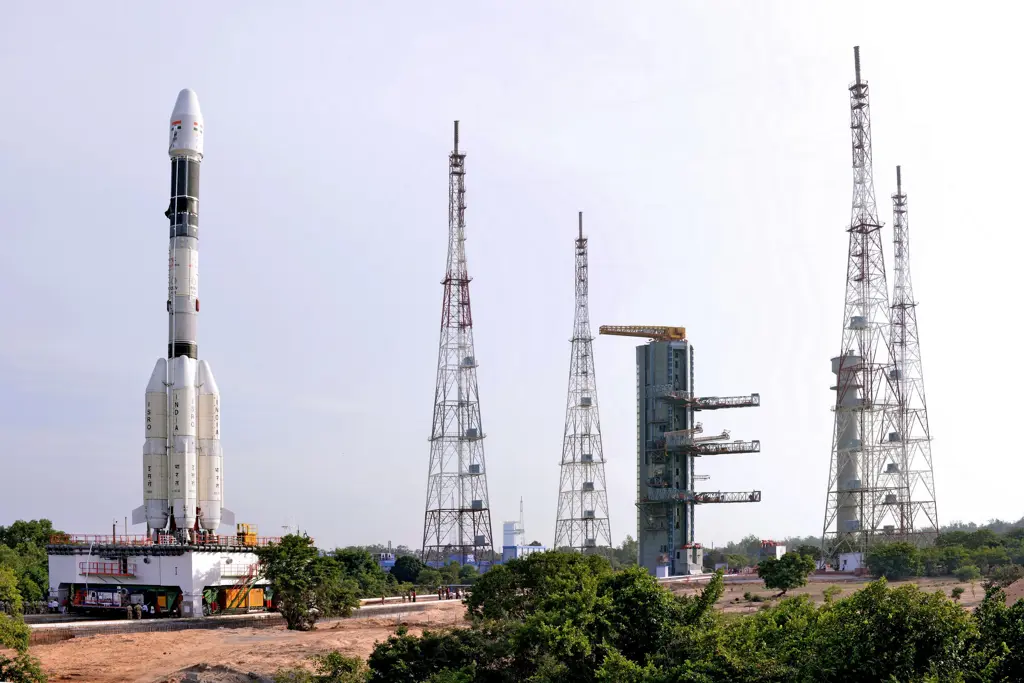
The second launch pad was built between 1999 and 2003. It became functional in 2005 and has since been used for various rockets. This launch pad supports missions by PSLV, GSLV, LVM3 rockets and is even envisioned for India's future crewed spaceflight.
Total Launches
32
Orbital Attempts
31
Fastest Turnaround
1mo 1d
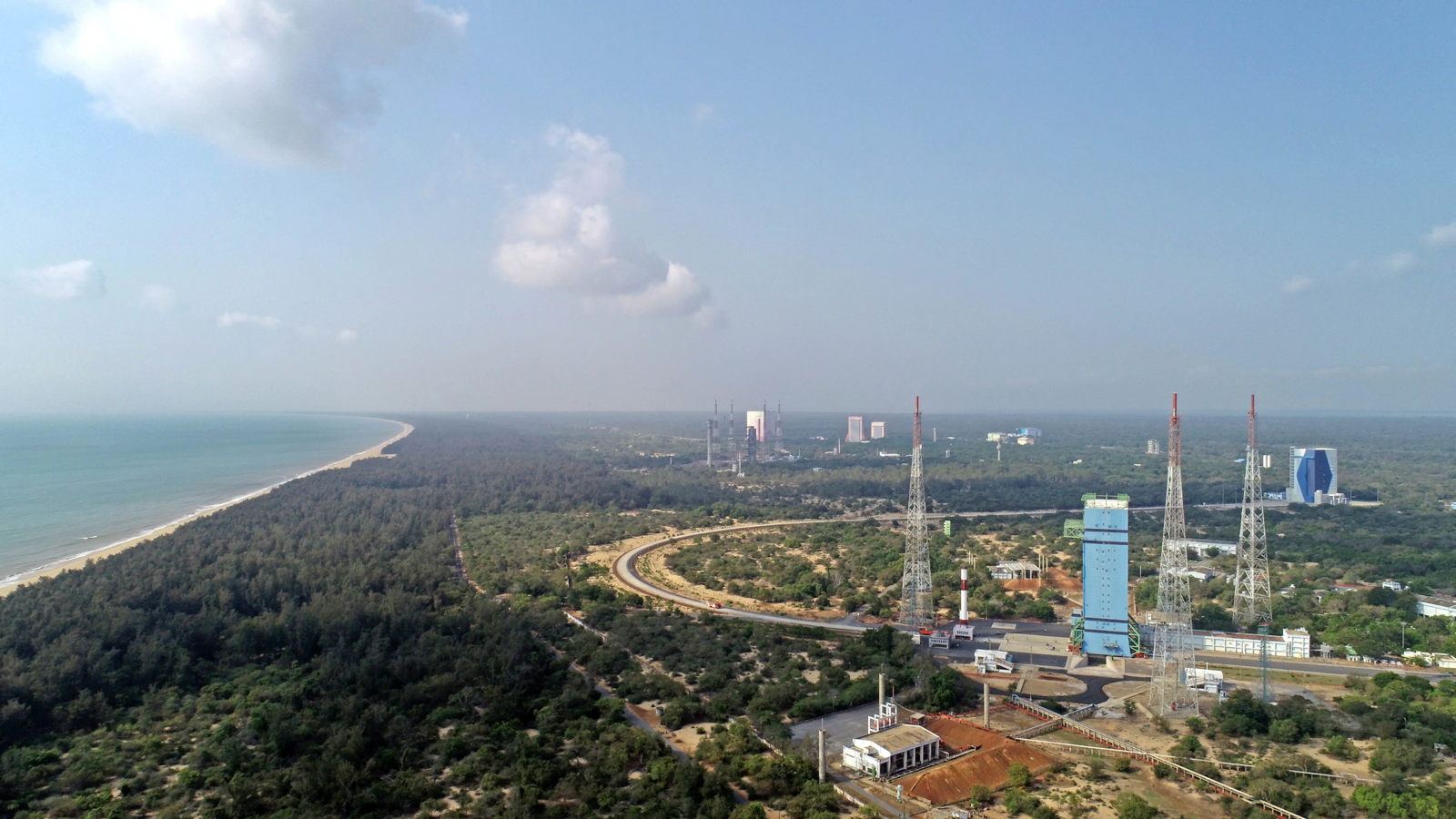
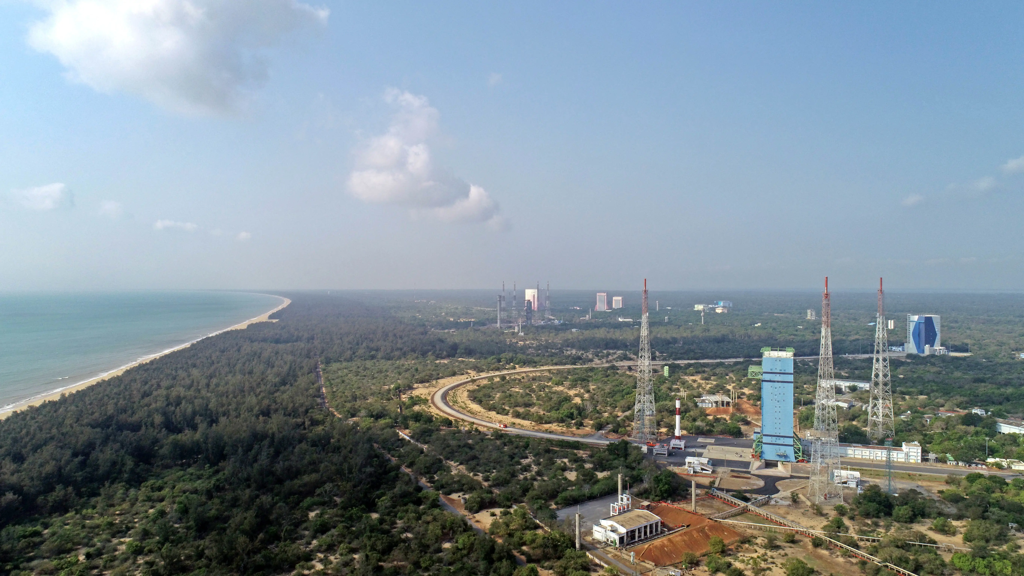
Satish Dhawan Space Centre – SDSC (formerly Sriharikota Range – SHAR),[1] is the primary spaceport of the Indian Space Research Organisation (ISRO), located in Sriharikota, Andhra Pradesh.
Timezone
Asia/Kolkata
Local Launch Time
Jul 22, 2019, 2:43 PM
Total Launches
104
Total Landings
0
Coordinates
13.7200, 80.2300