Heliophysics
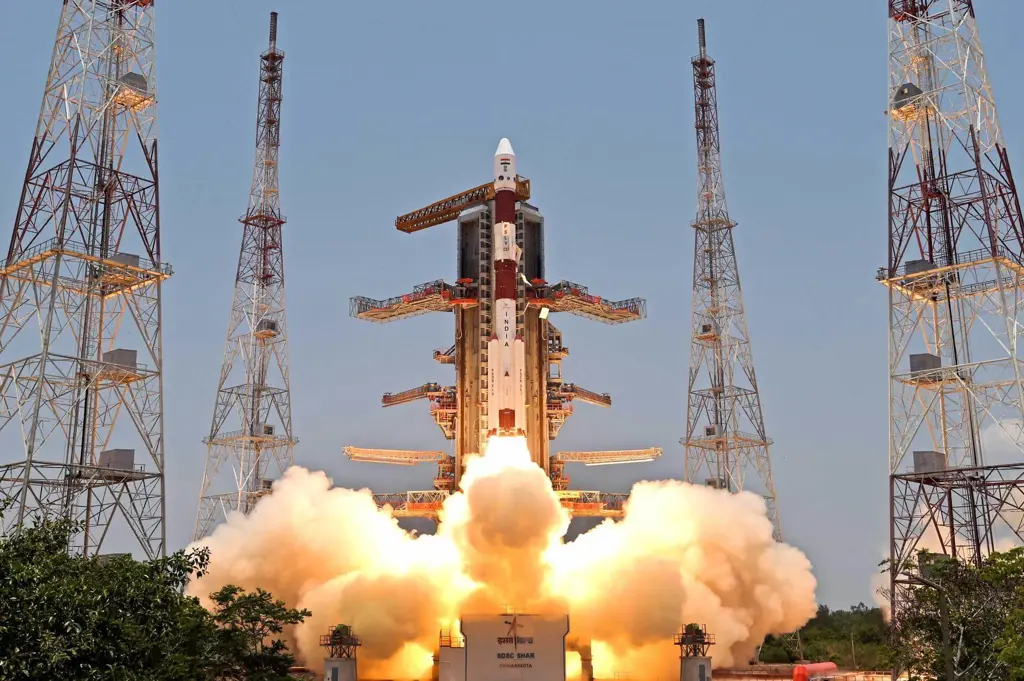
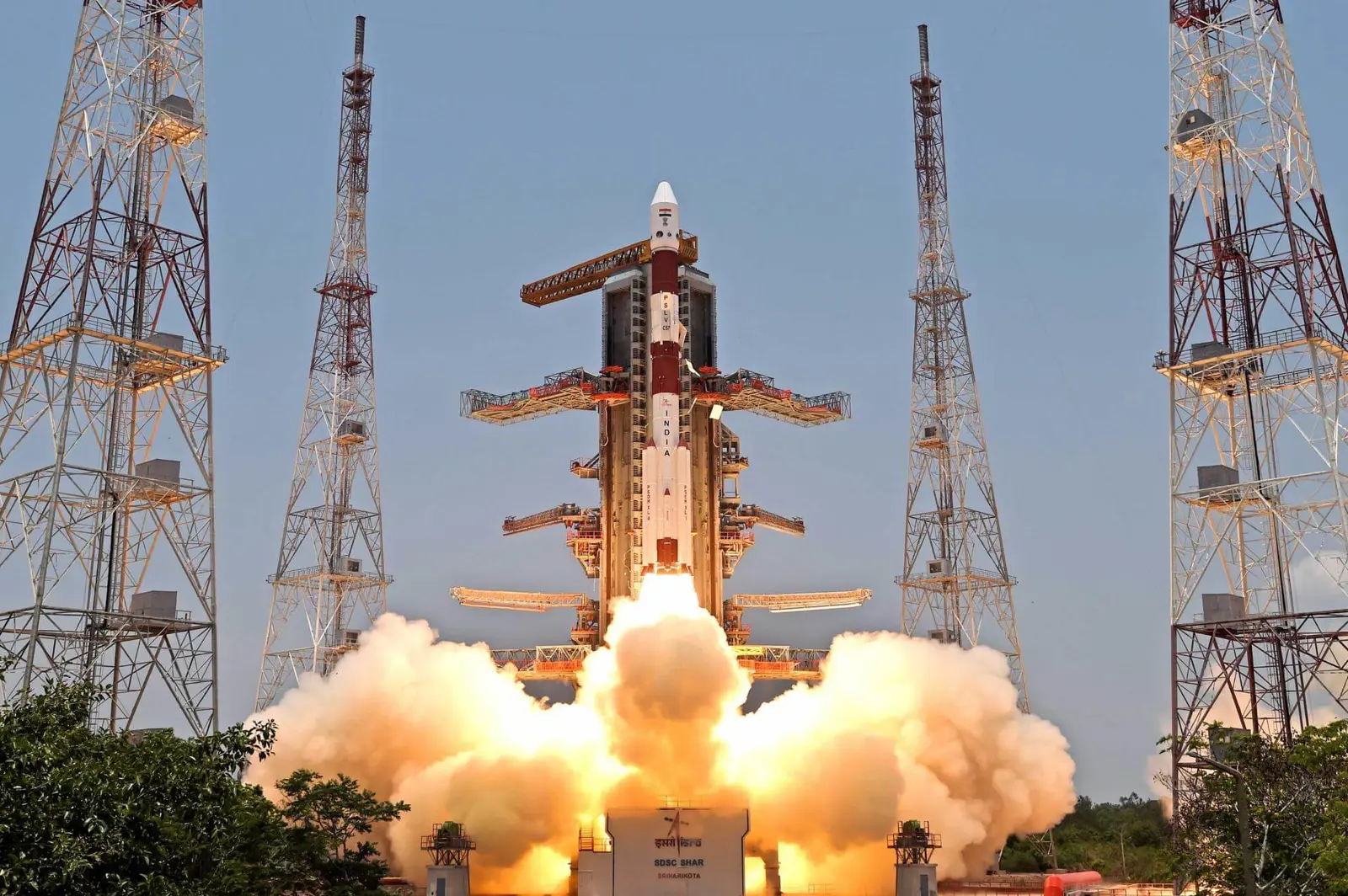
Aditya L1 is an Indian solar observation satellite to be placed at the Sun-Earth Lagrangian point L1. The major scientific objectives of the mission are to achieve a fundamental understanding of the physical processes that heat the solar corona, accelerate the solar wind and produce Coronal Mass Ejections (CMEs). Originally the mission design started as a small LEO satellite carrying only a coronagraph as a payload. In order to get the best science from the Sun, continuous viewing of the Sun is preferred. A Satellite placed in the halo orbit around the L1 Lagrangian point of the Sun-Earth system has the major advantage of continuously viewing the Sun without any occultation/ eclipses.
Orbital Attempt
#6,507
ISRO Mission
#87
Pad Launch
#27
Location Launch
#91
Designator
2023-132
Sep 2, 2023, 6:20 AM
Minute
1 update
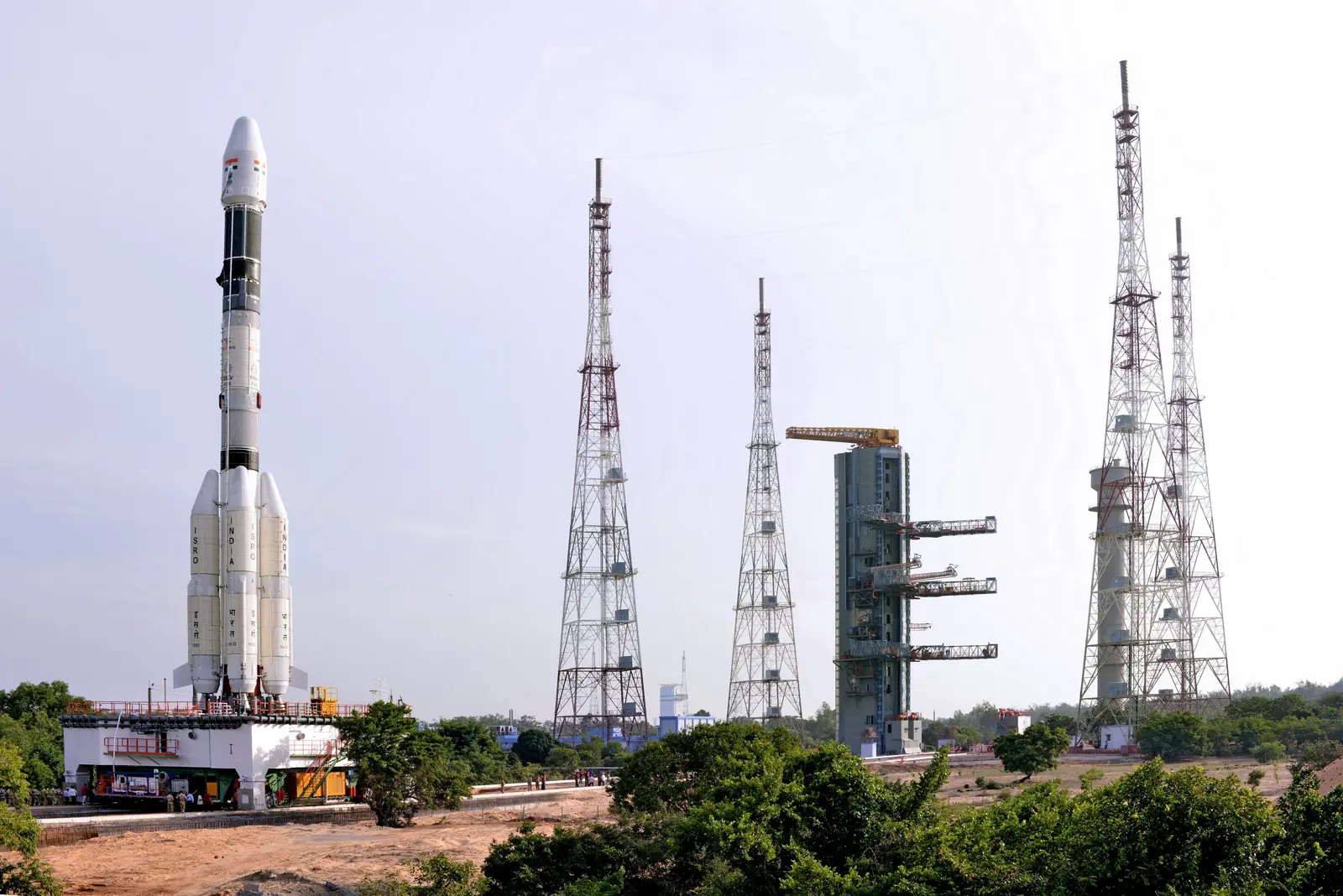
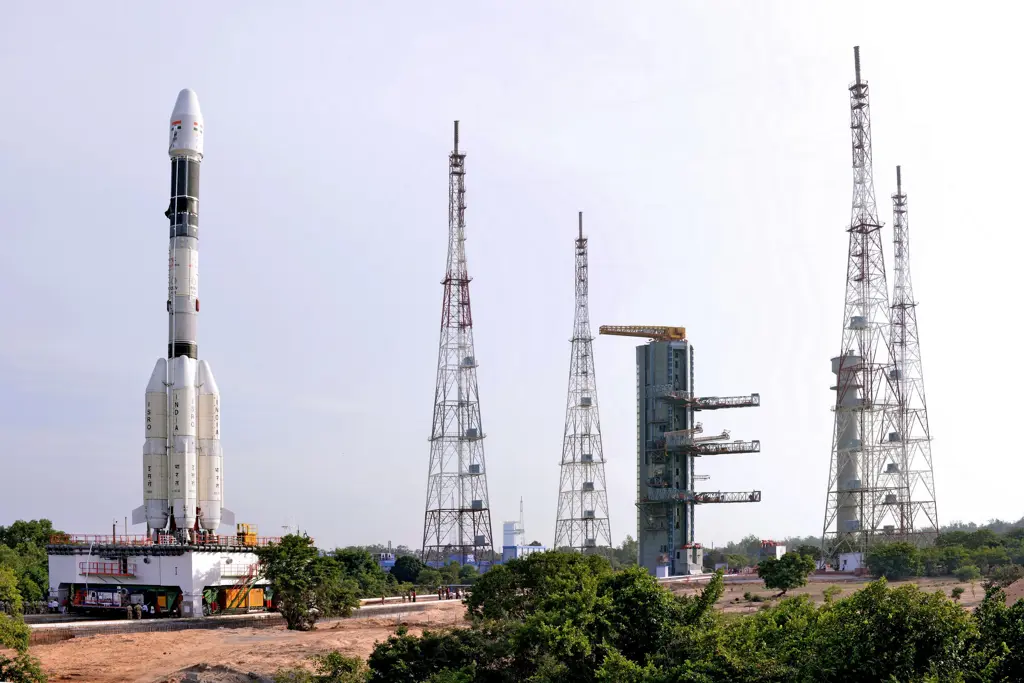
The second launch pad was built between 1999 and 2003. It became functional in 2005 and has since been used for various rockets. This launch pad supports missions by PSLV, GSLV, LVM3 rockets and is even envisioned for India's future crewed spaceflight.
Total Launches
32
Orbital Attempts
31
Fastest Turnaround
1mo 1d
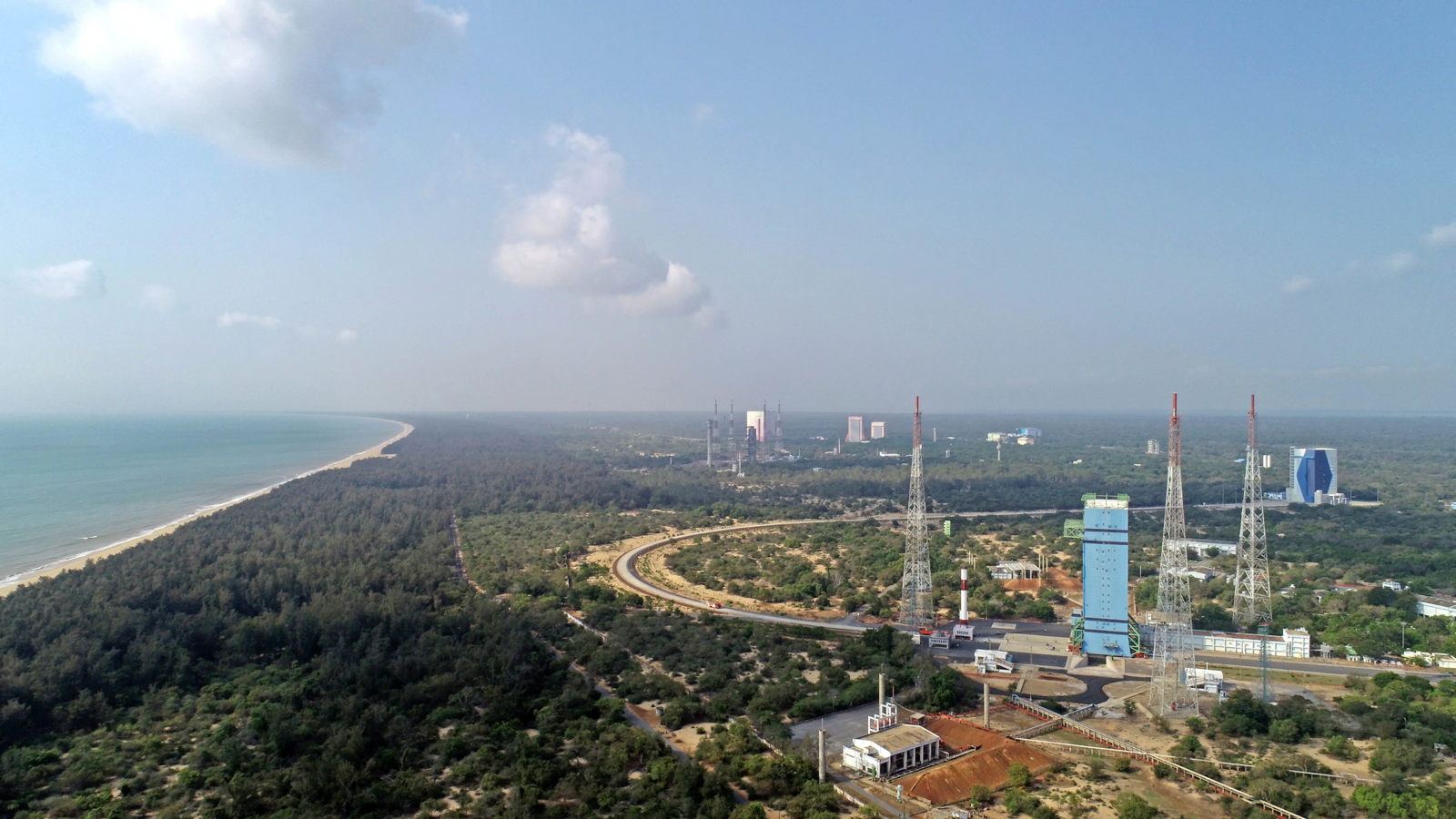
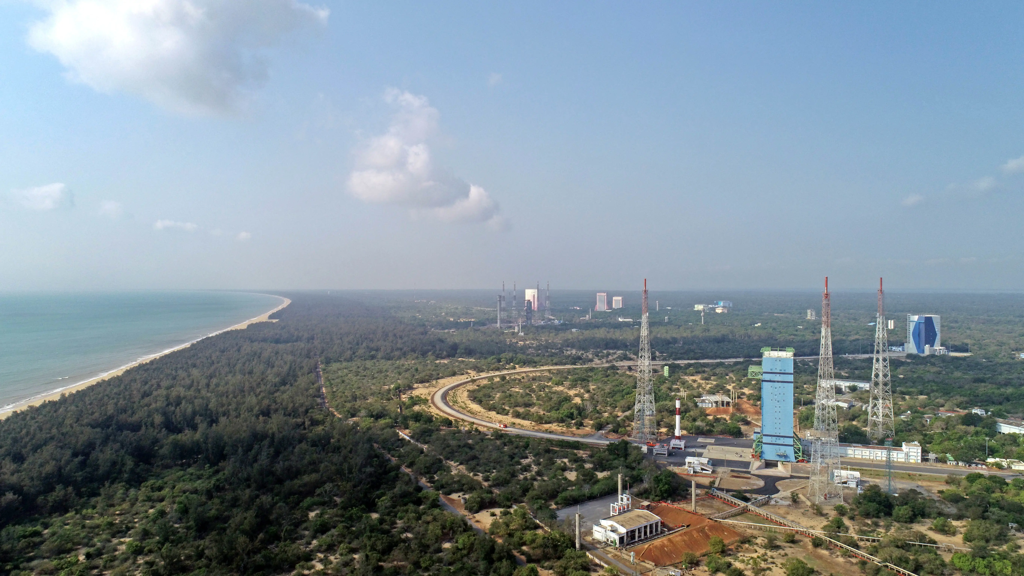
Satish Dhawan Space Centre – SDSC (formerly Sriharikota Range – SHAR),[1] is the primary spaceport of the Indian Space Research Organisation (ISRO), located in Sriharikota, Andhra Pradesh.
Timezone
Asia/Kolkata
Local Launch Time
Sep 2, 2023, 11:50 AM
Total Launches
104
Total Landings
0
Coordinates
13.7200, 80.2300