Thu, Nov 30, 2028 (your time) · Mu Center, Uchinoura Space Center, Japan
The flight timeline hasn't been published yet. Its planned steps from liftoff will appear here once it is.
If a broadcast is added, it plays on this page and switches to live on its own.
About SOLAR-C
SOLAR-C is a Japan-led international mission with the cooperation by the US and European countries. It aims to gain new insights into the fundamental physical mechanisms driving solar plasma dynamics by performing three simultaneous UV observations. The first consists to observe the broad range of temperatures, spanning over three orders of magnitude from the 10,000 Kelvin chromosphere to the million Kelvin corona, and even to the 15 million Kelvin solar flares. The second consists to resolve the elemental structures at high spatial (0.4 arcsec) and temporal (1 sec) resolution and trace their evolutions by increasing the ability to collect the solar UV rays 10 to 30 times as much as before. The third consists to conduct a high dispersion spectroscopy (equivalent to a velocity resolution of 2 km/s) to obtain spectroscopic information that enables quantitative diagnostics (such as velocity, temperature, density, ionization degree, and abundance). By combining the three observations, SOLAR-C can analyze the dynamically evolving solar atmospheres over a wide altitude range from the chromosphere to the corona while resolving elemental structures.
Orbital Attempt
#7,687
JAXA Mission
#39
Pad Launch
#38
Location Launch
#45
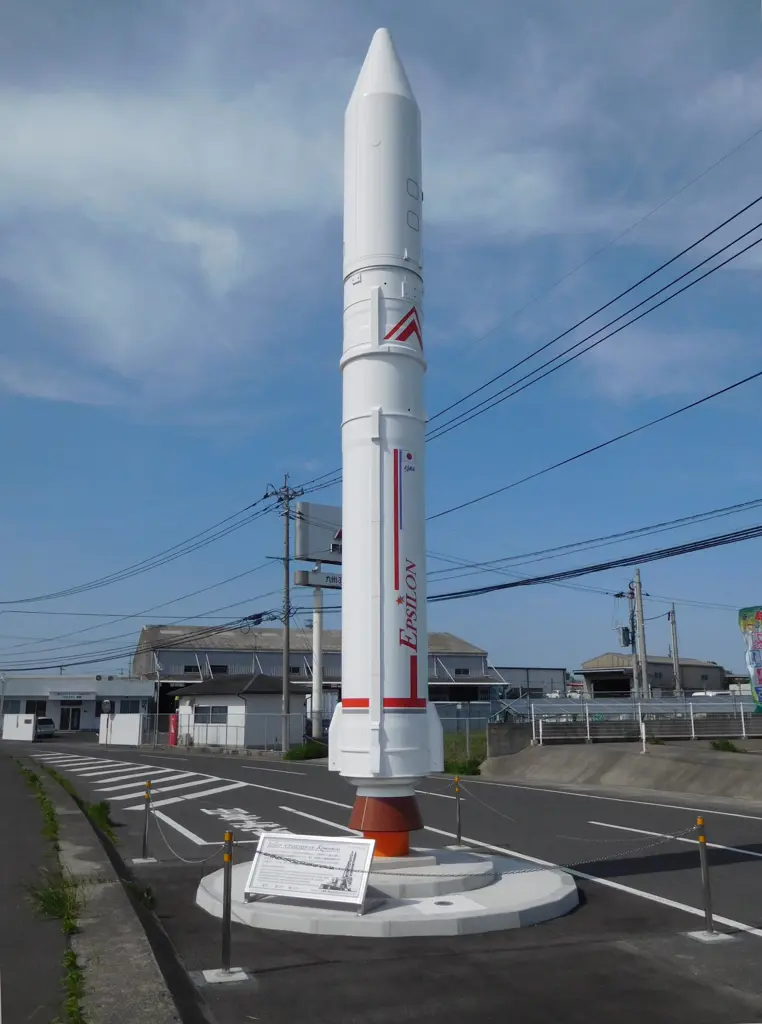
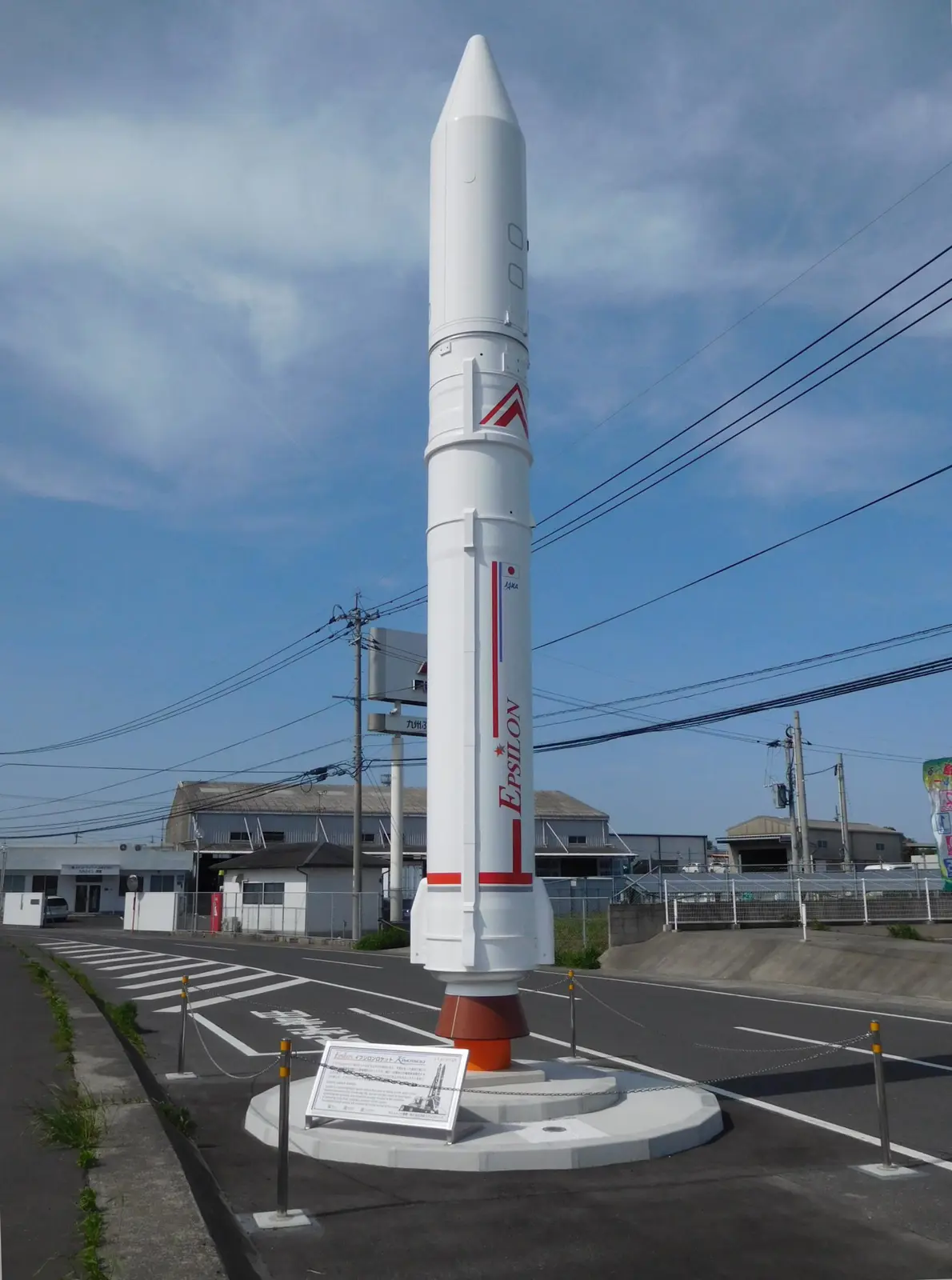
The Epsilon S rocket is a Japanese solid-fuel rocket designed to launch scientific satellites. It is a follow-on project to the larger and more expensive M-V rocket which was retired in 2006. The Japan Aerospace Exploration Agency (JAXA) began developing the Epsilon in 2007. The first stage is based on SRB-3, the strap-on solid-rocket booster of H3
Length
24.4 m
Diameter
2.5 m
Launch Mass
91 t
Thrust
2,158 kN
Capacity
600 kg
Launch Cost
$39M
Reusable
No
Maiden Flight
2013
Total Launches
0
Successful
0
Failed
0
Consecutive Success
0
Maiden flight: Sep 14, 2013

The Japan Aerospace Exploration Agency (JAXA) is Japan's national aero-space agency. Through the merger of three previously independent organizations, JAXA was formed on 1 October 2003. JAXA is responsible for research, technology development and the launch of satellites into orbit, and is involved in many more advanced missions, such as asteroid exploration and possible manned exploration of the Moon. JAXA launch their Epsilon vehicle from the Uchinoura Space Center and their H-II vehicles from the Tanegashima Space Center.
Founded
2003
Administrator
Administrator: Hiroshi Yamakawa
Total Launches
37
Successful
33
Failed
4
Pending
2
Consecutive Success
2
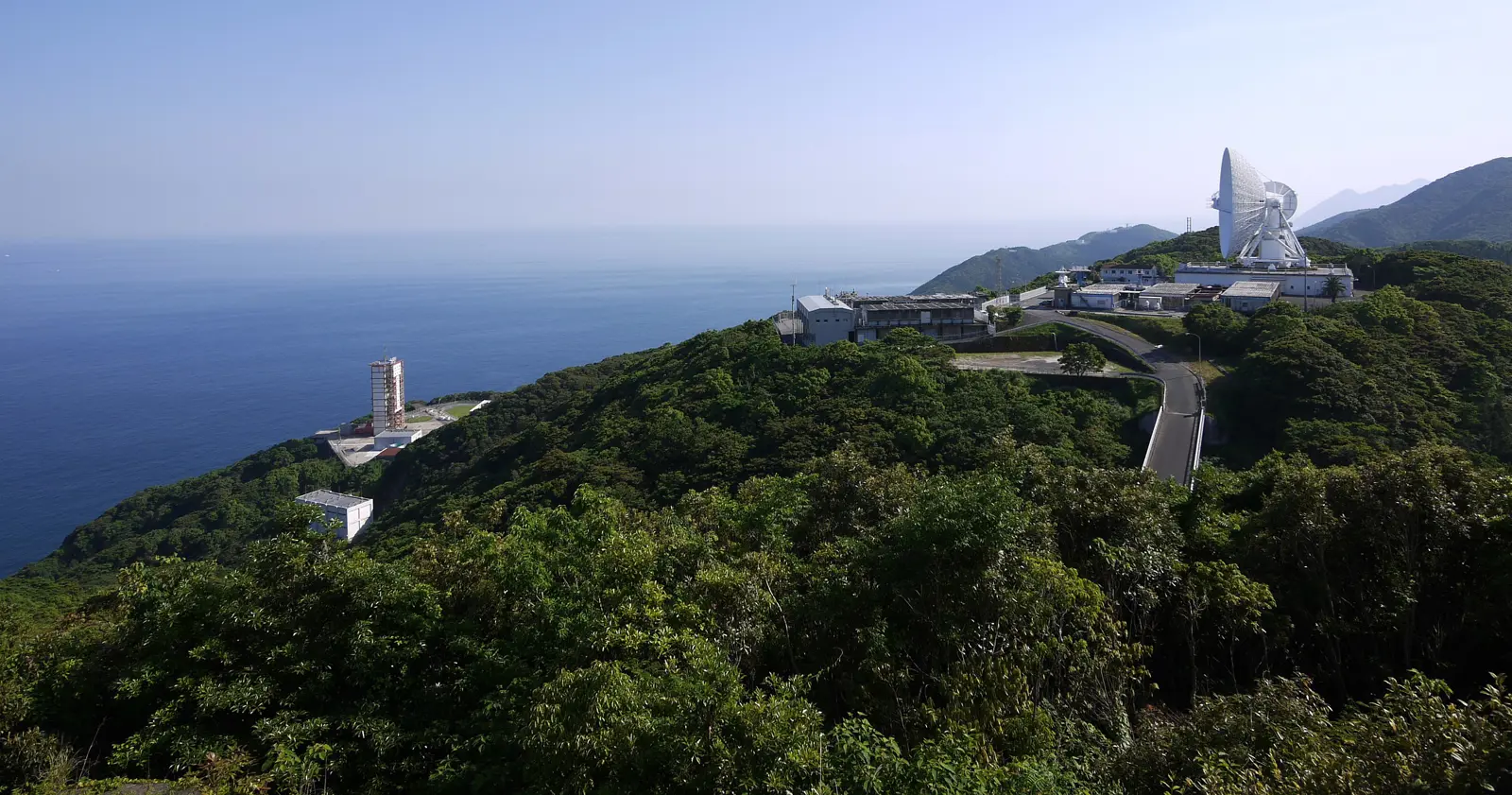
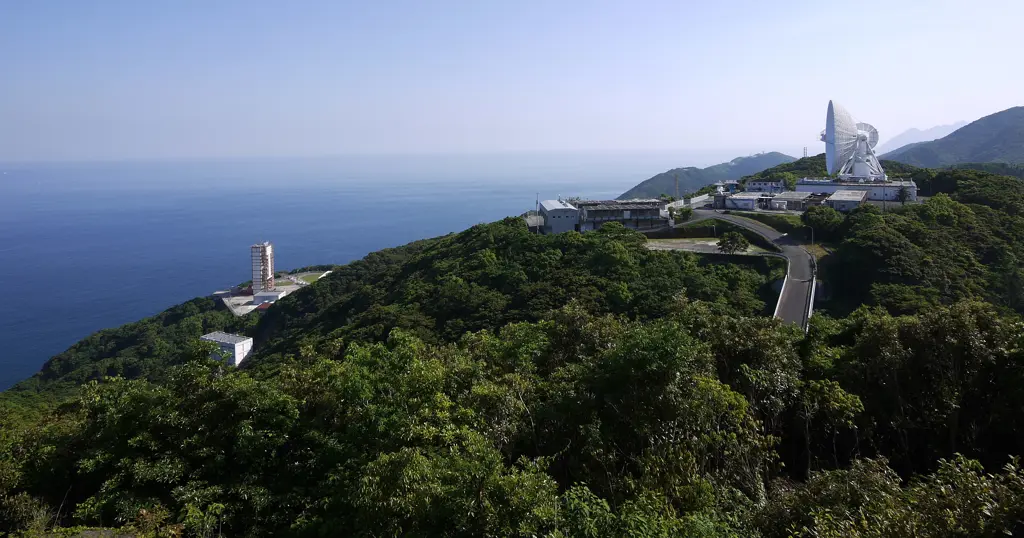
The Uchinoura Space Center is a space launch facility in the Japanese town of Kimotsuki, Kagoshima Prefecture. All of Japan's scientific satellites were launched from Uchinoura prior to the M-V launch vehicles being decommissioned in 2006. It continues to be used for suborbital launches, stratospheric balloons and has also been used for the Epsilon orbital launch vehicle. Additionally, the center has antennas for communication with interplanetary space probes.
Timezone
Asia/Tokyo
Local Launch Time
Nov 30, 2028, 9:00 AM
Total Launches
43
Total Landings
0
Coordinates
31.2519, 131.0819
Nov 30, 2028, 12:00 AM
Month
1 update
Adding launch NET November 2028
Source