Earth Science
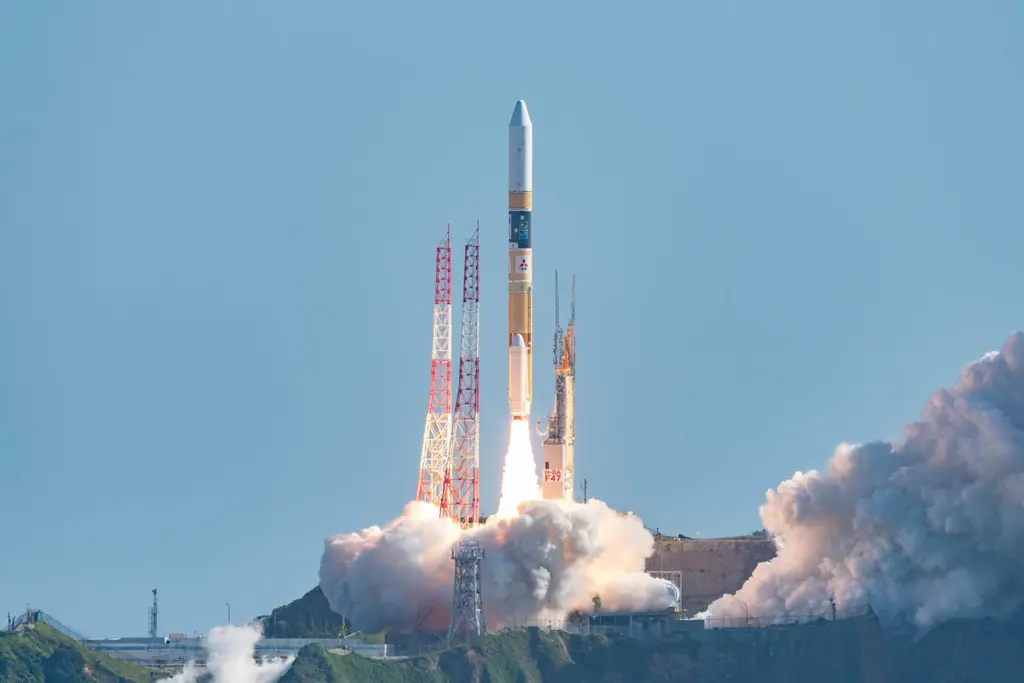
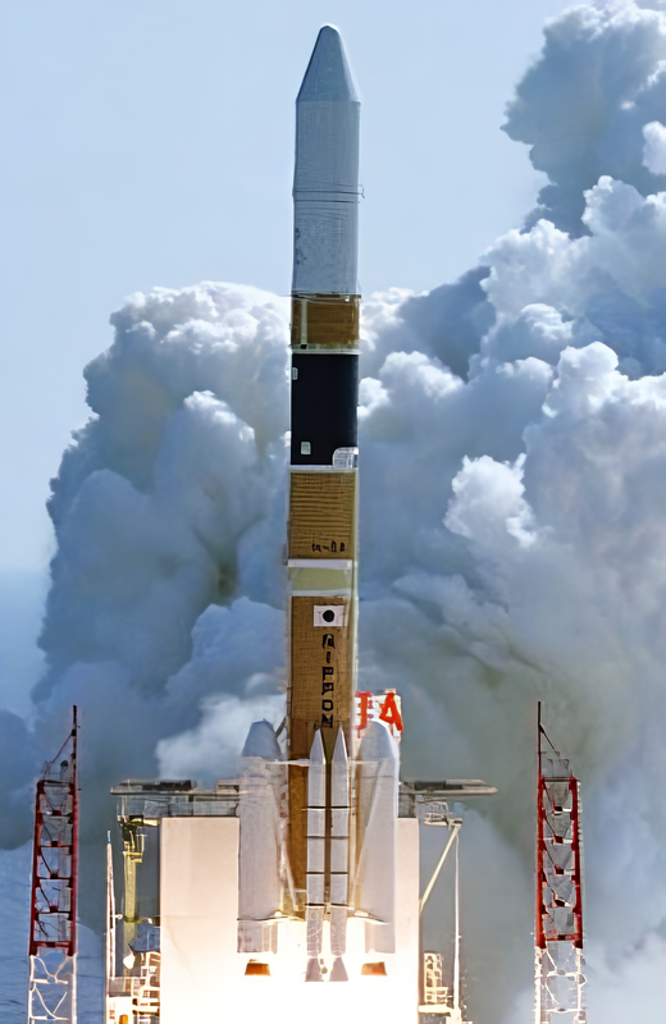
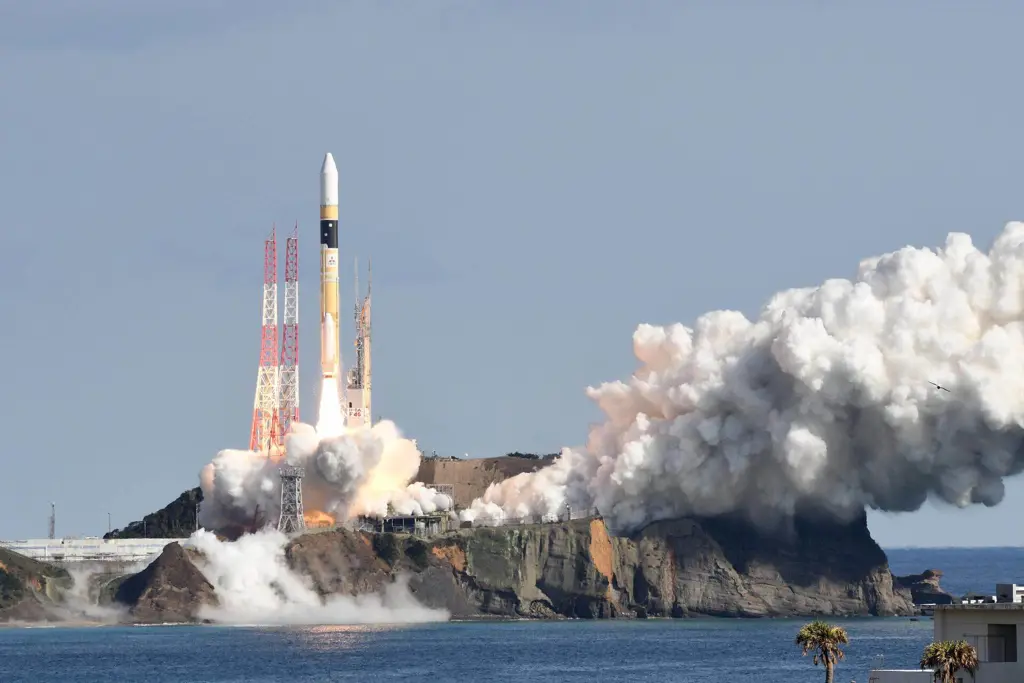
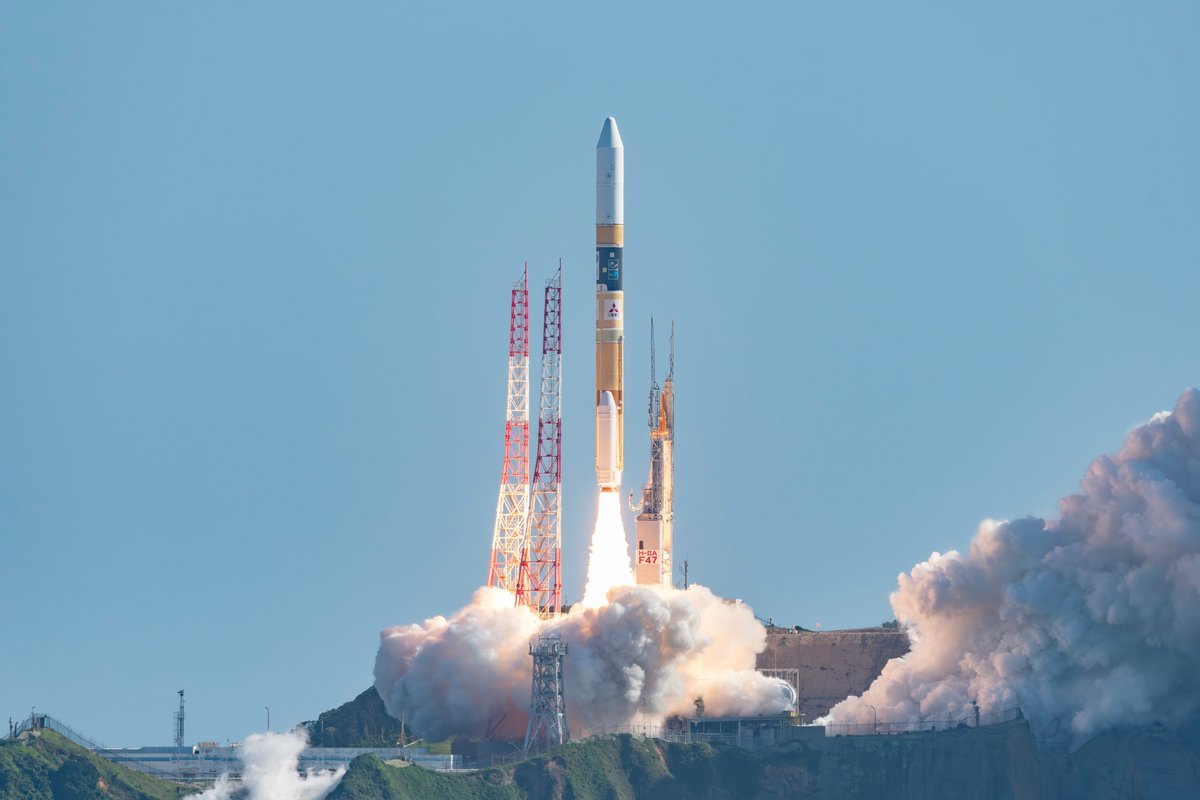
GOSAT-GW (Greenhouse Gases Observing Satellite Greenhouse gases and Water cycle), also known as Ibuki GW and formerly known as GOSAT 3, is JAXA's next generation satellite to monitor the greenhosue gases like carbon dioxide in the Earth's atmosphere. It is the follow on to the GOSAT 2 (Ibuki 2) and GCOM-W (Shizuku) missions. GOSAT-GW will have two missions: greenhouse gases observation for Japan's Ministry of the Environment and the National Institute for Environmental Studies (NIES), and water-cycle observation for JAXA. By developing the GOSAT-GW satellite, Mitsubishi Electric will contribute to measures for preventing disasters attributed to global warming and climate change, and to advance scientific and technological methods that enable more accurate prediction of climate change. In December 2013, Mitsubishi Electric (MELCO) was selected as the prime contractor for the spacecraft and the instruments.
Orbital Attempt
#6,994
JAXA Mission
#37
Pad Launch
#57
Location Launch
#95
Designator
2025-141
Jun 28, 2025, 4:33 PM
Second
1 update
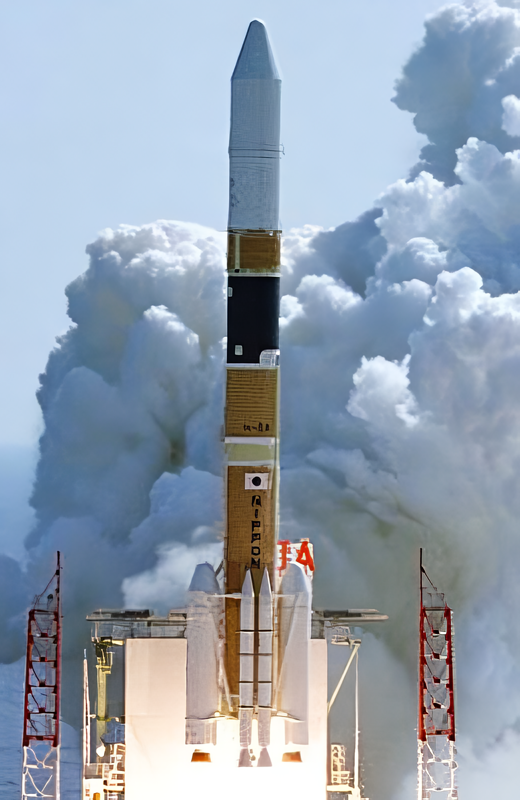
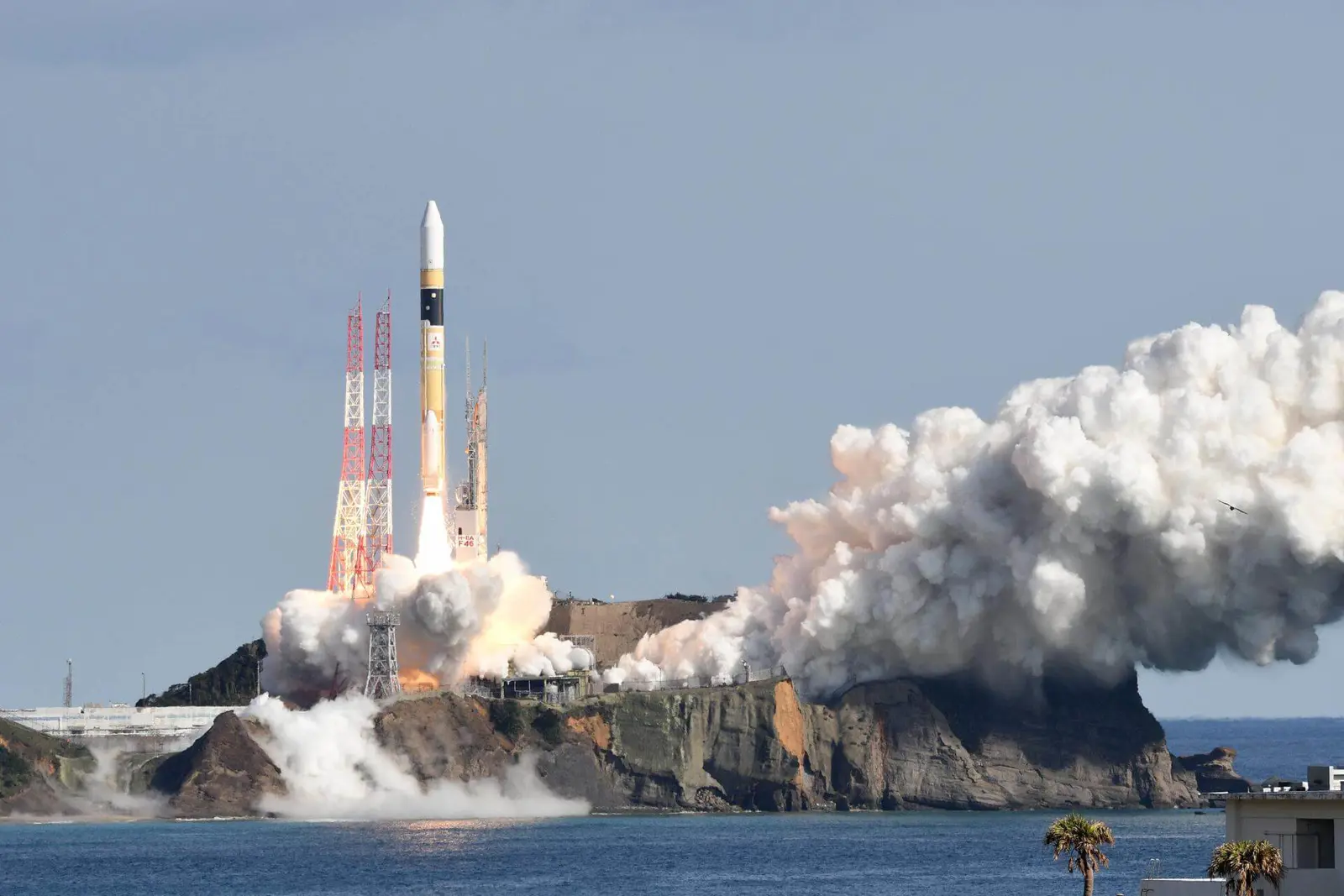
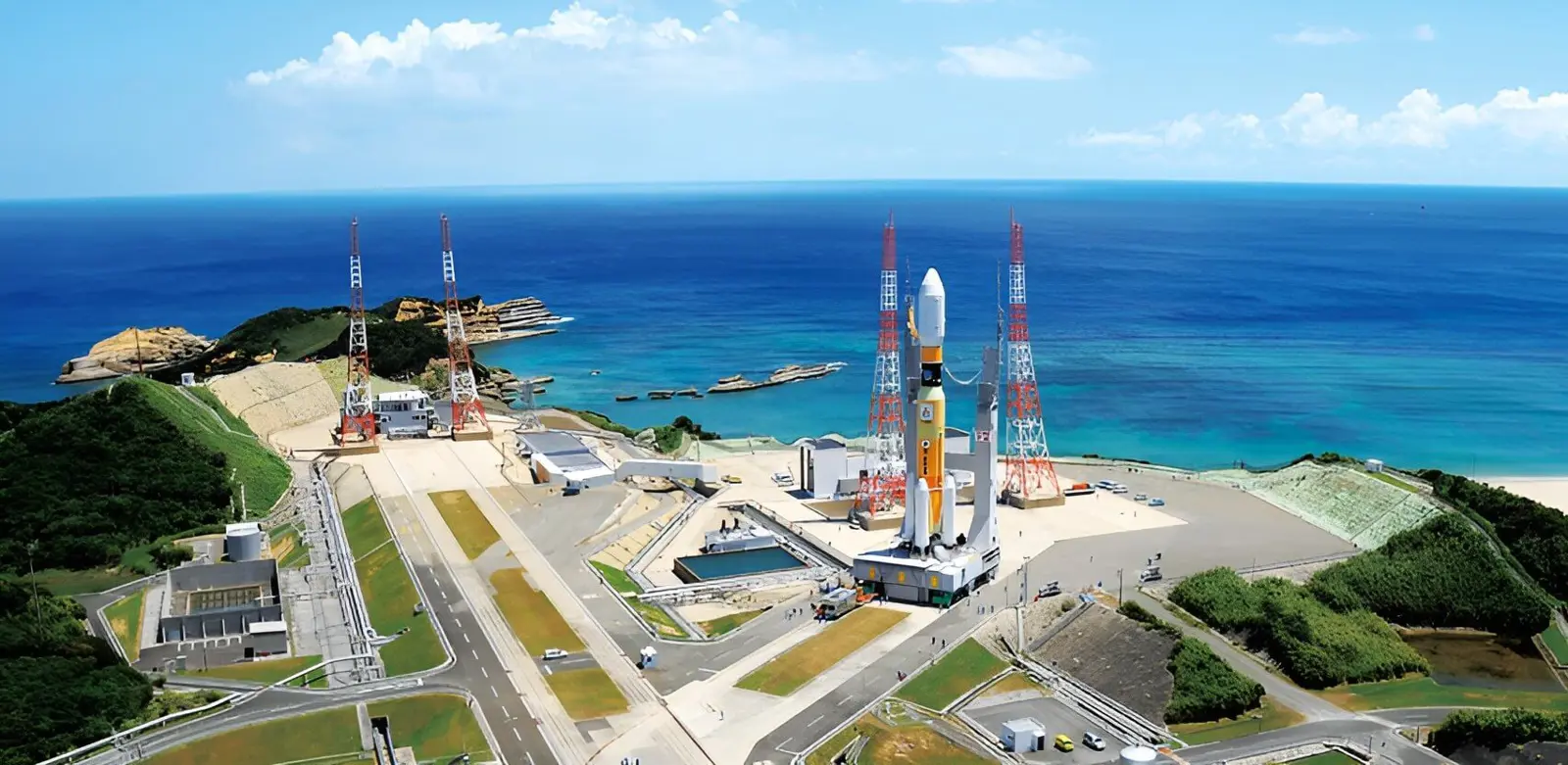
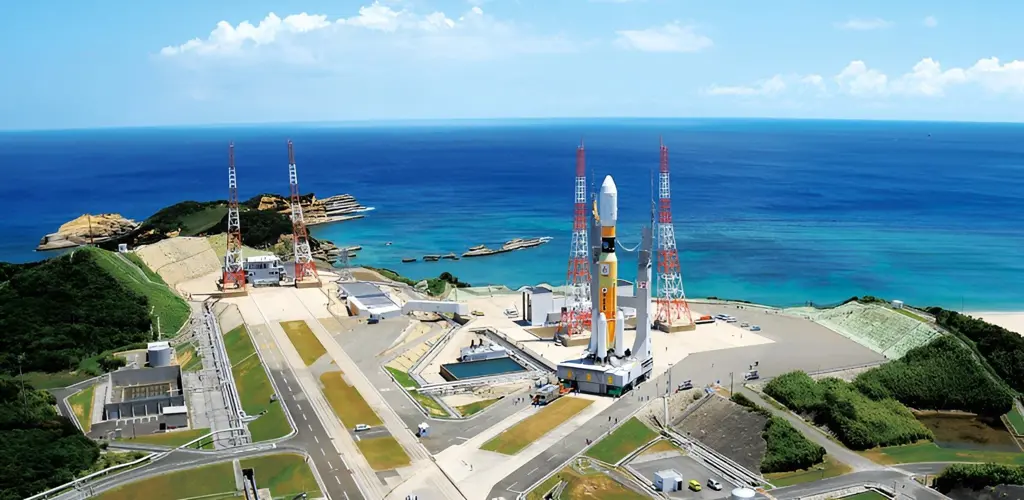
The Tanegashima Space Center is the largest rocket-launch complex in Japan. It is located on the southeastern tip of Tanegashima, an island located south of Kyushu, an island and region and Japan. It was established in 1969 when the National Space Development Agency of Japan (NASDA) was formed, and is now run by JAXA. The activities that take place at TNSC include assembly, testing, launching, and tracking satellites, as well as rocket engine firing tests.
Timezone
Asia/Tokyo
Local Launch Time
Jun 29, 2025, 1:33 AM
Total Launches
99
Total Landings
0
Coordinates
30.4000, 130.9700