Planetary Science
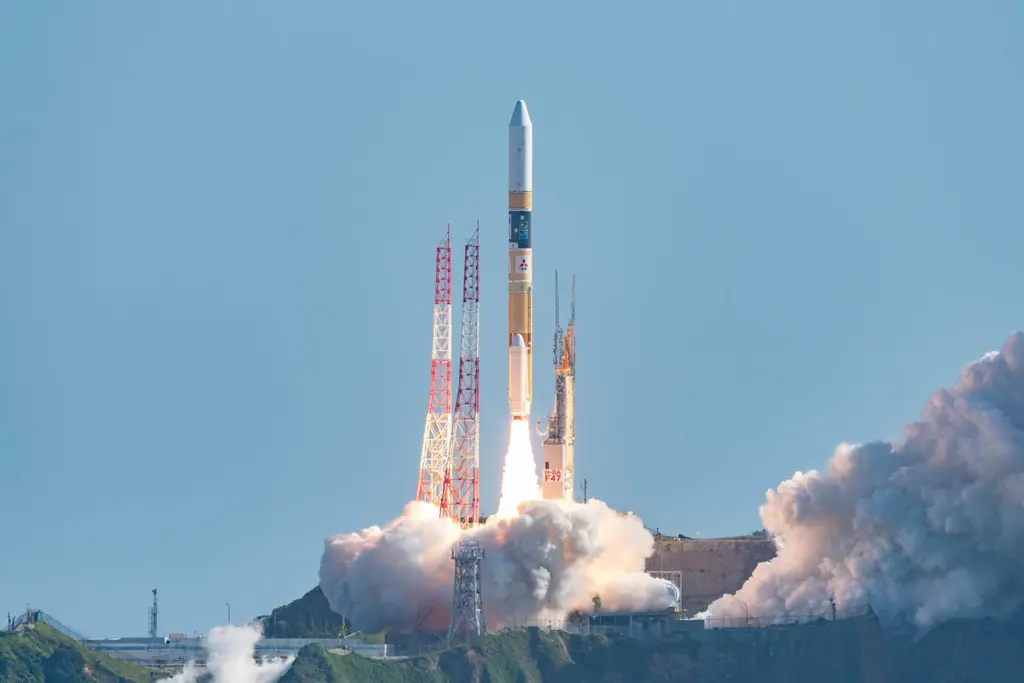
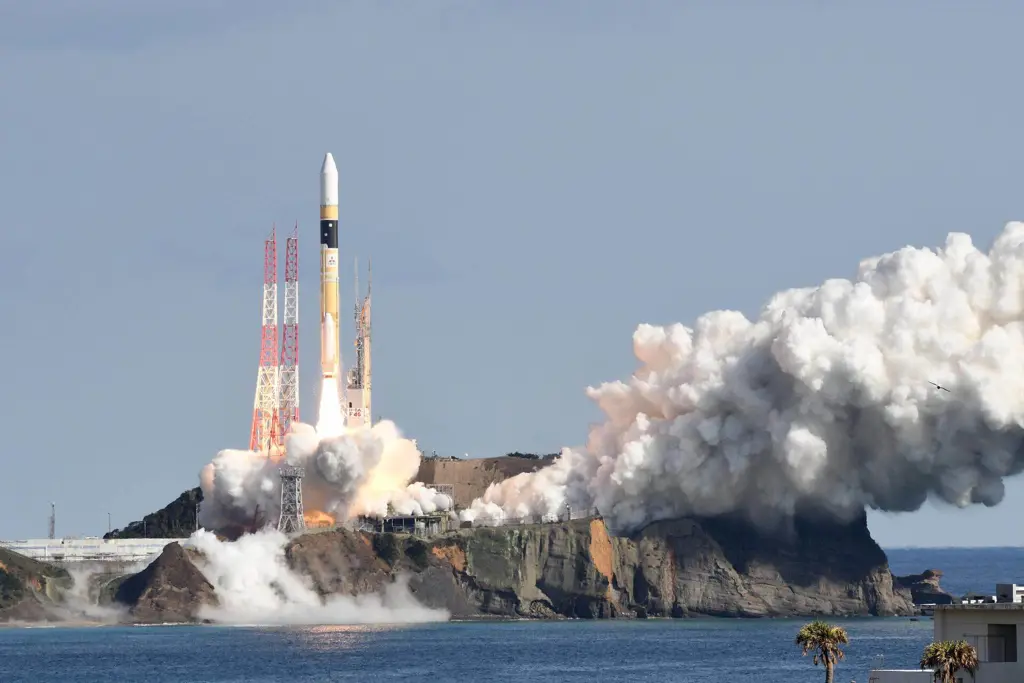
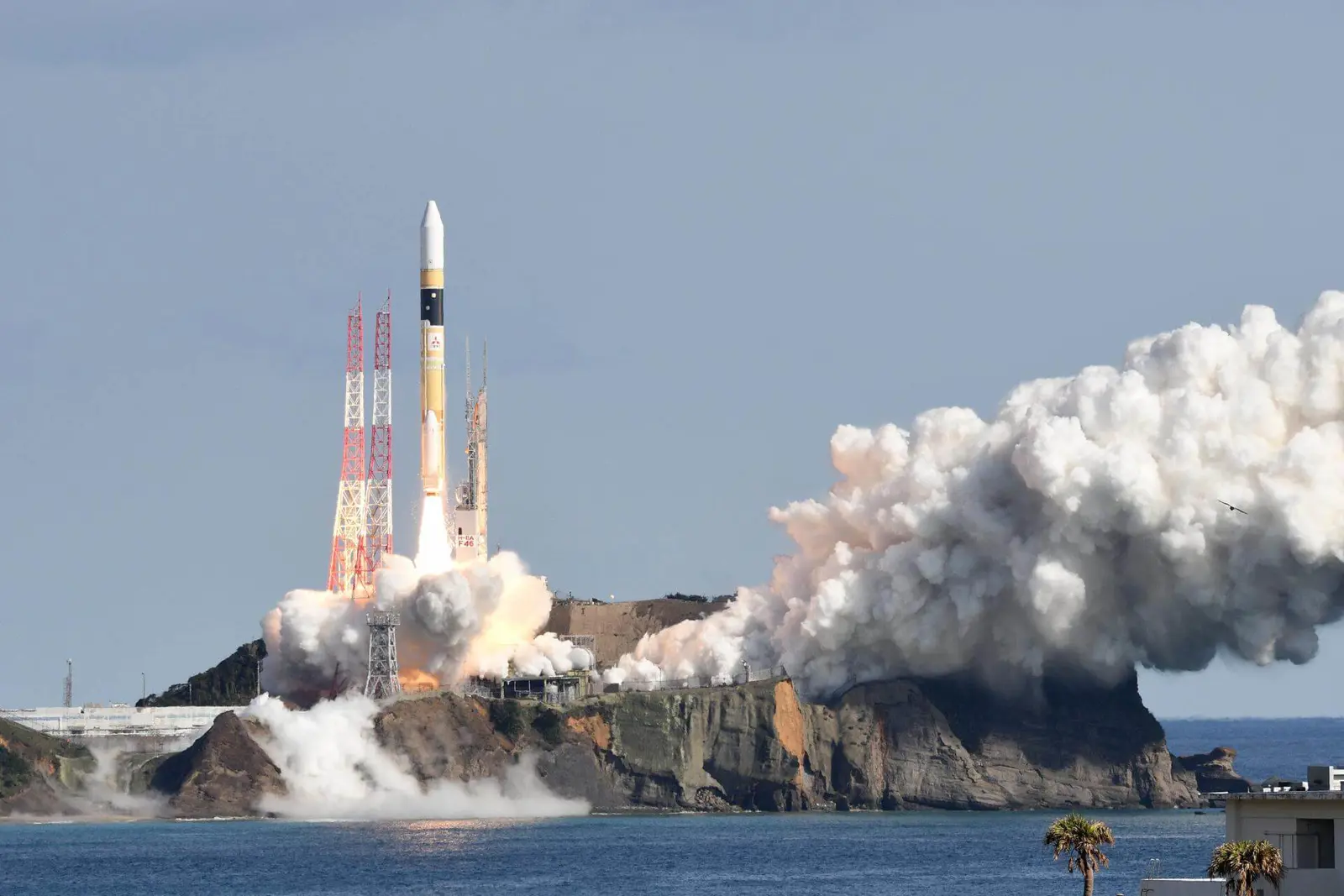
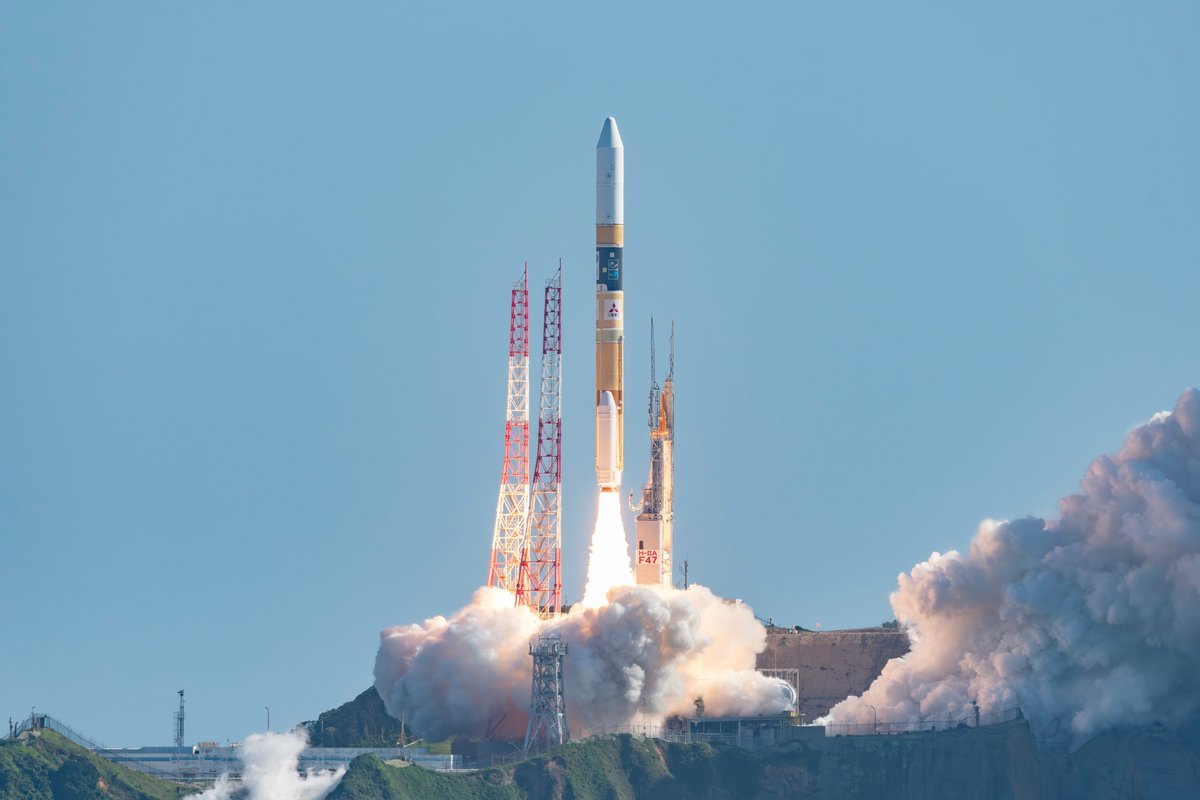
The H-IIA Launch Vehicle No.1 (H-IIA/F1) was launched at 4:00 p.m. on August 29, 2001, Japan Standard Time, from Tanegashima Space Center. The launch vehicle was successfully lifted off with its flight azimuth of 90 degrees. The H-IIA Launch Vehicle No.1 flied normally, and the second stage was successfully injected into the geostationary transfer orbit. The separation of the Laser Ranging Equipment (LRE) was confirmed about 39 minutes and 47 seconds after the lift-off.
Orbital Attempt
#4,490
JAXA Mission
#8
Pad Launch
#8
Location Launch
#32
Designator
2001-038
Aug 29, 2001, 7:00 AM
1 update
H-IIA (H2A) is an active expendable launch system operated by Mitsubishi Heavy Industries (MHI) for the Japan Aerospace Exploration Agency. The liquid-fueled H-IIA rockets have been used to launch satellites into geostationary orbit, to launch a lunar orbiting spacecraft, and to launch Akatsuki, which studied the planet Venus. Launches occur at the Tanegashima Space Center.
Length
53 m
Diameter
4 m
Launch Mass
285 t
Thrust
2,260 kN
LEO Capacity
10,000 kg
GTO Capacity
4,100 kg
Launch Cost
$90M
Reusable
No
Maiden Flight
2001
Fastest Turnaround
1mo 23d
Total Launches
35
Successful
35
Failed
0
Consecutive Success
35
Maiden flight: Aug 29, 2001
The Japan Aerospace Exploration Agency (JAXA) is Japan's national aero-space agency. Through the merger of three previously independent organizations, JAXA was formed on 1 October 2003. JAXA is responsible for research, technology development and the launch of satellites into orbit, and is involved in many more advanced missions, such as asteroid exploration and possible manned exploration of the Moon. JAXA launch their Epsilon vehicle from the Uchinoura Space Center and their H-II vehicles from the Tanegashima Space Center.
Founded
2003
Administrator
Administrator: Hiroshi Yamakawa
Total Launches
37
Successful
33
Failed
4
Pending
2
Consecutive Success
2
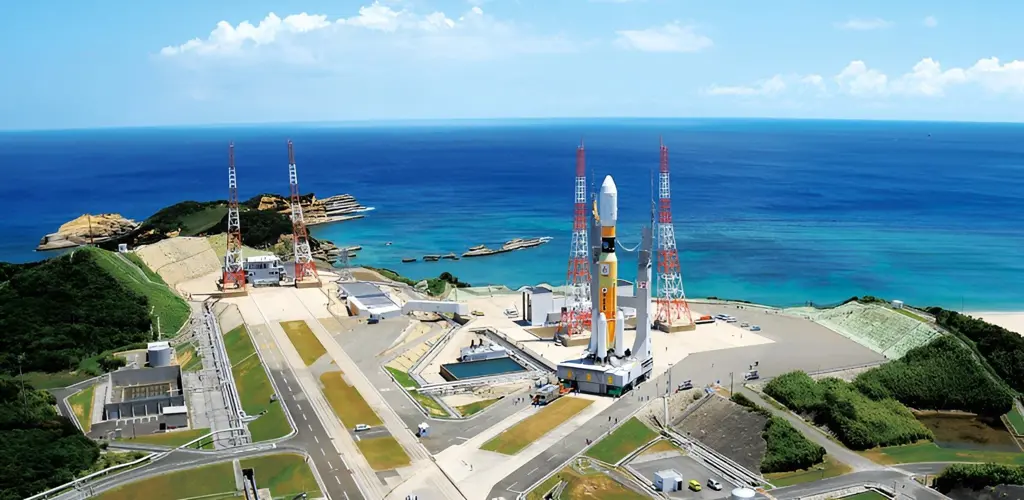
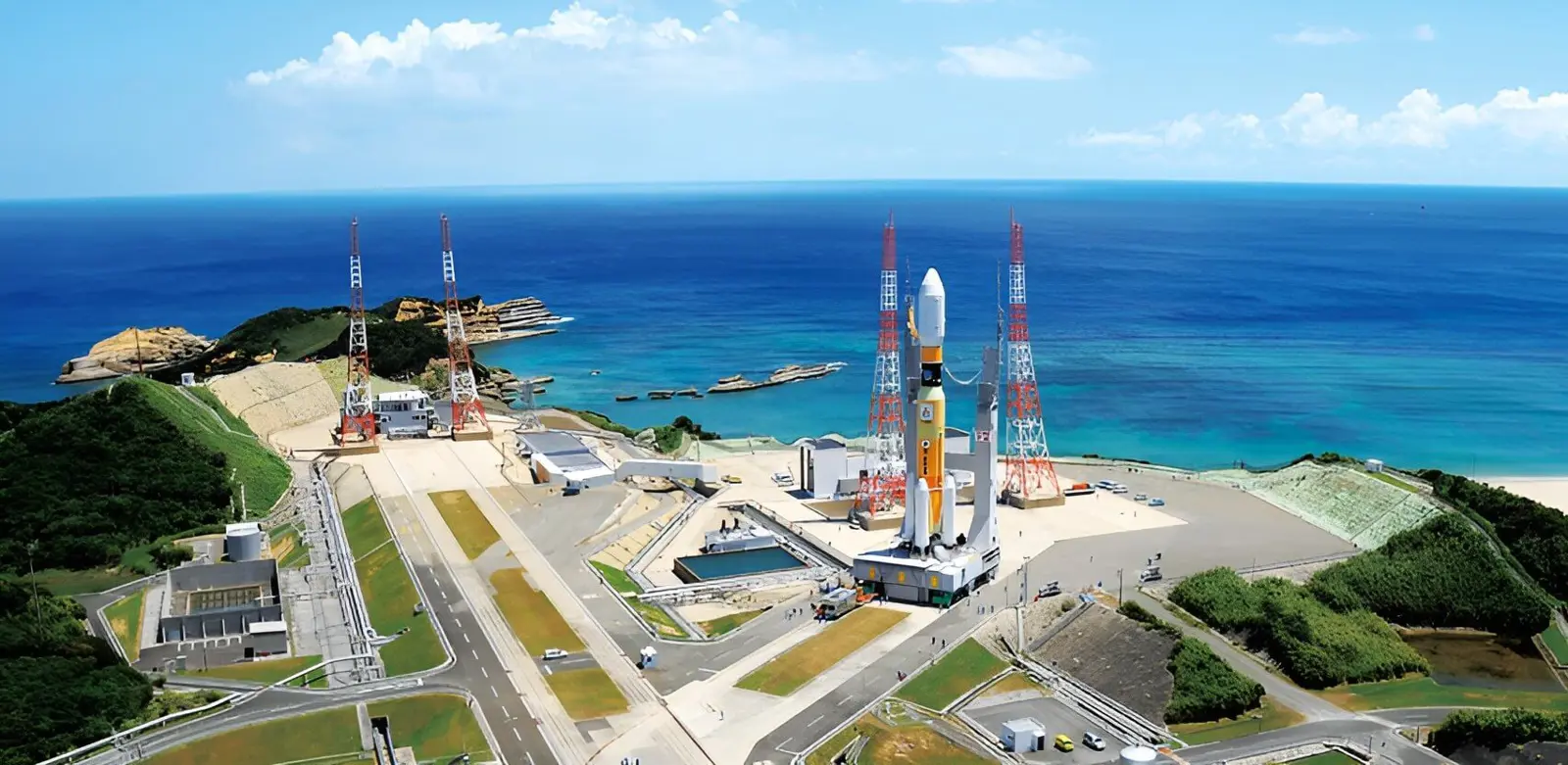
The Tanegashima Space Center is the largest rocket-launch complex in Japan. It is located on the southeastern tip of Tanegashima, an island located south of Kyushu, an island and region and Japan. It was established in 1969 when the National Space Development Agency of Japan (NASDA) was formed, and is now run by JAXA. The activities that take place at TNSC include assembly, testing, launching, and tracking satellites, as well as rocket engine firing tests.
Timezone
Asia/Tokyo
Local Launch Time
Aug 29, 2001, 4:00 PM
Total Launches
97
Total Landings
0
Coordinates
30.4000, 130.9700