About TRICOM-1
TRICOM-1 is an experimental 3U cubsat build by University of Tokyo. It is equipped with 5 small cameras for Earth imaging purposes, and is also tasked with storing and transmitting data between ground terminals.
Orbital Attempt
#5,619
JAXA Mission
#29
Pad Launch
#6
Location Launch
#38
The fourth configuration of SS-520. It would have been the smallest and lightest vehicle to put something into orbit, but it lost telemetry and was told to abort, falling into the ocean.
Length
9.7 m
Diameter
0.5 m
Launch Mass
3 t
Capacity
4 kg
Reusable
No
Maiden Flight
2017
Total Launches
1
Successful
0
Failed
1
Consecutive Success
0
Maiden flight: Jan 14, 2017

The Japan Aerospace Exploration Agency (JAXA) is Japan's national aero-space agency. Through the merger of three previously independent organizations, JAXA was formed on 1 October 2003. JAXA is responsible for research, technology development and the launch of satellites into orbit, and is involved in many more advanced missions, such as asteroid exploration and possible manned exploration of the Moon. JAXA launch their Epsilon vehicle from the Uchinoura Space Center and their H-II vehicles from the Tanegashima Space Center.
Founded
2003
Administrator
Administrator: Hiroshi Yamakawa
Total Launches
37
Successful
33
Failed
4
Pending
2
Consecutive Success
2
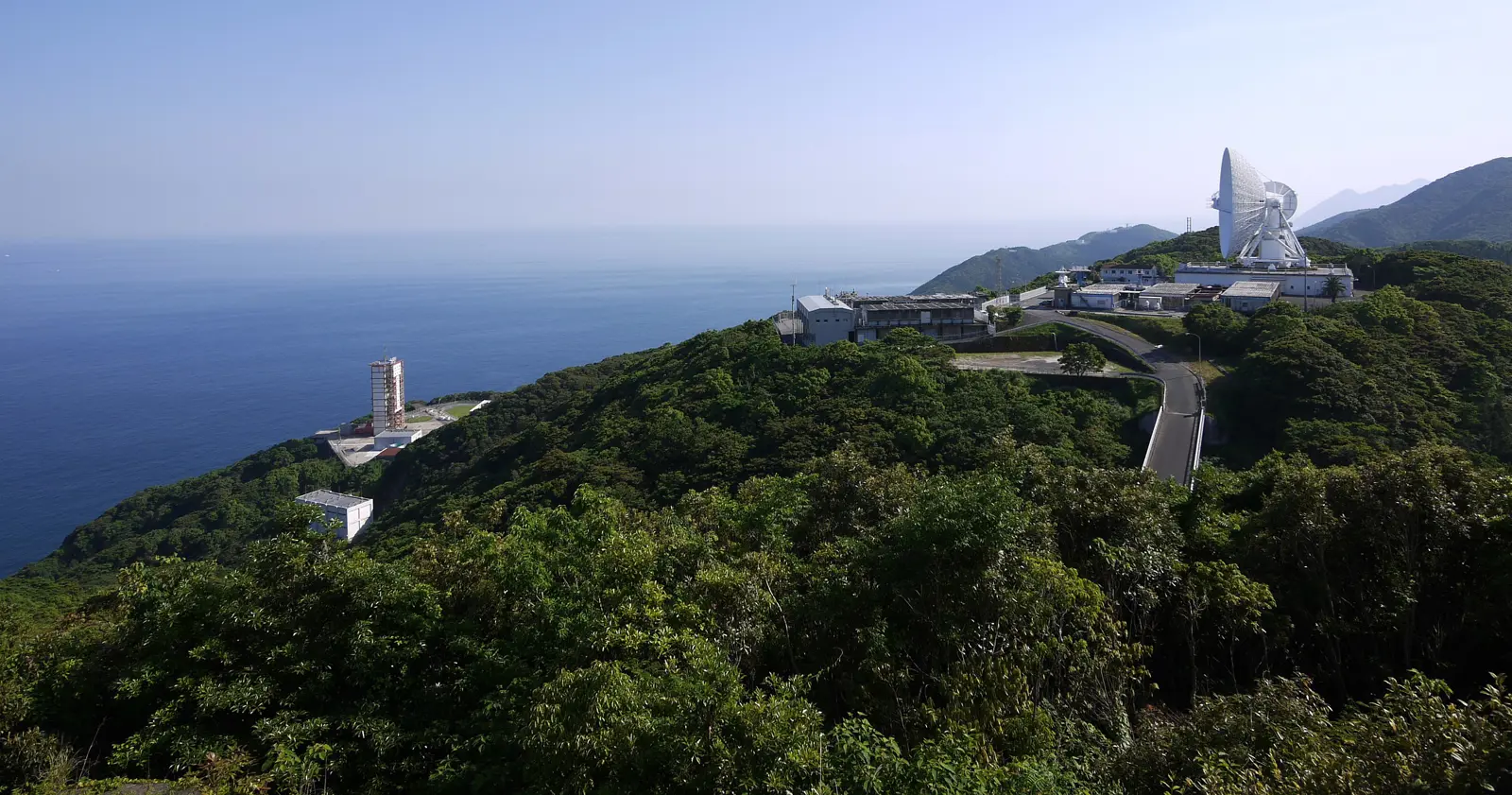
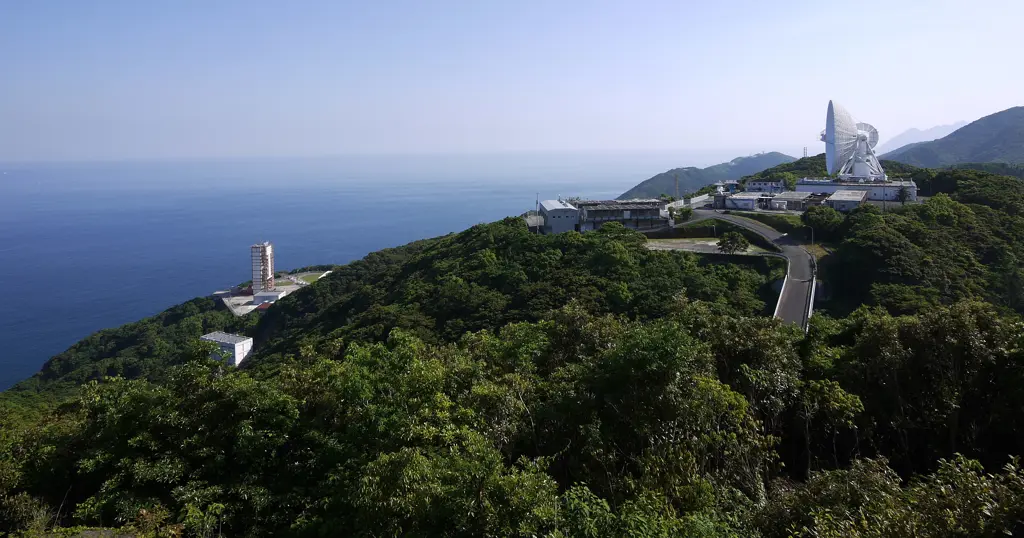
The Uchinoura Space Center is a space launch facility in the Japanese town of Kimotsuki, Kagoshima Prefecture. All of Japan's scientific satellites were launched from Uchinoura prior to the M-V launch vehicles being decommissioned in 2006. It continues to be used for suborbital launches, stratospheric balloons and has also been used for the Epsilon orbital launch vehicle. Additionally, the center has antennas for communication with interplanetary space probes.
Timezone
Asia/Tokyo
Local Launch Time
Jan 15, 2017, 8:33 AM
Total Launches
43
Total Landings
0
Coordinates
31.2519, 131.0819
Jan 14, 2017, 11:33 PM
1 update
10:20 PM
Window Open
11:50 PM
Window Close