Planetary Science
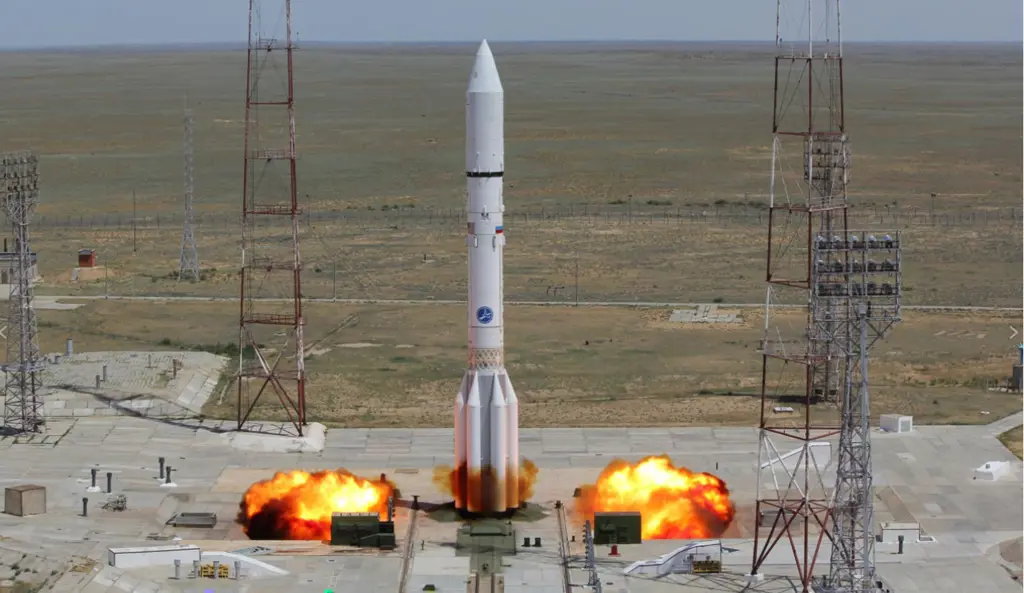
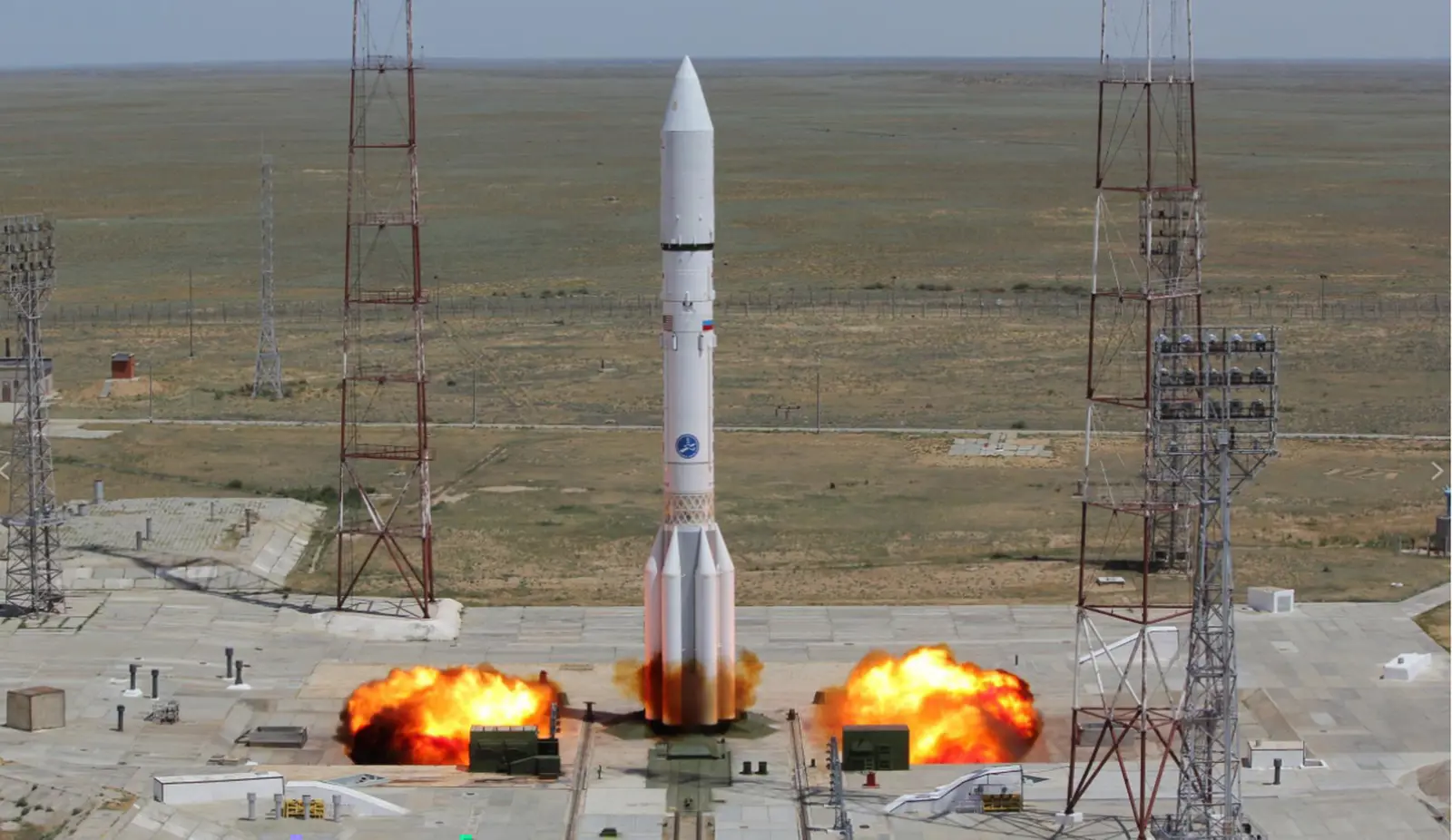
This is the first part of ESA’s and Roscosmos’s Mars exploration programme (ExoMars). The launch in the 2016 Mars window will consist of an orbiter and lander and will take 7 months to travel to Mars. The Trace Gas Orbiter will search for trace gases in the atmosphere such as methane and hydrogen. The Schiaparelli lander will travel with the orbiter until each reaches Mars, where it will attempt to descend through the atmosphere and land on the surface. The lander only contains a small array of scientific instruments, to conduct experiments over 4 Martian days.
Orbital Attempt
#5,546
KhSC Mission
#177
Pad Launch
#159
Location Launch
#1,465
Designator
2016-017
Mar 14, 2016, 9:31 AM
1 update
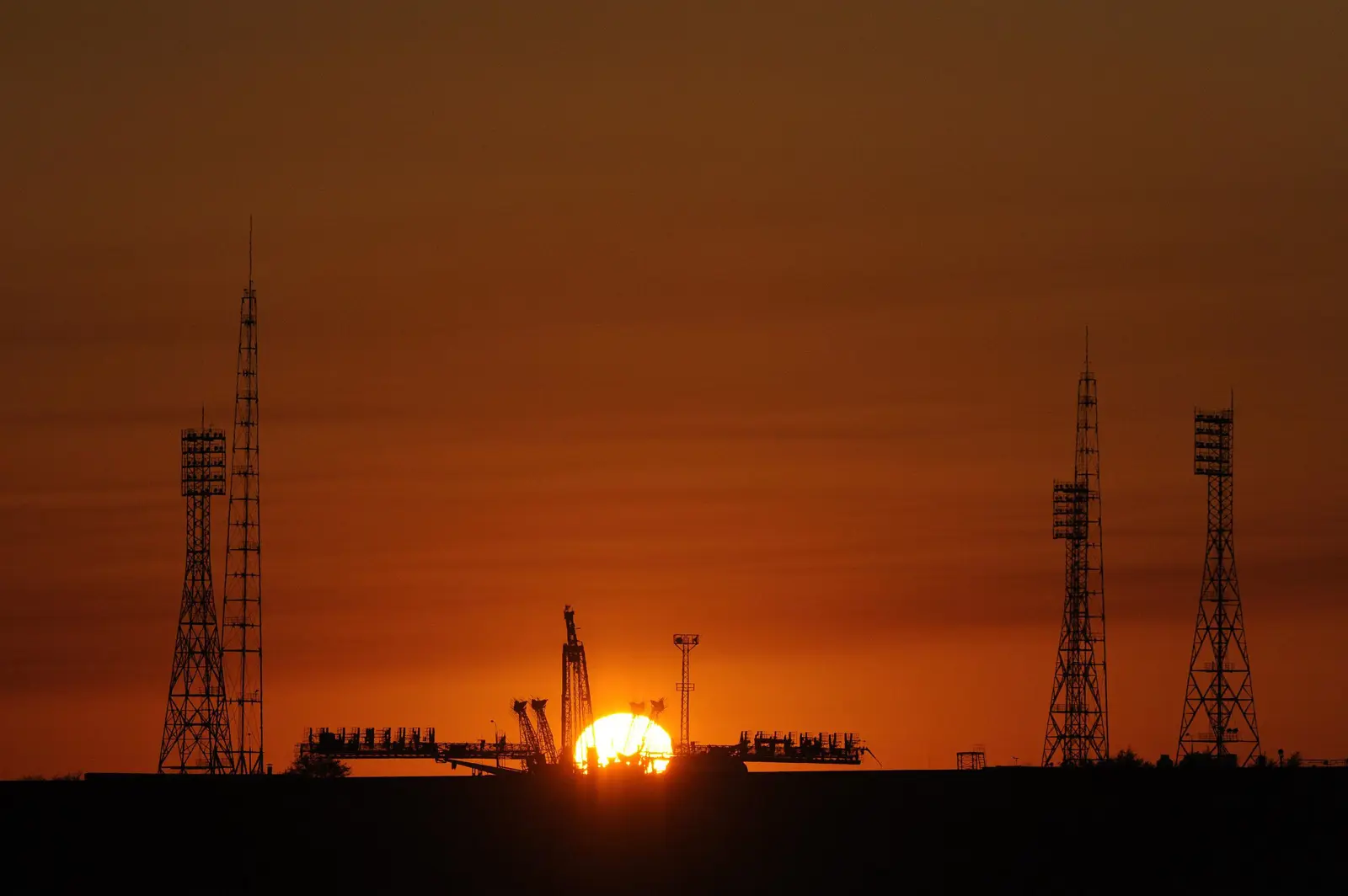
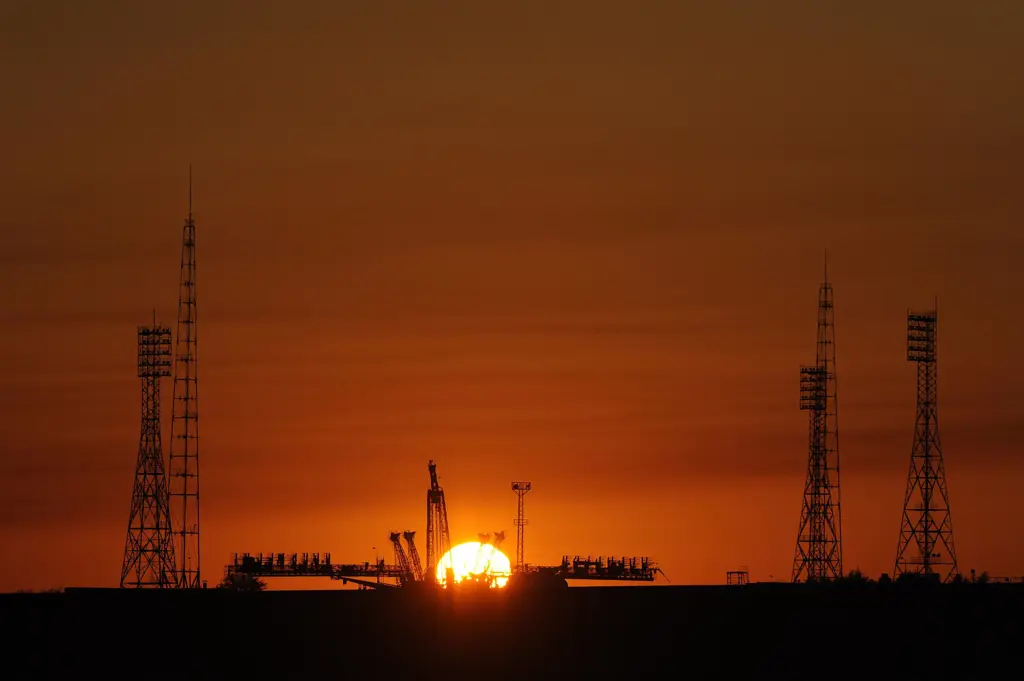
The Baikonur Cosmodrome is a spaceport operated by Russia within Kazakhstan. Located in the Kazakh city of Baikonur, it is the largest operational space launch facility in terms of area. All Russian crewed spaceflights are launched from Baikonur.
Timezone
Asia/Qyzylorda
Local Launch Time
Mar 14, 2016, 3:31 PM
Total Launches
1,564
Total Landings
0
Coordinates
45.9650, 63.3050