
Communications
The W satellites are designed to provide telecommunications services primarily over Europe (Eutelsat W2, W3 and W5) and communication services over Russia and Africa (W4). W2, W3 and W5 are designed to offer 24 transponders at saturation and W4 is designed to provide 31 transponders at saturation. The W satellites have a minimum operational lifetime of 12 years. The spacecraft are based on the Spacebus-3000B2 platform.
Orbital Attempt
#4,307
LMT Mission
#41
Pad Launch
#55
Location Launch
#562
Designator
1999-018
Apr 12, 1999, 10:50 PM
1 update
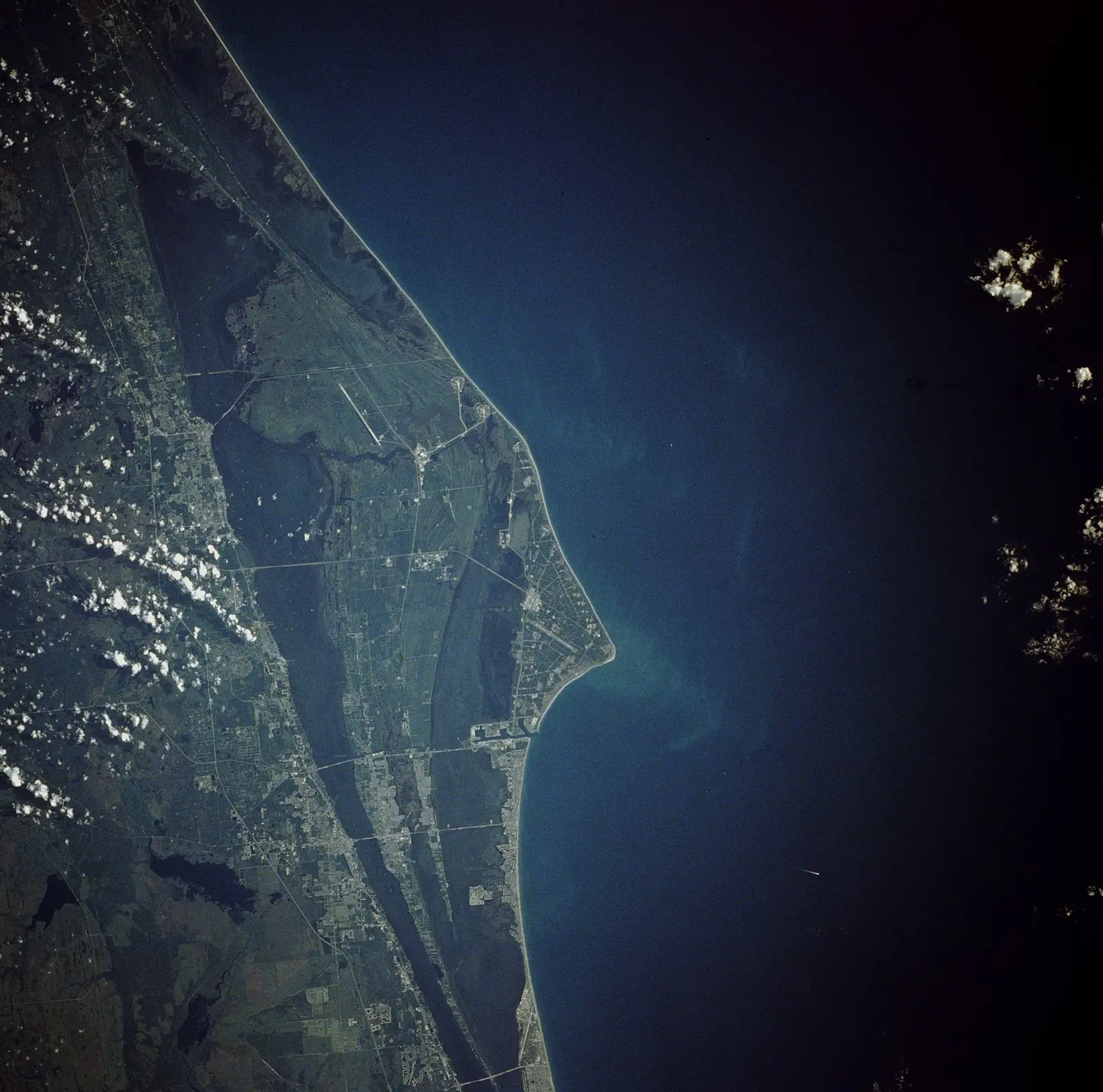
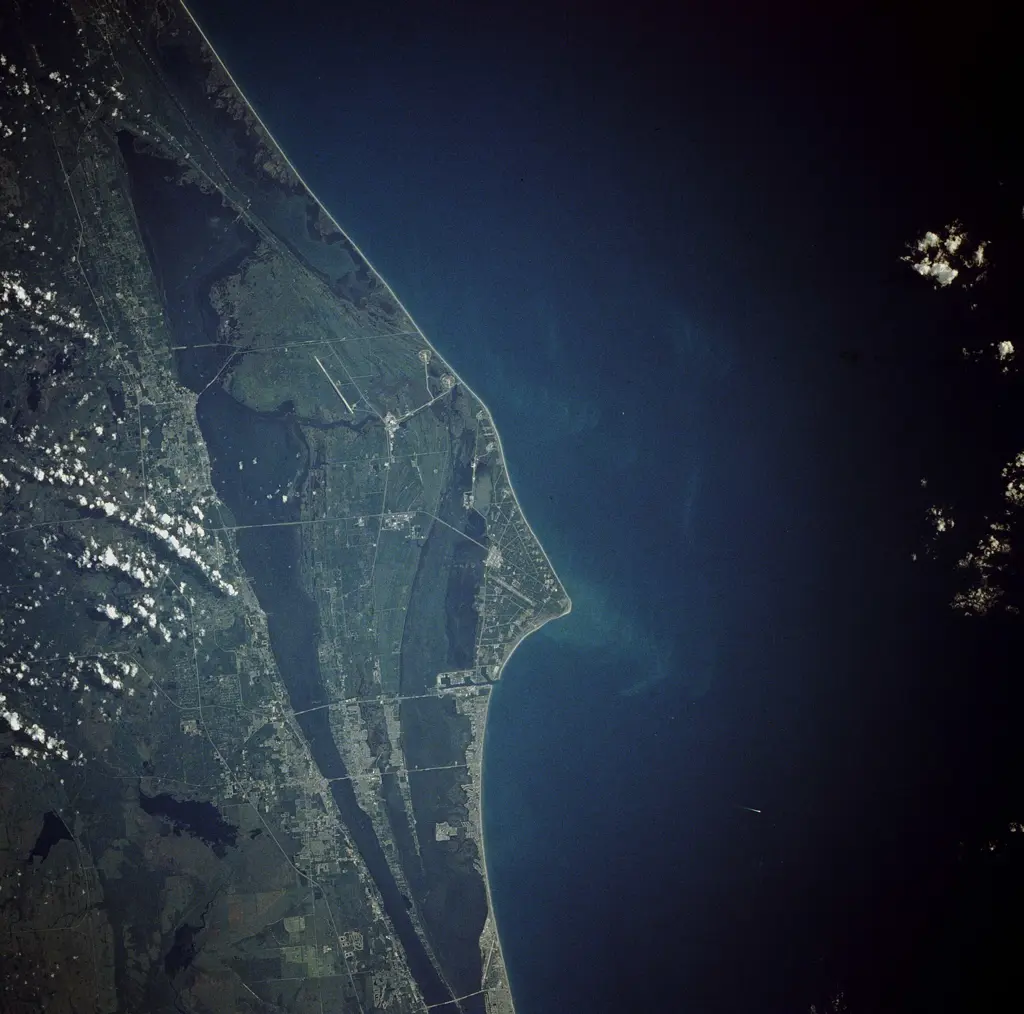
Cape Canaveral Space Force Station (CCSFS) is an installation of the United States Space Force's Space Launch Delta 45, located on Cape Canaveral in Brevard County, Florida.
Timezone
America/New_York
Local Launch Time
Apr 12, 1999, 6:50 PM
Total Launches
1,109
Total Landings
75
Coordinates
28.4889, -80.5778
Atlas II was a member of the Atlas family of launch vehicles, which evolved from the successful Atlas missile program of the 1950s. It was designed to launch payloads into low earth orbit, geosynchronous transfer orbit or geosynchronous orbit. Sixty-three launches of the Atlas II, IIA and IIAS models were carried out between 1991 and 2004; all sixty-three launches were successes, making the Atlas II the most reliable launch system in history.
Length
47.54 m
Diameter
3.04 m
Launch Mass
204 t
Thrust
4,391 kN
LEO Capacity
6,580 kg
GTO Capacity
2,810 kg
Reusable
No
Maiden Flight
1993
Fastest Turnaround
1mo 1d
Total Launches
30
Successful
30
Failed
0
Consecutive Success
30
Maiden flight: Dec 16, 1993
Lockheed Martin's Space Division started in the production of missiles and later ICBM's in the 1950s. Their TITAN missile system was used for 12 Gemini spacecraft and the Voyager probes. They have worked largely in collaboration with NASA on many of their probes, landers, and spacecraft, and hope to play a key role in NASA's return to the moon in 2024.
Founded
1953
Total Launches
80
Successful
77
Failed
3
Pending
0
Consecutive Success
38