Planetary Science
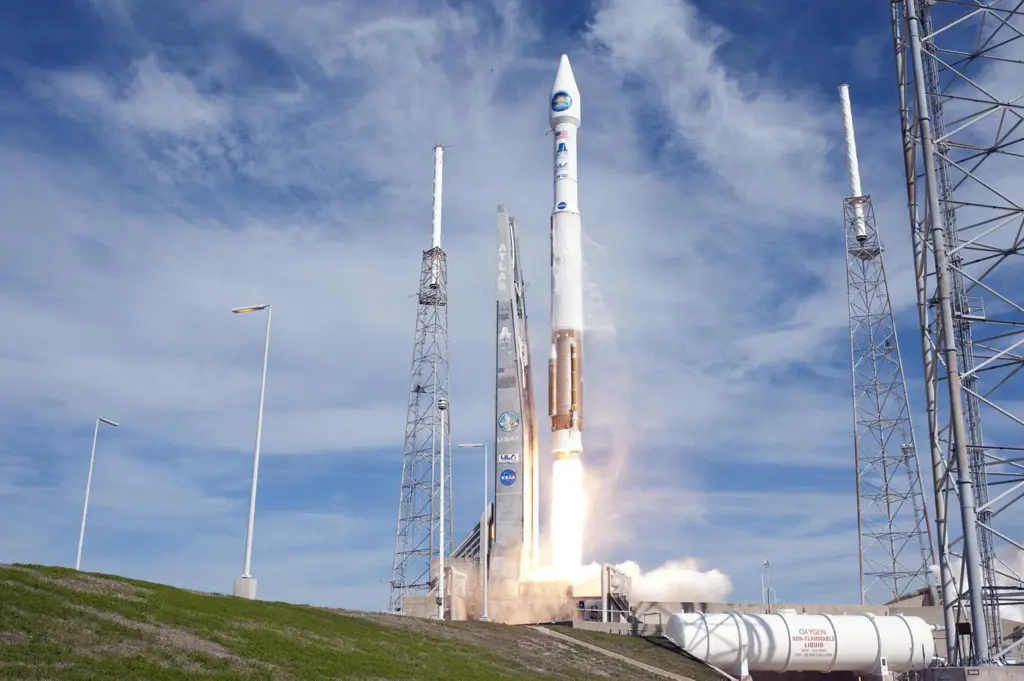
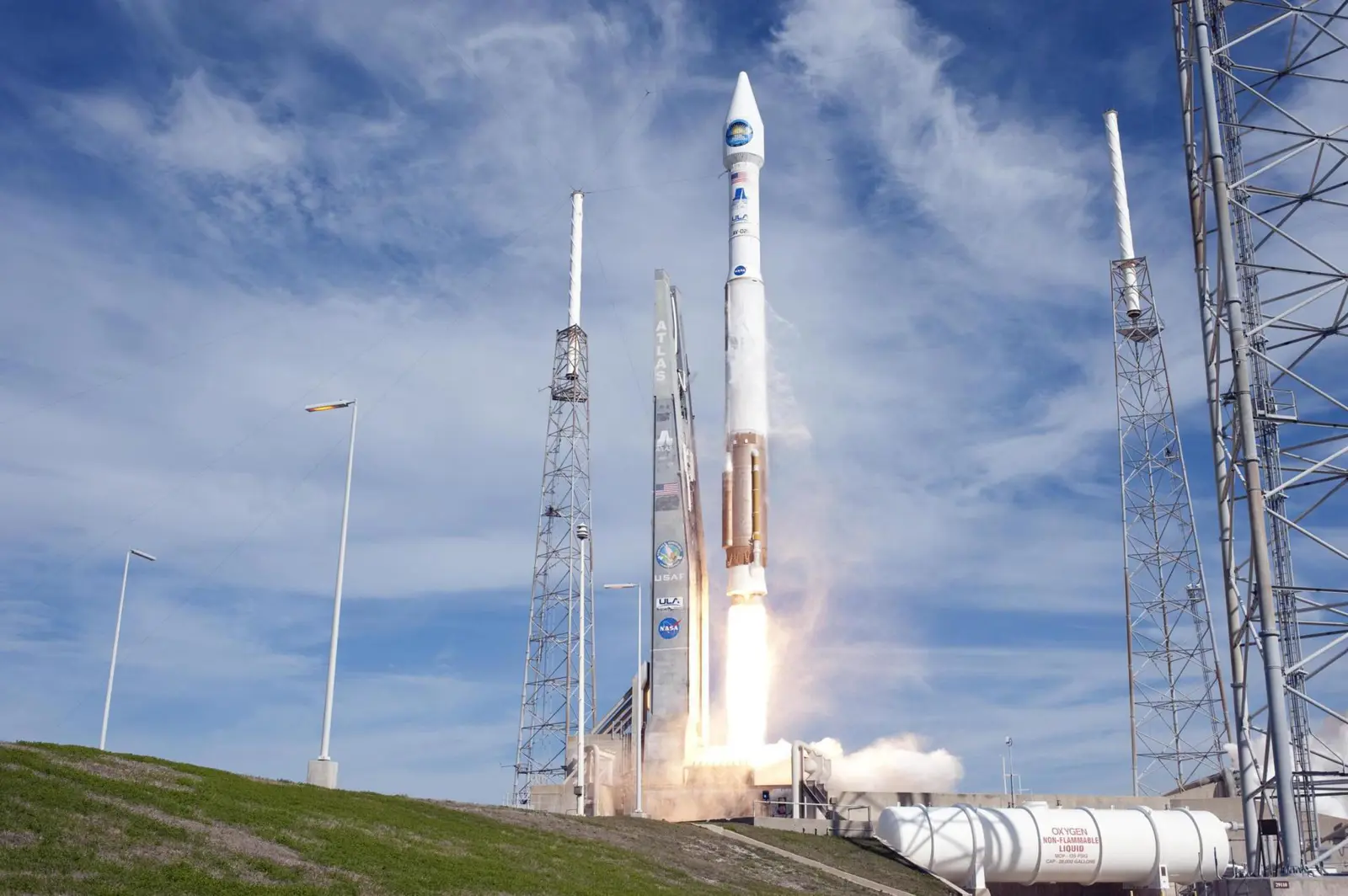
Mars Reconnaissance Orbiter (MRO) is a spacecraft designed to study the geology and climate of Mars, provide reconnaissance of future landing sites, and relay data from surface missions back to Earth. It was launched on August 12, 2005 and reached Mars on March 10, 2006. In November 2006, after five months of aerobraking, it entered its final science orbit and began its primary science phase.
Orbital Attempt
#4,726
LMT Mission
#79
Pad Launch
#33
Location Launch
#636
Designator
2005-029
Aug 12, 2005, 11:43 AM
1 update
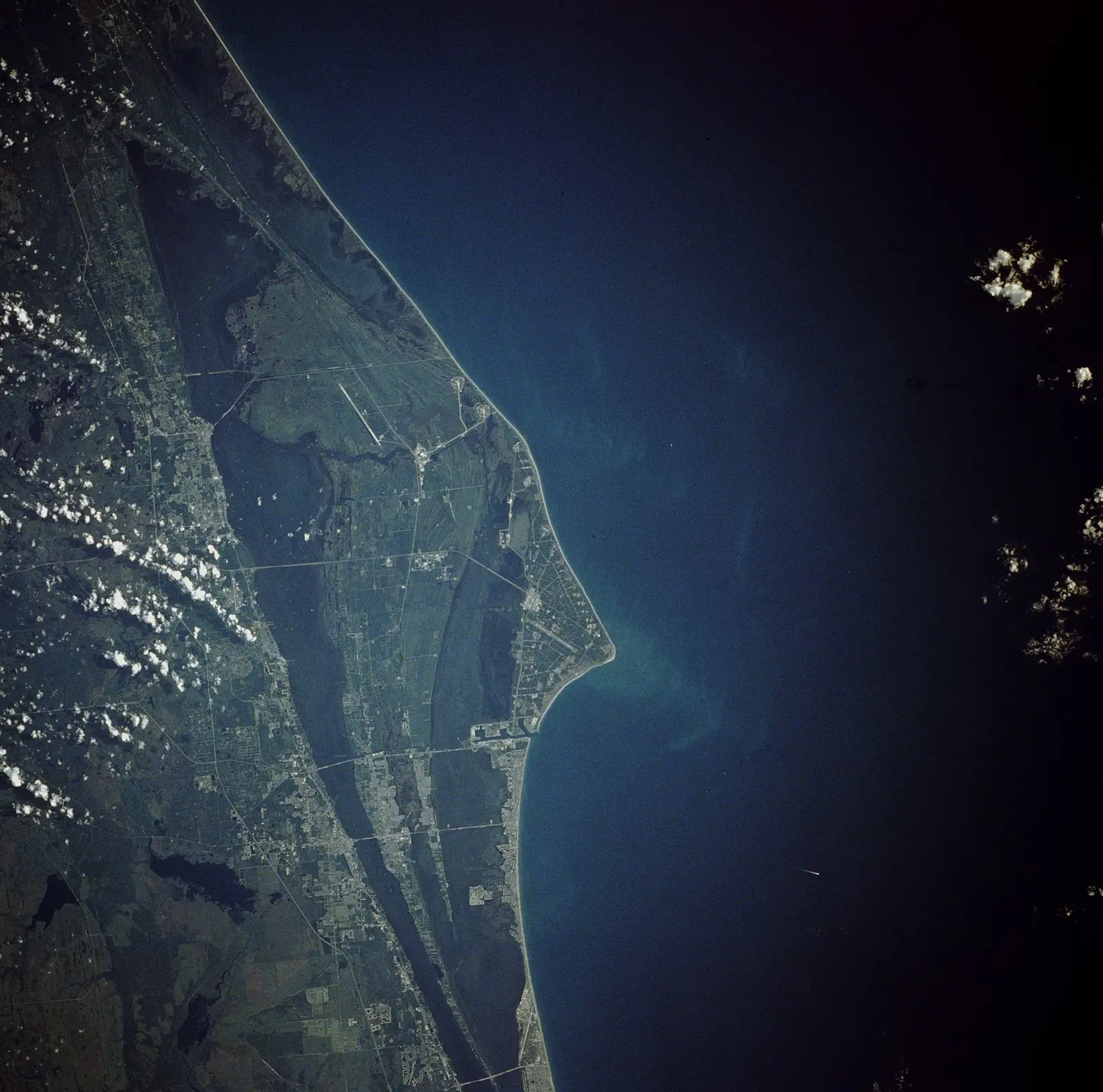
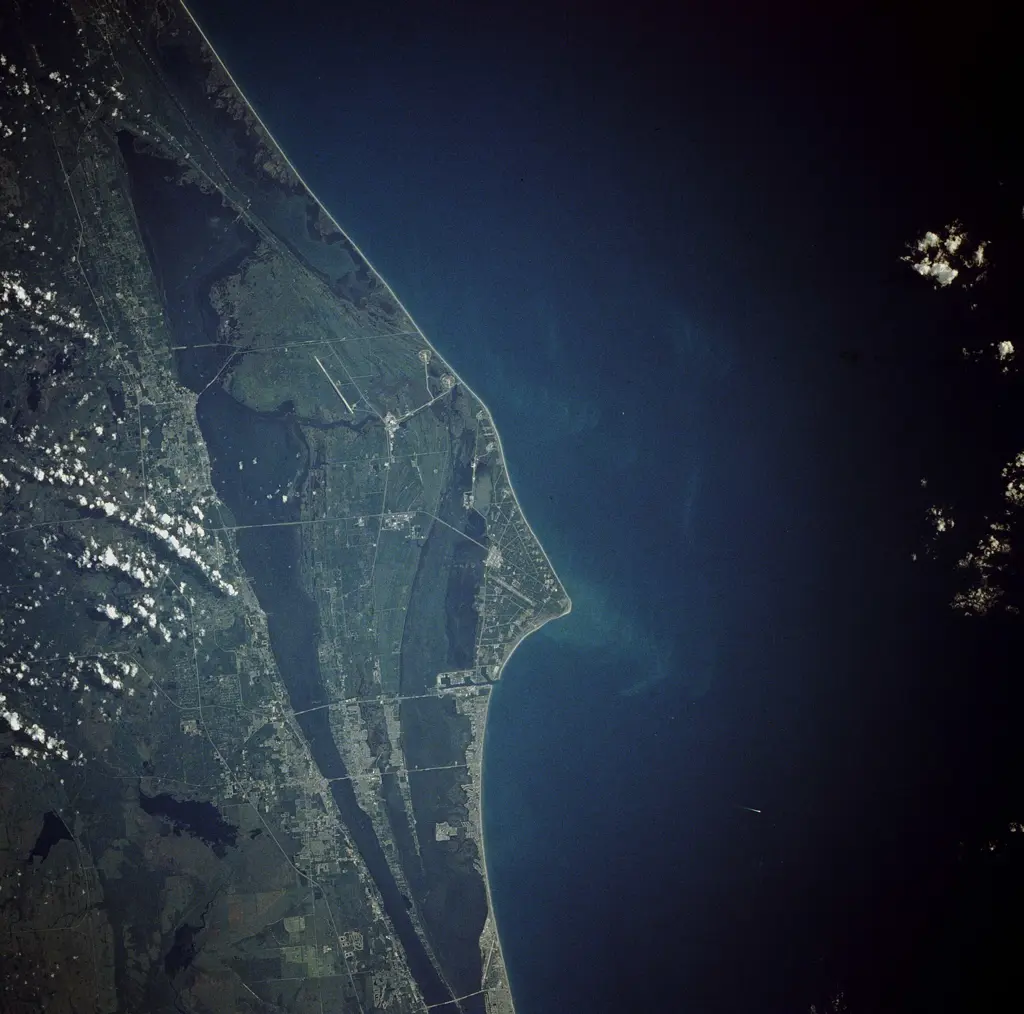
Cape Canaveral Space Force Station (CCSFS) is an installation of the United States Space Force's Space Launch Delta 45, located on Cape Canaveral in Brevard County, Florida.
Timezone
America/New_York
Local Launch Time
Aug 12, 2005, 7:43 AM
Total Launches
1,122
Total Landings
75
Coordinates
28.4889, -80.5778