Heliophysics
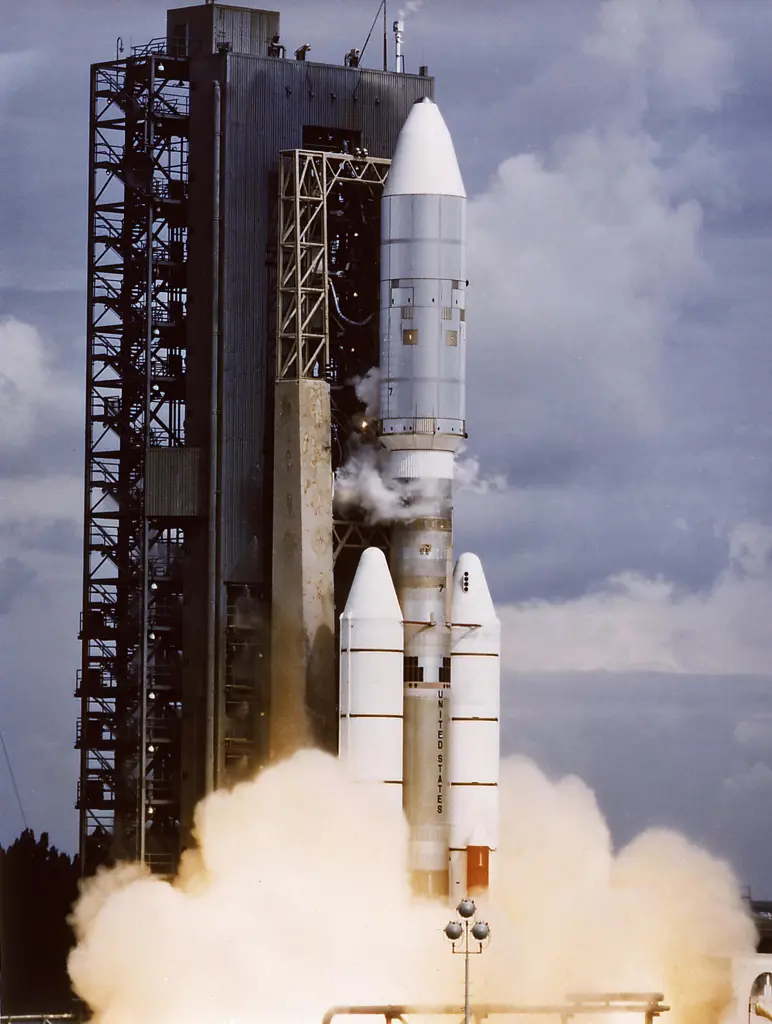
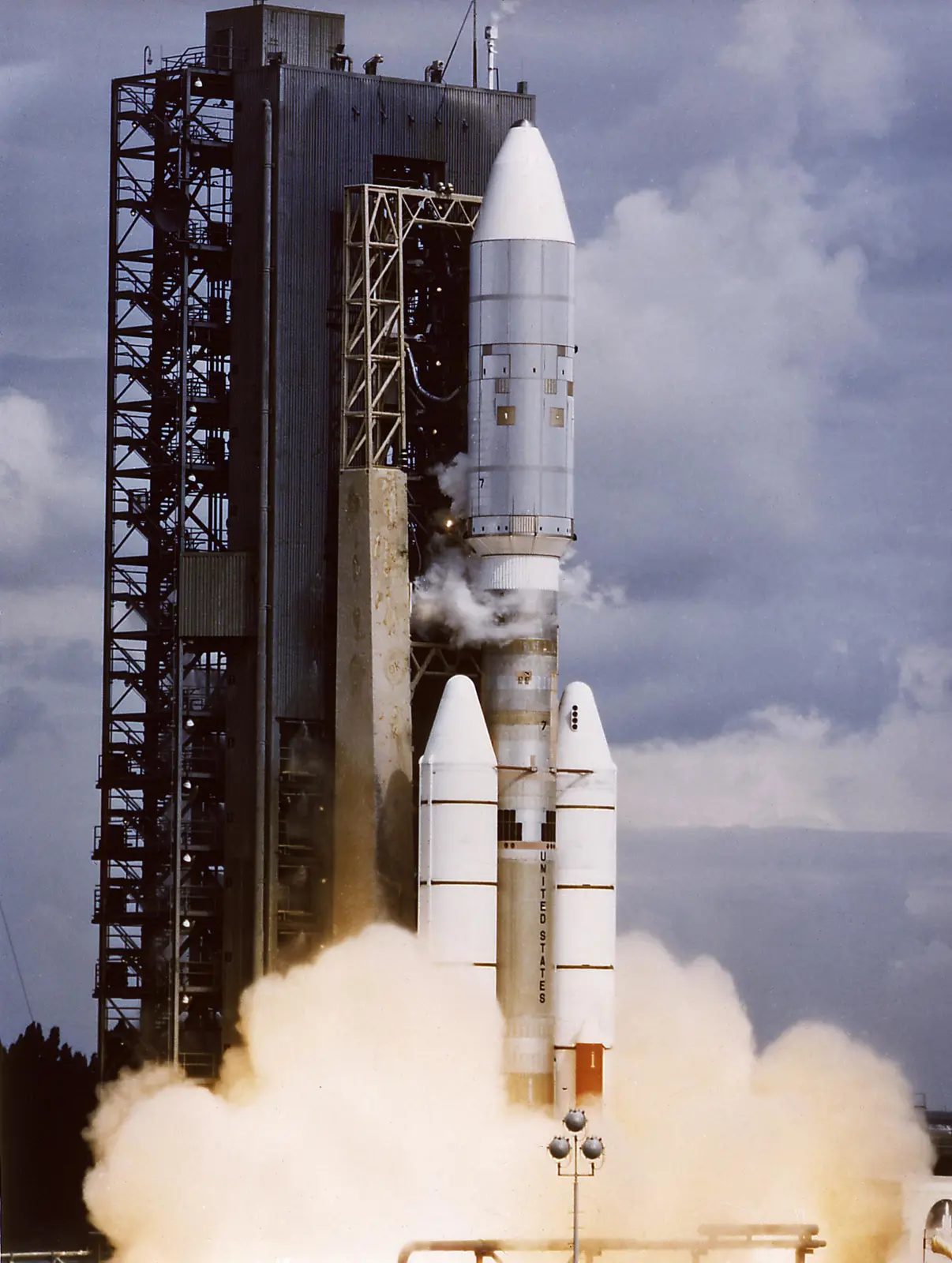
Helios-A and Helios-B (also known as Helios 1 and Helios 2), are a pair of probes launched into heliocentric orbit for the purpose of studying solar processes. A joint venture of West Germany's space agency DFVLR (70% share) and NASA (30%), the probes were launched from Cape Canaveral, Florida, on December 10, 1974, and January 15, 1976, respectively. Built by Messerschmitt-Bölkow-Blohm as the main contractor, they were the first spaceprobes built outside the United States or Soviet Union.
Orbital Attempt
#1,786
LMT Mission
#5
Pad Launch
#15
Location Launch
#305
Designator
1976-003
Jan 15, 1976, 5:34 AM
1 update
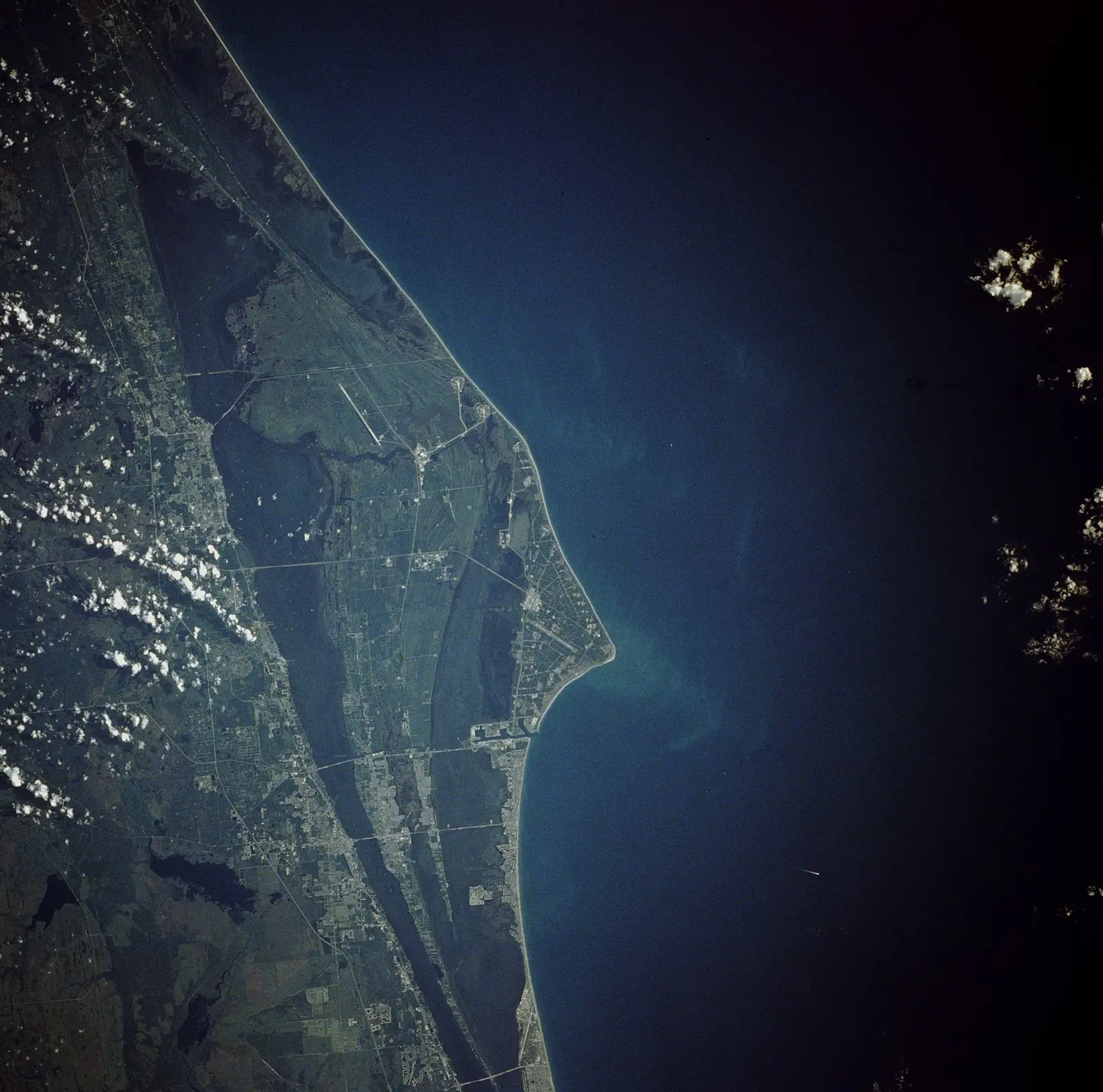
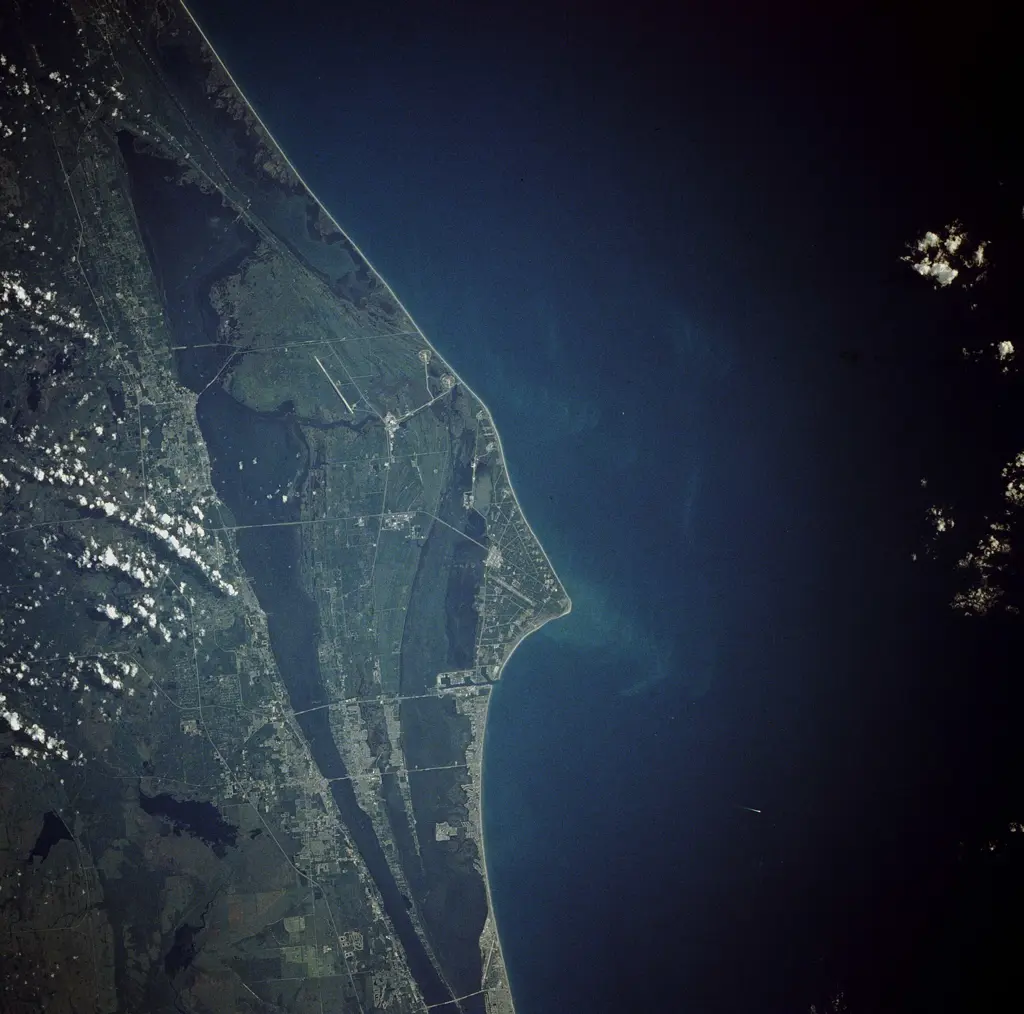
Cape Canaveral Space Force Station (CCSFS) is an installation of the United States Space Force's Space Launch Delta 45, located on Cape Canaveral in Brevard County, Florida.
Timezone
America/New_York
Local Launch Time
Jan 15, 1976, 12:34 AM
Total Launches
1,122
Total Landings
75
Coordinates
28.4889, -80.5778