Planetary Science
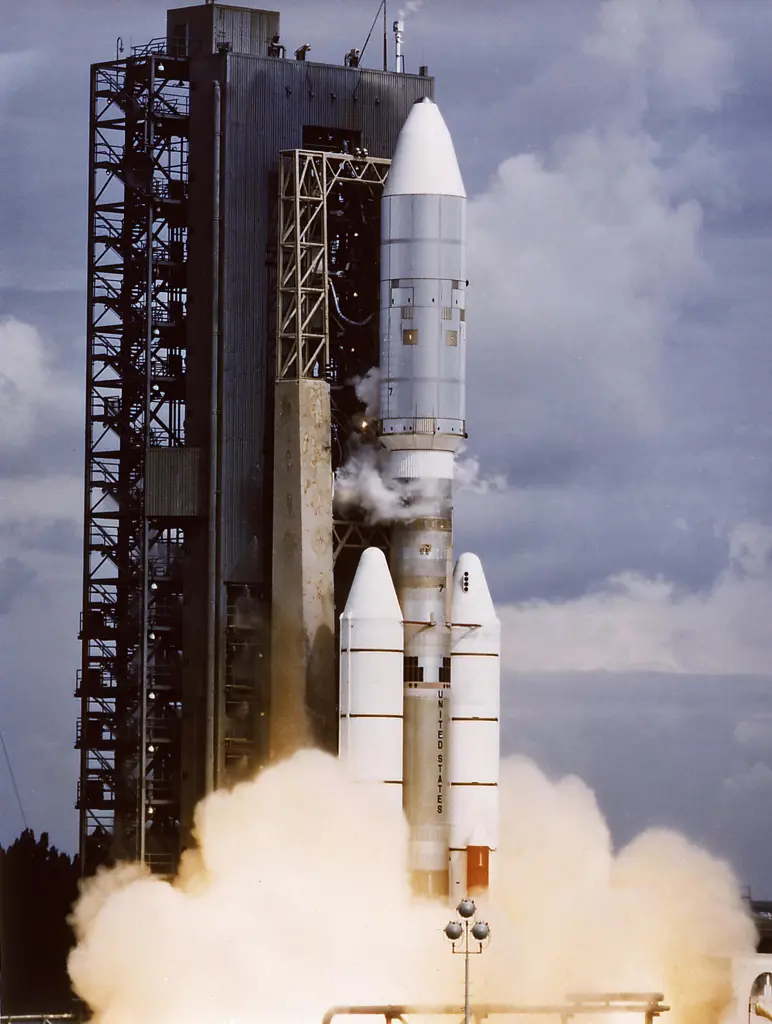
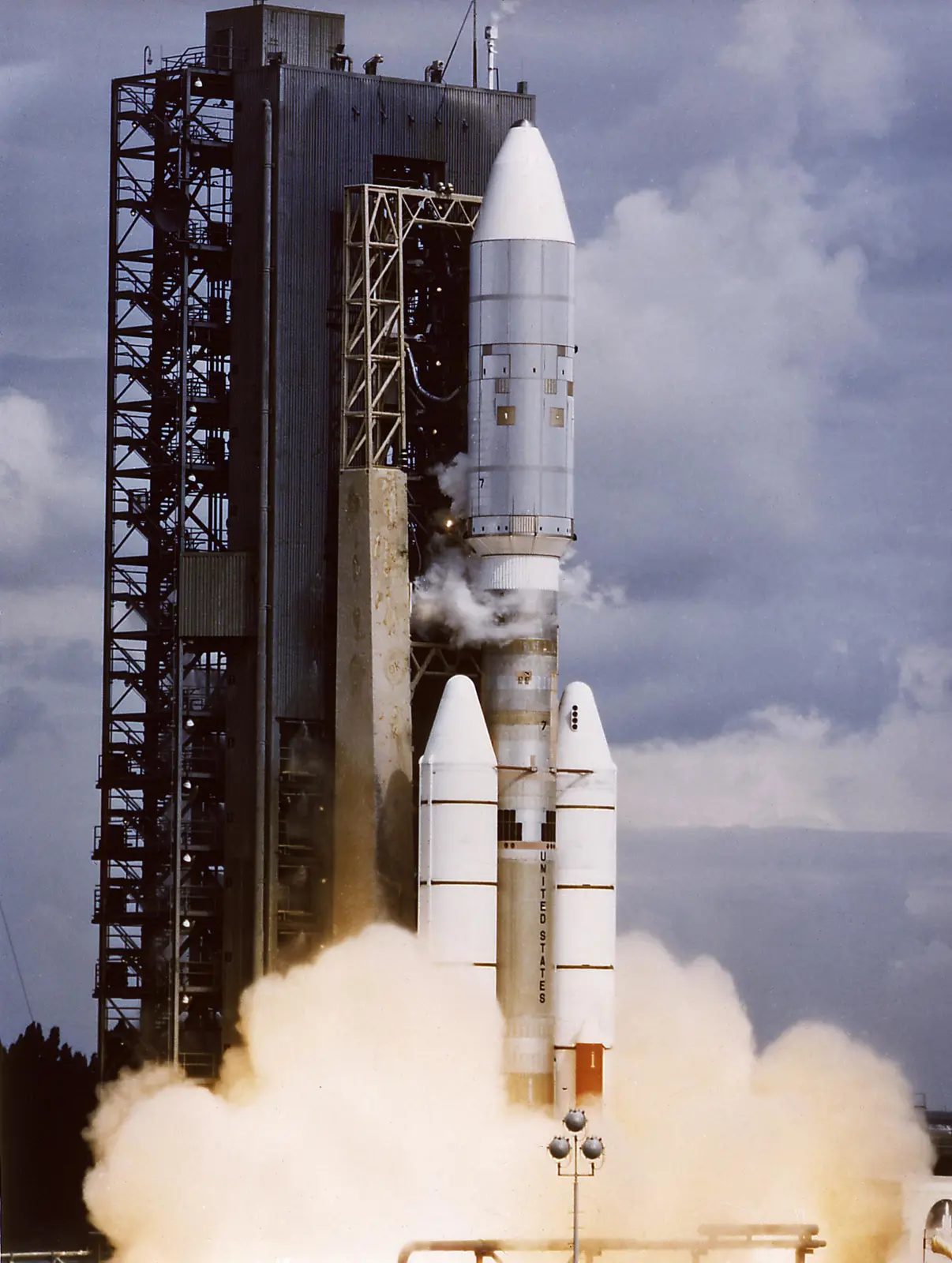
The Viking 2 mission was part of the American Viking program to Mars, and consisted of an orbiter and a lander essentially identical to that of the Viking 1 mission. The Viking 2 lander operated on the surface for 1316 days, or 1281 sols, and was turned off on April 11, 1980 when its batteries failed. The orbiter worked until July 25, 1978, returning almost 16,000 images in 706 orbits around Mars.
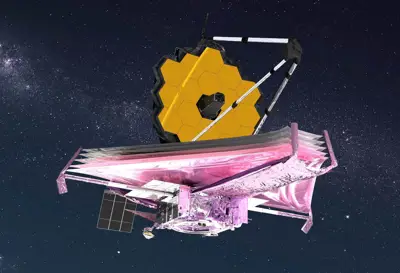
NASA's large strategic science missions or large strategic missions, formerly known as Flagship missions or Flagship-class missions, are the costliest and most capable NASA science spacecraft. Flagship missions exist within all four divisions of NASA's Science Mission Directorate (SMD): the astrophysics, Earth science, heliophysics and planetary science divisions.
Aug 22, 1975 — ongoing
Orbital Attempt
#1,738
LMT Mission
#4
Pad Launch
#14
Location Launch
#299
Designator
1975-083
Sep 9, 1975, 6:39 PM
1 update
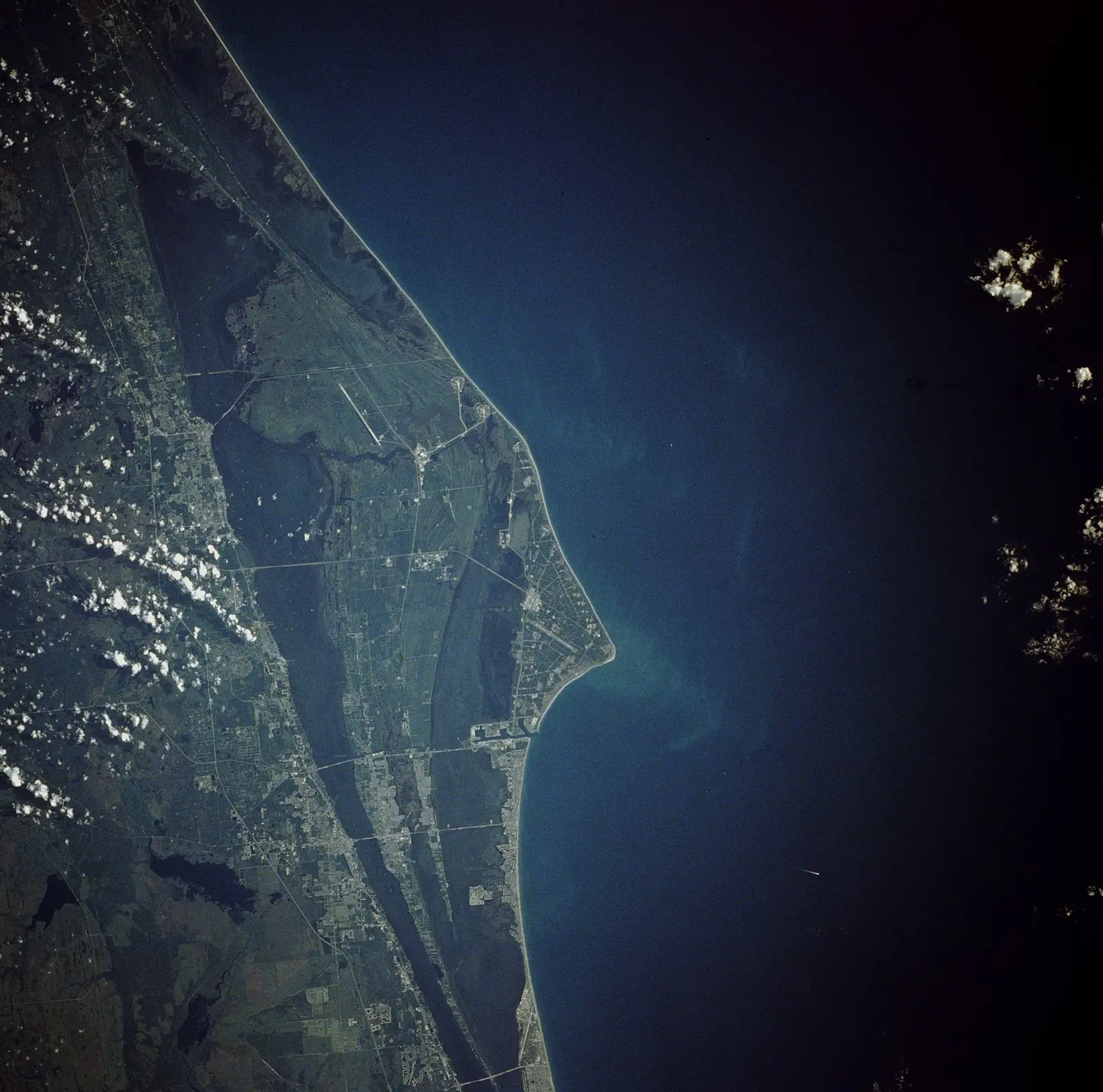
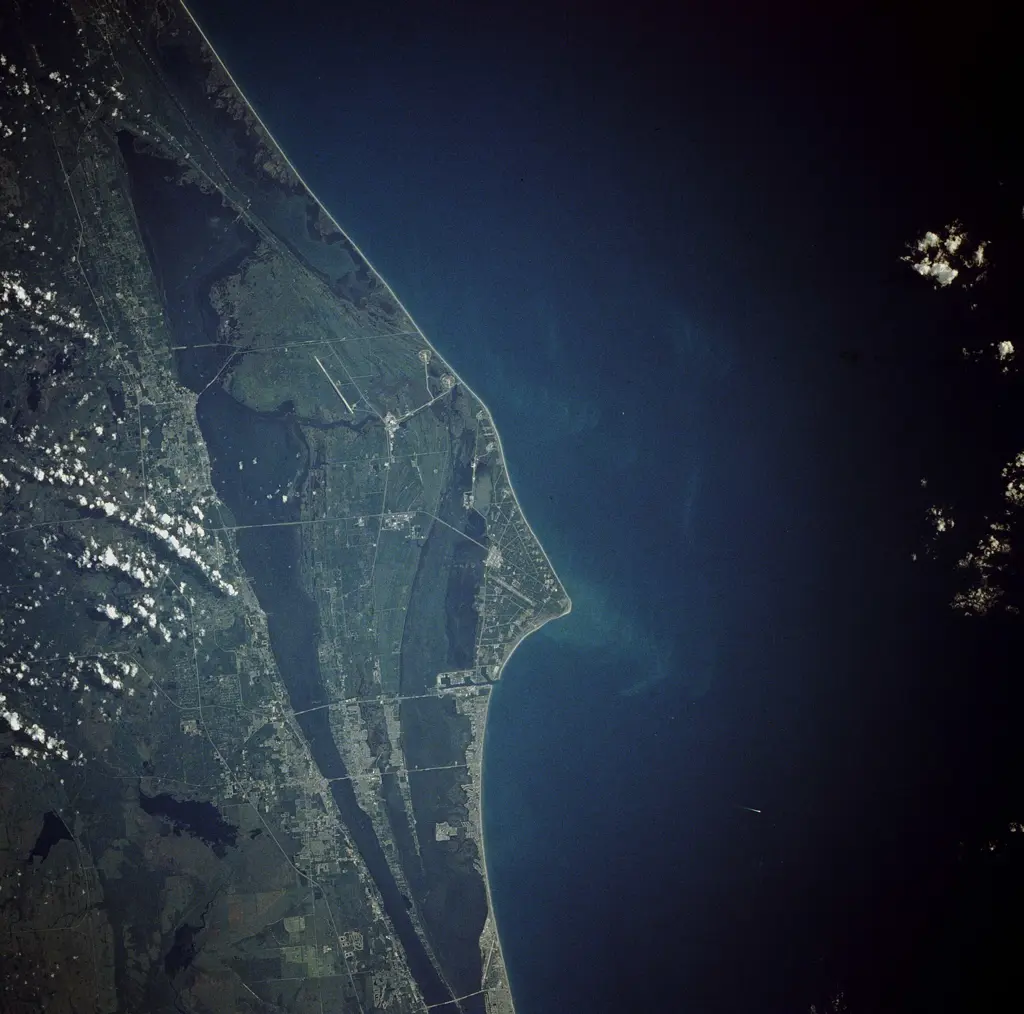
Cape Canaveral Space Force Station (CCSFS) is an installation of the United States Space Force's Space Launch Delta 45, located on Cape Canaveral in Brevard County, Florida.
Timezone
America/New_York
Local Launch Time
Sep 9, 1975, 2:39 PM
Total Launches
1,122
Total Landings
75
Coordinates
28.4889, -80.5778