Planetary Science
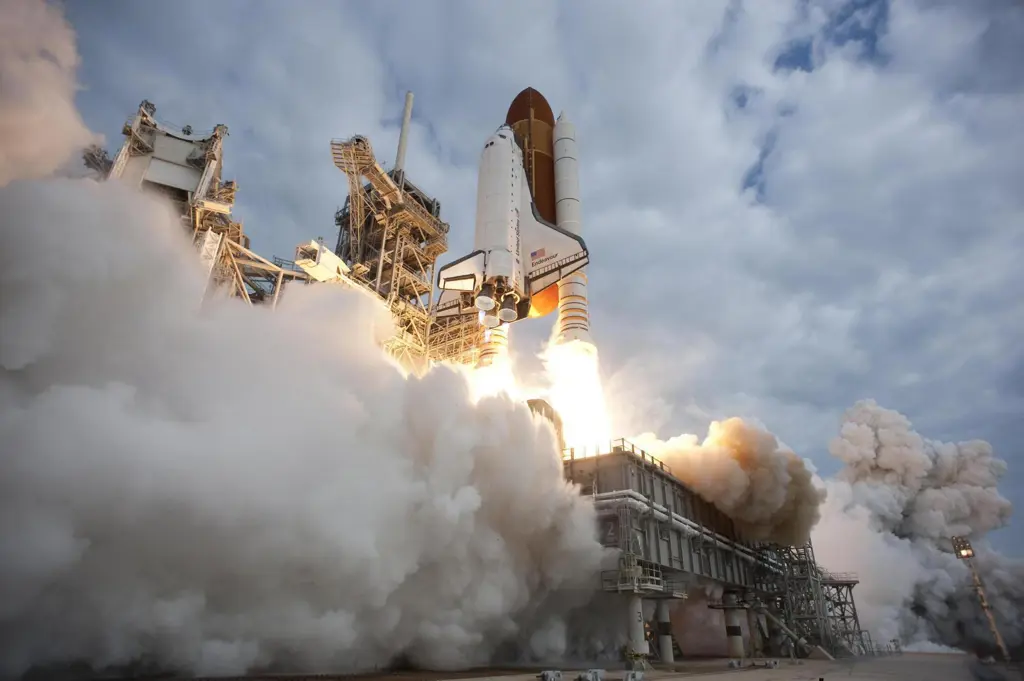
STS-34 was the thirty-first shuttle mission and the fifth for Atlantis. It deployed the Jupiter-bound Galileo probe.
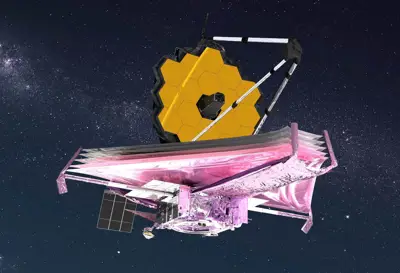
NASA's large strategic science missions or large strategic missions, formerly known as Flagship missions or Flagship-class missions, are the costliest and most capable NASA science spacecraft. Flagship missions exist within all four divisions of NASA's Science Mission Directorate (SMD): the astrophysics, Earth science, heliophysics and planetary science divisions.
Aug 22, 1975 — ongoing
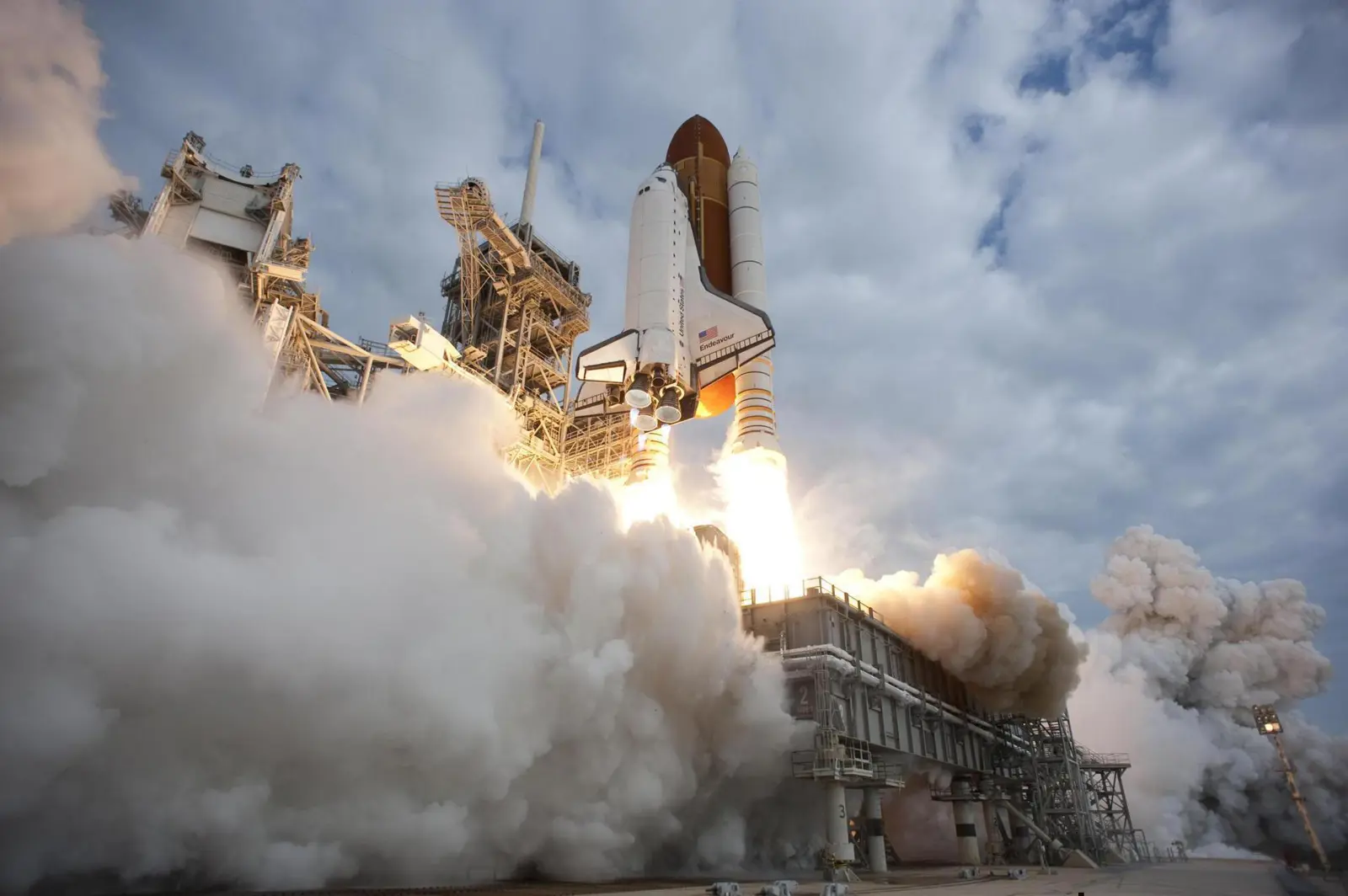
The Space Shuttle program was the fourth human spaceflight program carried out by the National Aeronautics and Space Administration (NASA), which accomplished routine transportation for Earth-to-orbit crew and cargo from 1981 to 2011.
Apr 12, 1981 — Jul 8, 2011
Orbital Attempt
#3,459
LSOC Mission
#22
Pad Launch
#12
Location Launch
#48
Designator
1989-084
Oct 18, 1989, 4:53 PM
1 update
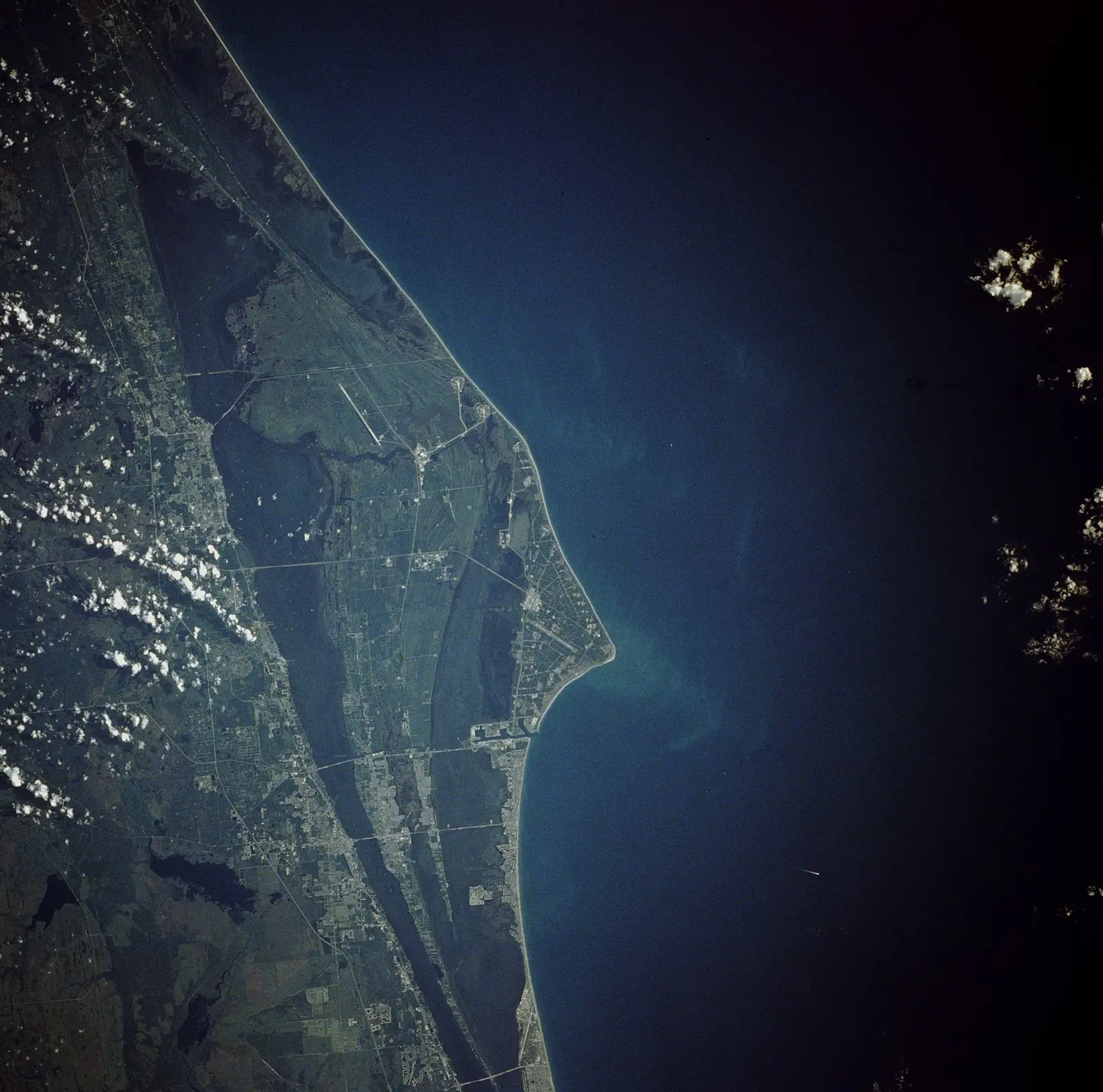
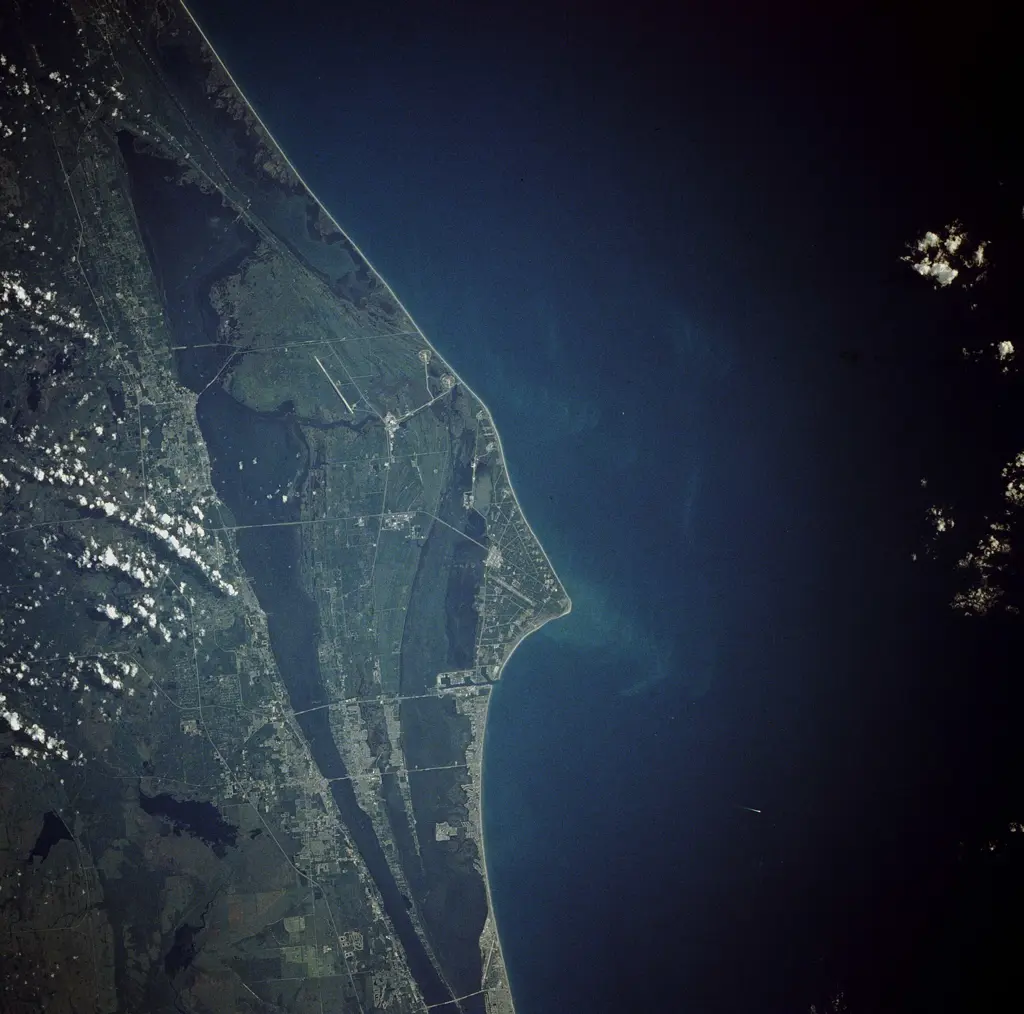
The John F. Kennedy Space Center, located on Merritt Island, Florida, is one of NASA's ten field centers. Since 1968, KSC has been NASA's primary launch center of American spaceflight, research, and technology. Launch operations for the Apollo, Skylab and Space Shuttle programs were carried out from Kennedy Space Center Launch Complex 39 and managed by KSC. Located on the east coast of Florida, KSC is adjacent to Cape Canaveral Space Force Station (CCSFS).
Timezone
America/New_York
Local Launch Time
Oct 18, 1989, 12:53 PM
Total Launches
281
Total Landings
0
Coordinates
28.5242, -80.6508