Navigation
 Mitsubishi Heavy Industries(MHI)Commercial
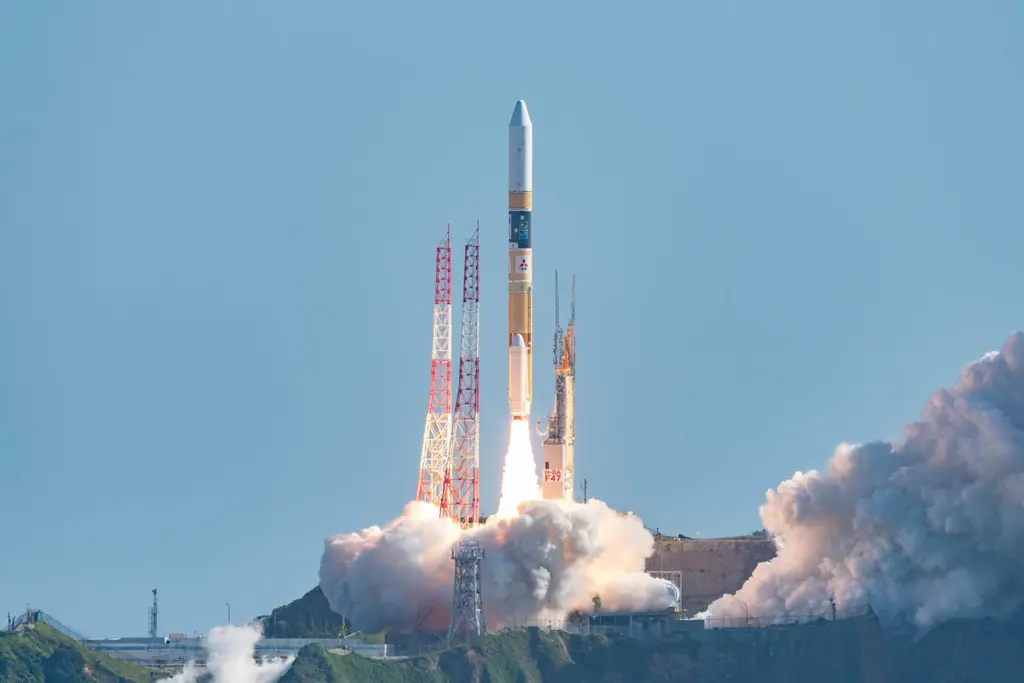
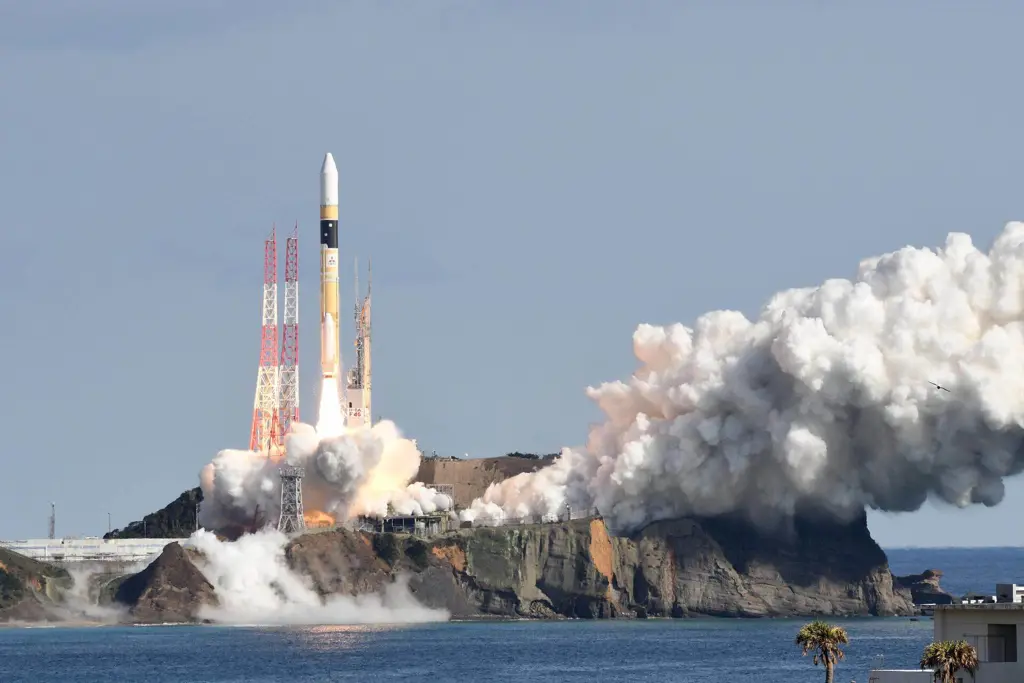
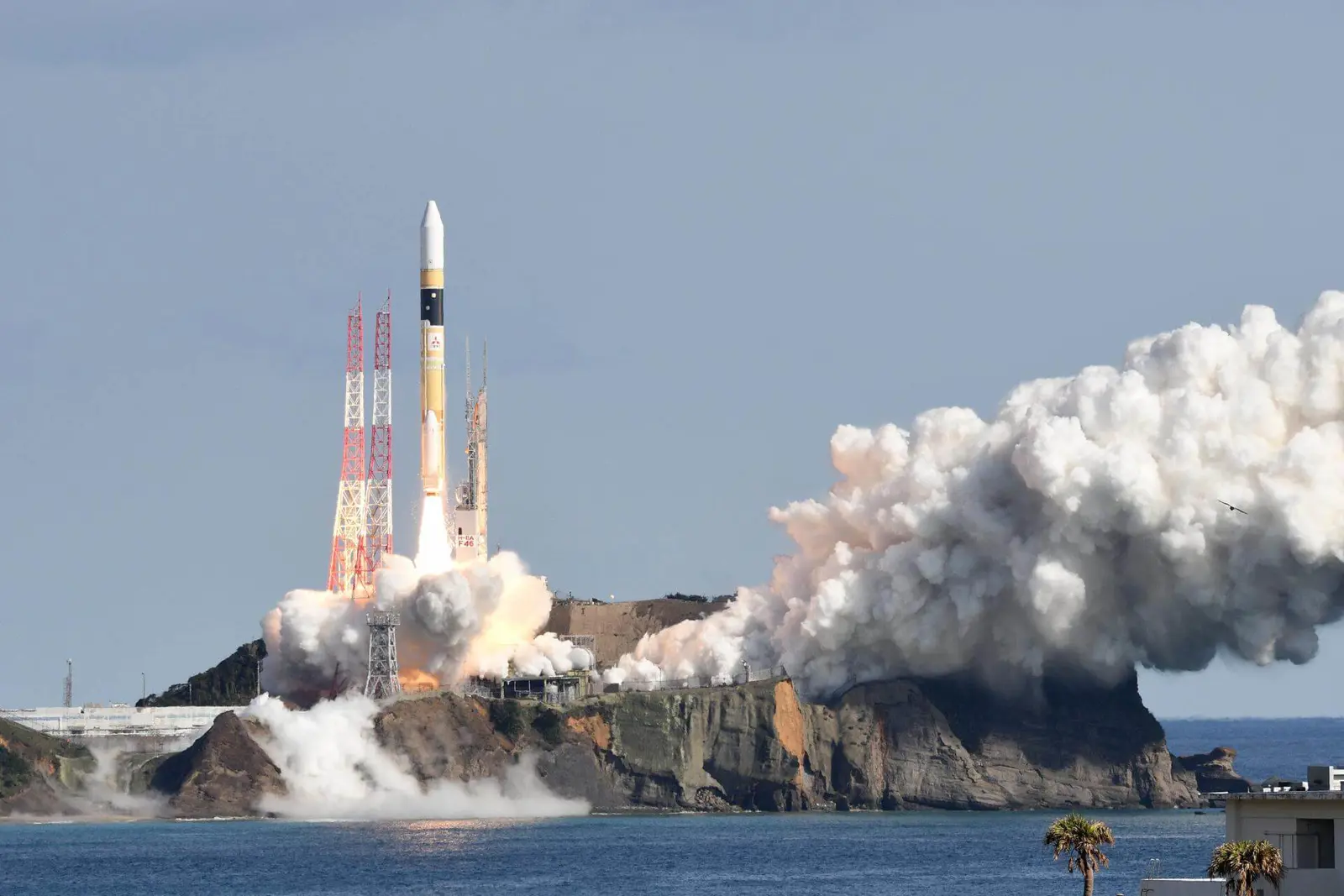
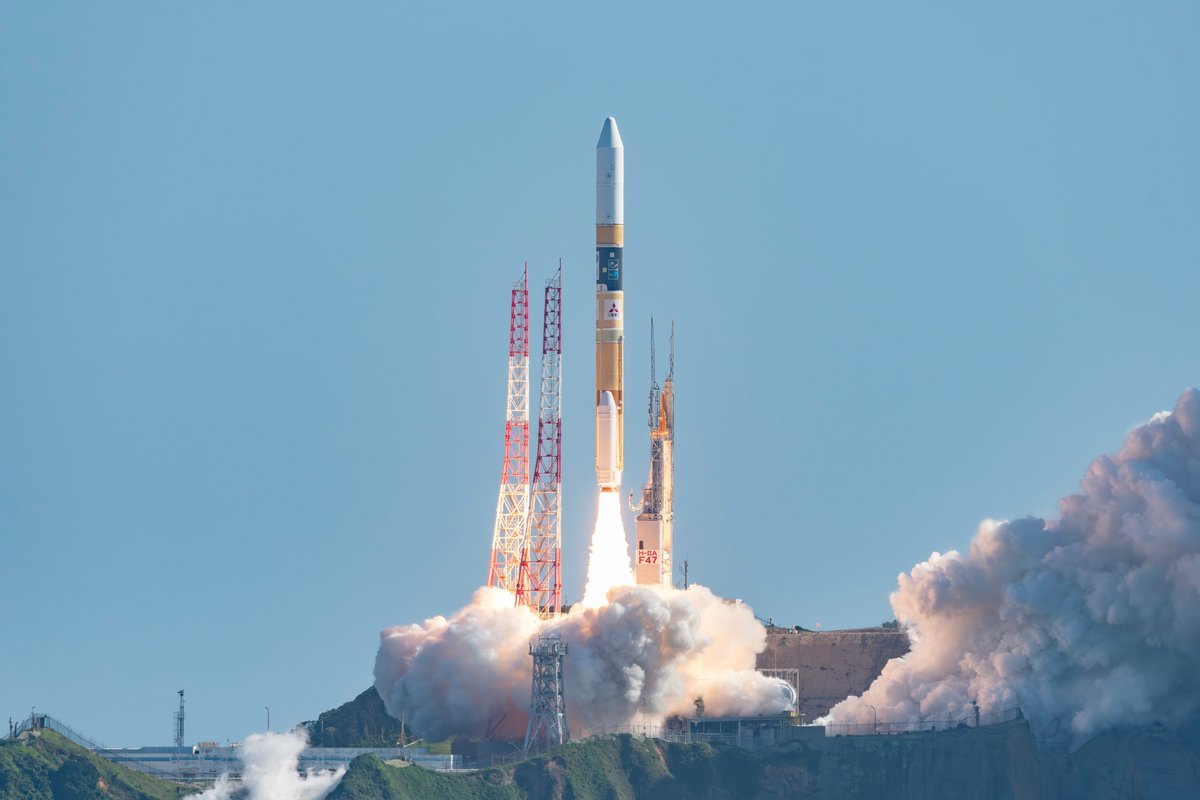
The Quasi-Zenith Satellite System (QZSS) is a three-satellite regional time transfer system and the satellite-based augmentation system for the GPS that would be receivable within Japan. The primary purpose of QZSS is to increase the availability of GPS in Japan's numerous urban canyons, where only satellites at very high elevation can be seen. A secondary function is performance enhancement, increasing the accuracy and reliability of GPS derived navigation solutions. A single satellite weighs about 4000 kg, has an expected lifetime of 15 years and is put in a elliptical, highly inclined geosynchronous orbit.
Orbital Attempt
#5,079
MHI Mission
#12
Pad Launch
#25
Location Launch
#50
Designator
2010-045
Sep 11, 2010, 11:17 AM
1 update
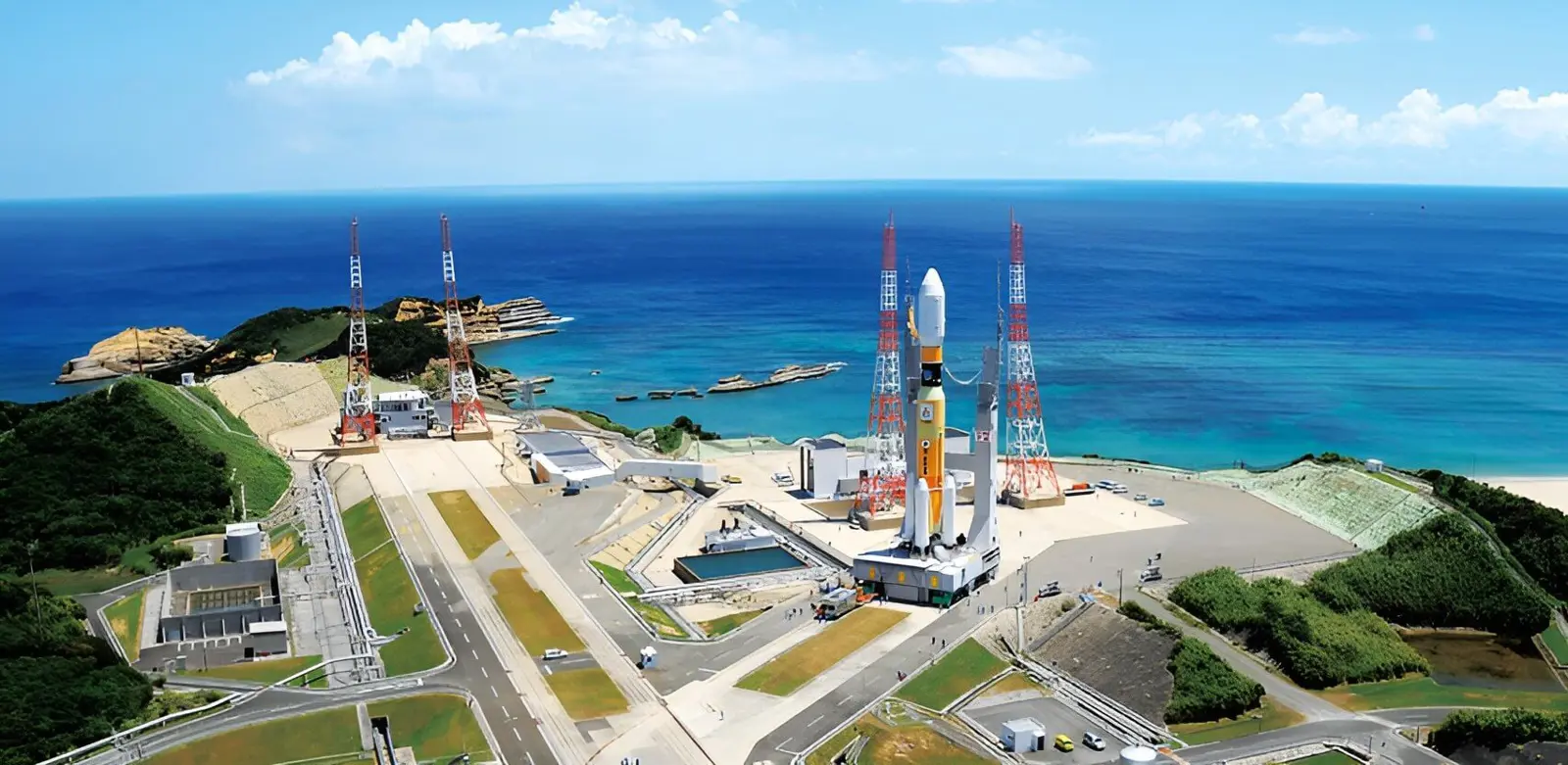
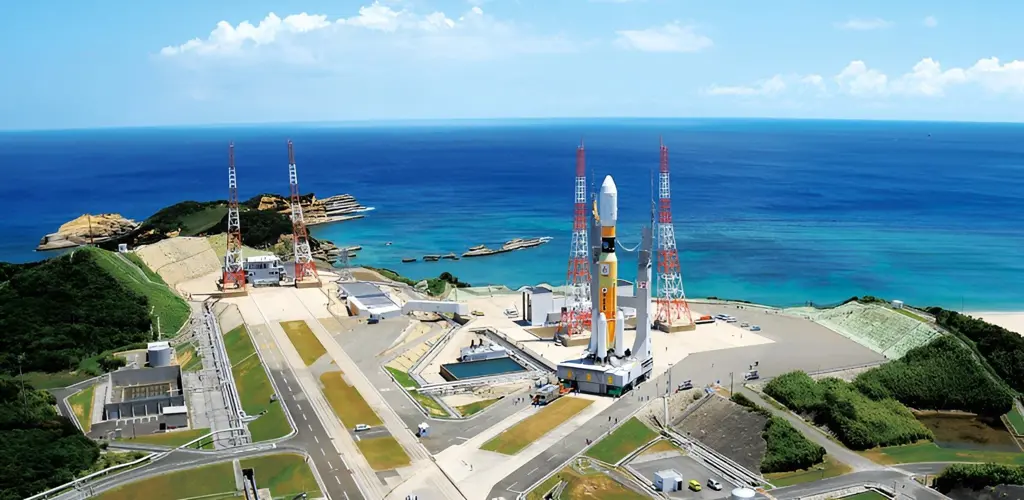
The Tanegashima Space Center is the largest rocket-launch complex in Japan. It is located on the southeastern tip of Tanegashima, an island located south of Kyushu, an island and region and Japan. It was established in 1969 when the National Space Development Agency of Japan (NASDA) was formed, and is now run by JAXA. The activities that take place at TNSC include assembly, testing, launching, and tracking satellites, as well as rocket engine firing tests.
Timezone
Asia/Tokyo
Local Launch Time
Sep 11, 2010, 8:17 PM
Total Launches
98
Total Landings
0
Coordinates
30.4000, 130.9700