
Earth Science
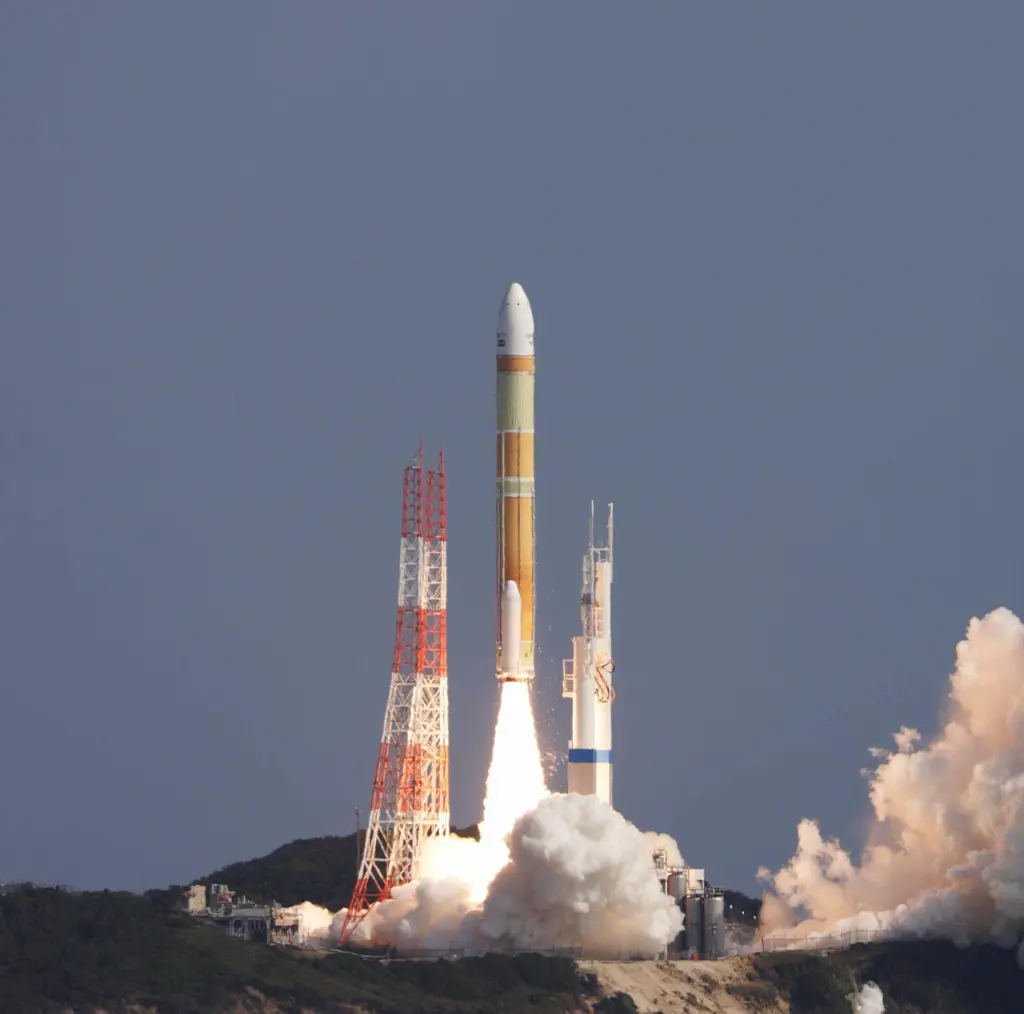
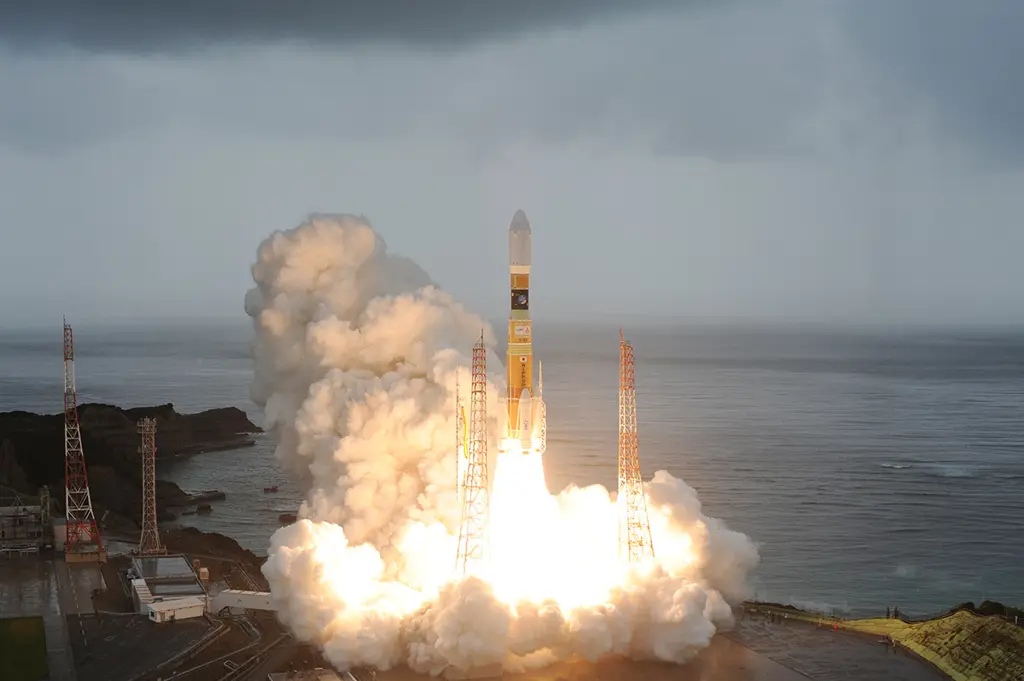
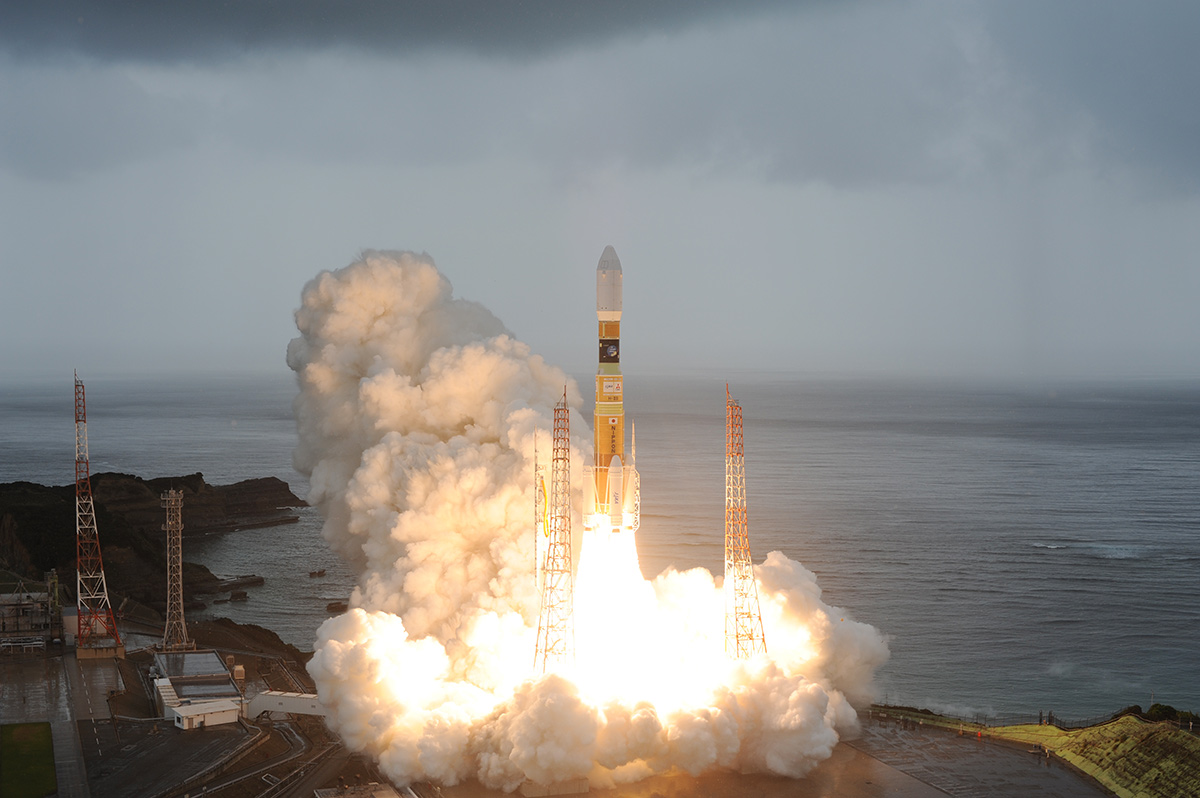
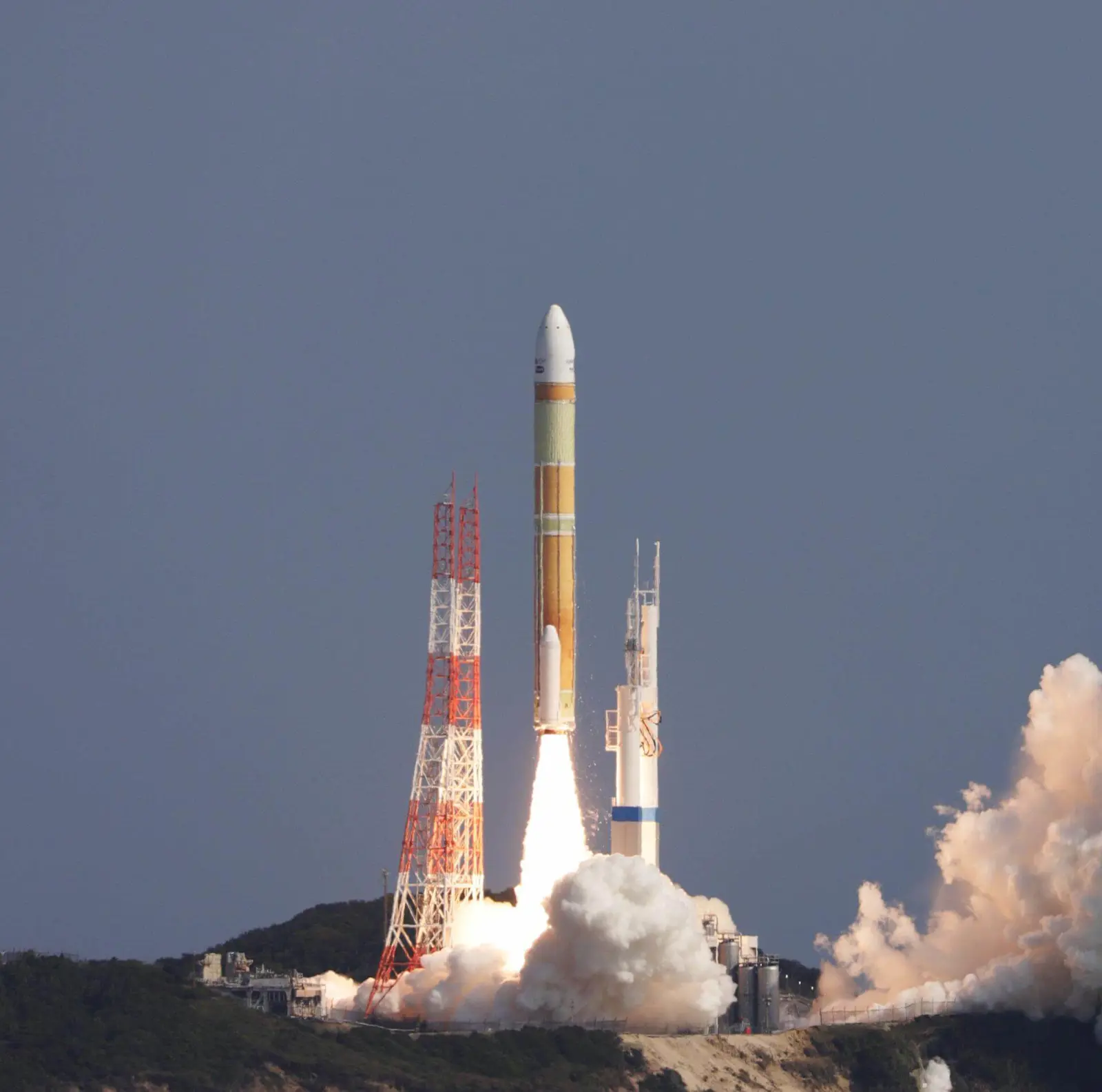
Maiden flight of the H3 launch vehicle, carrying the Advanced Land Observing Satellite-3 (ALOS-3). ALOS-3, also known as Advanced Optical Satellite is a successor of the optical mission of the Advanced Land Observation Satellite “DAICHI” (ALOS). The new satellite will achieve improved ground resolution (0.8 m) while observing a wide -swath (70 km) by a larger sensor with higher performance compared to DAICH, and continuously observe not only Japan but also global land areas to construct a system that can swiftly and timely acquire, process and distribute image data. Based on the accumulated data captured in pre- and post-disaster times, the satellite aims to become one of the imperative devices for disaster prevention and preparation activities of countries and municipal governments. Observation data acquired by the satellite is also expected to be useful in various fields such as contributing to the maintenance and updates of precise geospatial information in Japan as well as developing countries, and research and applications on coastal and land environmental monitoring by its observation capabilities.
2nd stage engine failed to ignite due to electrical circuit failure between vehicle controller and engine igniter at engine ignition.
Orbital Attempt
#6,400
MHI Mission
#48
Pad Launch
#10
Location Launch
#87
Mar 7, 2023, 1:37 AM
Second
1 update
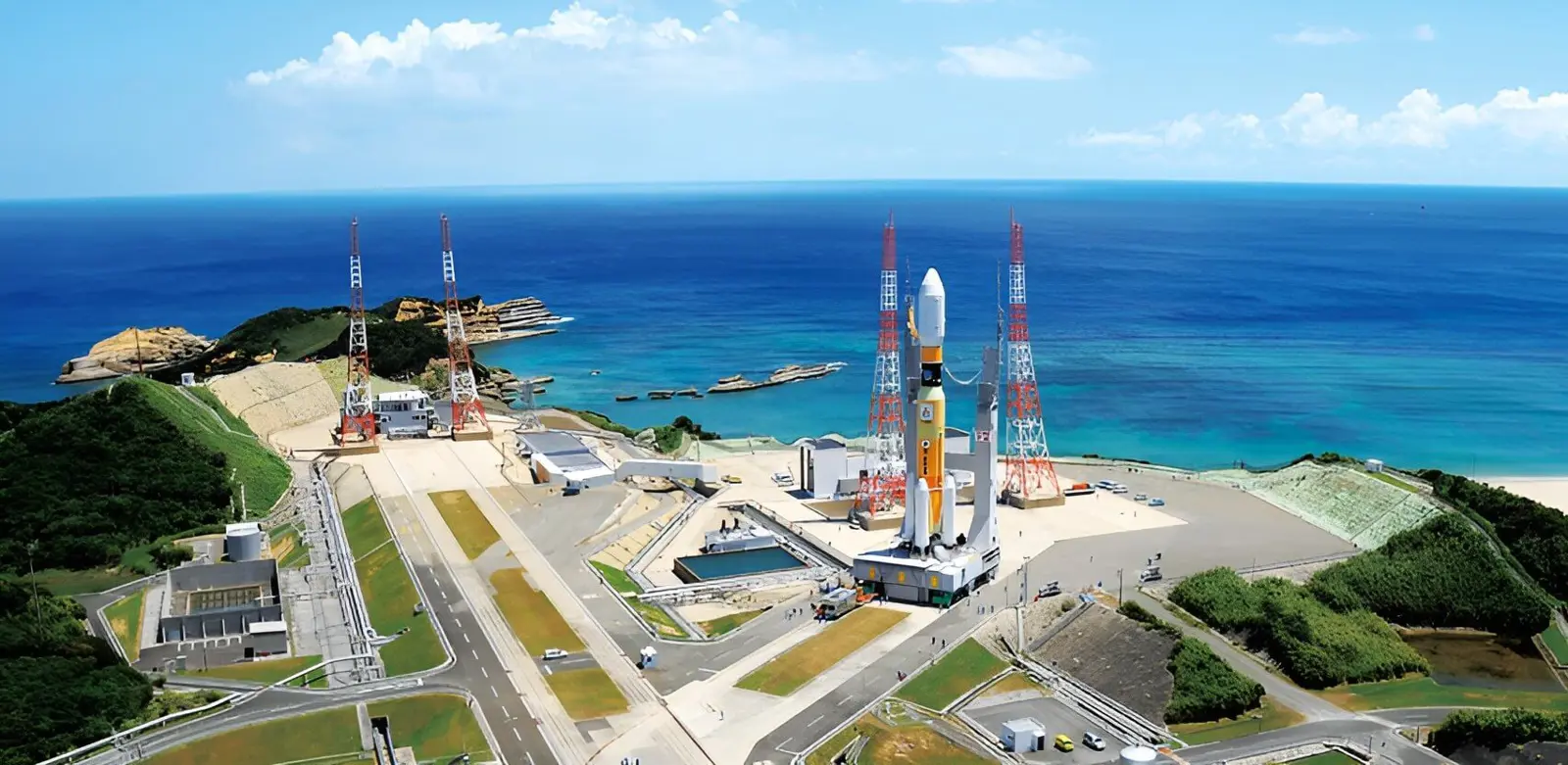
The H3 Launch Vehicle is a Japanese expendable launch system. Each H3 booster configuration has a two-digit and a letter designation that indicates the features of that configuration. The first digit represents the number of LE-9 engines on the main stage, either "2" or "3". The second digit indicates the number of SRB-3 solid rocket boosters attached to the base of the rocket, and can be "0", "2" or "4". All layouts of solid boosters are symmetrical. The letter in the end shows the length of the payload fairing, either short "S" or long "L". For example, an H3-24L has two engines, four solid rocket boosters, and a long fairing, whereas an H3-30S has three engines, no solid rocket boosters, and a short fairing.
Length
63 m
Diameter
5.27 m
Thrust
7,542 kN
GTO Capacity
5,400 kg
Launch Cost
$50M
Reusable
No
Maiden Flight
2023
Fastest Turnaround
3mo
Total Launches
6
Successful
4
Failed
2
Consecutive Success
0
Maiden flight: Mar 7, 2023
Apparent failure at 2nd stage ignition;FTS initiated.
SourceLiftoff.
SourceWebcast live
Source24 hours slip due to weather.
SourceMarch 6 new launch date confirmed by JAXA.
SourceNET March 6 per local news reports and air-space closure notices.
SourceNET early March
SourceLaunch aborted post main engine ignition due to 1st stage problem; roll back to VAB required.
Source24 hr delay after abort
hold at engine ignition
SourceWebcast started
Source2 days slip due to weather.
SourceFebruary 15 launch date confirmed.
SourceDelayed to NET February 15. Launch window TBC.
Source1 day slip due to one day slip of the previous H-IIA launch that flew today
SourceLaunch window confirmed.
SourceNET February 12, 2023
SourceMitsubishi Heavy Industries, Ltd. is a Japanese multinational engineering, electrical equipment and electronics company headquartered in Tokyo, Japan. MHI is one of the core companies of the Mitsubishi Group. MHI's products include aerospace components, air conditioners, aircraft, automotive components, forklift trucks, hydraulic equipment, machine tools, missiles, power generation equipment, printing machines, ships and space launch vehicles. Through its defense-related activities, it is the world's 23rd-largest defense contractor measured by 2011 defense revenues and the largest based in Japan.
Founded
1884
Administrator
President: Seiji Izumisawa
Total Launches
56
Successful
54
Failed
2
Pending
9
Consecutive Success
0
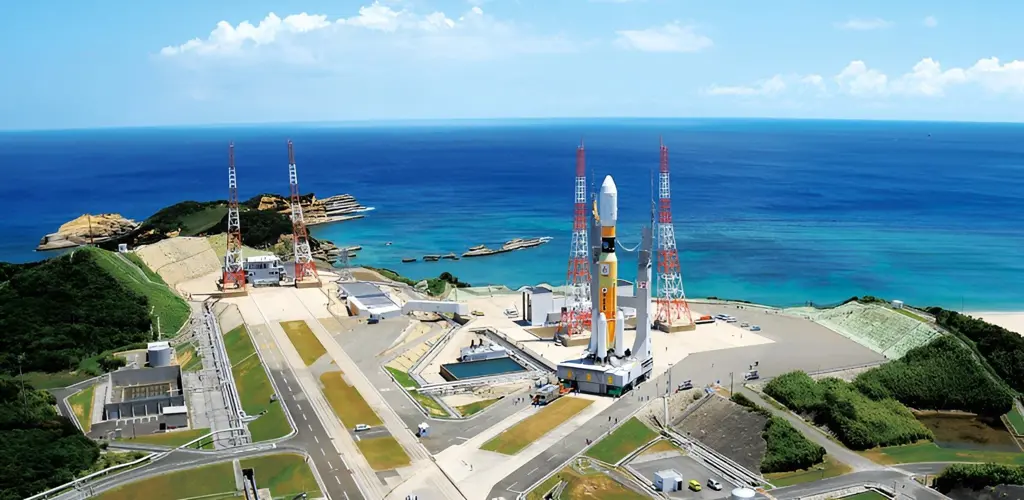
The Tanegashima Space Center is the largest rocket-launch complex in Japan. It is located on the southeastern tip of Tanegashima, an island located south of Kyushu, an island and region and Japan. It was established in 1969 when the National Space Development Agency of Japan (NASDA) was formed, and is now run by JAXA. The activities that take place at TNSC include assembly, testing, launching, and tracking satellites, as well as rocket engine firing tests.
Timezone
Asia/Tokyo
Local Launch Time
Mar 7, 2023, 10:37 AM
Total Launches
97
Total Landings
0
Coordinates
30.4000, 130.9700