
Test Flight
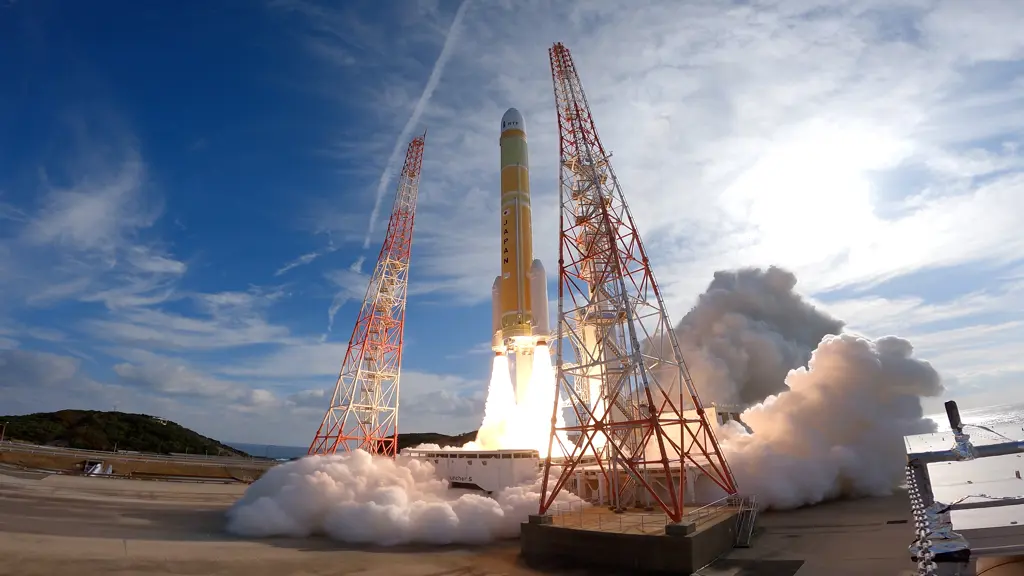
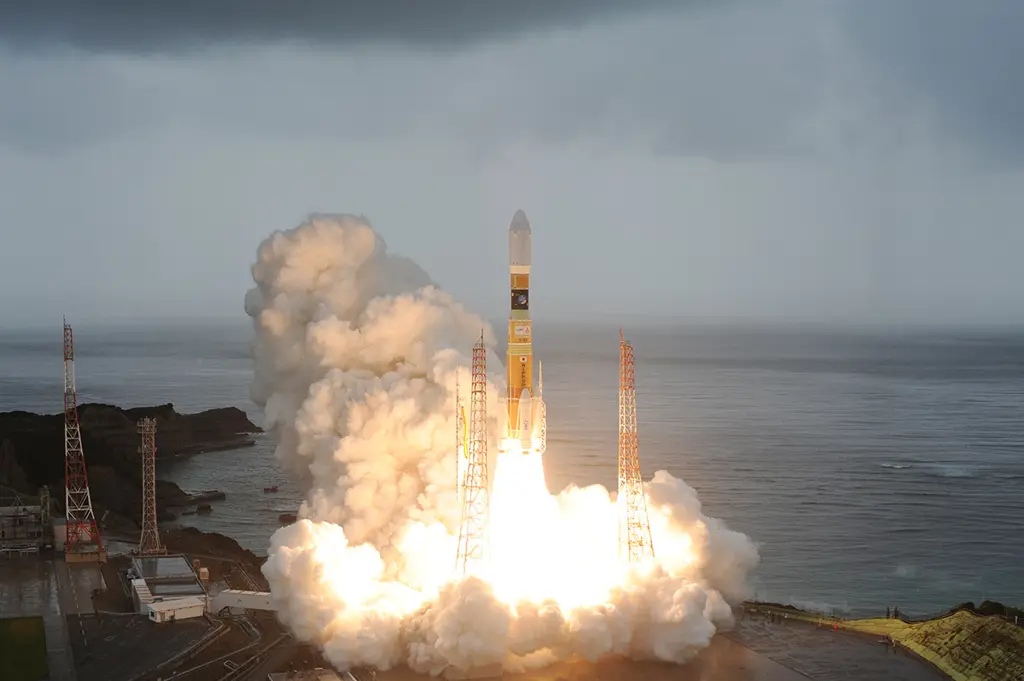
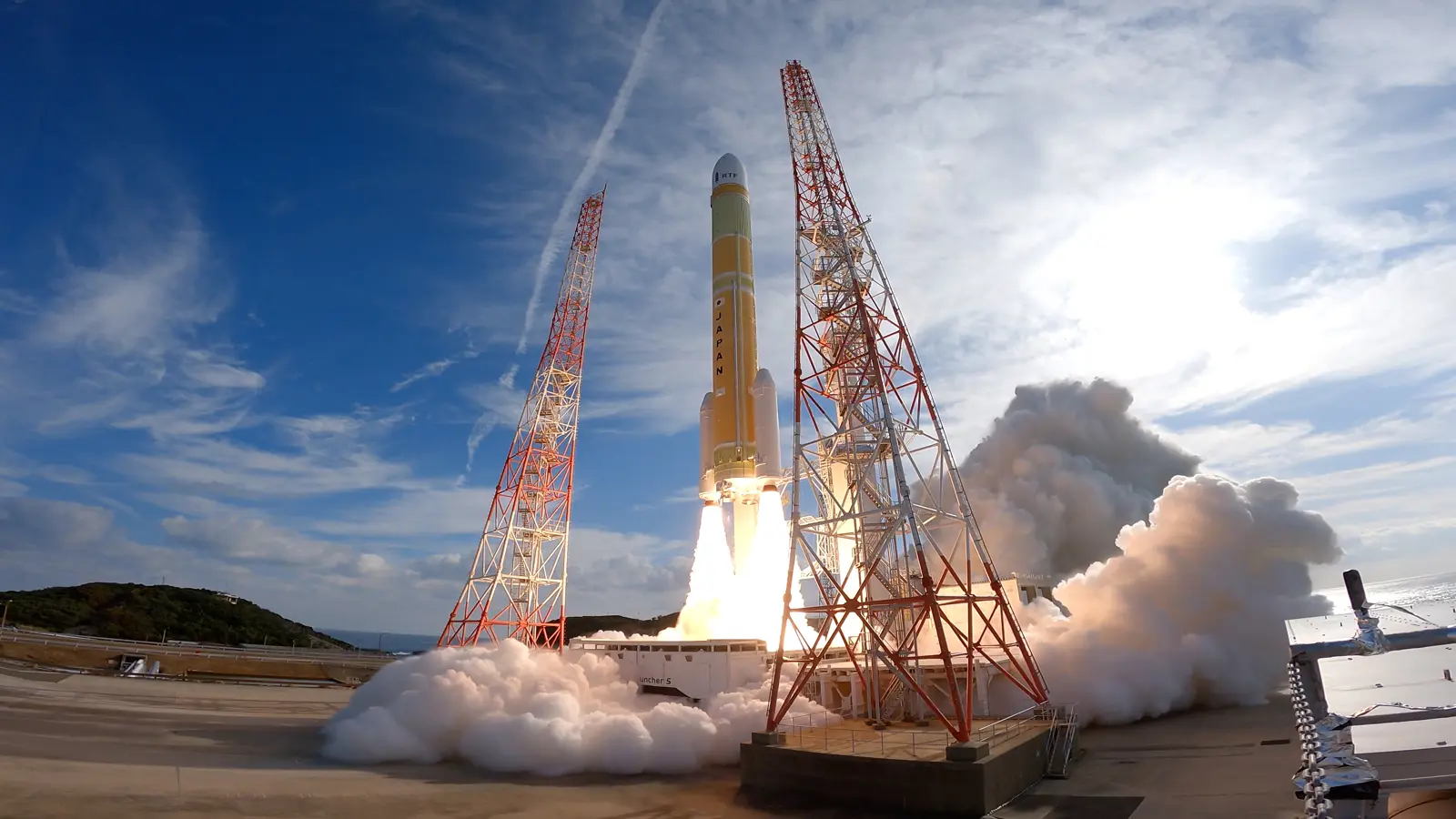
New test flight of the H3 ordered following the failure of the inaugural launch of H3 in March 2023 with ALOS-3. Main payload is VEP 4 (Vehicle Evaluation Payload 4), a 2.6 tonnes mass simulator payload that will be carried on the 2nd test flight of the H3 rocket, instead of the ALOS-4 Earth observation satellite as originally planned. It will be deployed after the 2nd de-orbit burn is completed to test the payload separation mechanism. 2 hitchhiking secondary payloads have been selected in June 2023: * CE-SAT-1E - 70 kilograms class optical Earth observation satellite from Canon Electronics Inc., similar to the previously launched CE-SAT-1. * TIRSAT - 3U cubesat by Japan Space Systems and other institutes to test an infrared sensor for Earth surface observation purposes.
Orbital Attempt
#6,621
MHI Mission
#50
Pad Launch
#11
Location Launch
#90
Designator
2024-032
Feb 17, 2024, 12:22 AM
Second
1 update
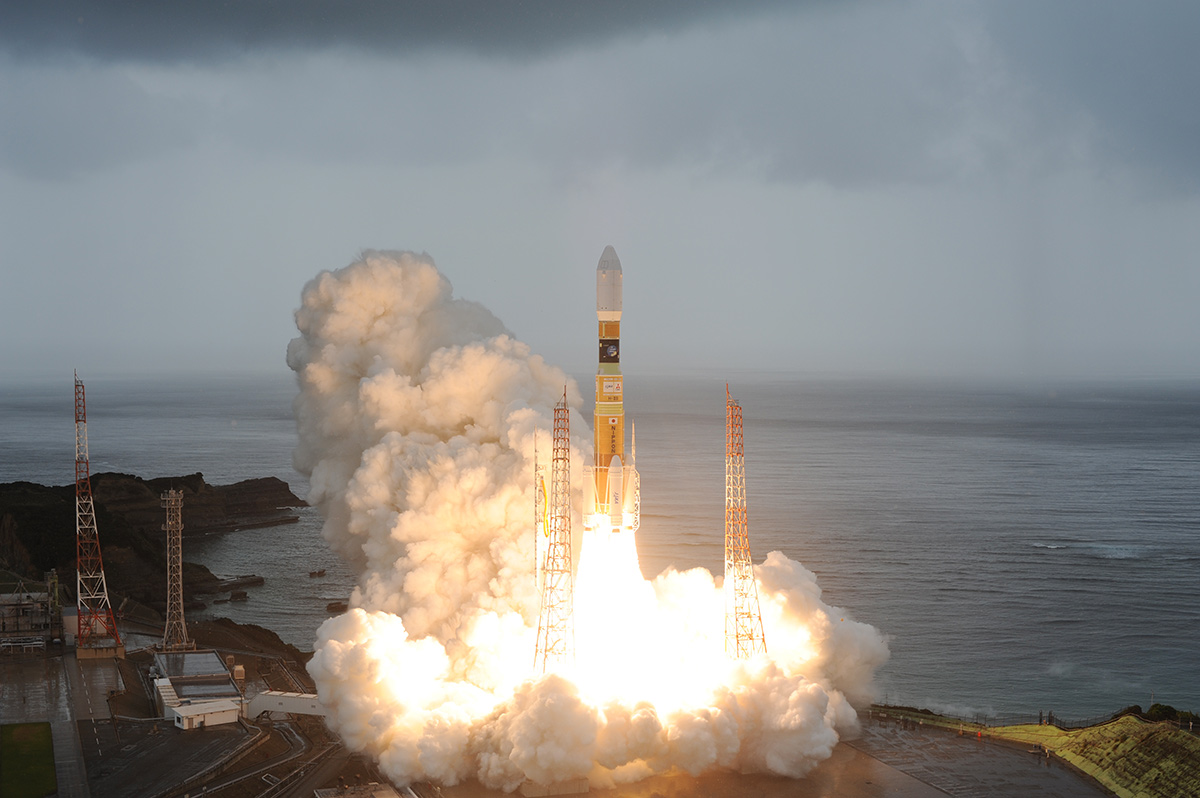
The H3 Launch Vehicle is a Japanese expendable launch system. Each H3 booster configuration has a two-digit and a letter designation that indicates the features of that configuration. The first digit represents the number of LE-9 engines on the main stage, either "2" or "3". The second digit indicates the number of SRB-3 solid rocket boosters attached to the base of the rocket, and can be "0", "2" or "4". All layouts of solid boosters are symmetrical. The letter in the end shows the length of the payload fairing, either short "S" or long "L". For example, an H3-24L has two engines, four solid rocket boosters, and a long fairing, whereas an H3-30S has three engines, no solid rocket boosters, and a short fairing.
Length
63 m
Diameter
5.27 m
Thrust
7,542 kN
GTO Capacity
5,400 kg
Launch Cost
$50M
Reusable
No
Maiden Flight
2023
Fastest Turnaround
3mo
Total Launches
6
Successful
4
Failed
2
Consecutive Success
0
Maiden flight: Mar 7, 2023
Launch success, all payloads separated into planned orbits.
SourceLiftoff.
SourceLivestream has started
SourceRescheduled for February 17.
SourceDelayed from February 15 due to launch site weather, new launch date TBD.
SourceAdded launch window and payload.
SourceNET February 15, 2024.
SourceNo longer scheduled in 2023 (Q1 2024 is inferred from previous reports of launch within Fiscal Year 2023 in Japan).
SourceTargeting 2023
SourceAdded launch per Japanese government decision to de-manifest ALOS-4 from the 2nd launch of H3 and replace it with a new test launch in the -22 configuration.
SourceMitsubishi Heavy Industries, Ltd. is a Japanese multinational engineering, electrical equipment and electronics company headquartered in Tokyo, Japan. MHI is one of the core companies of the Mitsubishi Group. MHI's products include aerospace components, air conditioners, aircraft, automotive components, forklift trucks, hydraulic equipment, machine tools, missiles, power generation equipment, printing machines, ships and space launch vehicles. Through its defense-related activities, it is the world's 23rd-largest defense contractor measured by 2011 defense revenues and the largest based in Japan.
Founded
1884
Administrator
President: Seiji Izumisawa
Total Launches
56
Successful
54
Failed
2
Pending
9
Consecutive Success
0
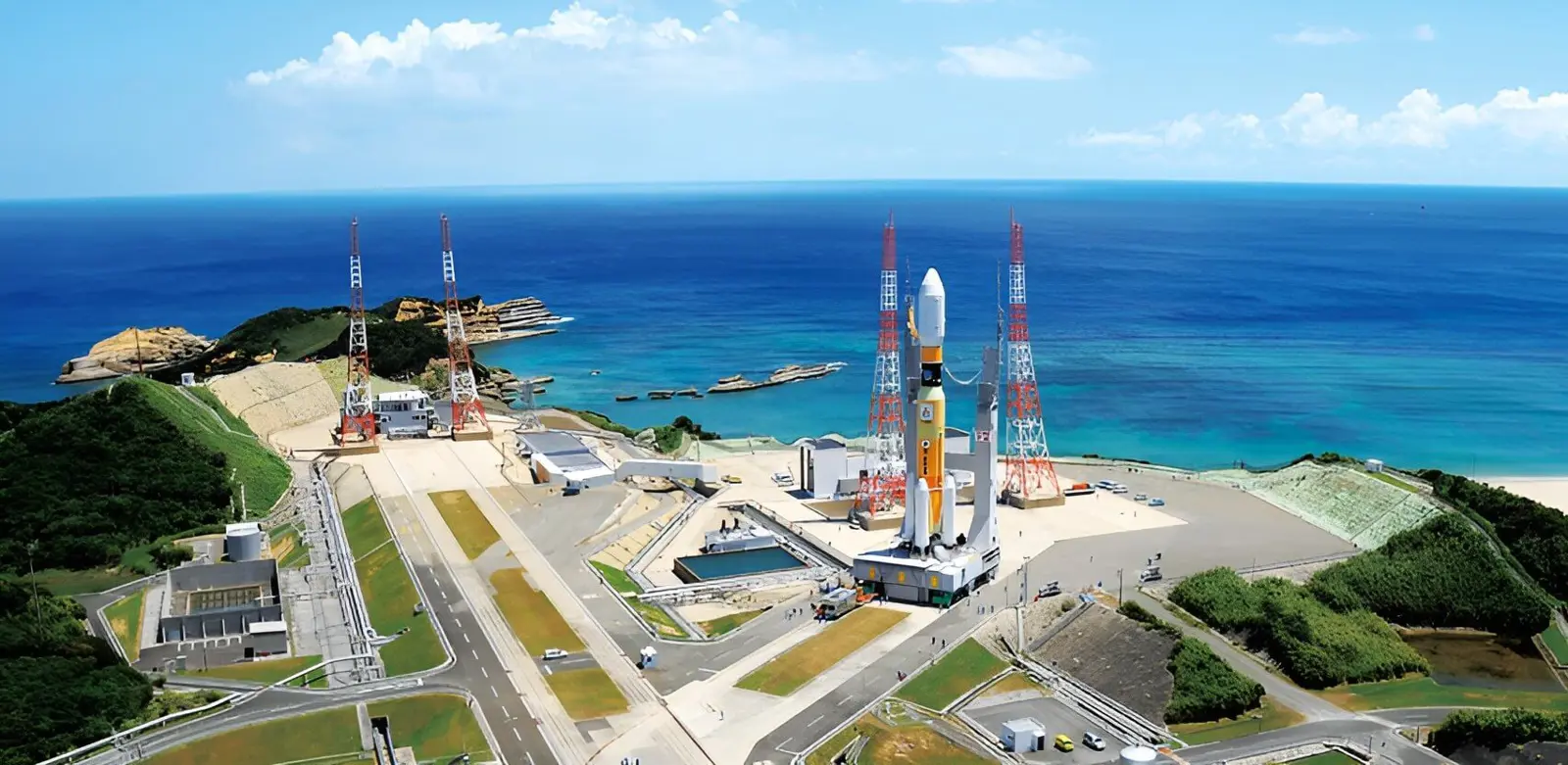
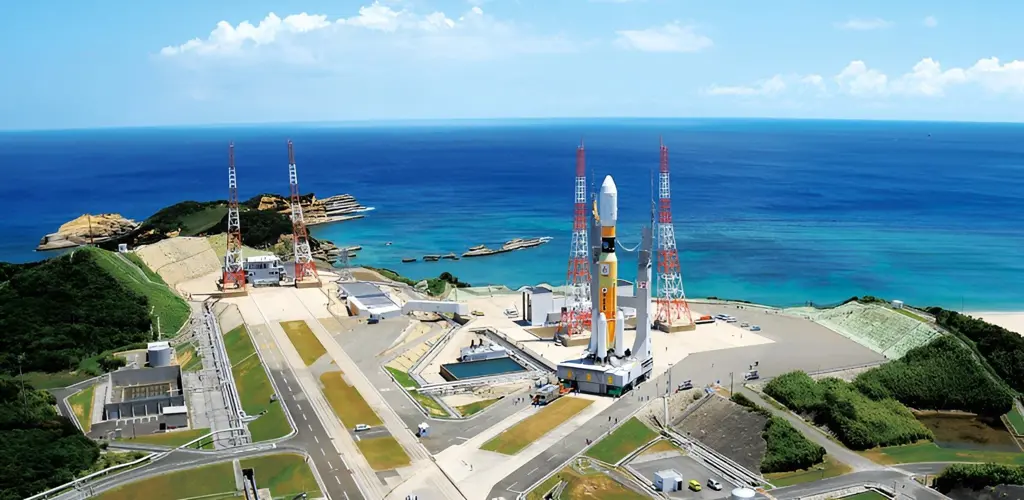
The Tanegashima Space Center is the largest rocket-launch complex in Japan. It is located on the southeastern tip of Tanegashima, an island located south of Kyushu, an island and region and Japan. It was established in 1969 when the National Space Development Agency of Japan (NASDA) was formed, and is now run by JAXA. The activities that take place at TNSC include assembly, testing, launching, and tracking satellites, as well as rocket engine firing tests.
Timezone
Asia/Tokyo
Local Launch Time
Feb 17, 2024, 9:22 AM
Total Launches
97
Total Landings
0
Coordinates
30.4000, 130.9700