Human Exploration
Return flight of Apollo 15 from the Moon.
Orbital Attempt
#1,245
NASA Mission
#111
Pad Launch
#1
Location Launch
#1
Aug 2, 1971, 5:11 PM
Second
1 update
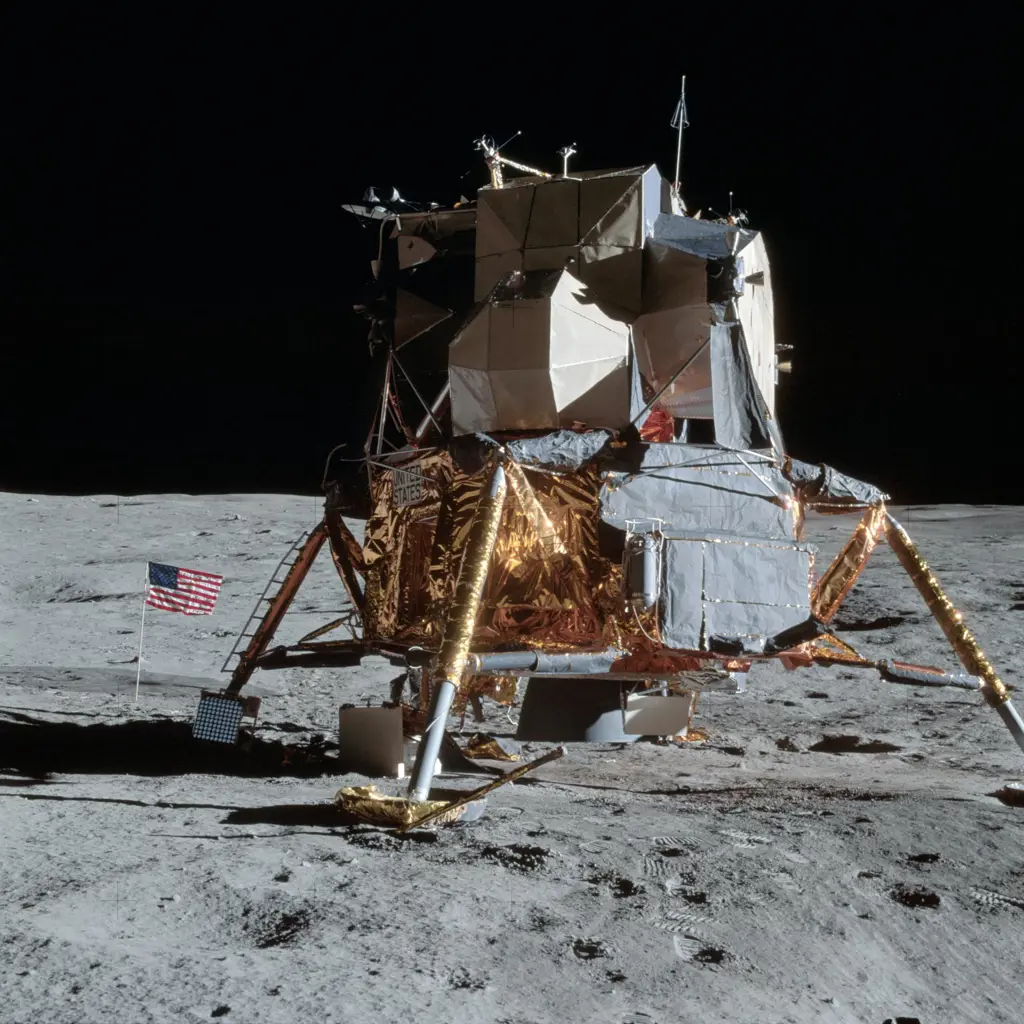
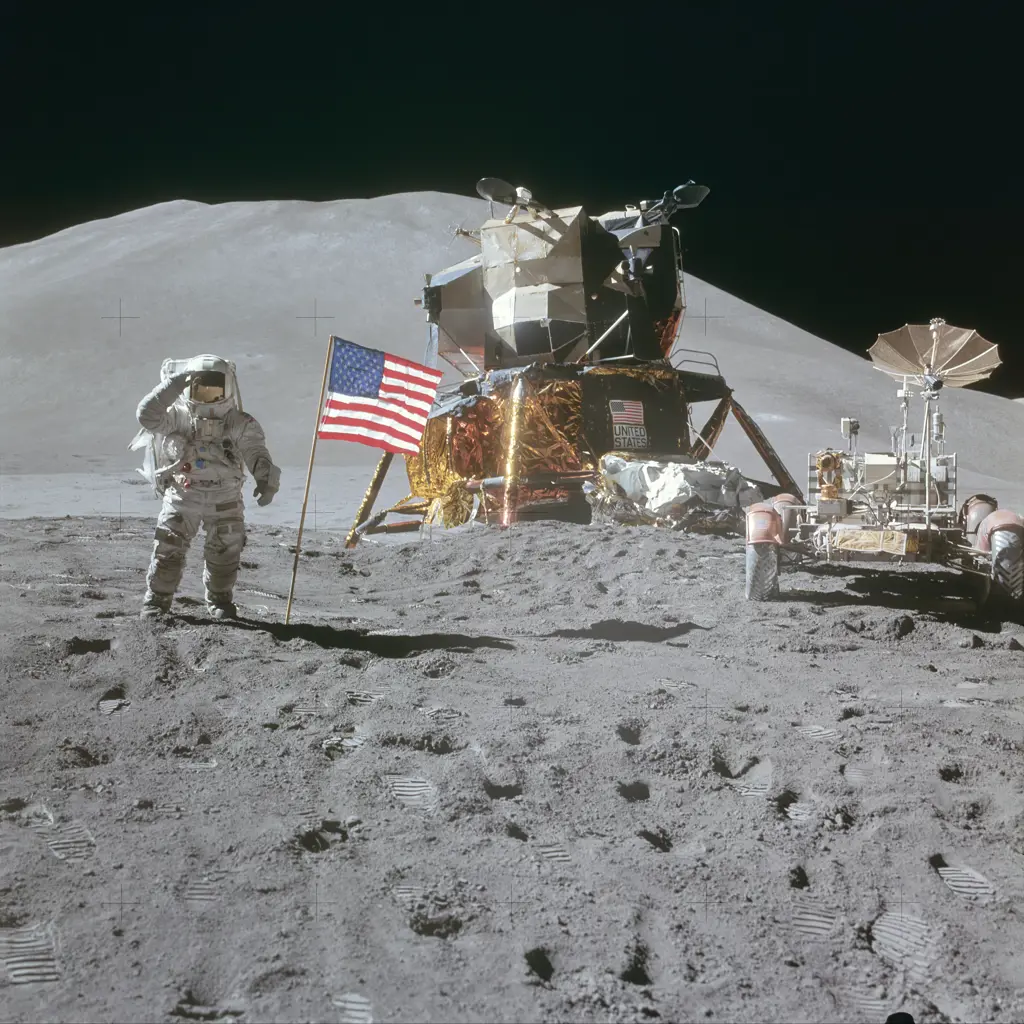
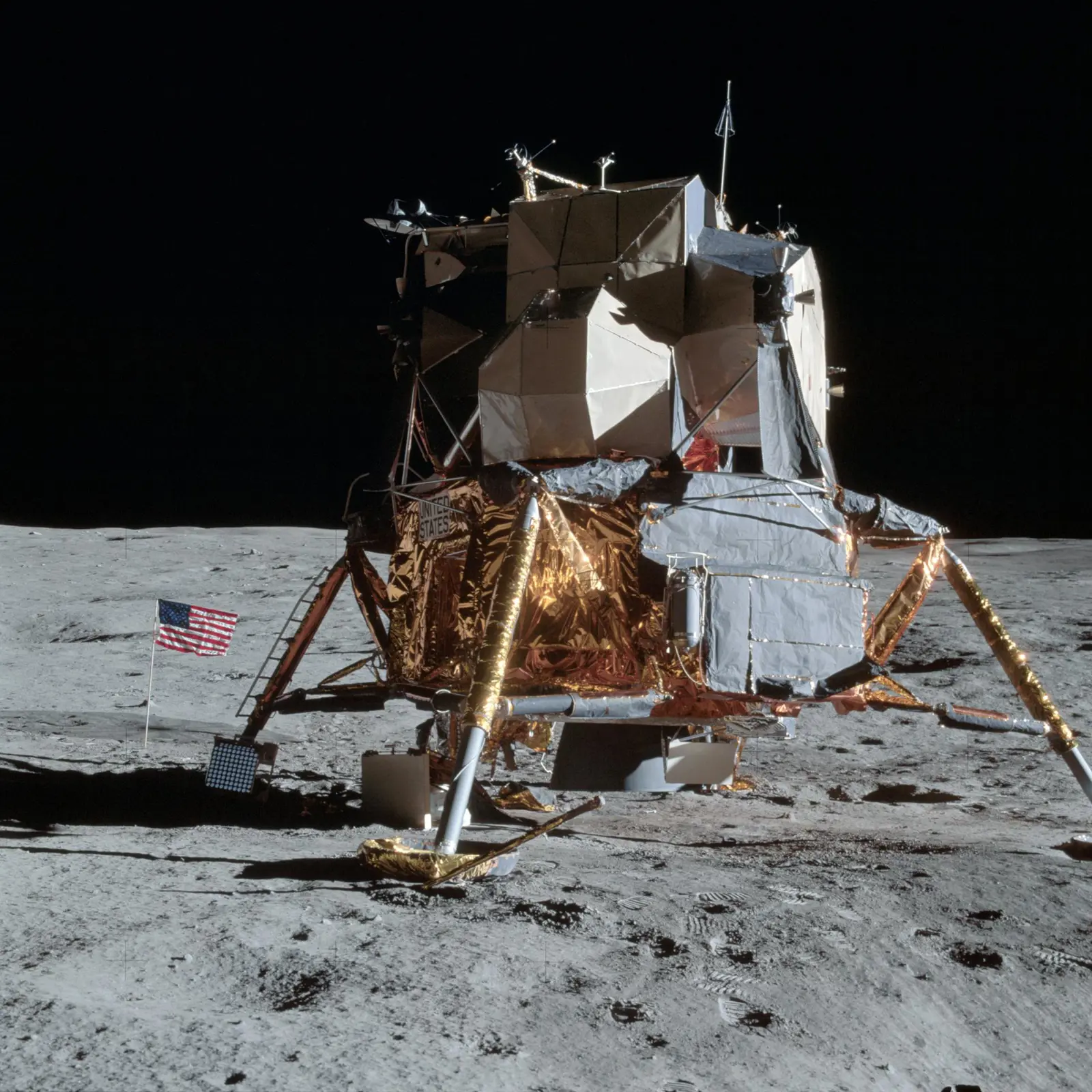
Landing site of Apollo 15’s lunar module Falcon on 30 July 1971.
Total Launches
1
Orbital Attempts
1
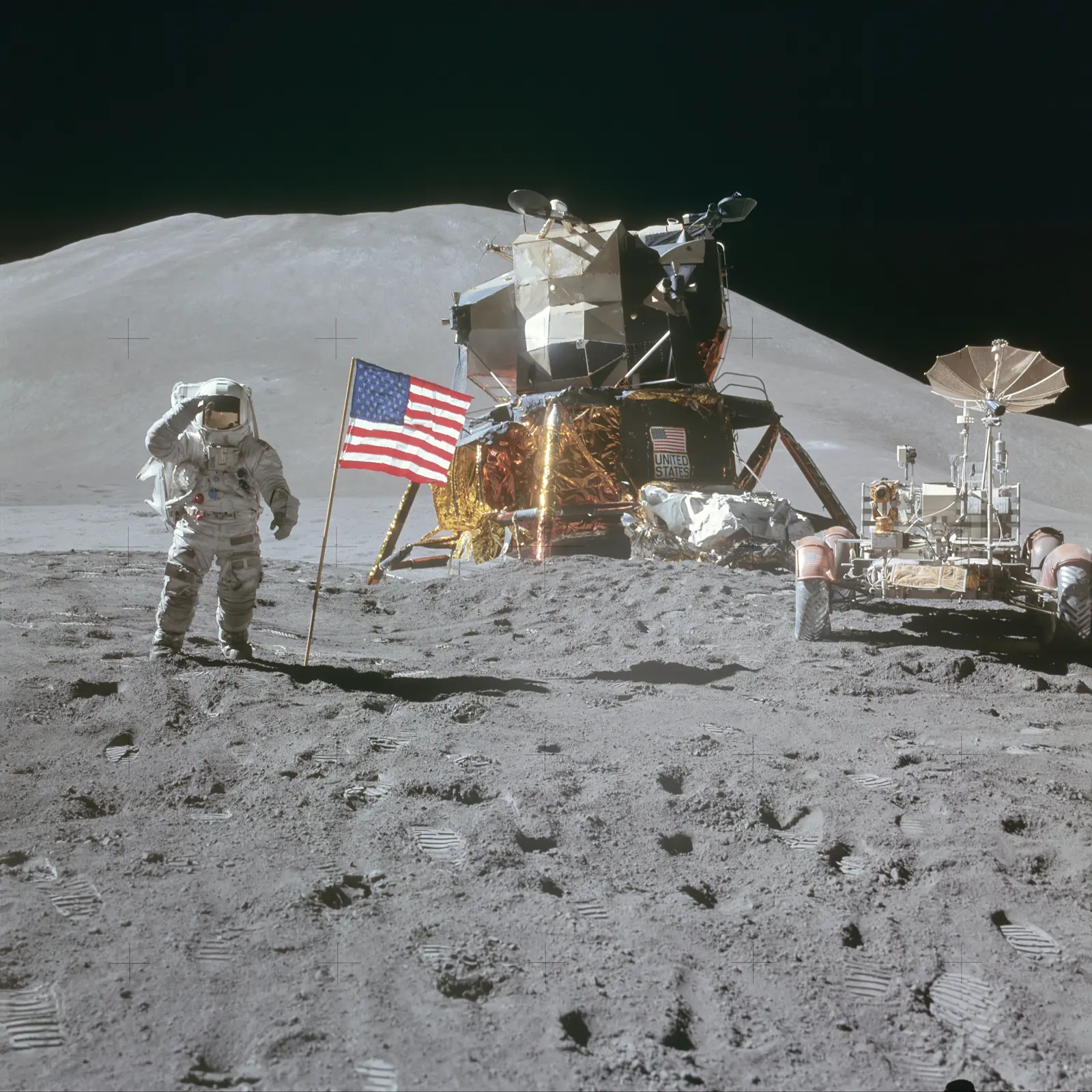
The Apollo lunar module (LM) ascent stage contained the crew cabin with instrument panels and flight controls. It contained its own Ascent Propulsion System (APS) engine and two hypergolic propellant tanks for return to lunar orbit and rendezvous with the Apollo command and service module.
Length
2.832 m
Diameter
4.29 m
Launch Mass
5 t
Thrust
16 kN
Reusable
No
Maiden Flight
1969
Fastest Turnaround
4mo 1d
Total Launches
6
Successful
6
Failed
0
Consecutive Success
6
Maiden flight: Jul 21, 1969
The National Aeronautics and Space Administration is an independent agency of the executive branch of the United States federal government responsible for the civilian space program, as well as aeronautics and aerospace research. NASA have many launch facilities but most are inactive. The most commonly used pad will be LC-39B at Kennedy Space Center in Florida.
Founded
1958
Administrator
Administrator: Jared Isaacman
Total Launches
142
Successful
122
Failed
20
Pending
5
Consecutive Success
12
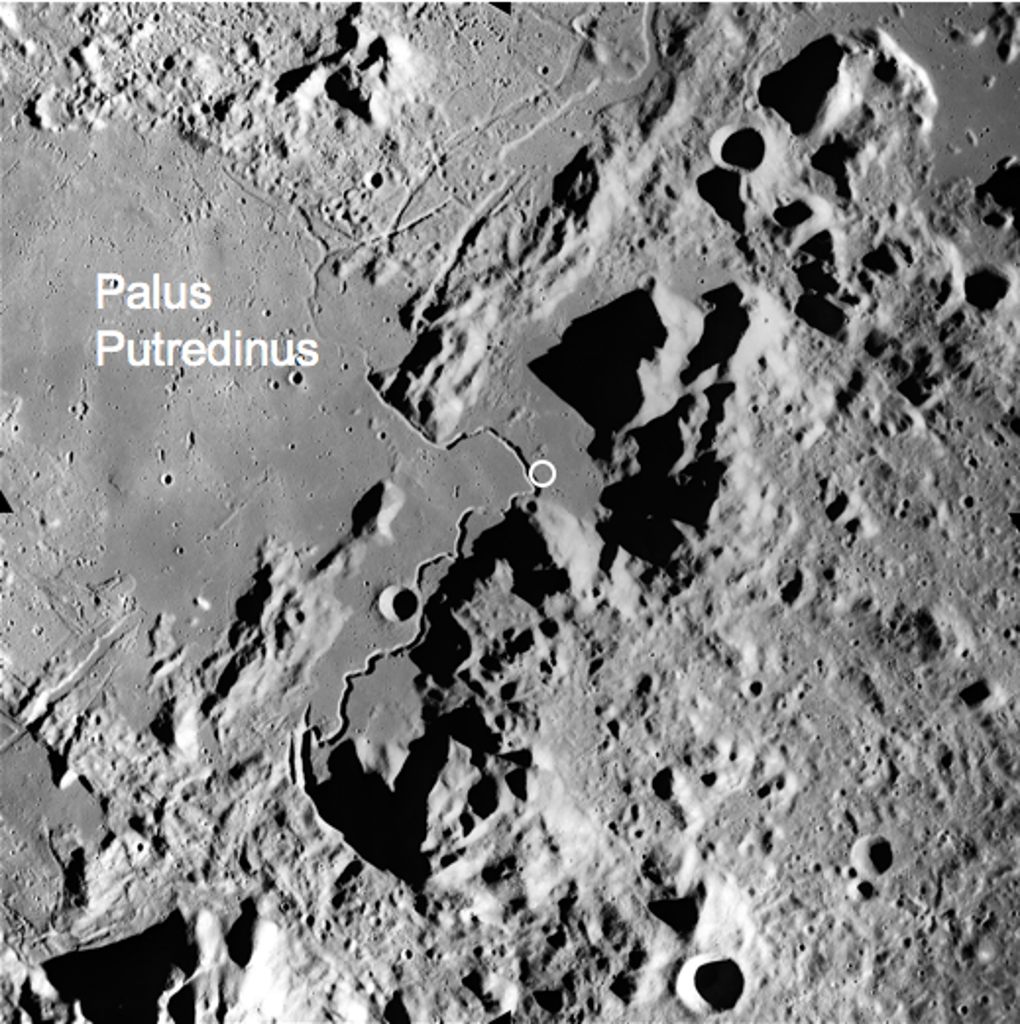
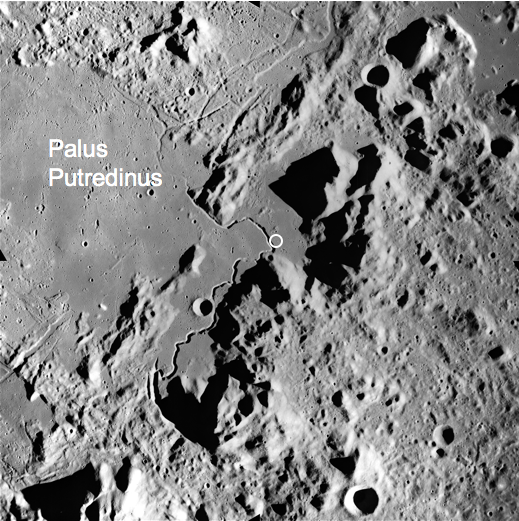
Hadley–Apennine is a region on the near side of Earth's Moon that served as the landing site for the American Apollo 15 mission, the fourth crewed landing on the Moon and the first of the "J-missions", in July 1971. The site is located on the eastern edge of Mare Imbrium on a lava plain known as Palus Putredinis. Hadley–Apennine is bordered by the Montes Apenninus (often referred to as "Apennine Front"), a mountain range, and Hadley Rille, a meandering channel, on the east and west, respectively.
Total Launches
1
Total Landings
0
Coordinates
26.1322, 3.6339