Test Flight
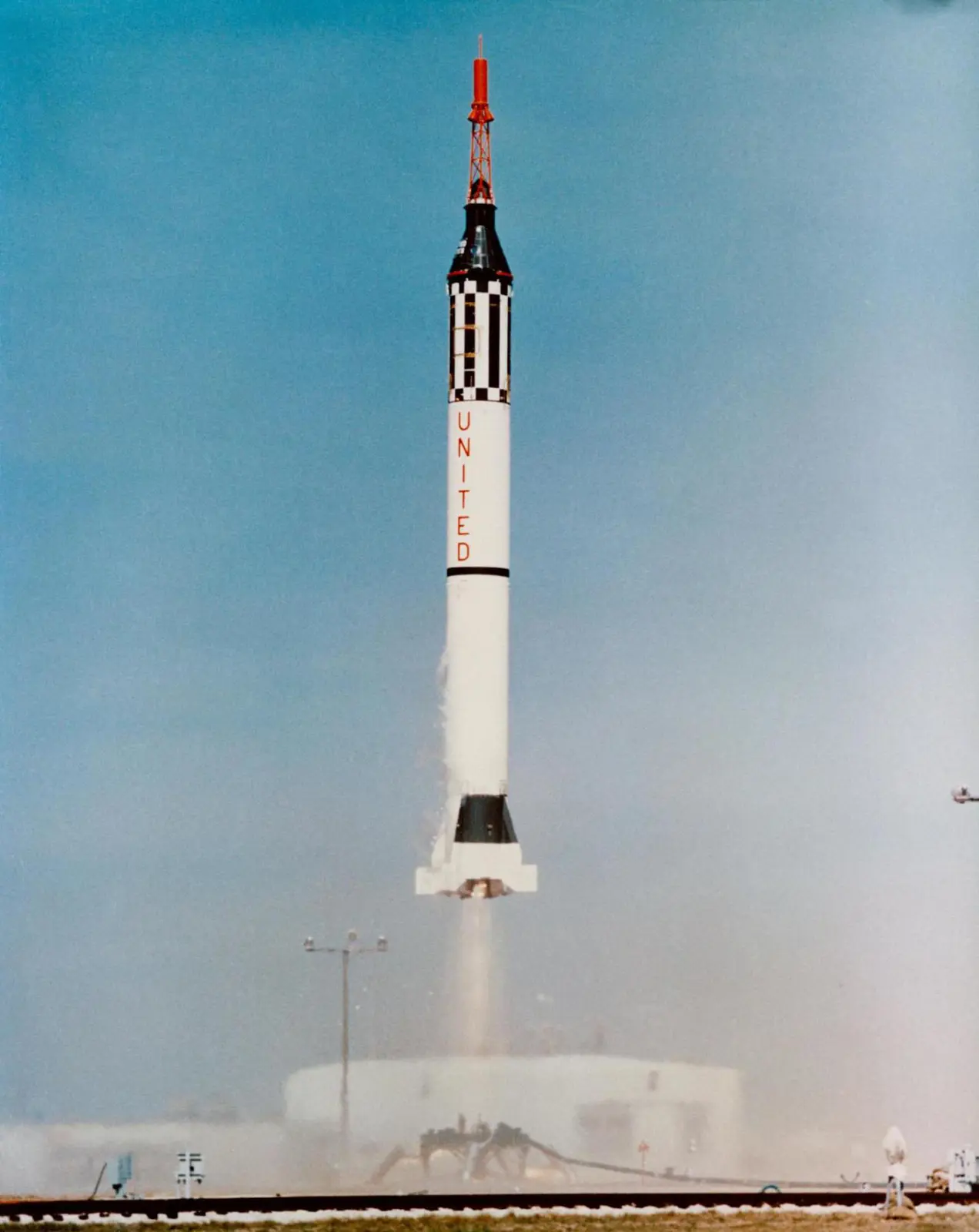
Mercury-Redstone 1 (MR-1) was the first Mercury-Redstone uncrewed flight test in Project Mercury and the first attempt to launch a Mercury spacecraft with the Mercury-Redstone Launch Vehicle. Intended to be an uncrewed sub-orbital spaceflight, it was launched on November 21, 1960 from Cape Canaveral Air Force Station, Florida. The launch failed in abnormal fashion: immediately after the Mercury-Redstone rocket started to move, it shut itself down and settled back on the pad, after which the capsule jettisoned its escape rocket and deployed its recovery parachutes. The failure has been referred to as the "four-inch flight", for the approximate distance traveled by the launch vehicle.
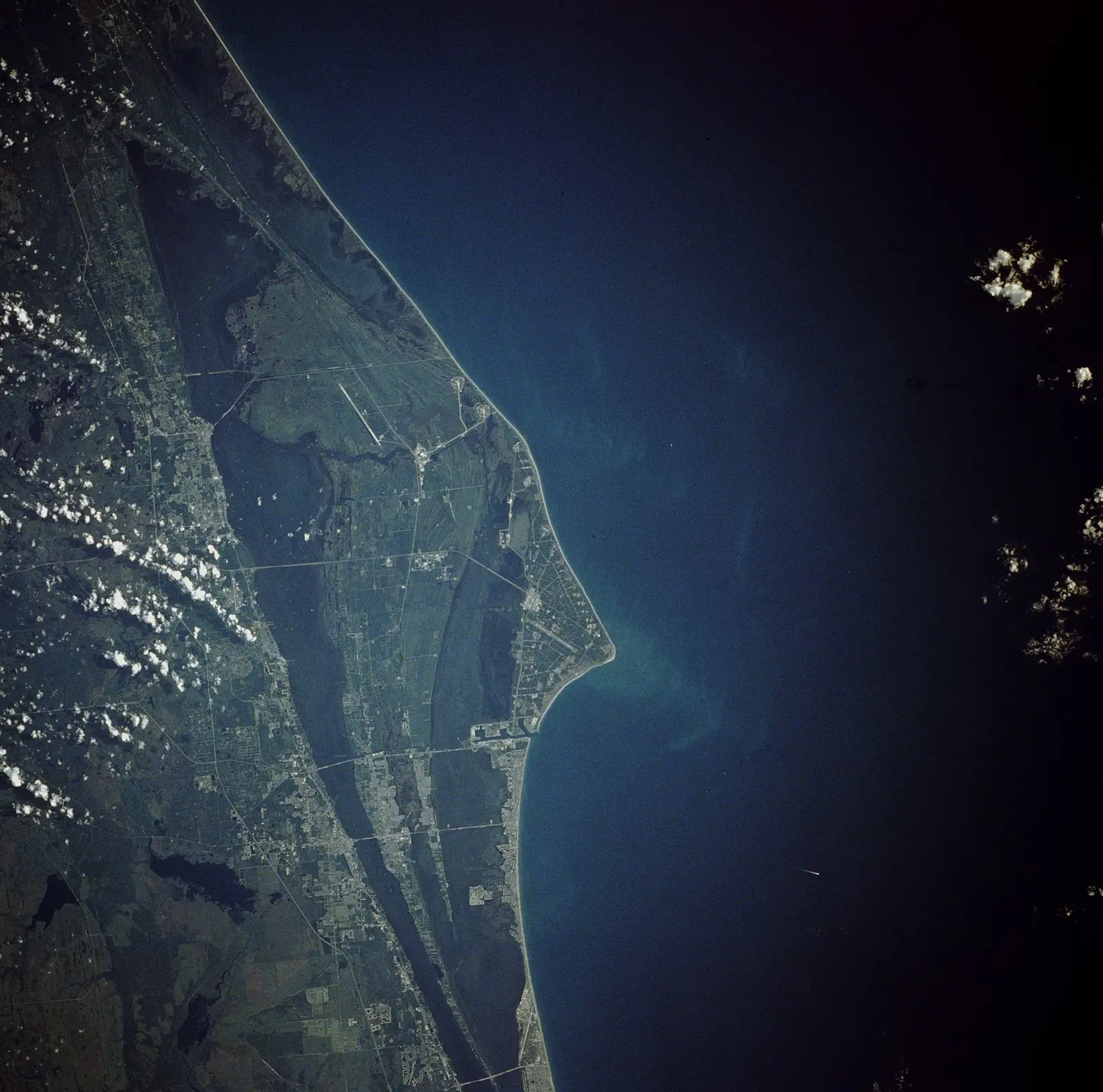
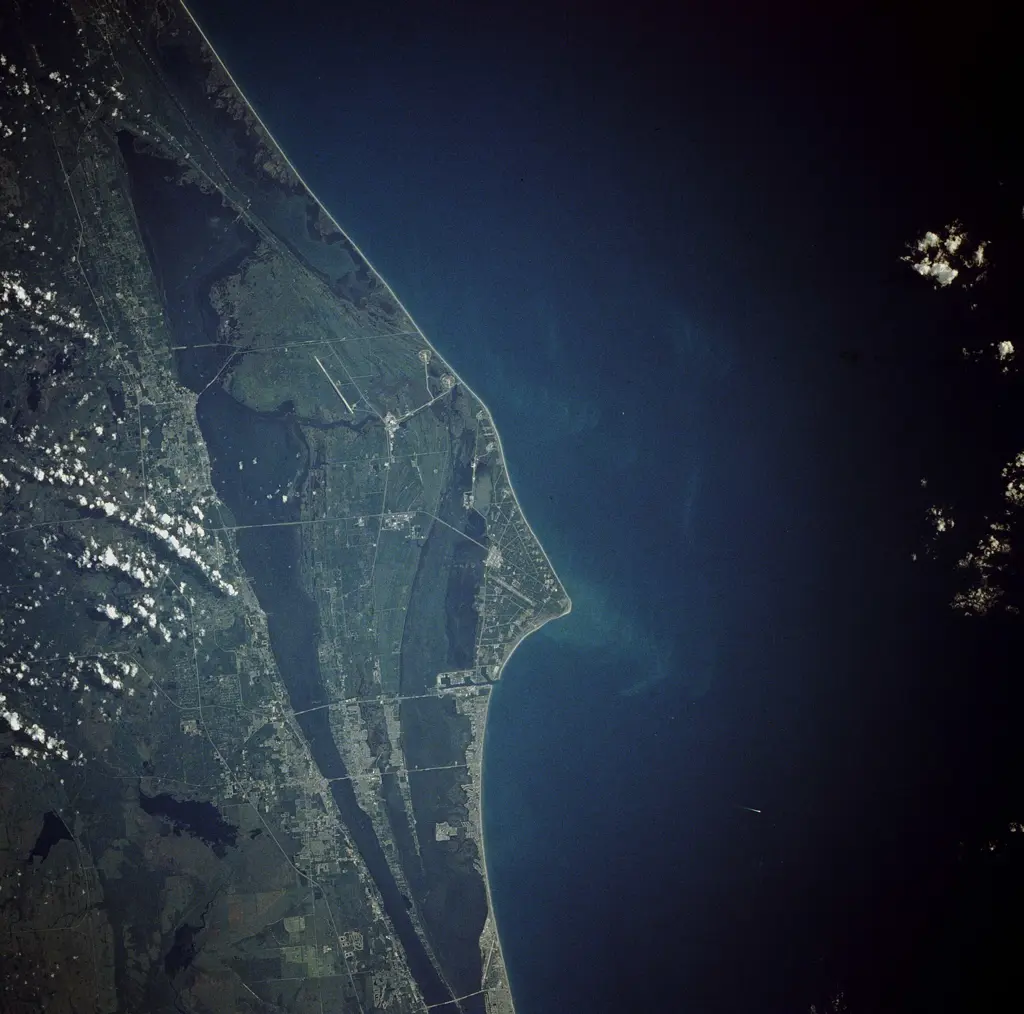
Cape Canaveral Space Force Station (CCSFS) is an installation of the United States Space Force's Space Launch Delta 45, located on Cape Canaveral in Brevard County, Florida.
Timezone
America/New_York
Local Launch Time
Nov 21, 1960, 9:00 AM
Total Launches
1,109
Total Landings
75
Coordinates
28.4889, -80.5778
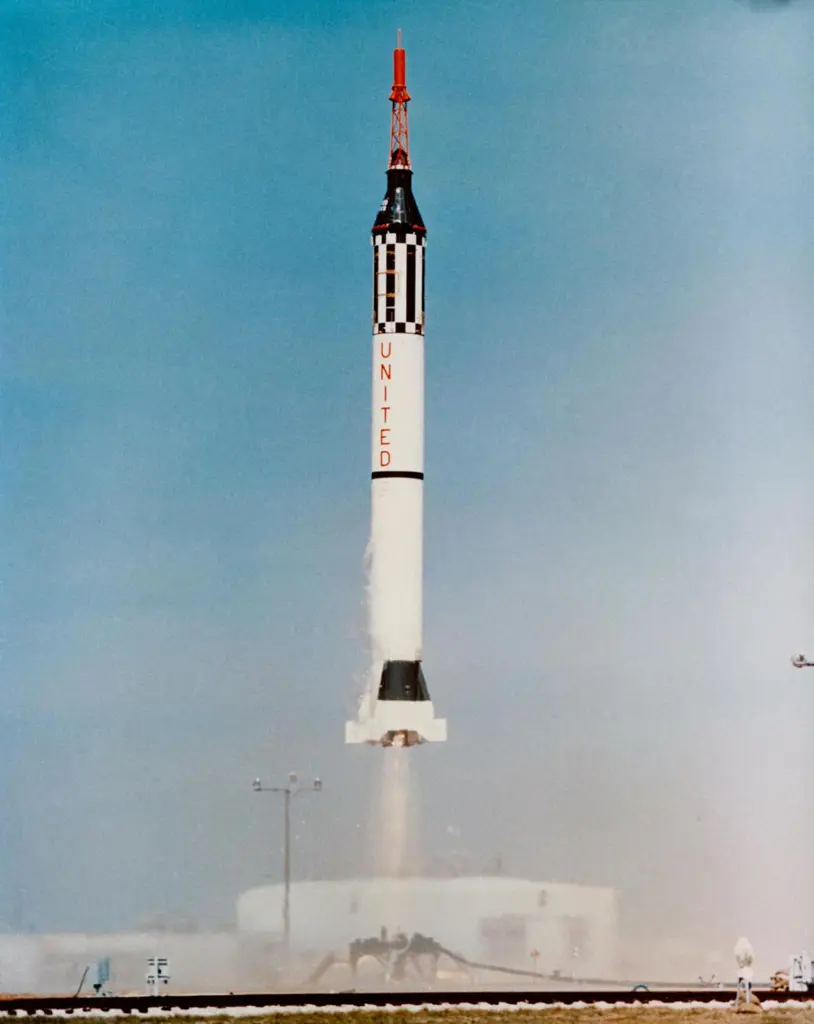
The Mercury-Redstone Launch Vehicle, designed for NASA's Project Mercury, was the first American manned space booster. It was used for six sub-orbital Mercury flights from 1960–61; culminating with the launch of the first, and 11 weeks later, the second American (and the second and third humans) in space. The four subsequent Mercury human spaceflights used the more powerful Atlas booster to enter low Earth orbit. A member of the Redstone rocket family, it was derived from the U.S. Army's Redstone ballistic missile and the first stage of the related Jupiter-C launch vehicle; but to human-rate it, the structure and systems were modified to improve safety and reliability.
Length
25.41 m
Diameter
1.78 m
Launch Mass
30 t
Reusable
No
Maiden Flight
1960
Fastest Turnaround
28d 2h
Total Launches
6
Successful
5
Failed
1
Consecutive Success
5
Maiden flight: Nov 21, 1960
The National Aeronautics and Space Administration is an independent agency of the executive branch of the United States federal government responsible for the civilian space program, as well as aeronautics and aerospace research. NASA have many launch facilities but most are inactive. The most commonly used pad will be LC-39B at Kennedy Space Center in Florida.
Founded
1958
Administrator
Administrator: Jared Isaacman
Total Launches
142
Successful
122
Failed
20
Pending
5
Consecutive Success
12