Human Exploration
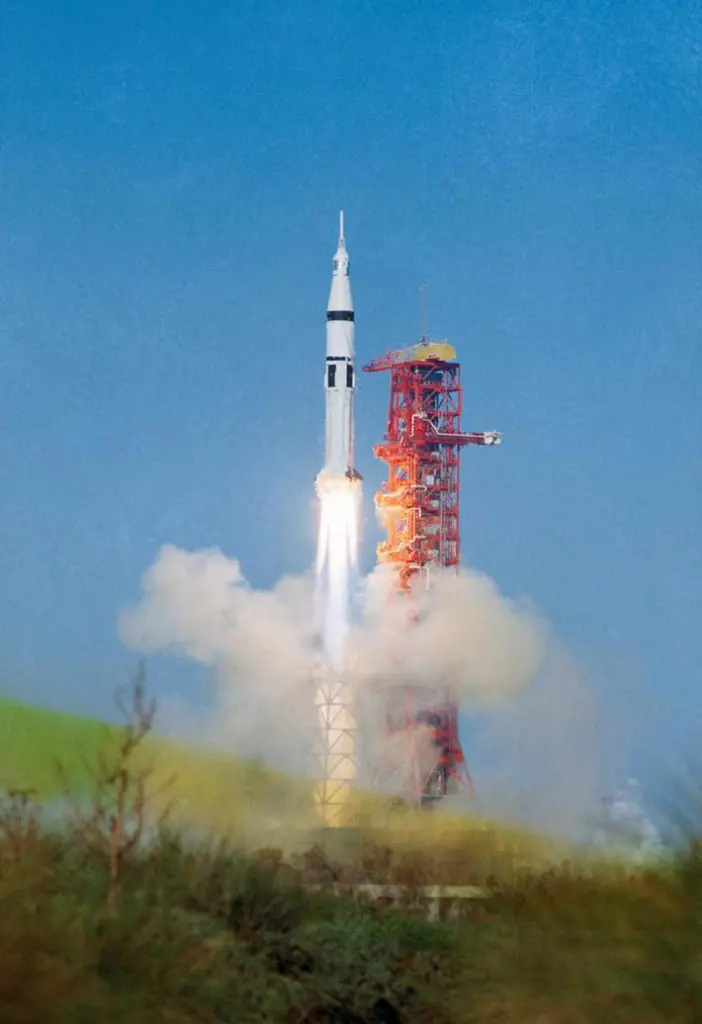
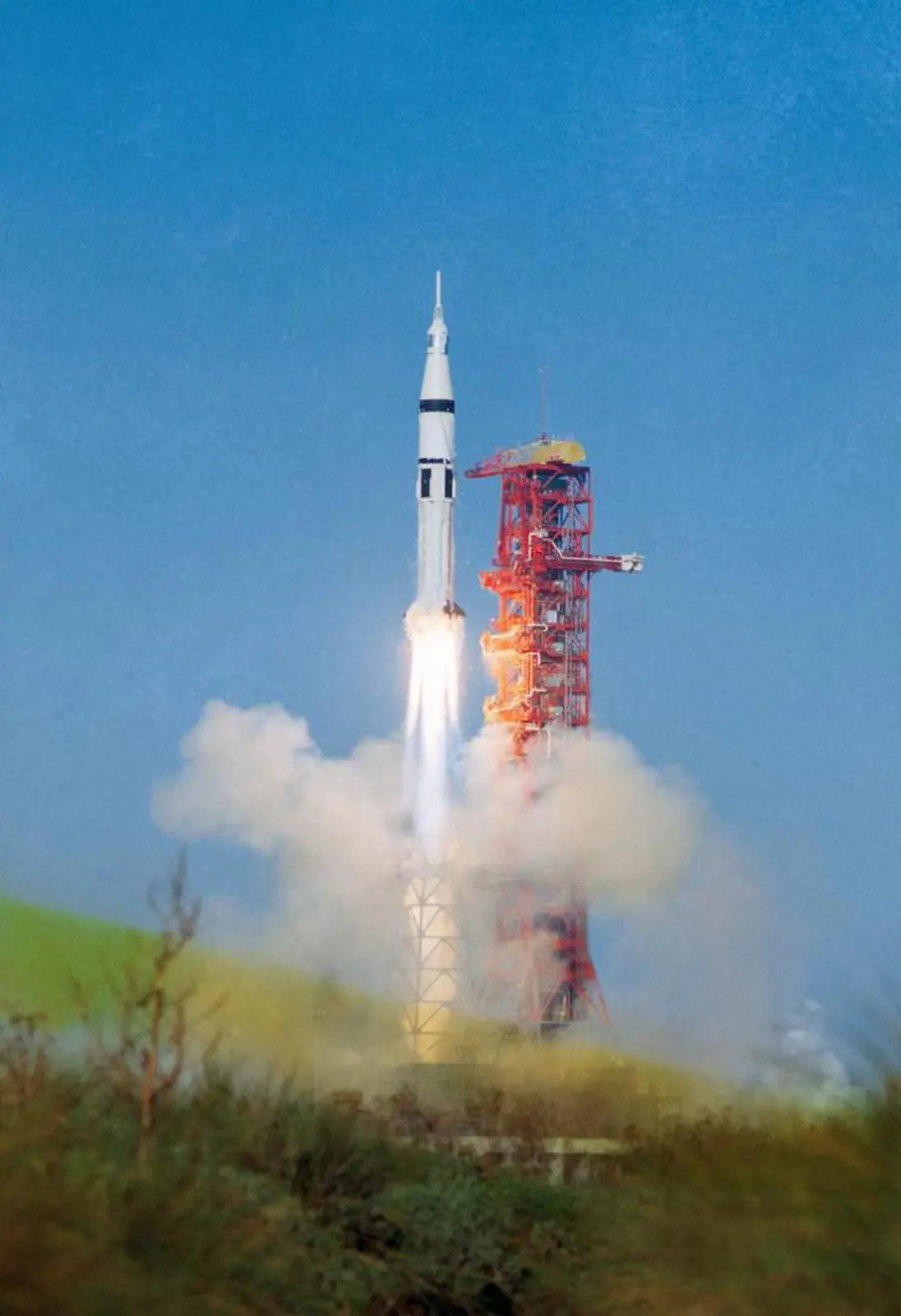
Crew and spacecraft lost due to a cabin fire that occurred during a launch rehearsal at Cape Kennedy Air Force Station Launch Complex 34 on January 27, 1967.
Apollo 1, initially designated AS-204, was the first crewed mission of the United States Apollo program, the undertaking to land the first man on the Moon. It was planned to launch on February 21, 1967, as the first low Earth orbital test of the Apollo command and service module. The mission never flew; a cabin fire during a launch rehearsal test at Cape Kennedy Air Force Station Launch Complex 34 on January 27 killed all three crew members—Command Pilot Gus Grissom, Senior Pilot Ed White, and Pilot Roger B. Chaffee—and destroyed the command module (CM). The name Apollo 1, chosen by the crew, was made official by NASA in their honor after the fire.
Orbital Attempt
#655
NASA Mission
#87
Pad Launch
#7
Location Launch
#195
Jan 27, 1967, 11:31 PM
Second
1 update
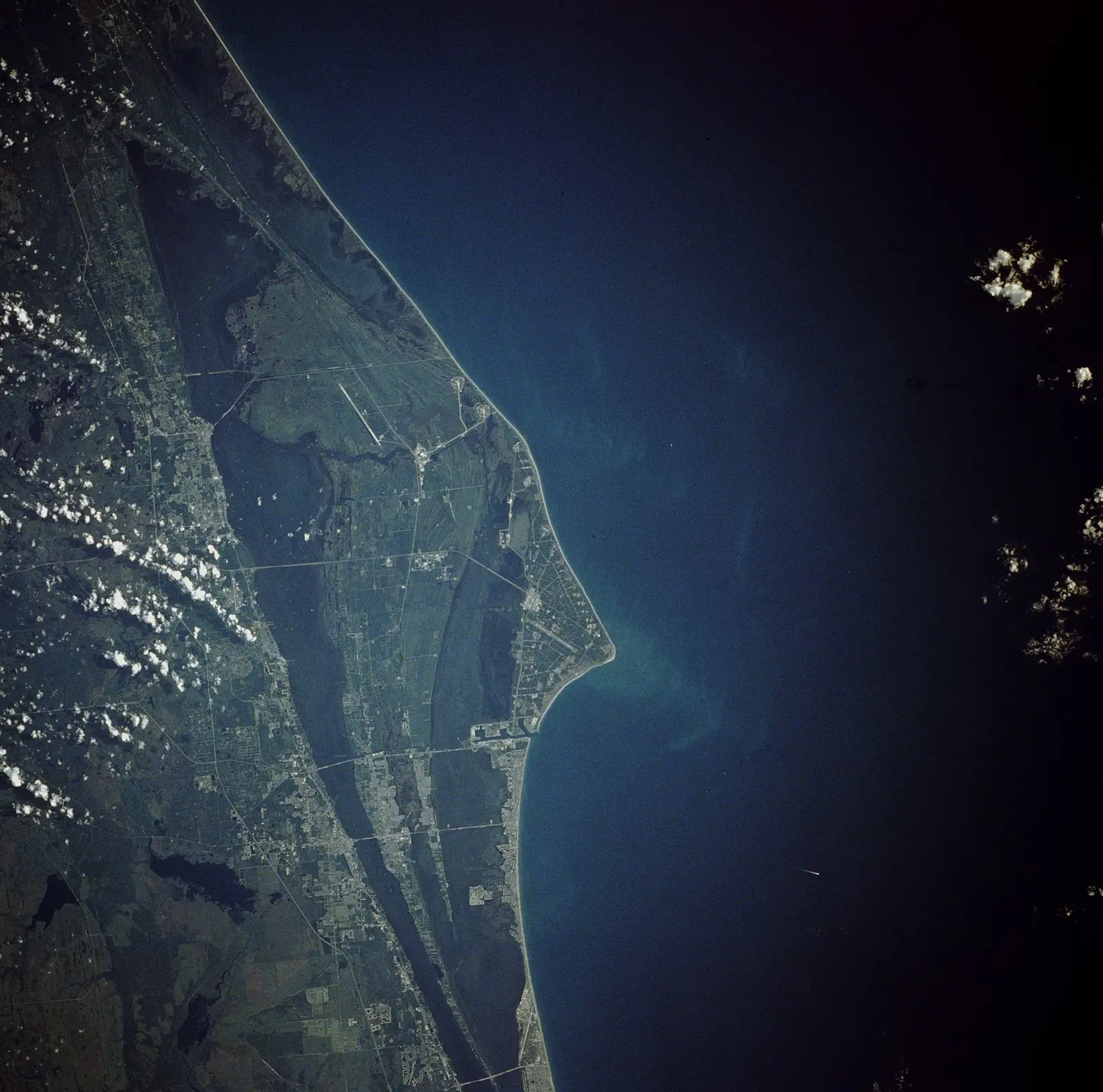
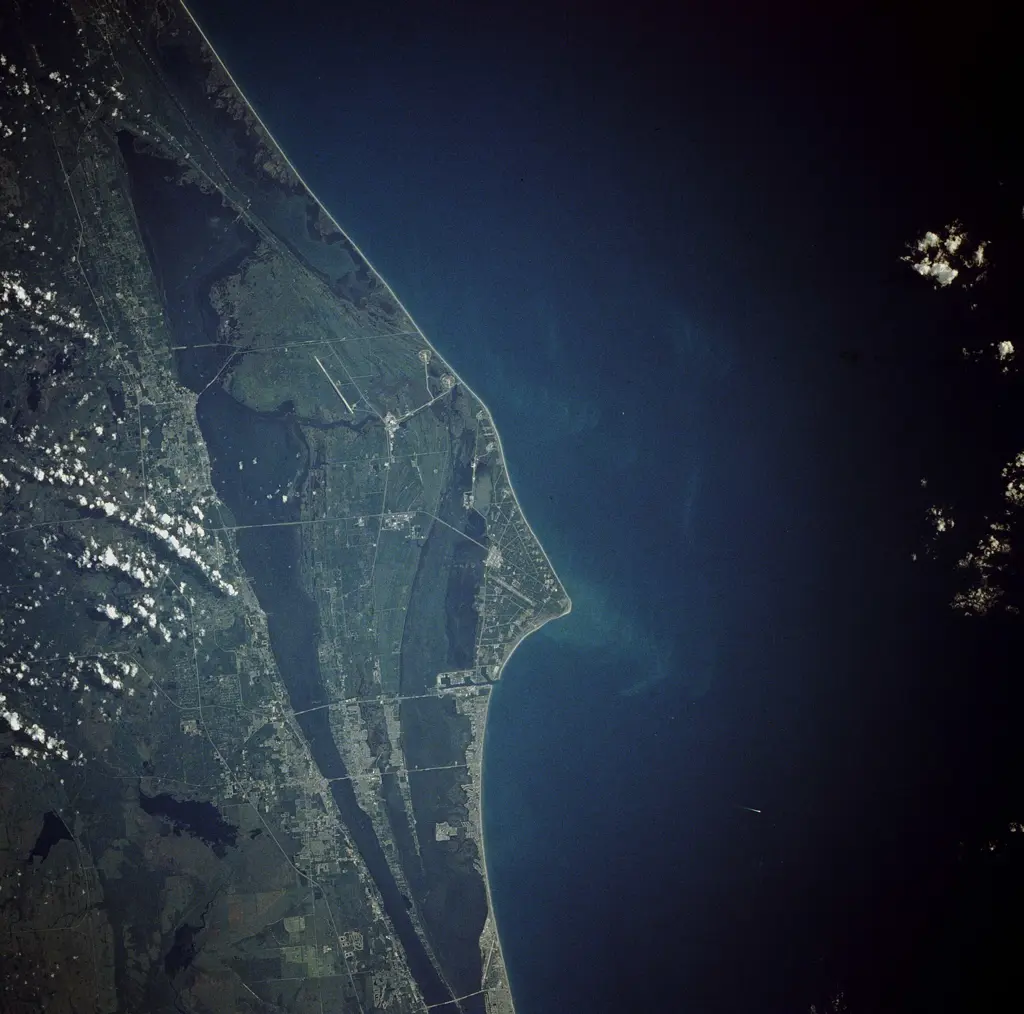
Cape Canaveral Space Force Station (CCSFS) is an installation of the United States Space Force's Space Launch Delta 45, located on Cape Canaveral in Brevard County, Florida.
Timezone
America/New_York
Local Launch Time
Jan 27, 1967, 6:31 PM
Total Launches
1,122
Total Landings
75
Coordinates
28.4889, -80.5778