Human Exploration
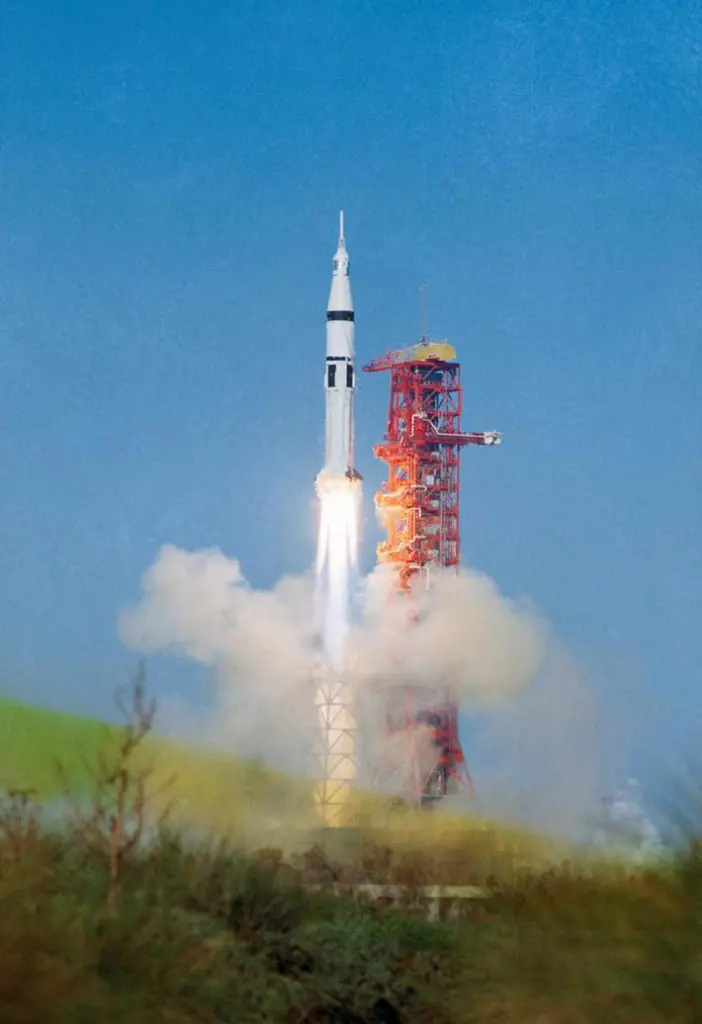
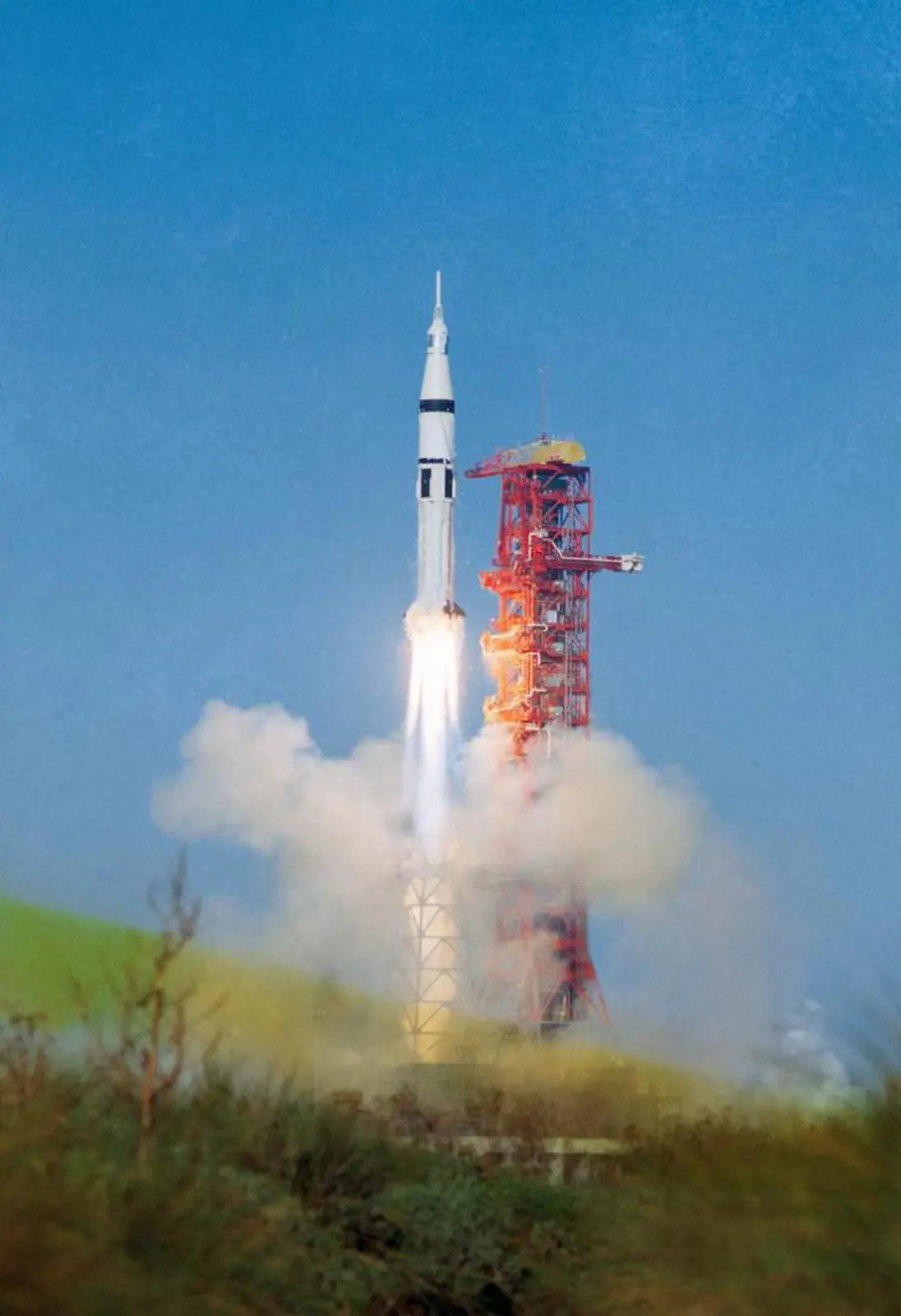
Skylab 3 (also known as SL-3 or SLM-2) was the second crewed mission to the first US orbital space station Skylab. The mission began on July 28, 1973, 11:10:50 UTC with the launch of a three-person crew. Crew members were the Commander Alan L. Bean, Science Pilot Owen K. Garriott and Pilot Jack R. Lousma. During their 59-day stay on the station, crew continued station repairs and conducted various scientific and medical experiments. The mission ended successfully with the splashdown in the Pacific Ocean on September 25, 1973, 22:19:51 UTC.
Skylab was the first United States space station, launched by NASA, occupied for about 24 weeks between May 1973 and February 1974. It was operated by three separate three-astronaut crews: SL-2, SL-3 and SL-4. Major operations included an orbital workshop, a solar observatory, Earth observation, and hundreds of experiments.
May 14, 1973 — Jul 11, 1979
Orbital Attempt
#1,478
NASA Mission
#123
Pad Launch
#3
Location Launch
#15
Designator
1973-050
Jul 28, 1973, 11:10 AM
1 update
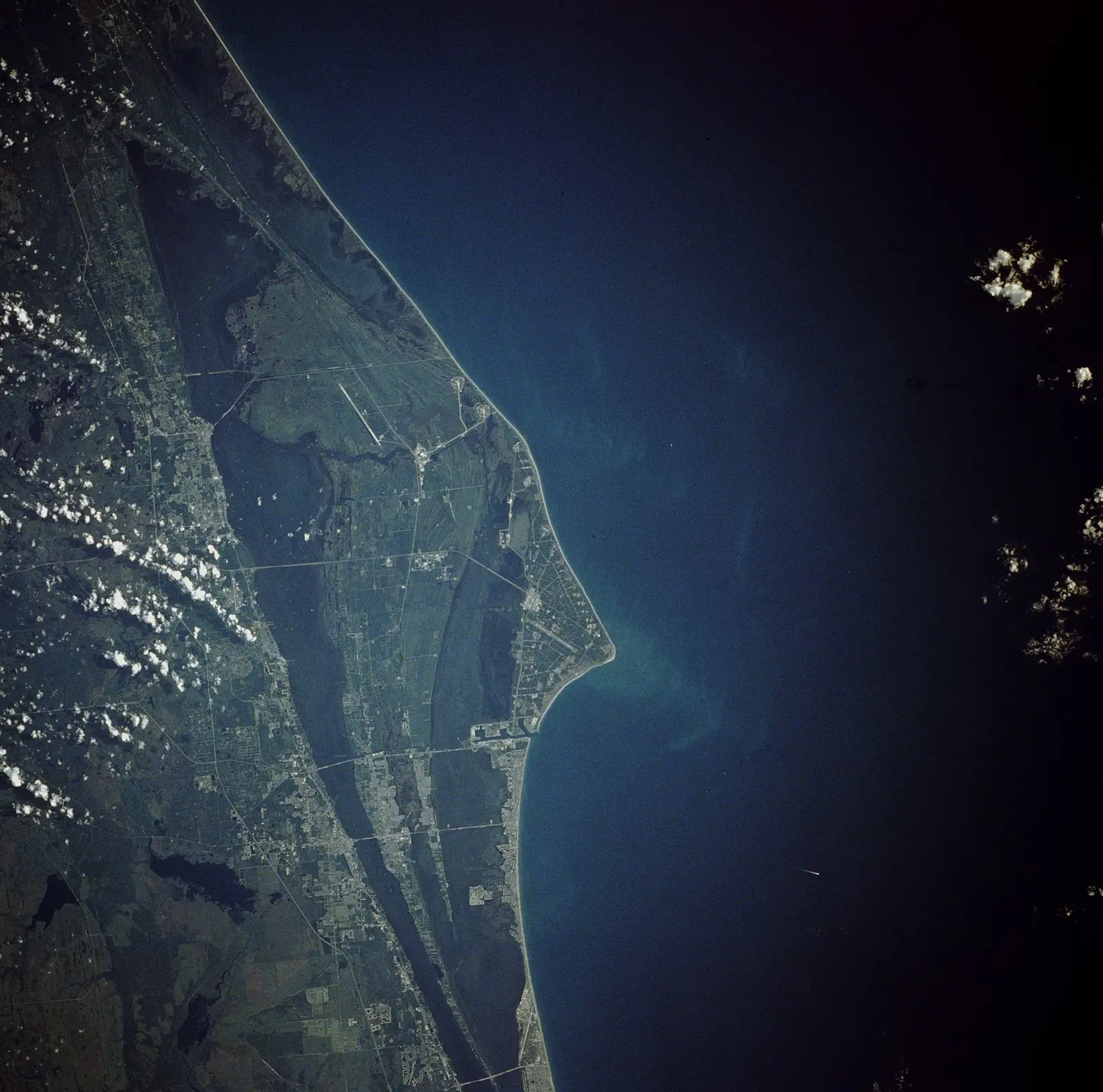
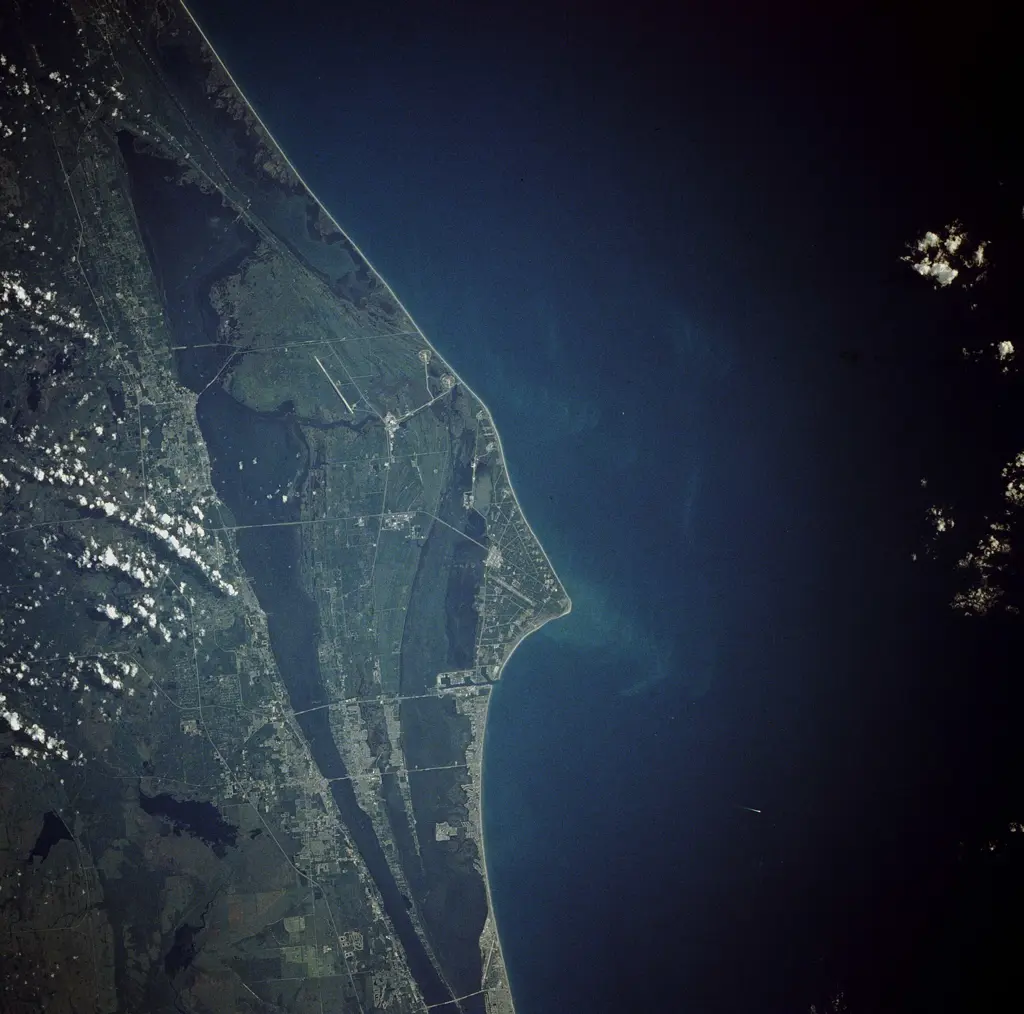
The John F. Kennedy Space Center, located on Merritt Island, Florida, is one of NASA's ten field centers. Since 1968, KSC has been NASA's primary launch center of American spaceflight, research, and technology. Launch operations for the Apollo, Skylab and Space Shuttle programs were carried out from Kennedy Space Center Launch Complex 39 and managed by KSC. Located on the east coast of Florida, KSC is adjacent to Cape Canaveral Space Force Station (CCSFS).
Timezone
America/New_York
Local Launch Time
Jul 28, 1973, 7:10 AM
Total Launches
281
Total Landings
0
Coordinates
28.5242, -80.6508