Human Exploration
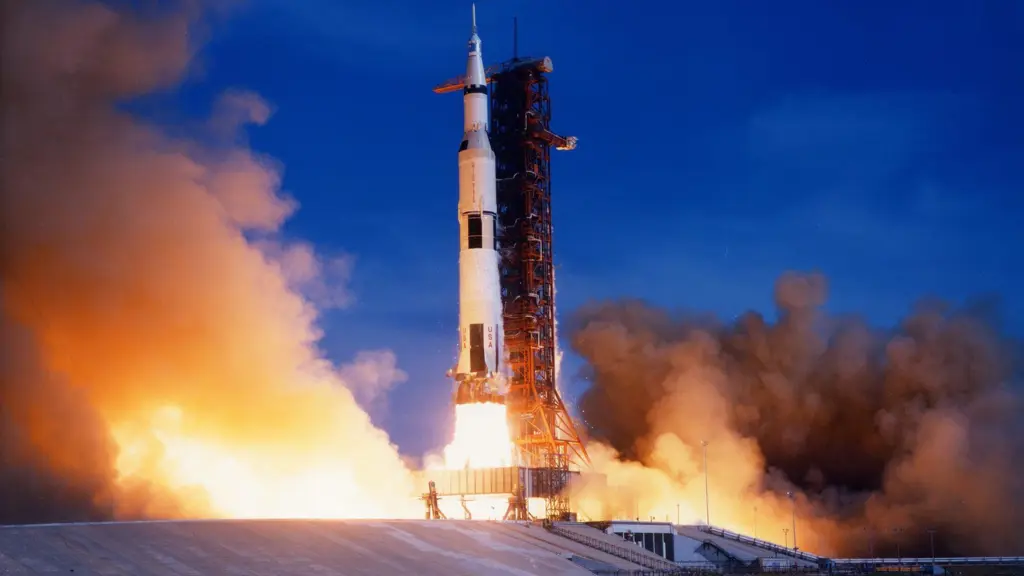
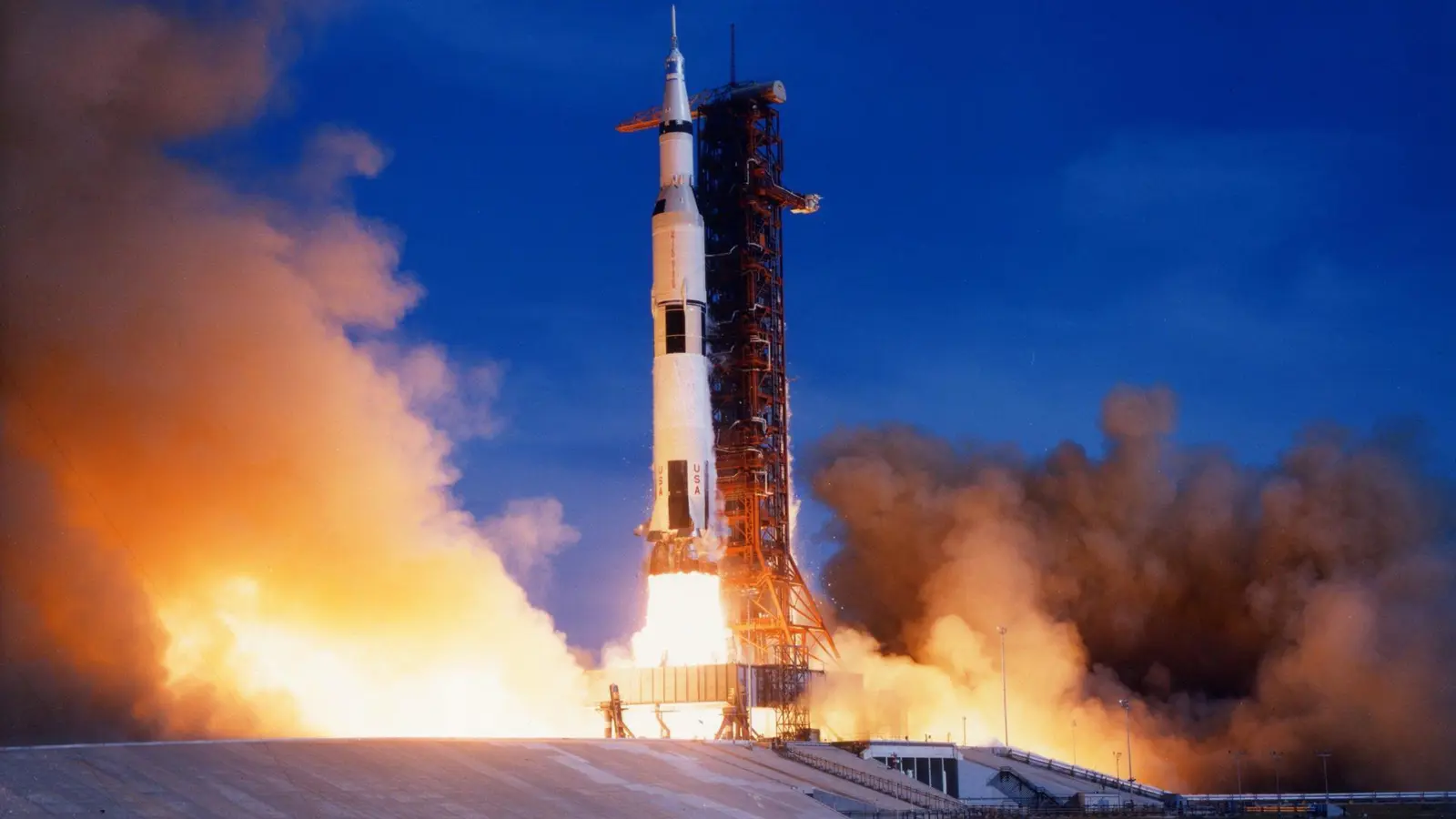
Apollo 6 was intended to send a Command and Service Module (CSM) plus a Lunar Module Test Article (LTA), a simulated Lunar Module (LM) with mounted structural vibration sensors, into a translunar trajectory. However, the Moon would not be in position for a translunar flight, and the Service Module engine would be fired about five minutes later to slow the craft, dropping its apogee to 11,989 nautical miles (22,204 km) and causing the CSM to return to Earth, simulating a "direct-return" abort. On the return leg, the engine would fire once more to accelerate the craft to simulate the nominal lunar return trajectory with a re-entry angle of -6.5 degrees and velocity of 36,500 feet per second (11,100 m/s). The entire mission would last about 10 hours.
Orbital Attempt
#815
NASA Mission
#93
Pad Launch
#2
Location Launch
#2
Designator
1968-025
Apr 4, 1968, 12:00 PM
1 update
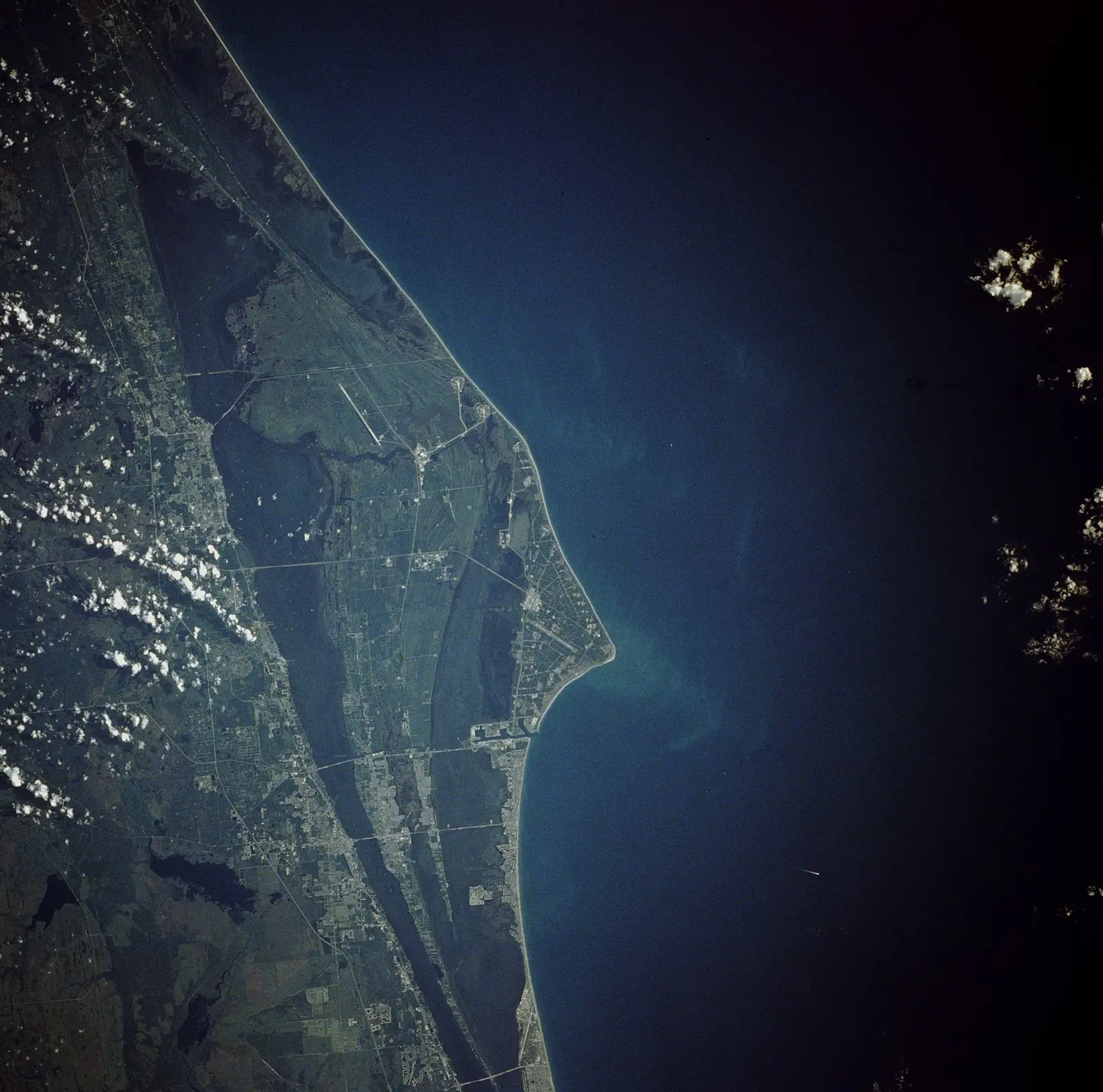
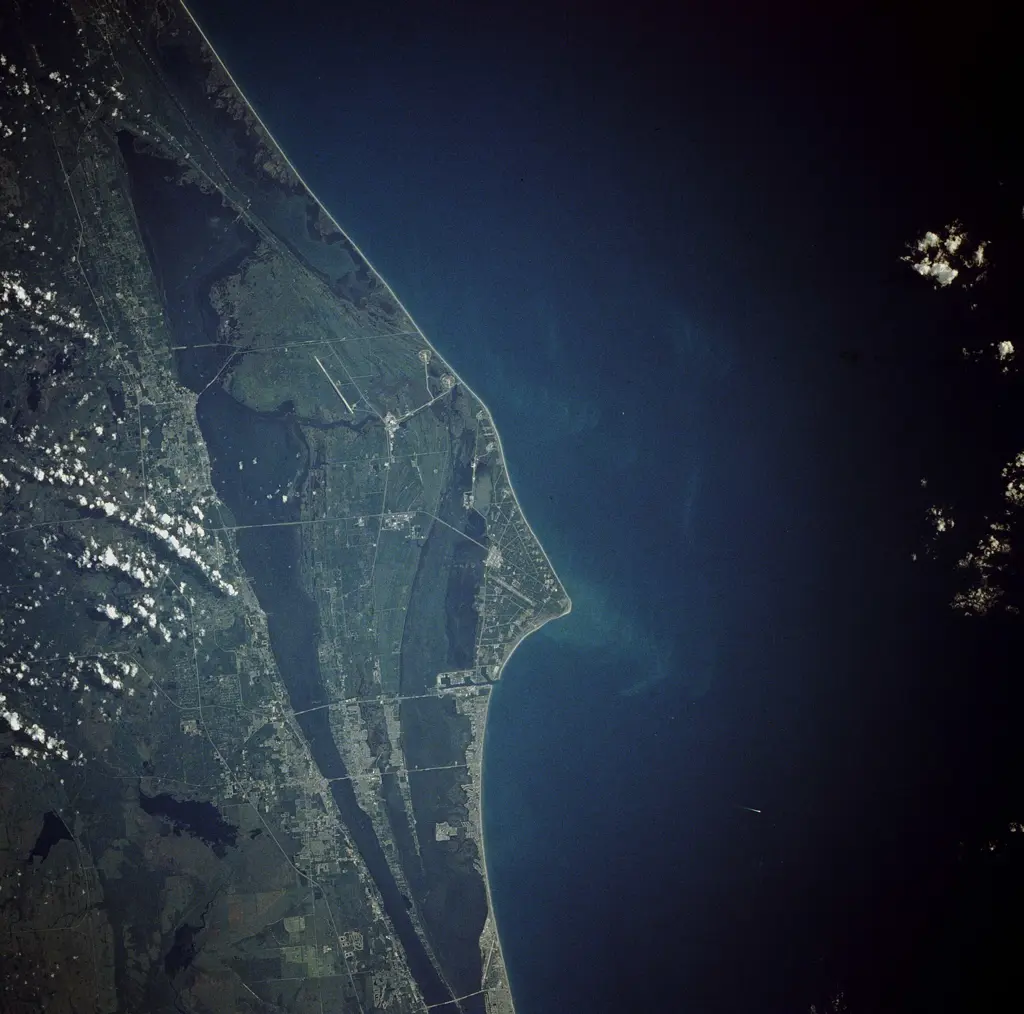
The John F. Kennedy Space Center, located on Merritt Island, Florida, is one of NASA's ten field centers. Since 1968, KSC has been NASA's primary launch center of American spaceflight, research, and technology. Launch operations for the Apollo, Skylab and Space Shuttle programs were carried out from Kennedy Space Center Launch Complex 39 and managed by KSC. Located on the east coast of Florida, KSC is adjacent to Cape Canaveral Space Force Station (CCSFS).
Timezone
America/New_York
Local Launch Time
Apr 4, 1968, 7:00 AM
Total Launches
281
Total Landings
0
Coordinates
28.5242, -80.6508