Earth Science
Explorer 16 was the second in the series of micrometeoroid satellites orbited by NASA. Its purpose was to obtain data on the near-earth meteoroid environment, thus providing an accurate estimate of the probability of penetration in spacecraft structures by meteoroids and allowing a more confident definition of the relationship between penetration flux and material thickness to be derived.
Orbital Attempt
#221
NASA Mission
#45
Pad Launch
#9
Location Launch
#19
Designator
1962-070
Dec 16, 1962, 2:33 PM
1 update
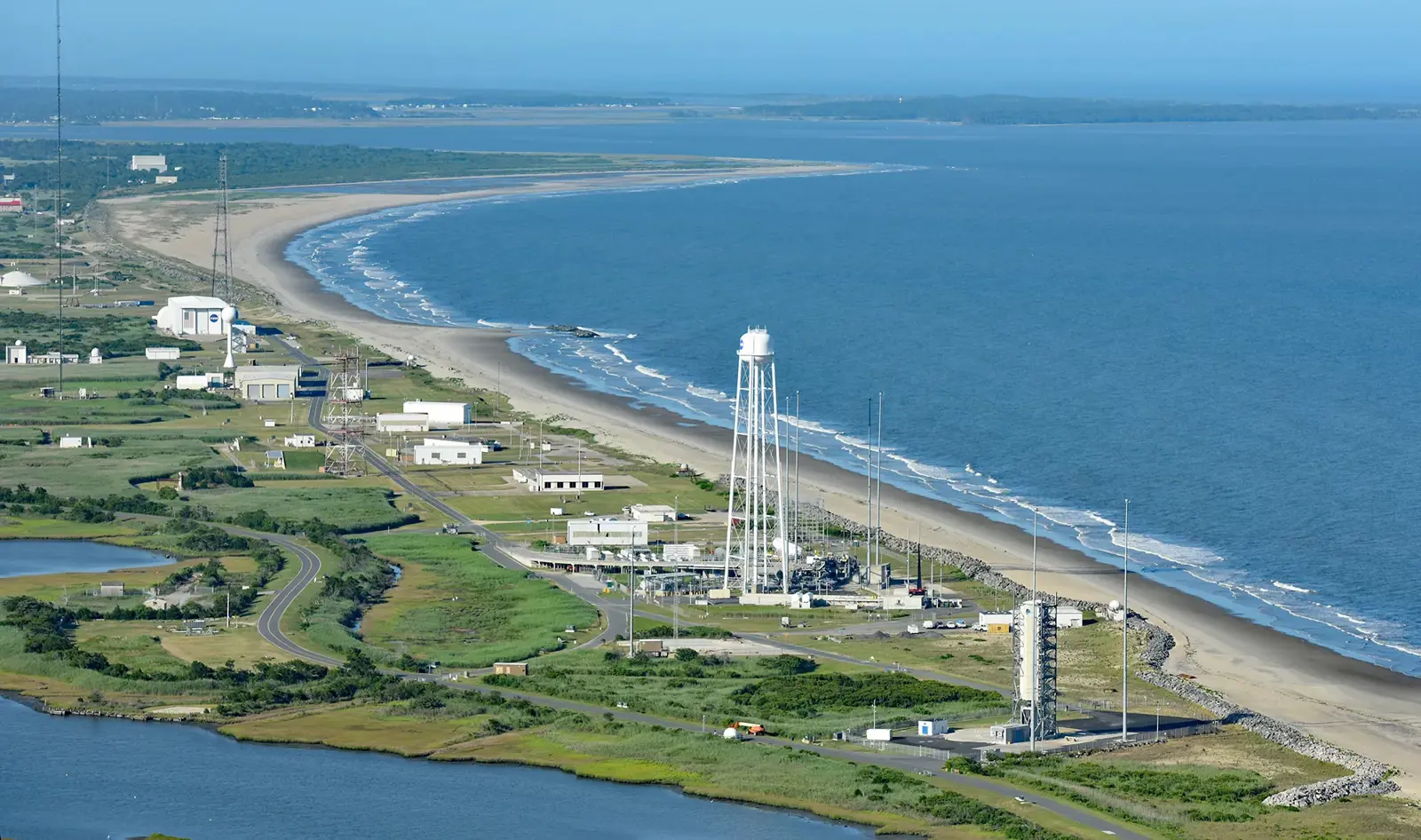
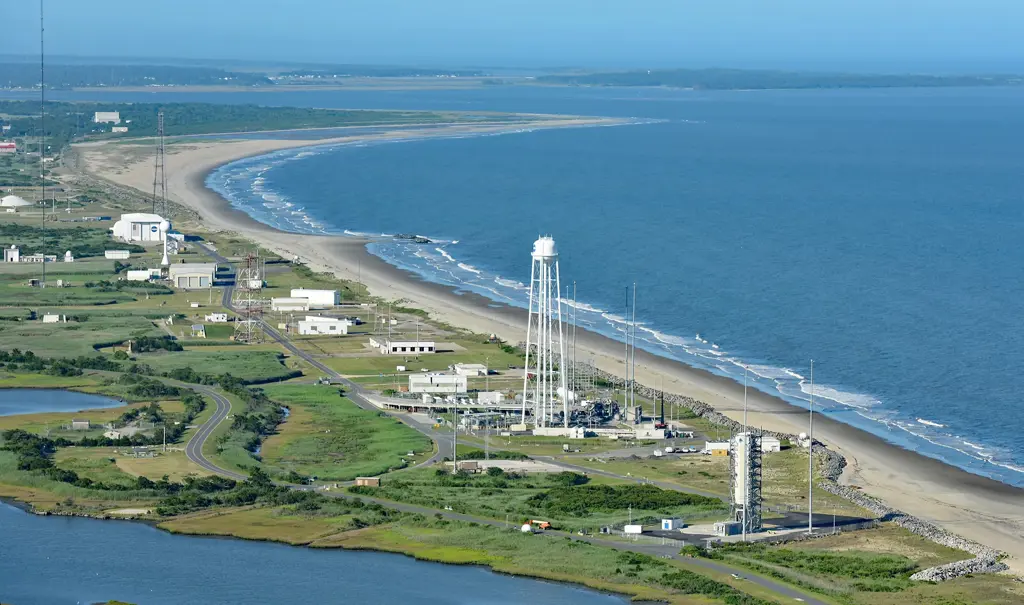
Wallops Flight Facility is a rocket launch site on Wallops Island on the Eastern Shore of Virginia, United States, just east of the Delmarva Peninsula and north-northeast of Norfolk. The facility is operated by the Goddard Space Flight Center in Greenbelt, Maryland, and primarily serves to support science and exploration missions for NASA and other federal agencies. WFF includes an extensively instrumented range to support launches of more than a dozen types of sounding rockets; small expendable suborbital and orbital rockets; high-altitude balloon flights carrying scientific instruments for atmospheric and astronomical research; and, using its Research Airport, flight tests of aeronautical research aircraft, including uncrewed aerial vehicles.
Timezone
America/New_York
Local Launch Time
Dec 16, 1962, 9:33 AM
Total Launches
87
Total Landings
0
Coordinates
37.9333, -75.4678