Human Exploration
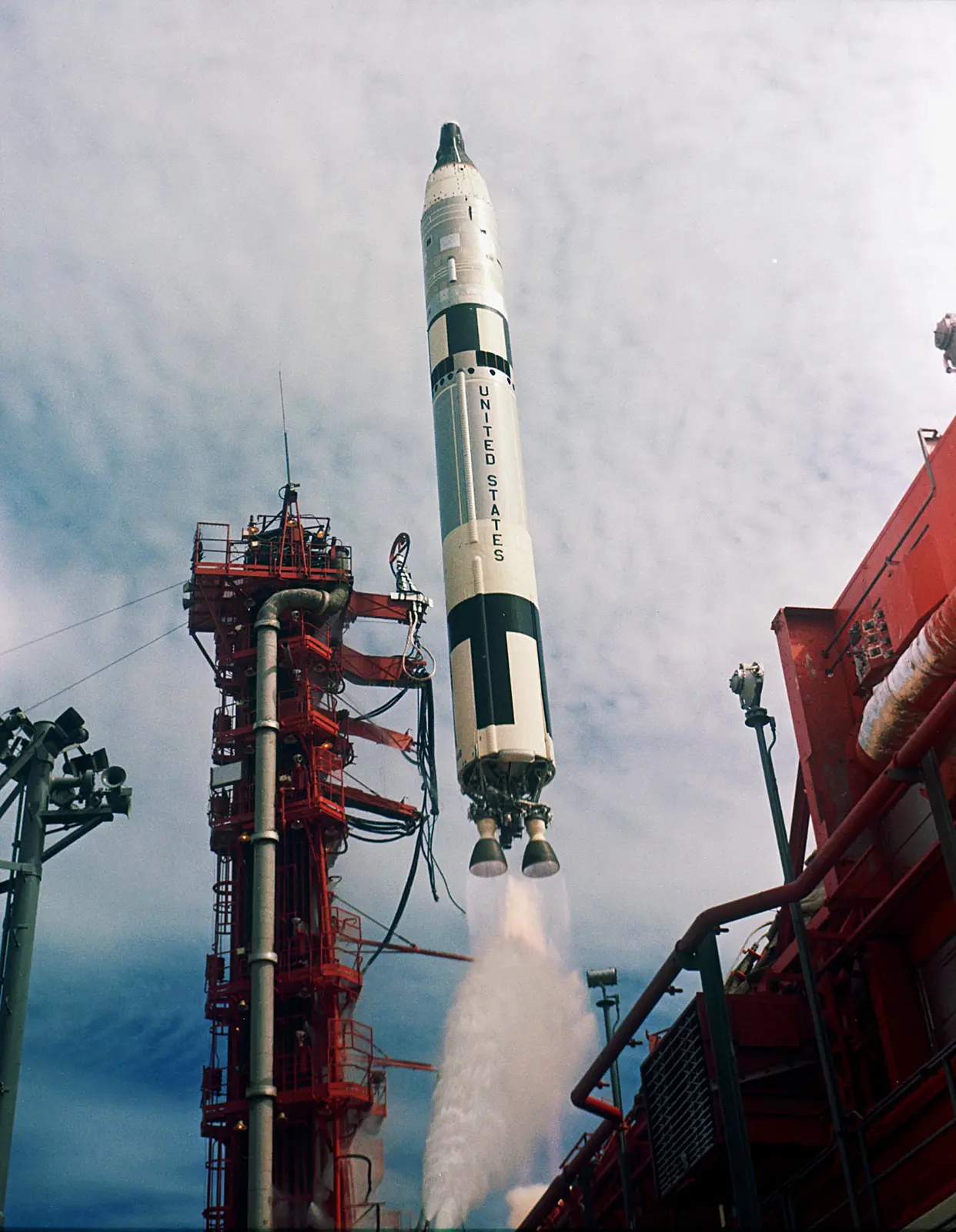
Gemini 3 was the first crewed mission of the Gemini program. Mission Command Pilot Gus Grissom and PilotJohn Young flew 3 orbits in a flight that was the last one to be operated from the Cape Kennedy Air Force Station. The mission was considered a success and was the first flight to perform an orbital maneuver. Gemini 3 fired its engines for 1 minute and 14 seconds changing its orbit. The mission lasted 4 hours and 52 minutes.
Orbital Attempt
#421
NASA Mission
#63
Pad Launch
#3
Location Launch
#135
Designator
1965-024
Mar 23, 1965, 2:24 PM
1 update
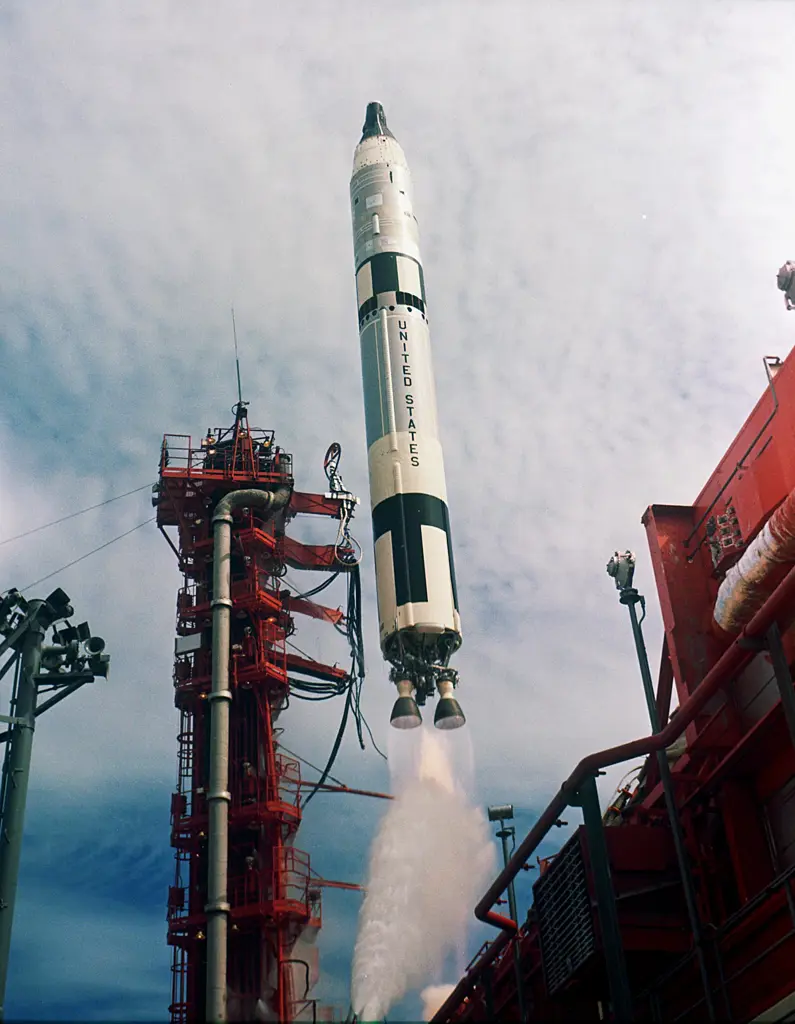
The Titan II GLV (Gemini Launch Vehicle) or Gemini-Titan II was an American expendable launch system derived from the Titan II missile, which was used to launch twelve Gemini missions for NASA between 1964 and 1966. Two unmanned launches followed by ten manned ones were conducted from Launch Complex 19 at the Cape Canaveral Air Force Station, starting with Gemini 1 on April 8, 1964.
Length
33.2 m
Diameter
3.05 m
Launch Mass
154 t
Thrust
1,913 kN
LEO Capacity
3,850 kg
Reusable
No
Maiden Flight
1964
Fastest Turnaround
10d 18h
Total Launches
12
Successful
12
Failed
0
Consecutive Success
12
Maiden flight: Apr 8, 1964
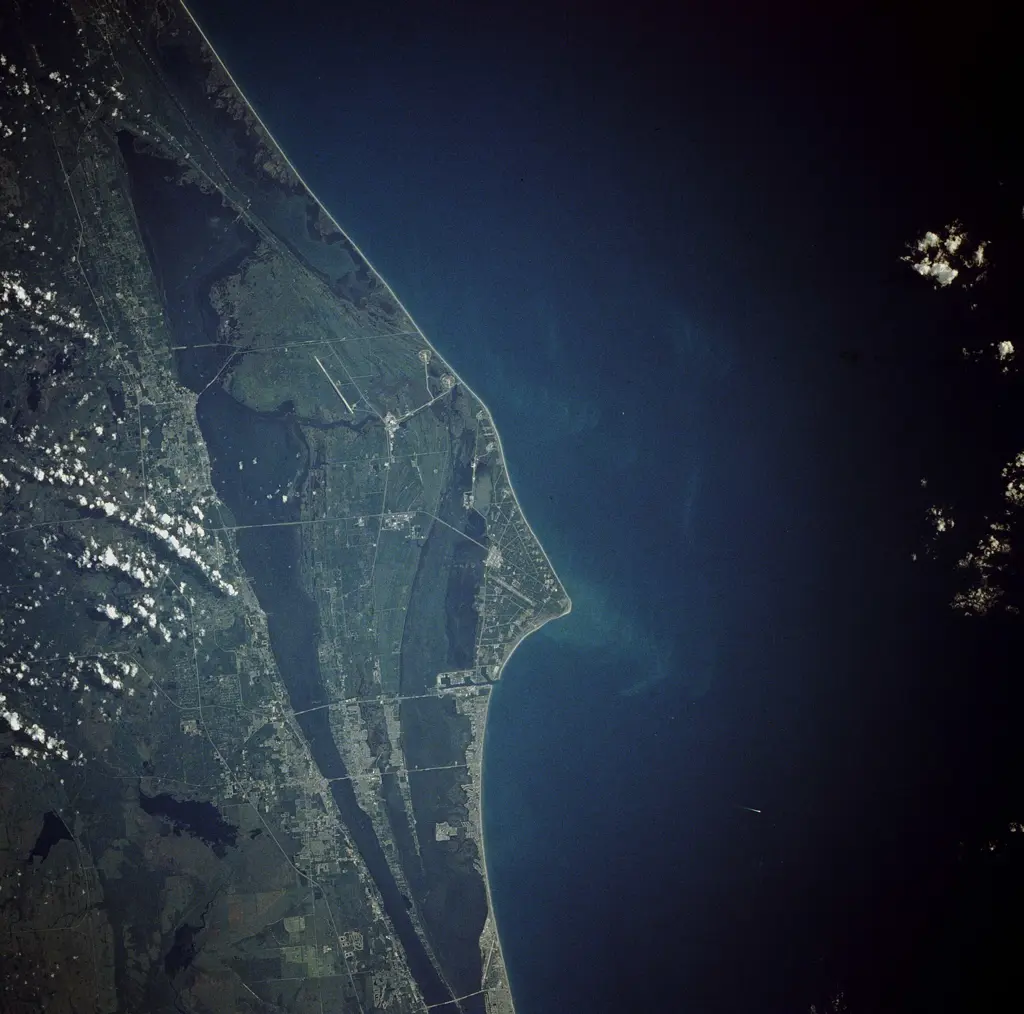
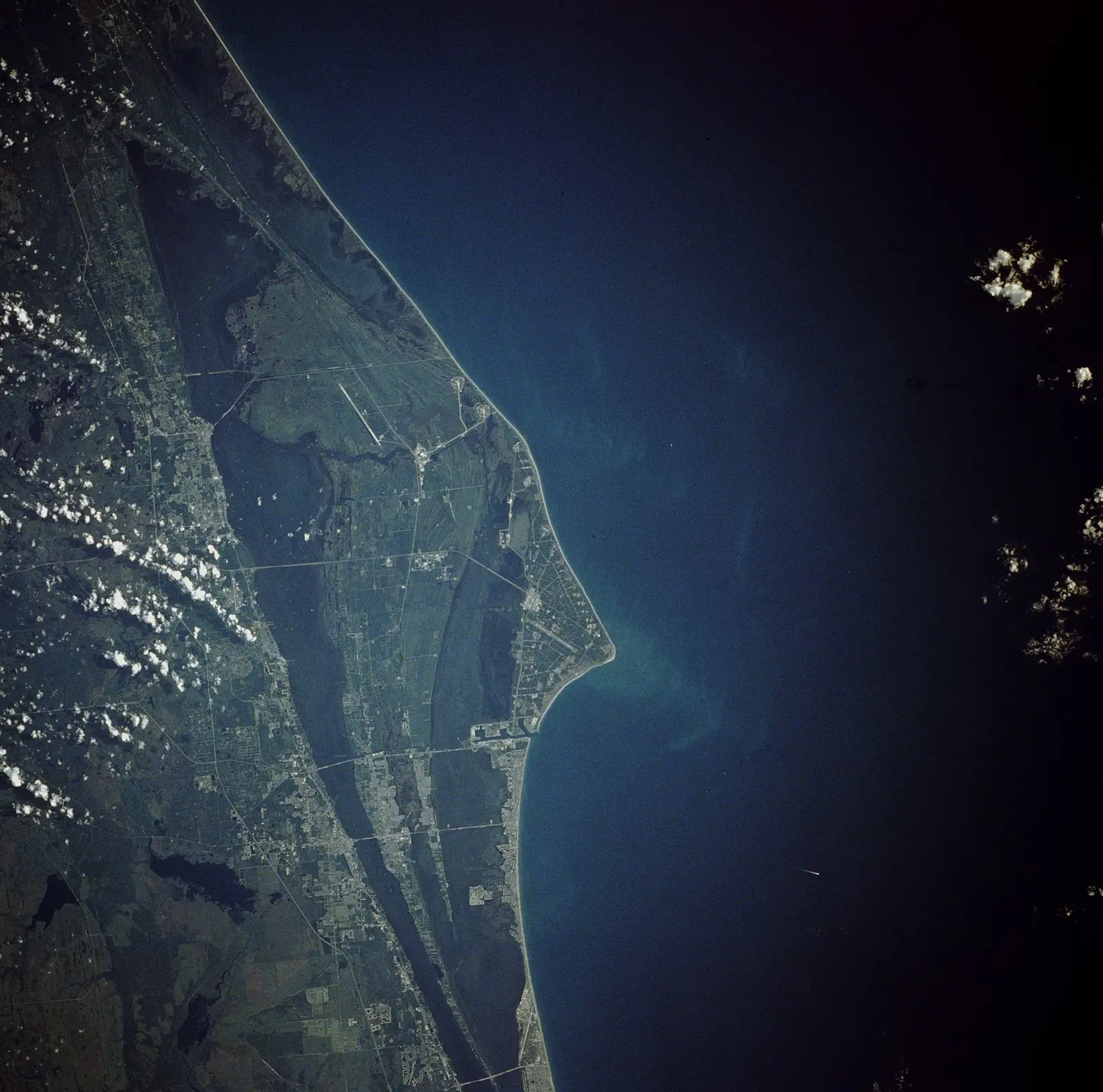
Cape Canaveral Space Force Station (CCSFS) is an installation of the United States Space Force's Space Launch Delta 45, located on Cape Canaveral in Brevard County, Florida.
Timezone
America/New_York
Local Launch Time
Mar 23, 1965, 9:24 AM
Total Launches
1,109
Total Landings
75
Coordinates
28.4889, -80.5778
The National Aeronautics and Space Administration is an independent agency of the executive branch of the United States federal government responsible for the civilian space program, as well as aeronautics and aerospace research. NASA have many launch facilities but most are inactive. The most commonly used pad will be LC-39B at Kennedy Space Center in Florida.
Founded
1958
Administrator
Administrator: Jared Isaacman
Total Launches
142
Successful
122
Failed
20
Pending
5
Consecutive Success
12