Navigation
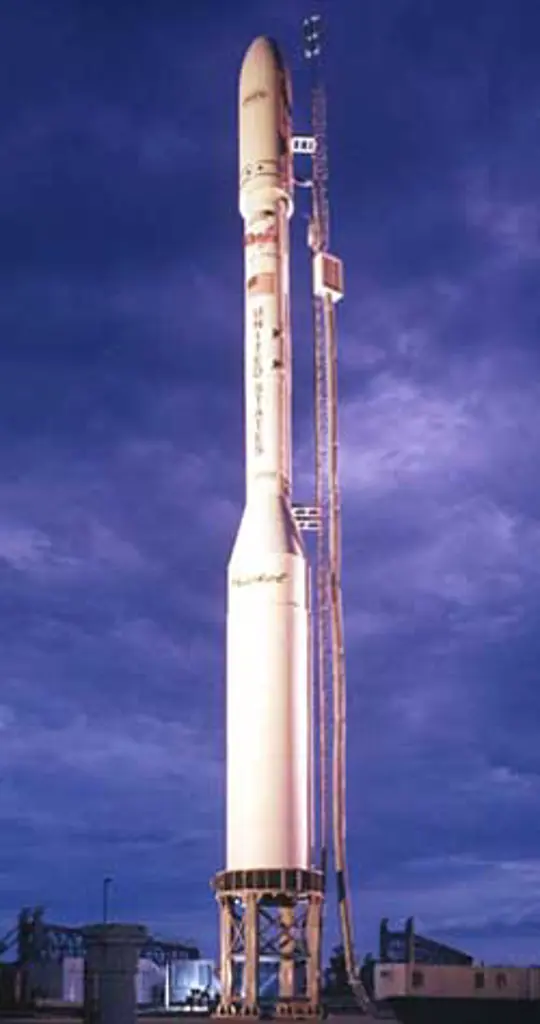
The US Navy GFO (Geosat Follow On), is a 369 kg minisatellite based on the Techstar platform to carry on the mission of Geosat. It was launched on the 10th February 1998 on a Taurus-2210 from VAFB alongside two Orbcomm satellites, into a 789 × 881 km (779 × 790 km planned) 108 degree inclined orbit.
Orbital Attempt
#4,215
OSC Mission
#21
Pad Launch
#2
Location Launch
#581
Designator
1998-007
Feb 10, 1998, 1:20 PM
1 update
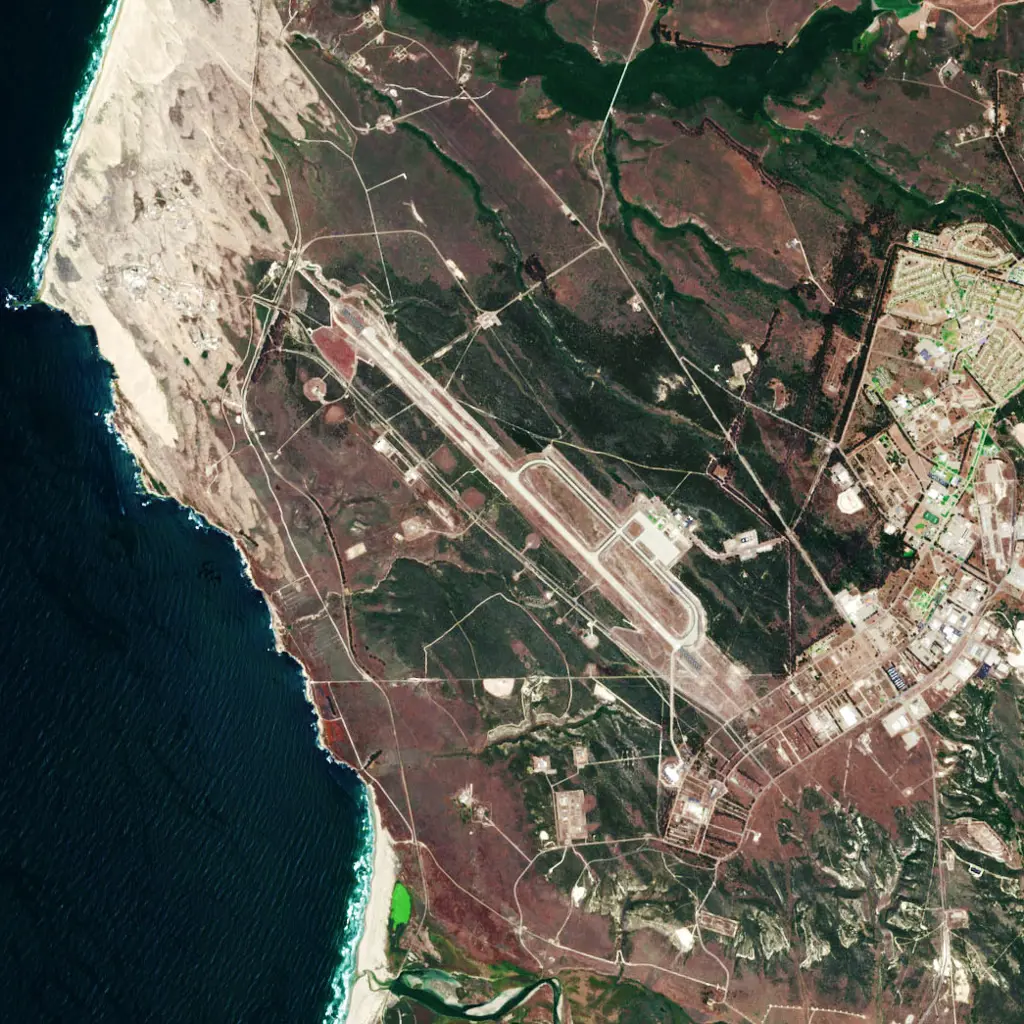
Launch Complex 576 is a group of rocket launch pads at Vandenberg Space Force Base. The pads were used from 1959 until 1971 to launch SM-65 Atlas missiles. The site was also known as Complex ABRES. Pads in Area 576 include 576A-1, 576A-2 and 576A-3, 576B-1, 576B-2 and 576B-3, 576-C, 576-D, 576-E, OSTF-1 and OSTF-2.
Total Launches
9
Orbital Attempts
9
Fastest Turnaround
2mo 22d
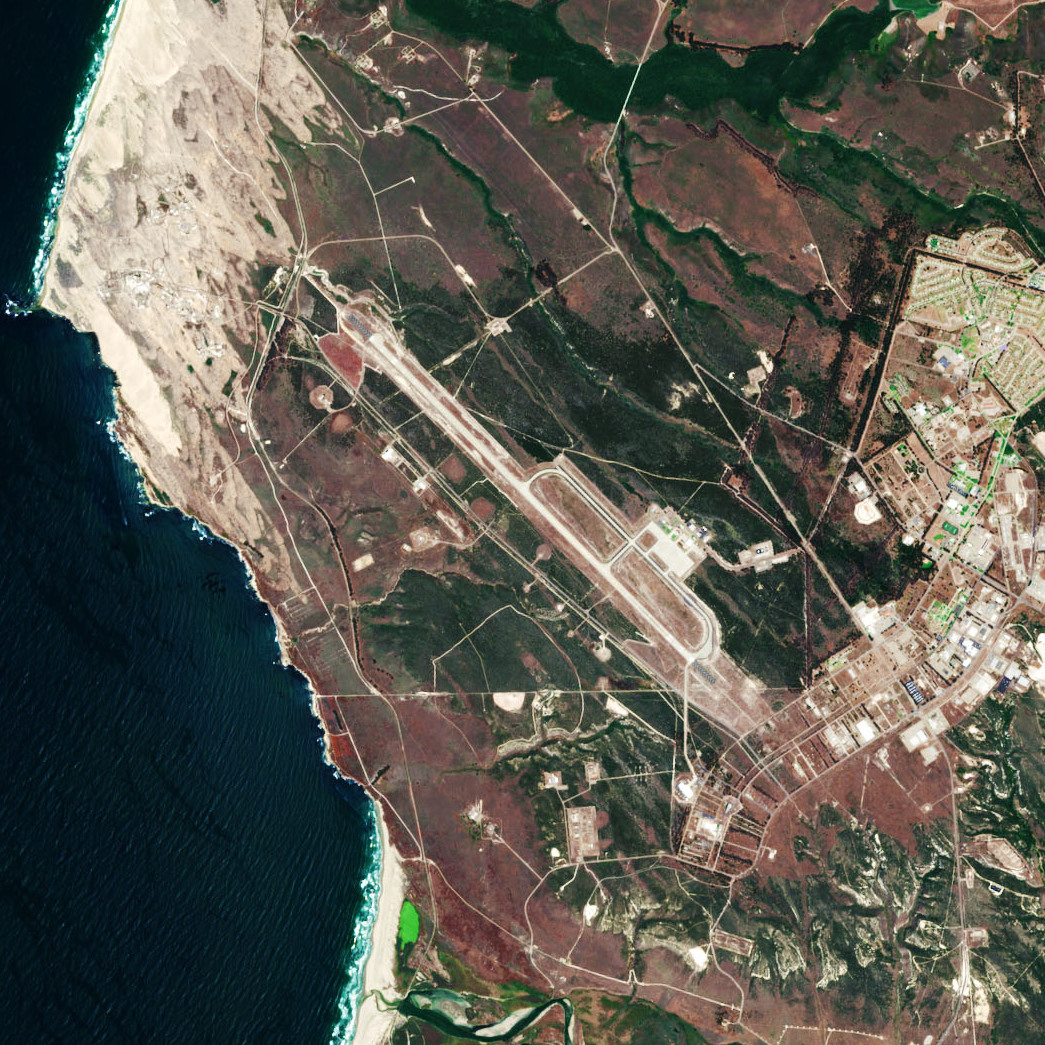
Vandenberg Space Force Base is a United States Space Force Base in Santa Barbara County, California. Established in 1941, Vandenberg Space Force Base is a space launch base, launching spacecraft from the Western Range, and also performs missile testing. The United States Space Force's Space Launch Delta 30 serves as the host delta for the base, equivalent to an Air Force air base wing. In addition to its military space launch mission, Vandenberg Space Force Base also hosts space launches for civil and commercial space entities, such as NASA and SpaceX.
Timezone
America/Los_Angeles
Local Launch Time
Feb 10, 1998, 5:20 AM
Total Launches
900
Total Landings
35
Coordinates
34.7513, -120.5202