Human Exploration
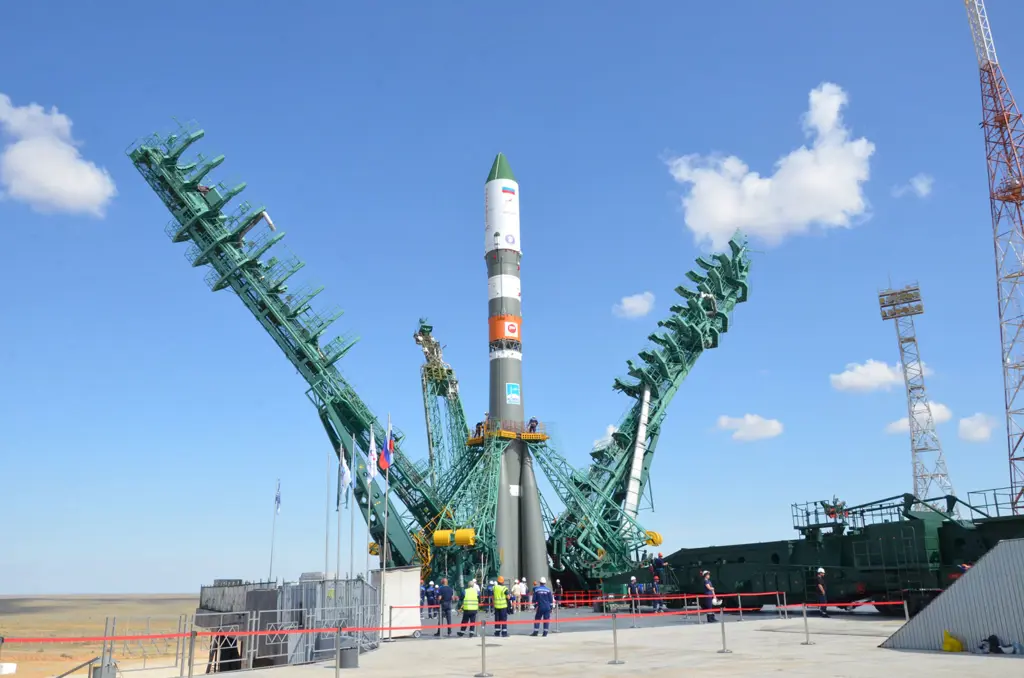
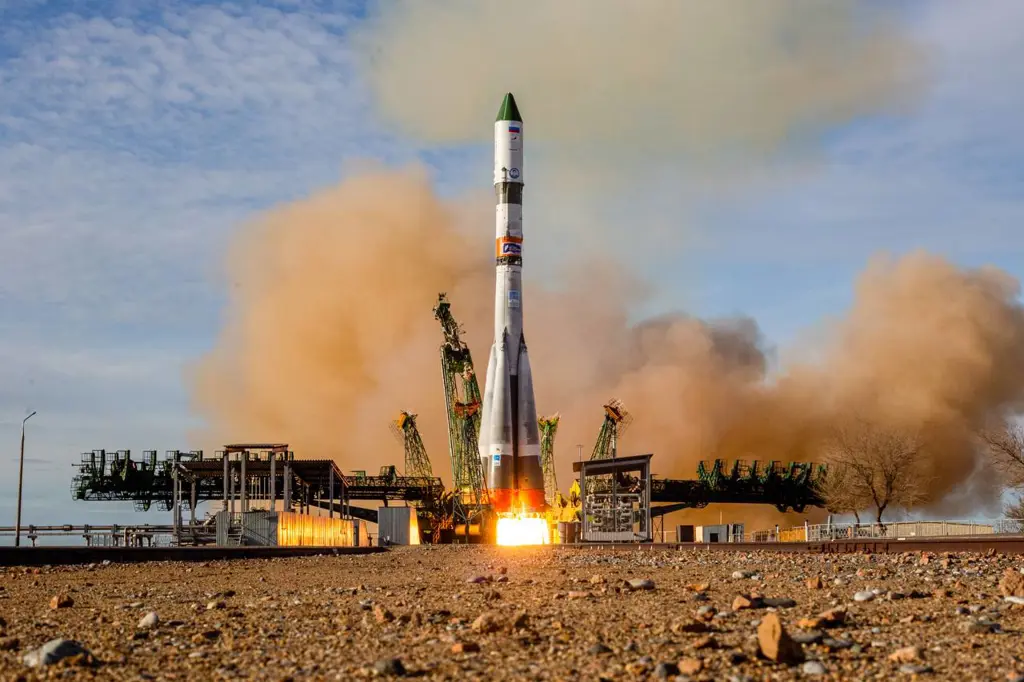
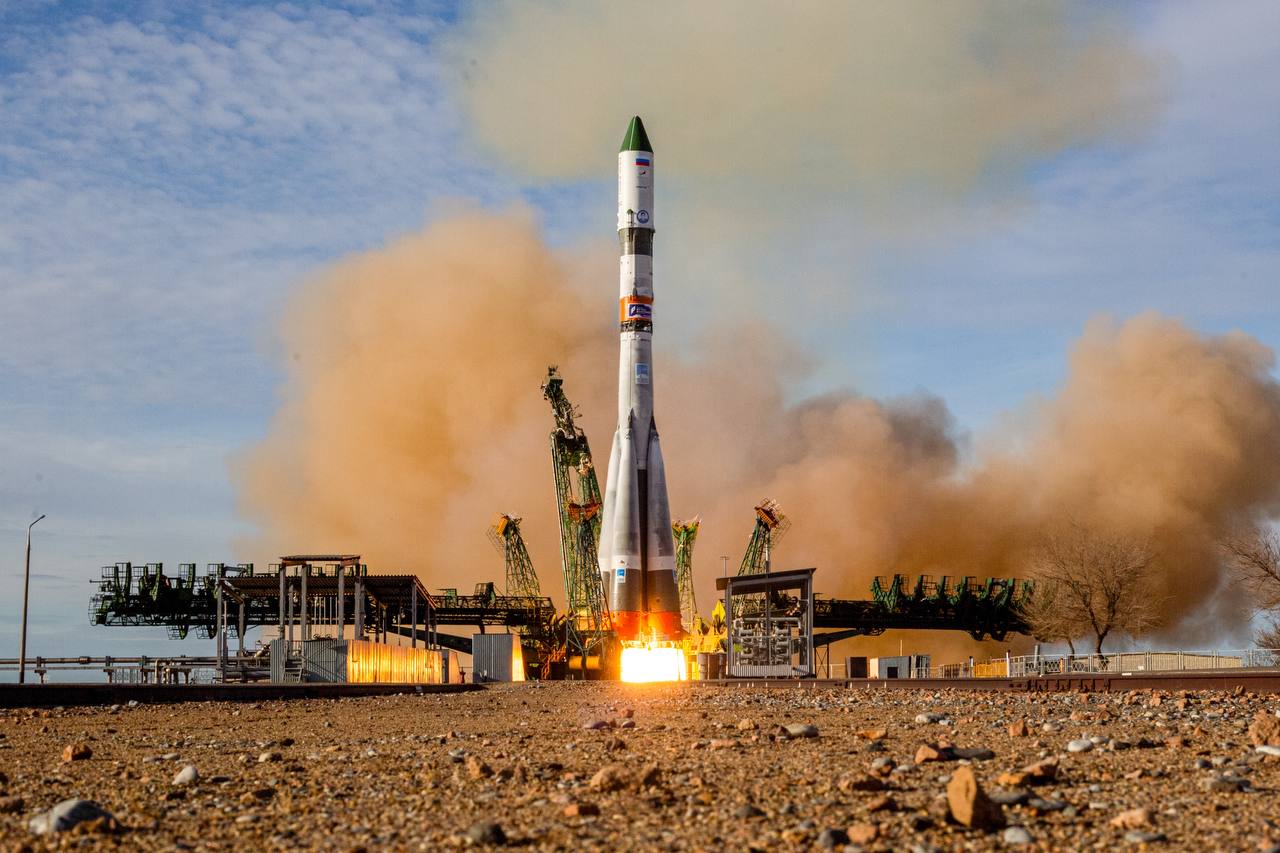
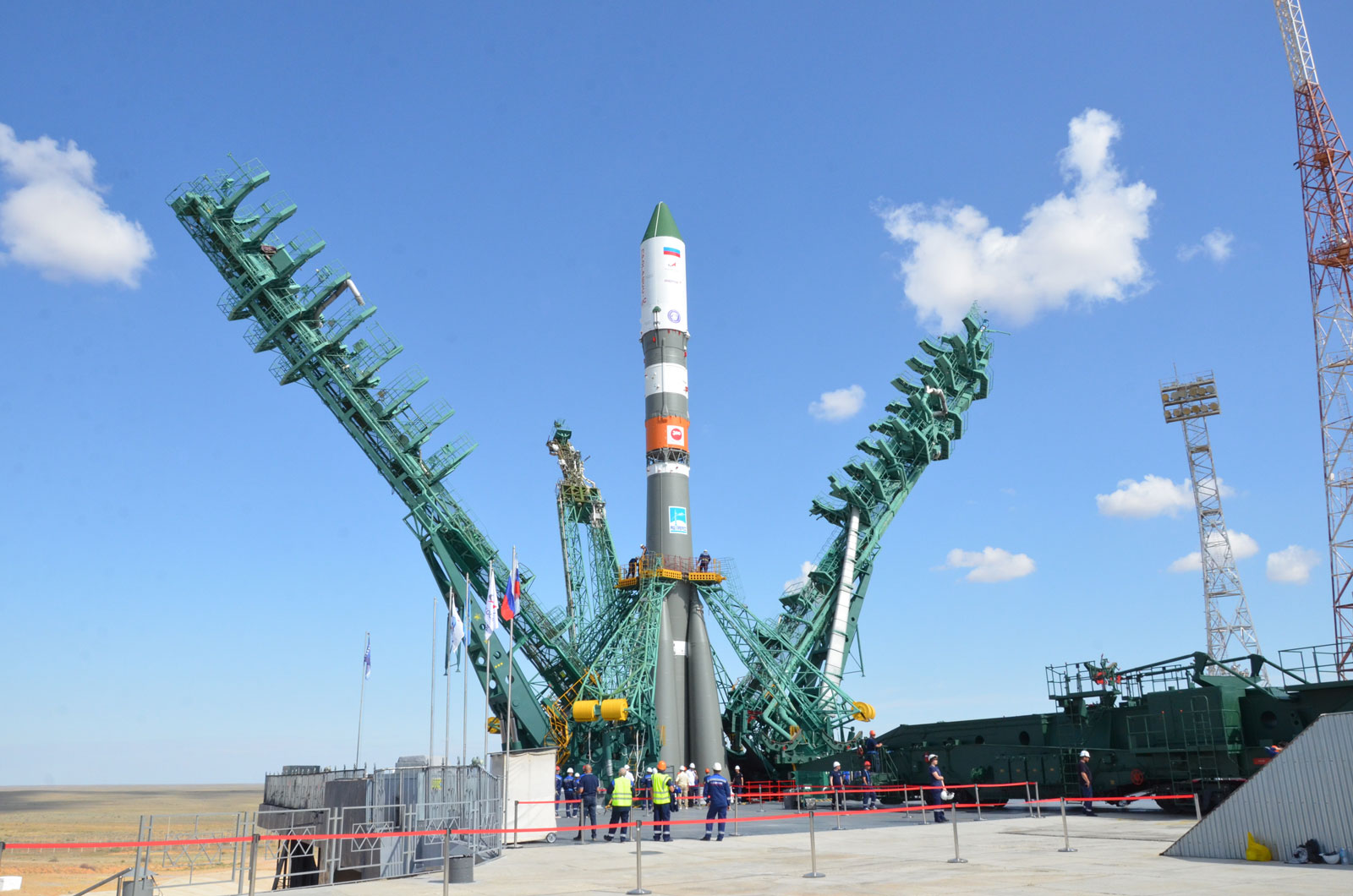
Soyuz MS-22 carried Roscosmos cosmonauts Sergei Prokopeyev, Dmitry Petelin and NASA astronaut Frank Rubio to the International Space Station aboard the Soyuz spacecraft from the Baikonur Cosmodrome in Kazakhstan. The spacecraft suffered a thermal control system depressurization/leak on the ISS on December 15, 2022, possibly due to micrometeor impact. It will land back on Earth without crew and will be replaced by Soyuz MS-23.
The International Space Station programme is tied together by a complex set of legal, political and financial agreements between the sixteen nations involved in the project, governing ownership of the various components, rights to crewing and utilization, and responsibilities for crew rotation and resupply of the International Space Station. It was conceived in 1984 by President Ronald Reagan, during the Space Station Freedom project as it was originally called.
Nov 20, 1998 — ongoing
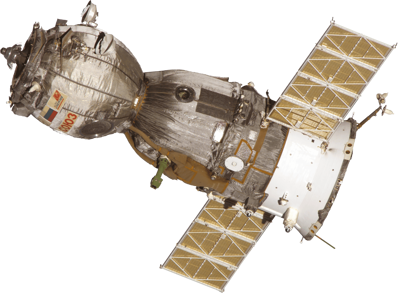
The Soyuz programme is a human spaceflight programme initiated by the Soviet Union in the early 1960s. The Soyuz spacecraft was originally part of a Moon landing project intended to put a Soviet cosmonaut on the Moon. It was the third Soviet human spaceflight programme after the Vostok and Voskhod programmes.
Nov 28, 1966 — ongoing
Orbital Attempt
#6,302
RFSA Mission
#305
Pad Launch
#404
Location Launch
#1,534
Designator
2022-116
Sep 21, 2022, 1:54 PM
1 update
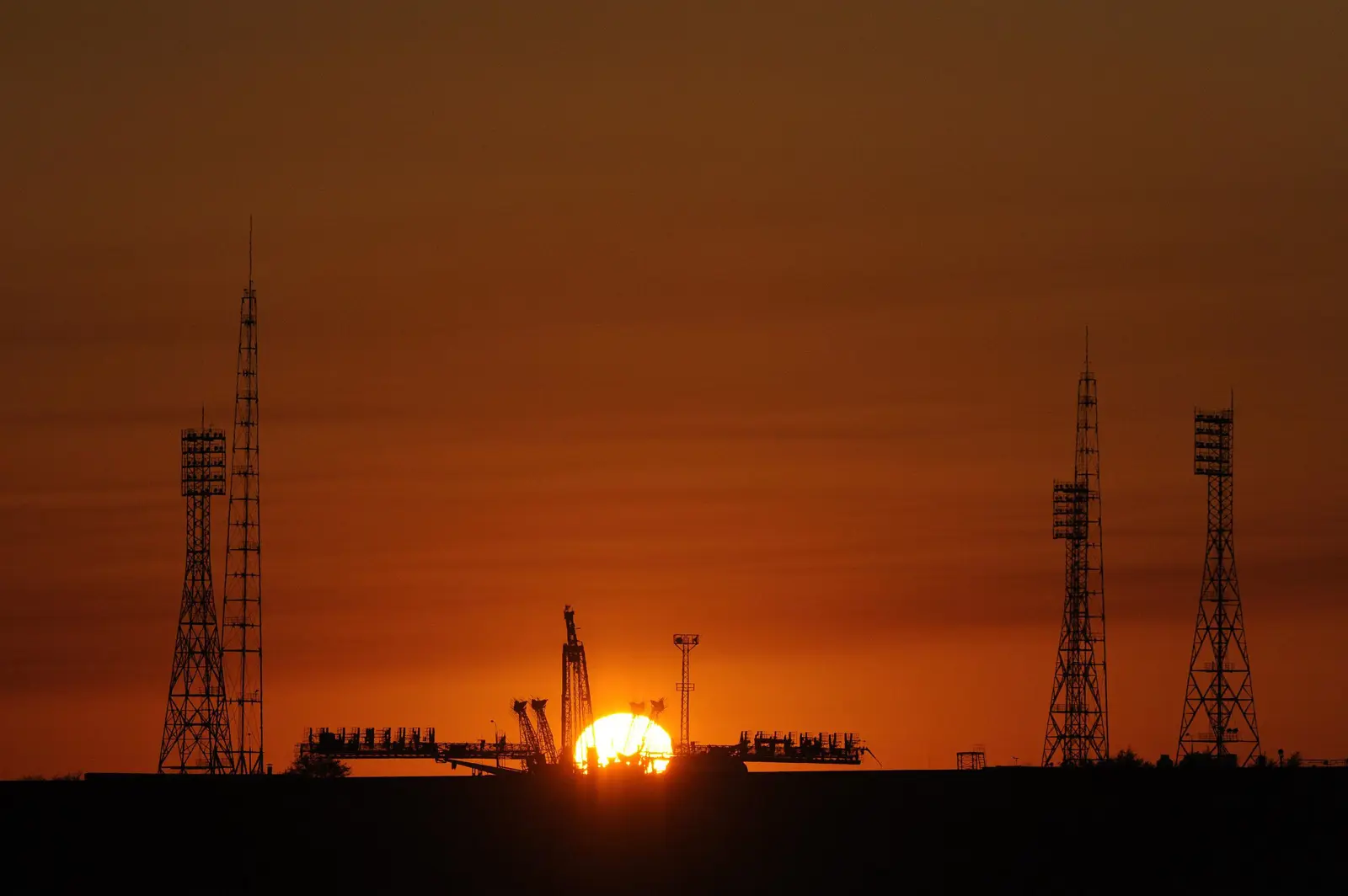
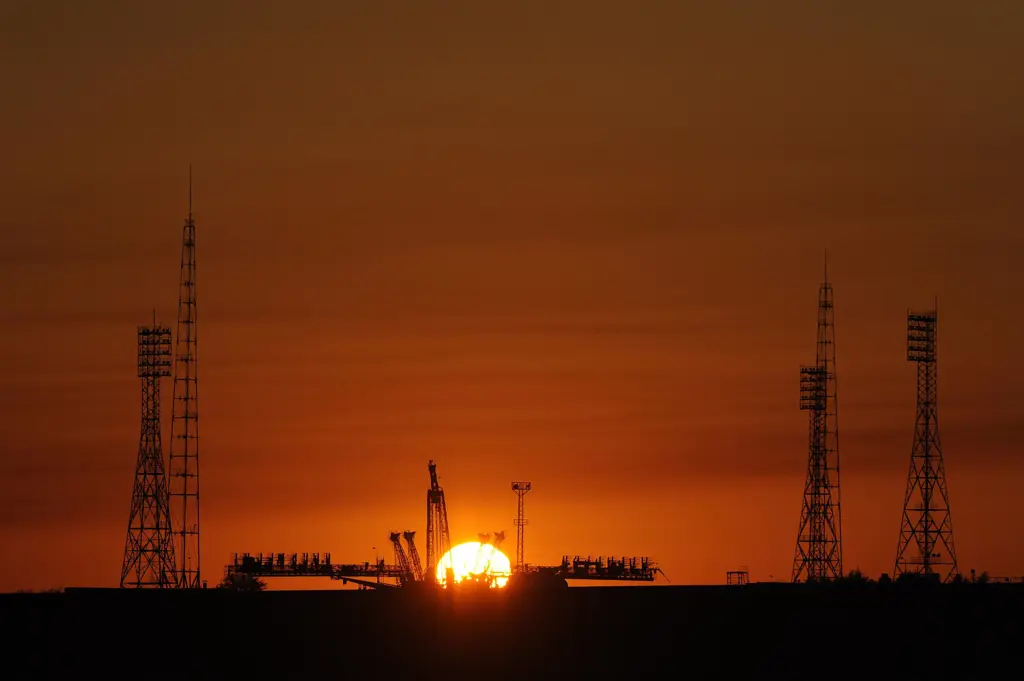
The Baikonur Cosmodrome is a spaceport operated by Russia within Kazakhstan. Located in the Kazakh city of Baikonur, it is the largest operational space launch facility in terms of area. All Russian crewed spaceflights are launched from Baikonur.
Timezone
Asia/Qyzylorda
Local Launch Time
Sep 21, 2022, 6:54 PM
Total Launches
1,564
Total Landings
0
Coordinates
45.9650, 63.3050