Planetary Science
Luna 26 (also named Luna-Resurs) is a planned lunar polar orbiter, part of the Luna-Glob program, by the Russian space agency Roscosmos. In addition to its scientific role, the Luna 26 orbiter would also function as a telecommunication relay between Earth and Russian landed assets. The scientific payload on board the orbiter is composed of fourteen instruments that will be fabricated by Russia. The payload will study the lunar surface and the environment around the Moon, including the solar wind, and high-energy cosmic rays. Luna 26 will also scout sites for the planned Luna 27 landing mission. Luna 26 is the second mission of Russia's new lunar program, which includes the launch of Luna 27, a heavy lander that will study the composition of the lunar soil by collecting several samples. Luna 28, a lunar samples return mission, will be the first to return samples at lunar temperature, and will serve as a demonstration for a future Martian samples return mission. Finally, Luna 29 should land a heavy lunar rover on the surface.
Orbital Attempt
#7,655
RFSA Mission
#348
Pad Launch
#22
Location Launch
#23
Dec 31, 2027, 12:00 AM
Year
1 update
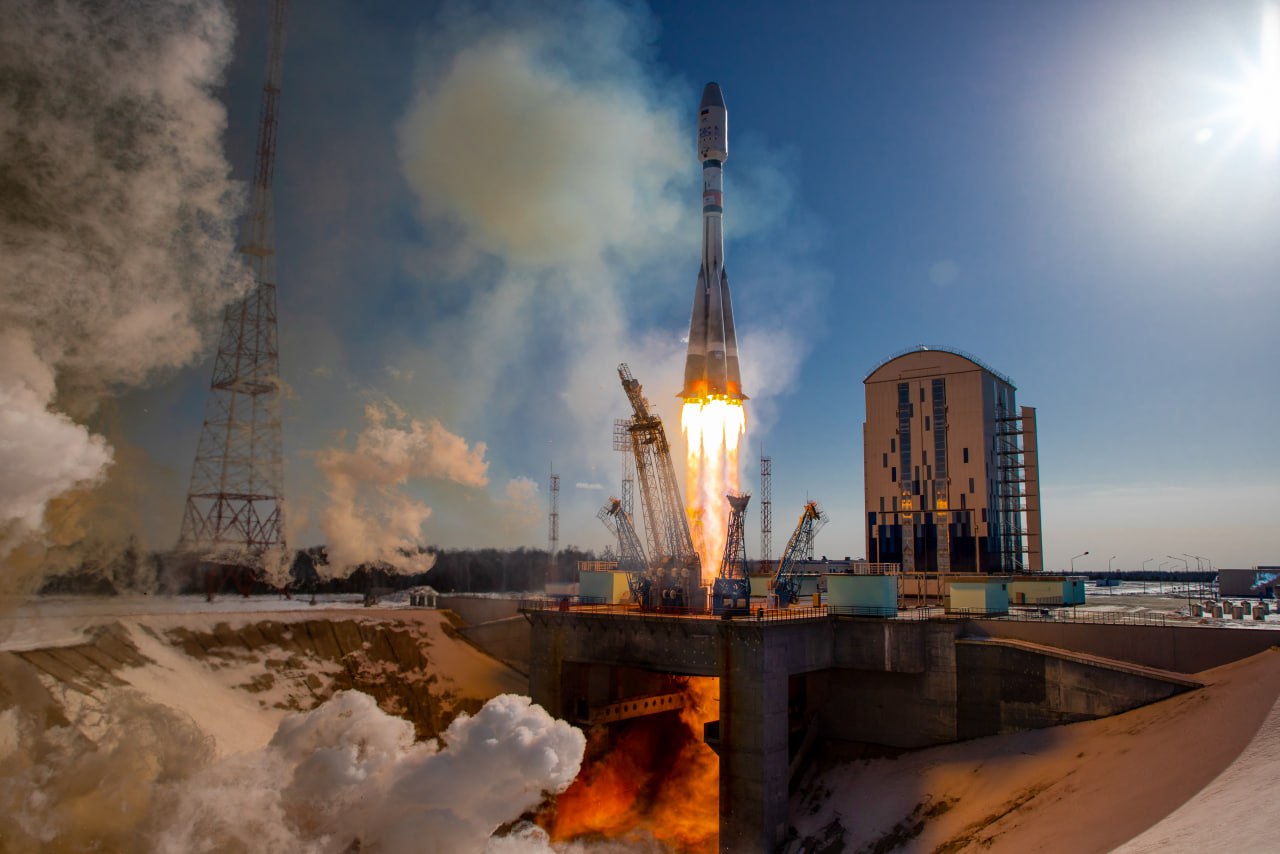
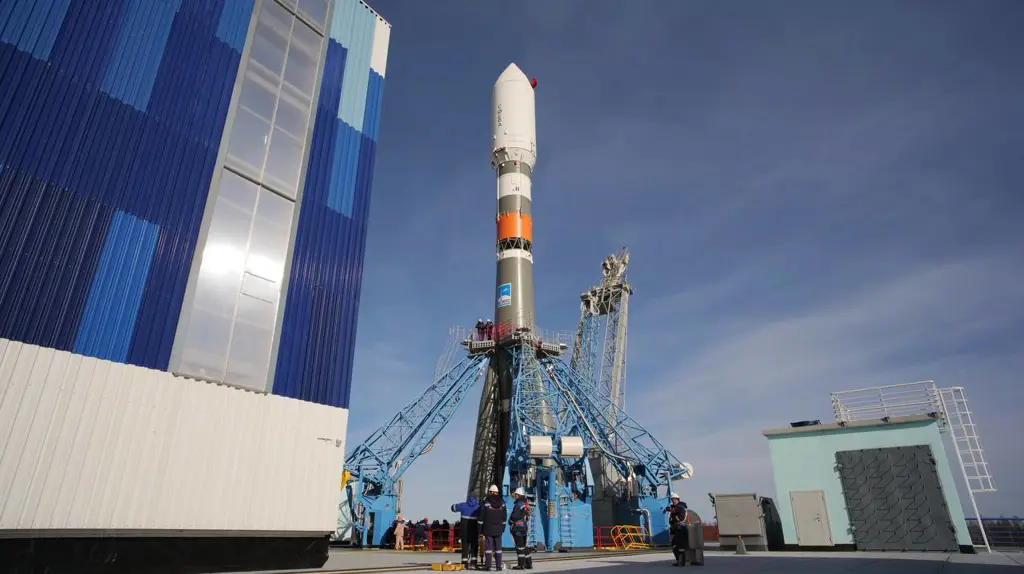
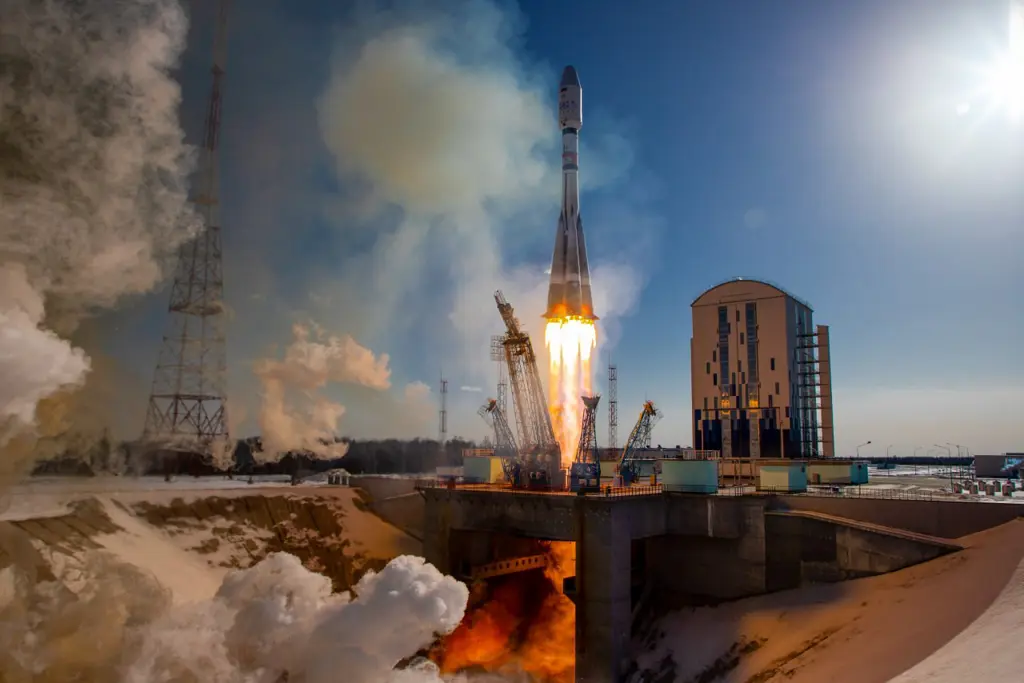
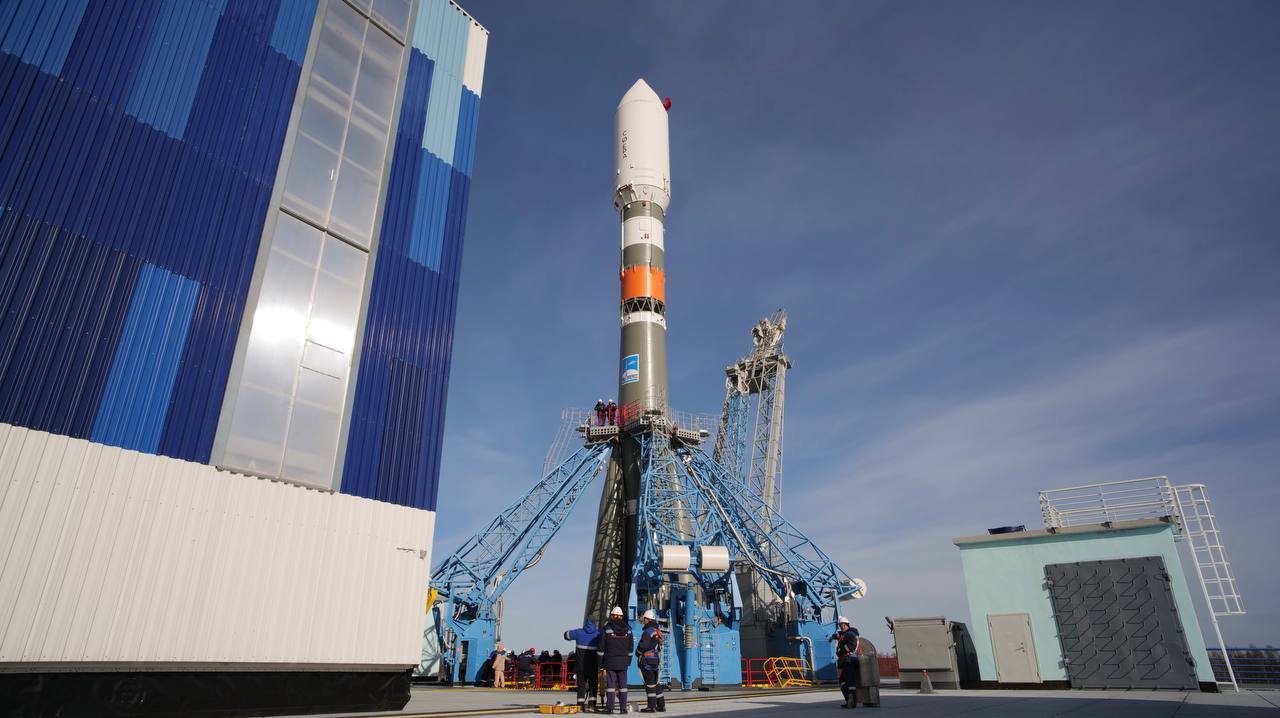
The Vostochny Cosmodrome is a Russian spaceport above the 51st parallel north in the Amur Oblast, in the Russian Far East. It is intended to reduce Russia's dependency on the Baikonur Cosmodrome in Kazakhstan. The first launch took place on 28 April 2016 at 02:01 UTC.
Timezone
Asia/Yakutsk
Local Launch Time
Dec 31, 2027, 9:00 AM
Total Launches
21
Total Landings
0
Coordinates
51.8844, 128.3339