Earth Science
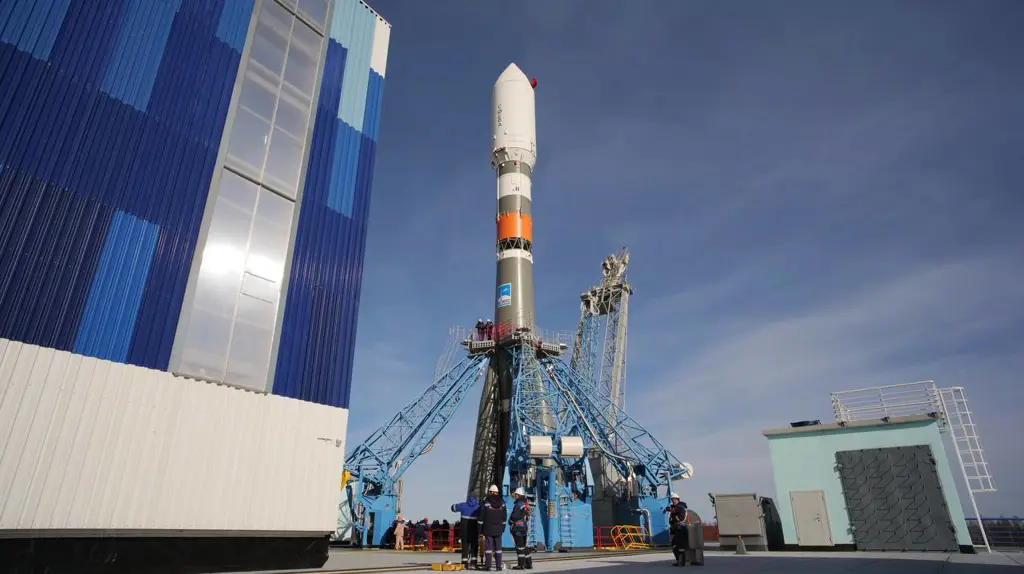
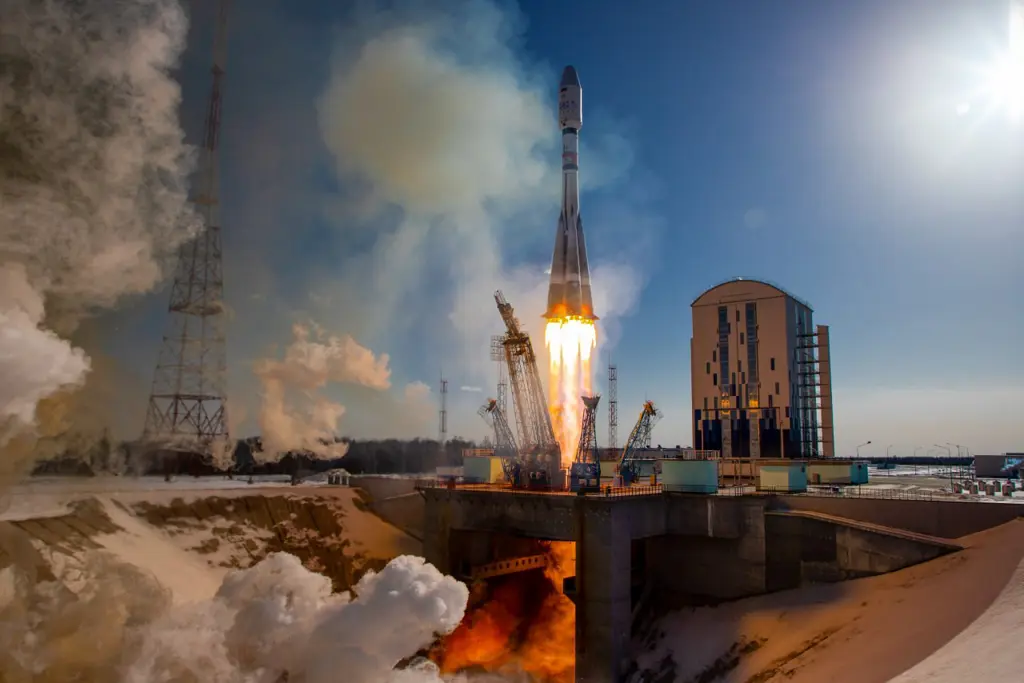
This is the third spacecraft in the Russian Meteor-M series of remote sensing satellites. Weighing about 2750 kg, it is intended to gather hydrometeorological data from sun-synchronous orbit. This includes monitoring ozone layer and radiation levels in the near-Earth space, as well as monitoring ocean surface temperatures and ice conditions.
An algorithm glitch caused the Fregat upper stage to de-orbit.
Orbital Attempt
#5,695
RFSA Mission
#269
Pad Launch
#2
Location Launch
#2
Nov 28, 2017, 5:41 AM
1 update
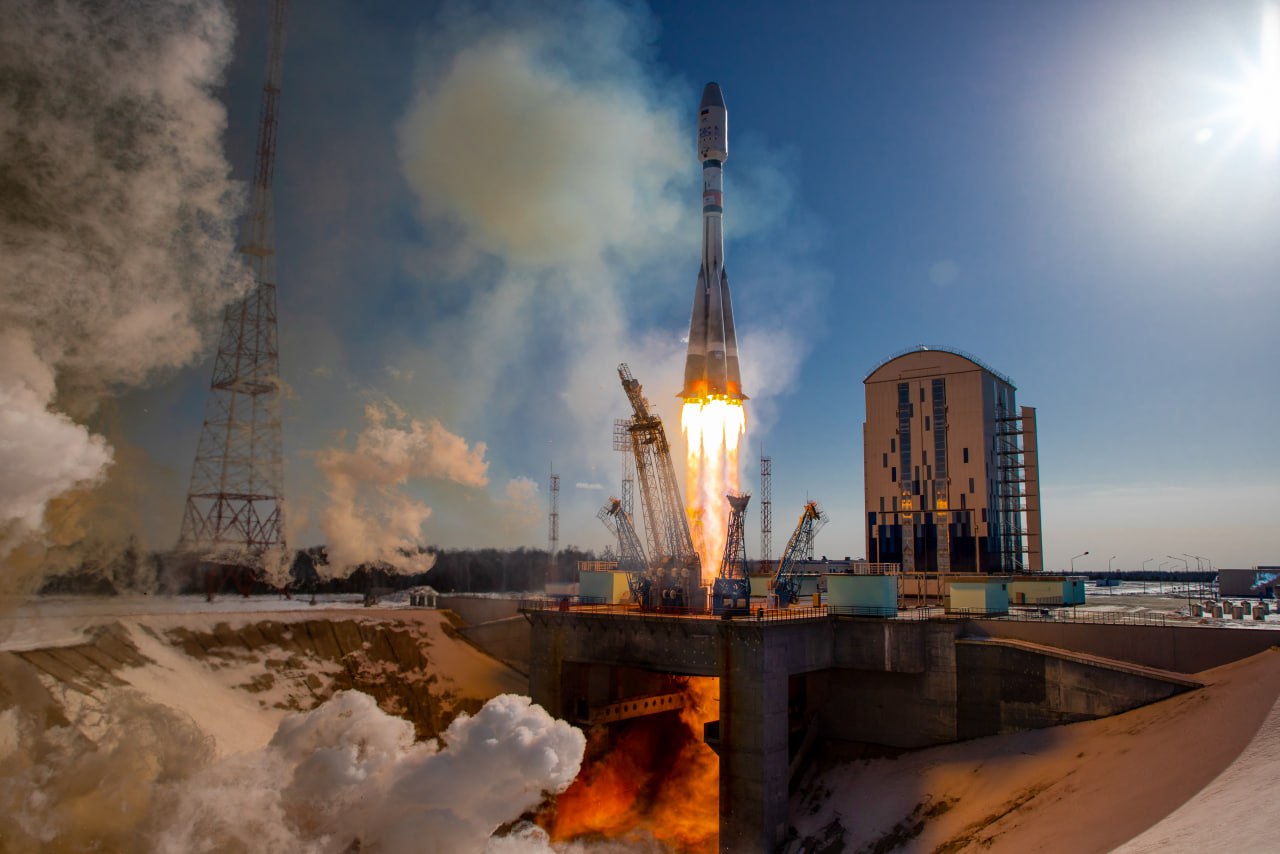
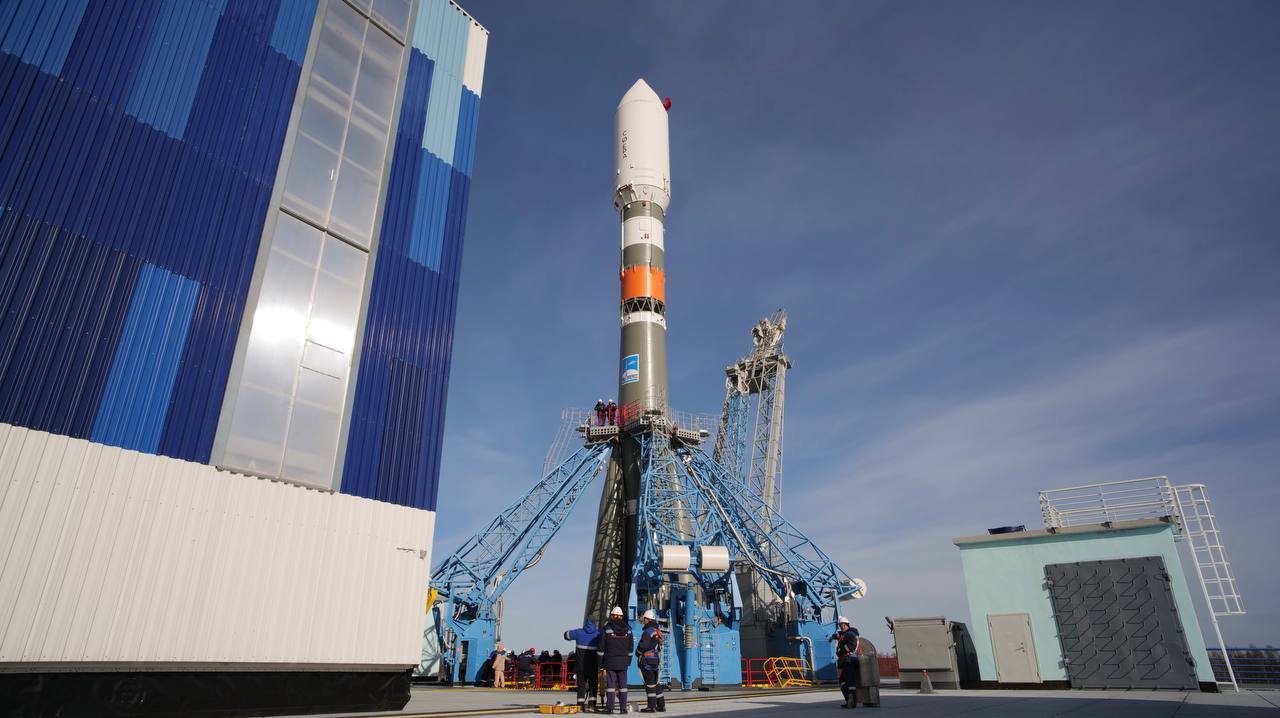
Soyuz-2, GRAU index 14A14, is the collective designation for the 21st-century version of the Russian Soyuz rocket. In its basic form, it is a three-stage carrier rocket for placing payloads into low Earth orbit. The first-stage boosters and two core stages feature uprated engines with improved injection systems, compared to the previous versions of the Soyuz. Digital flight control and telemetry systems allow the rocket to be launched from a fixed launch platform, whereas the launch platforms for earlier Soyuz rockets had to be rotated as the rocket could not perform a roll to change its heading in flight. The Soyuz 2.1b represents the latest development stage of the proven rocket. It uses the new RD-0124 engines in the first three stages, coupled with an improved injection system that significantly boosts the performance of the Soyuz. Furthermore, she wears a new, digital startup control system. This will allow the Soyuz 2.1b to carry around 1.2 tonnes more payload into low earth orbit compared to its predecessor.
Length
46.3 m
Diameter
2.95 m
Launch Mass
312 t
Thrust
4,150 kN
LEO Capacity
8,200 kg
GTO Capacity
3,250 kg
SSO Capacity
4,900 kg
Launch Cost
$80M
Reusable
No
Maiden Flight
2006
Fastest Turnaround
23d 3h
Total Launches
25
Successful
23
Failed
2
Consecutive Success
9
Maiden flight: Dec 27, 2006
The Roscosmos State Corporation for Space Activities, commonly known as Roscosmos, is the governmental body responsible for the space science program of the Russian Federation and general aerospace research. Soyuz has many launch locations the Russian sites are Baikonur, Plesetsk and Vostochny however Ariane also purchases the vehicle and launches it from French Guiana.
Founded
1992
Administrator
Administrator: Yuri Borisov
Total Launches
341
Successful
330
Failed
11
Pending
3
Consecutive Success
65
The Vostochny Cosmodrome is a Russian spaceport above the 51st parallel north in the Amur Oblast, in the Russian Far East. It is intended to reduce Russia's dependency on the Baikonur Cosmodrome in Kazakhstan. The first launch took place on 28 April 2016 at 02:01 UTC.
Timezone
Asia/Yakutsk
Local Launch Time
Nov 28, 2017, 2:41 PM
Total Launches
21
Total Landings
0
Coordinates
51.8844, 128.3339