Earth Science
IRDT (Inflatable Re-Entry and Descent Technology) is a new technology to return payloads from orbit without a heavy heatshield and parachute system. A inflatable cone provides protection during reentry and a second inflatable extension of the cone reduces the speed further for a safe landing.
Orbital Attempt
#4,376
RFSA Mission
#98
Pad Launch
#326
Location Launch
#1,143
Designator
2000-009
Feb 8, 2000, 11:20 PM
1 update
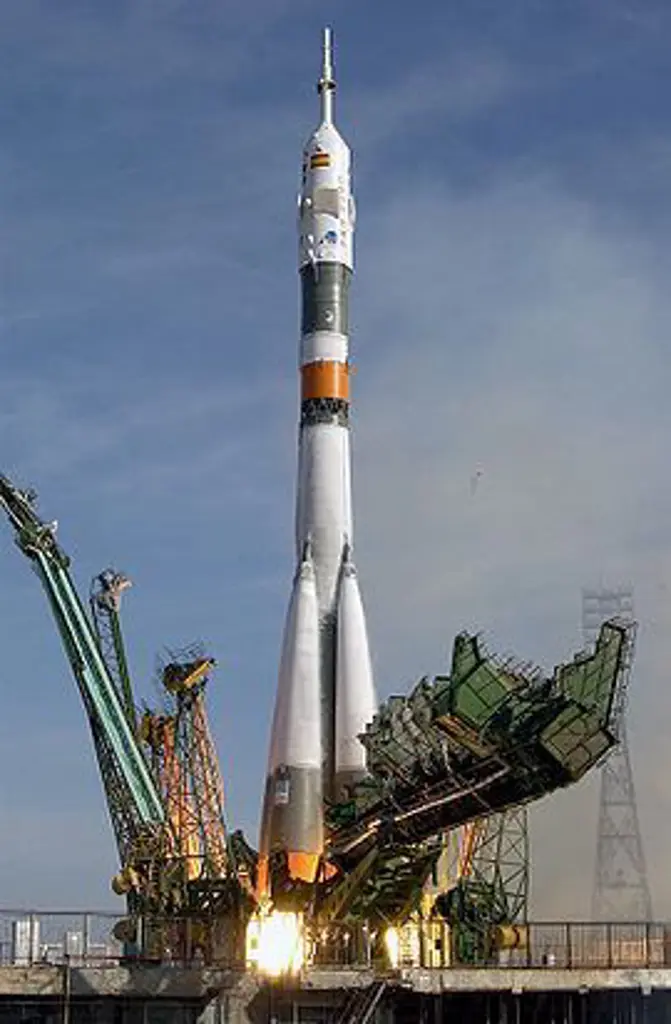
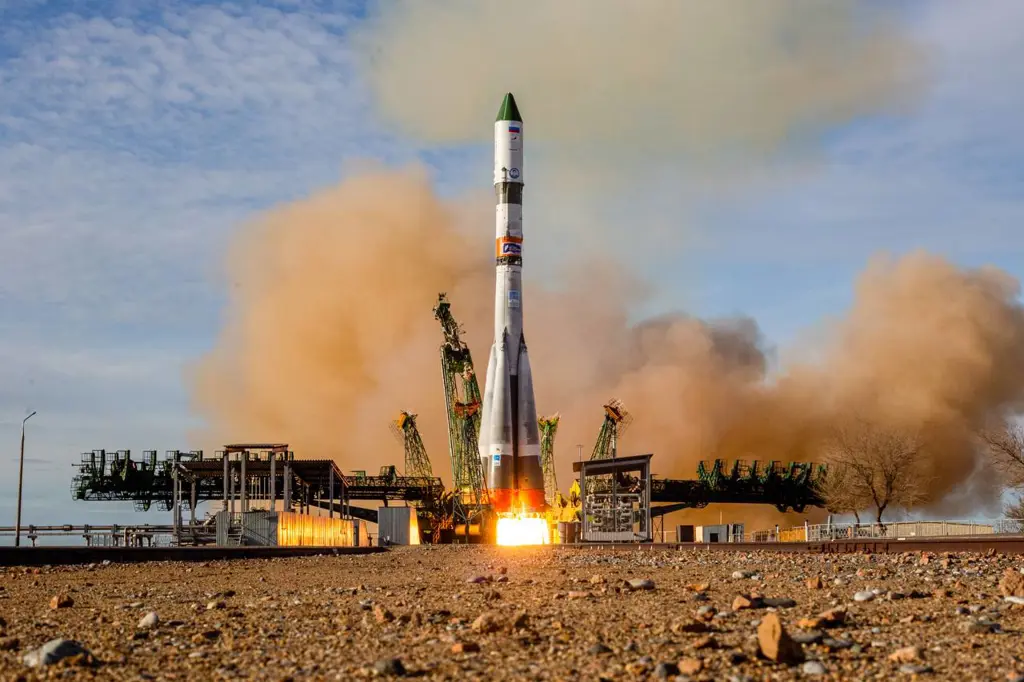
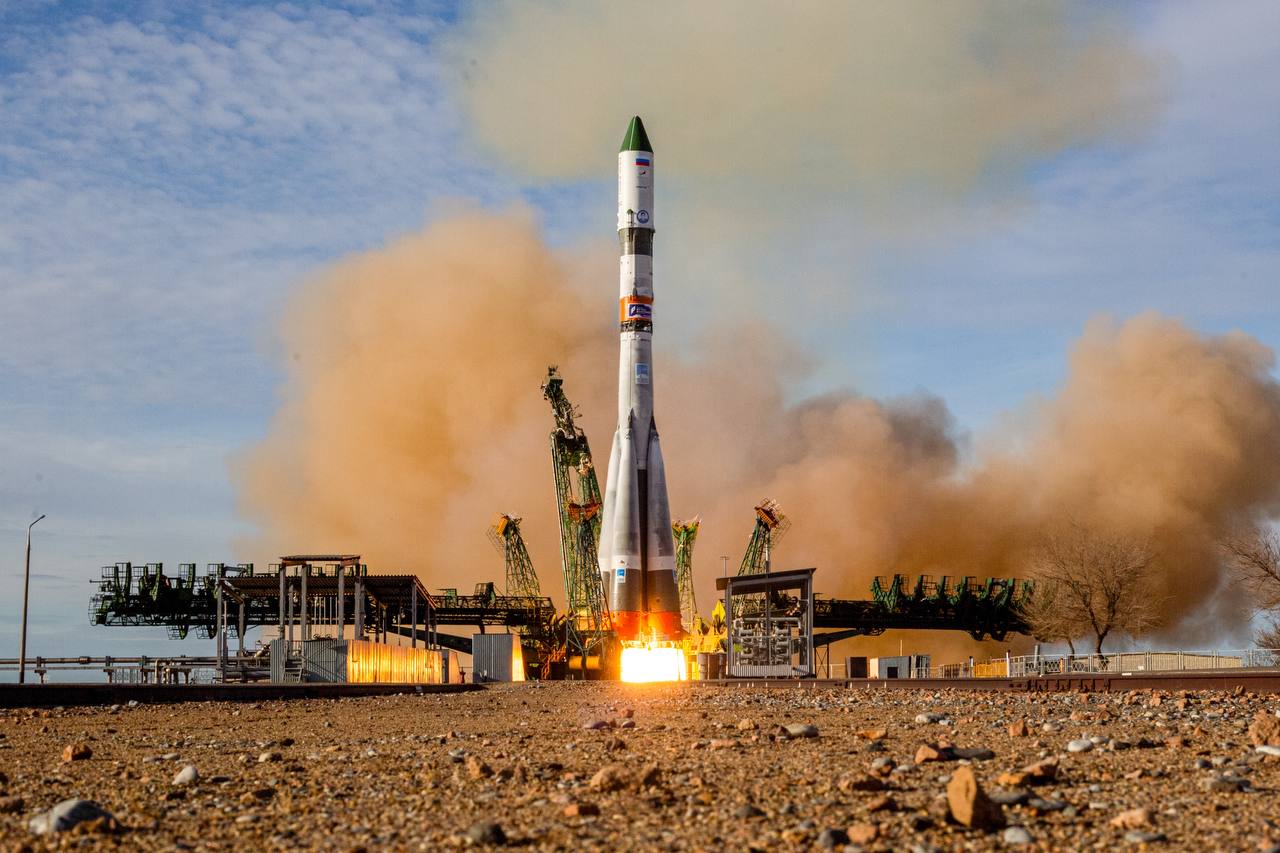
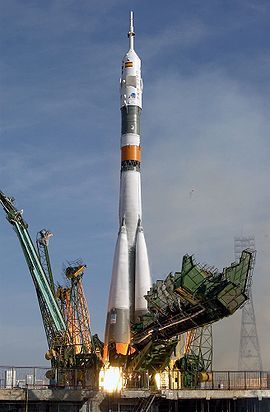
A Russian orbital launch vehicle. A version of the Soyuz-U with safety modifications to prevent and resist fires in all stages and the upper stage avionics compartment.
Length
51 m
Diameter
3 m
Launch Mass
313 t
LEO Capacity
6,900 kg
Reusable
No
Maiden Flight
1984
Fastest Turnaround
19h 30m
Total Launches
74
Successful
72
Failed
2
Consecutive Success
12
Maiden flight: Mar 21, 1984
The Roscosmos State Corporation for Space Activities, commonly known as Roscosmos, is the governmental body responsible for the space science program of the Russian Federation and general aerospace research. Soyuz has many launch locations the Russian sites are Baikonur, Plesetsk and Vostochny however Ariane also purchases the vehicle and launches it from French Guiana.
Founded
1992
Administrator
Administrator: Yuri Borisov
Total Launches
341
Successful
330
Failed
11
Pending
3
Consecutive Success
65
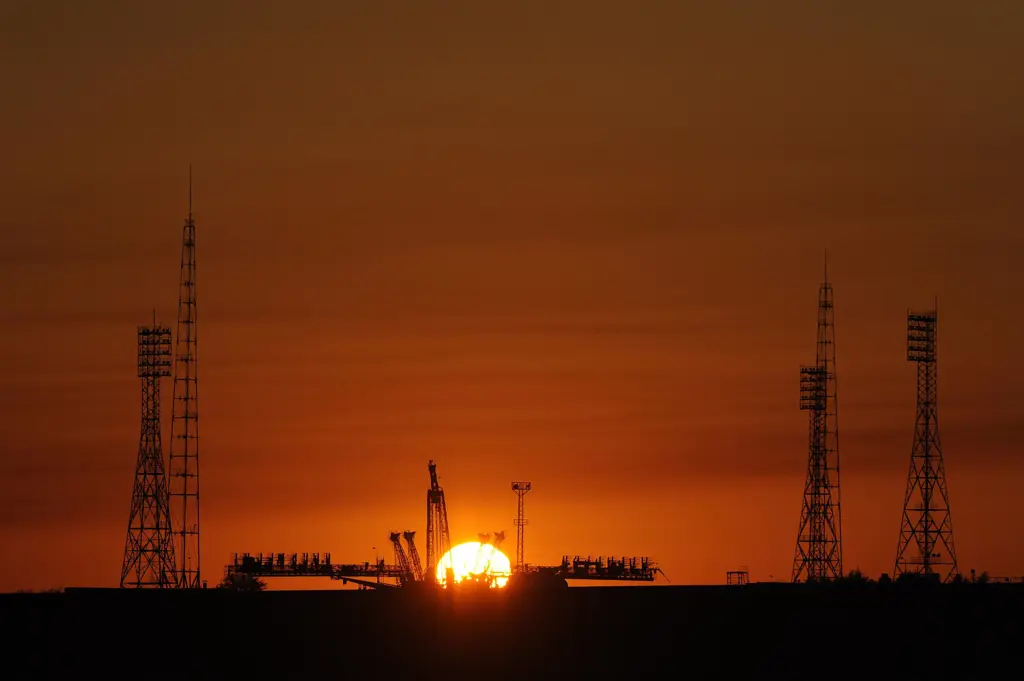
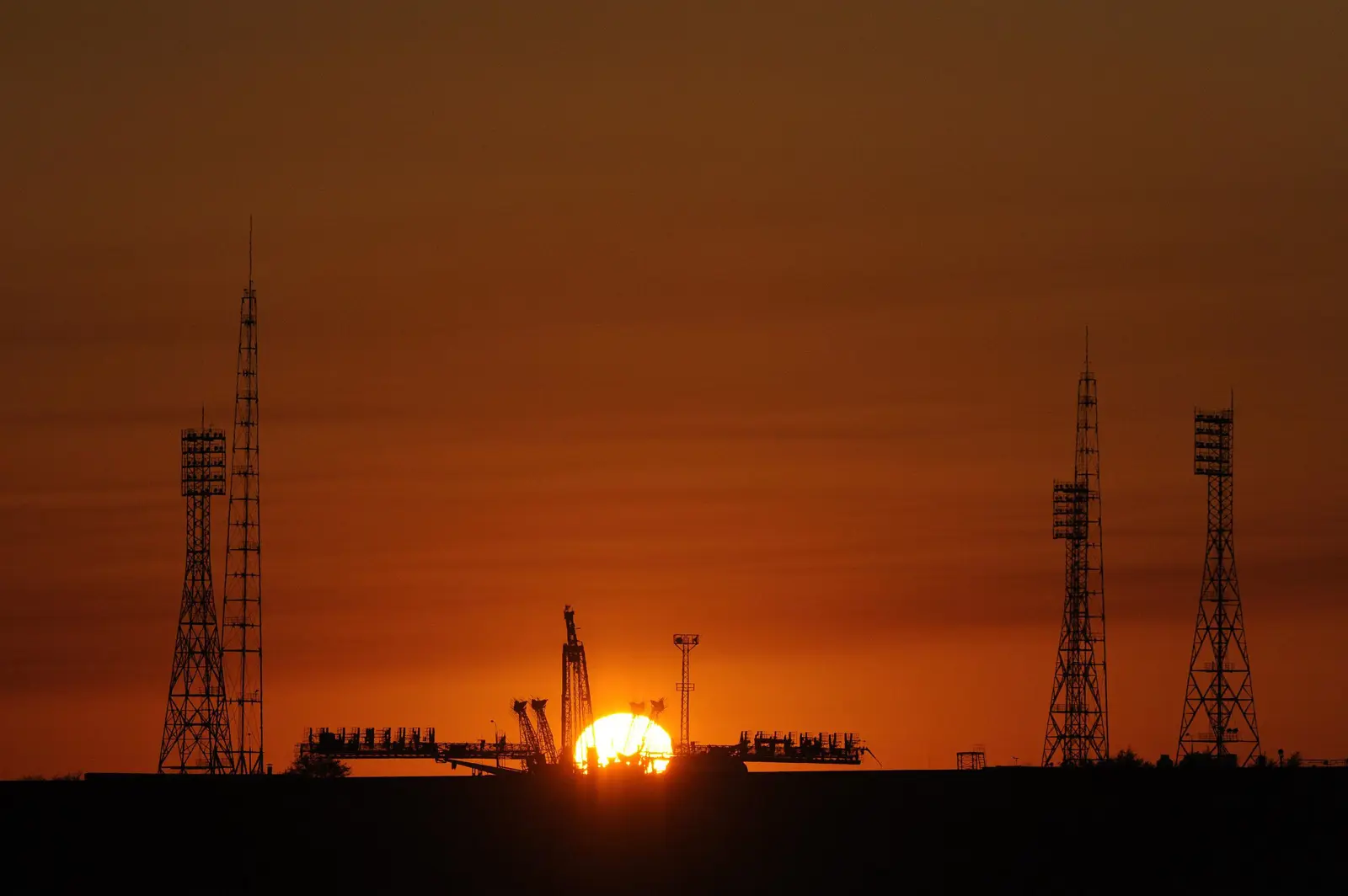
The Baikonur Cosmodrome is a spaceport operated by Russia within Kazakhstan. Located in the Kazakh city of Baikonur, it is the largest operational space launch facility in terms of area. All Russian crewed spaceflights are launched from Baikonur.
Timezone
Asia/Qyzylorda
Local Launch Time
Feb 9, 2000, 4:20 AM
Total Launches
1,563
Total Landings
0
Coordinates
45.9650, 63.3050