Government/Top Secret
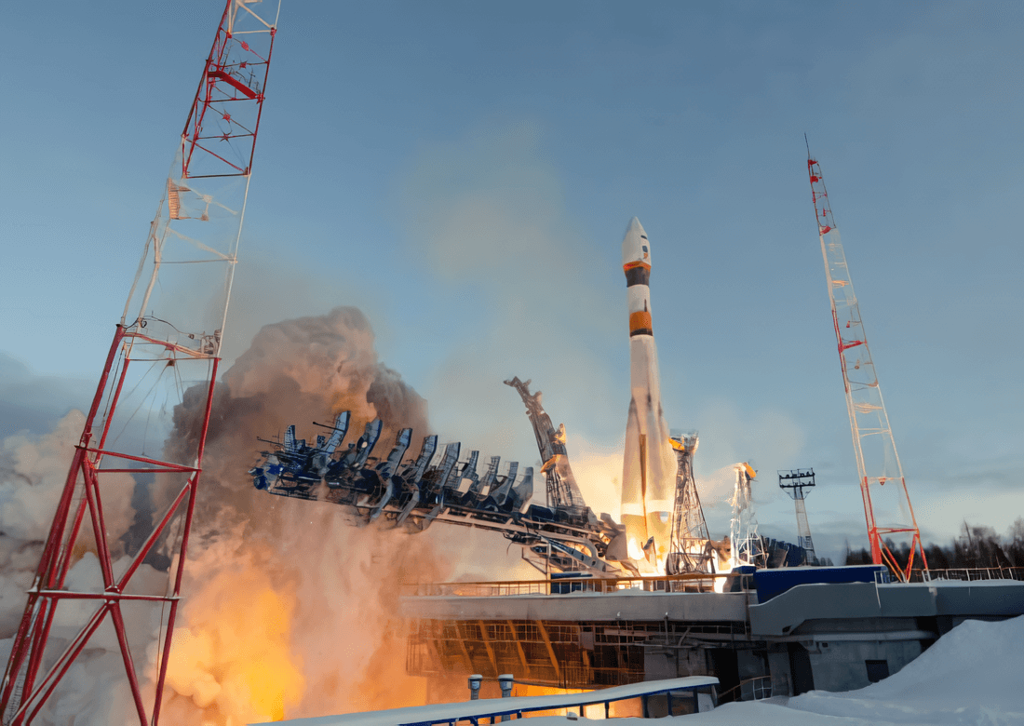
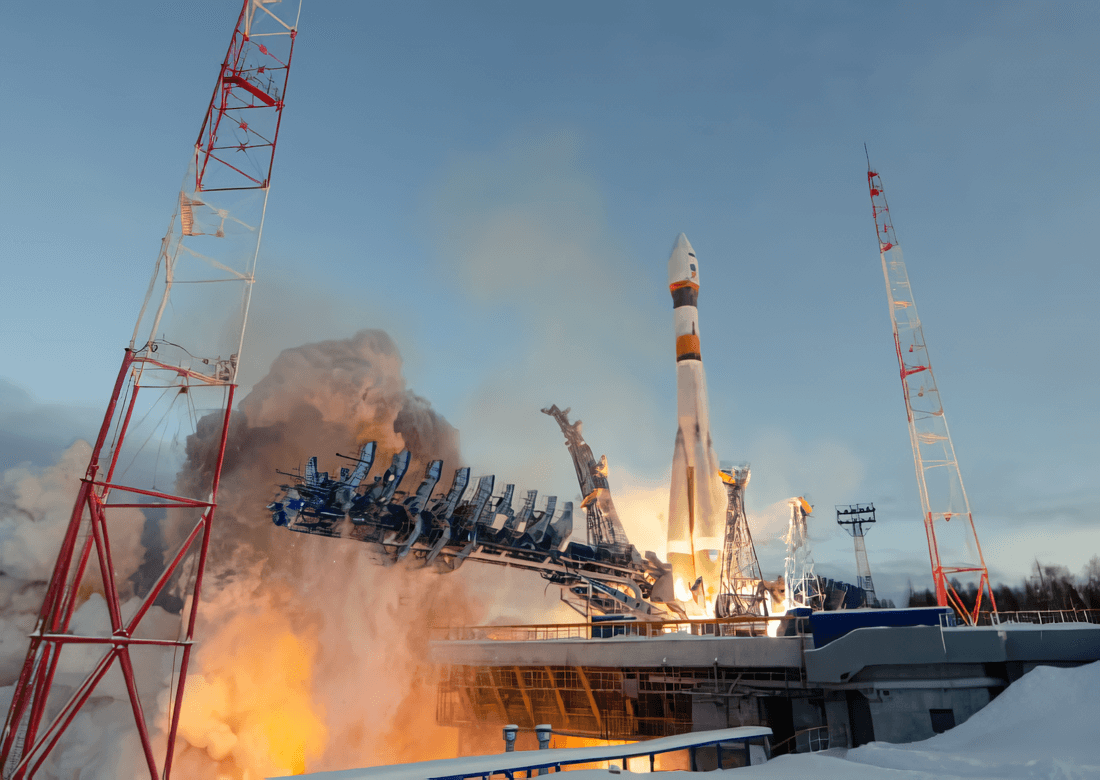
Bars-M is the second incarnation of the Bars project, which was started in the mid 1990ies to develop a successor for the Komtea class of area surveillance satellites. The original Bars project was halted in the early 2000s. In 2007, TsSKB-Progress was contracted for Bars-M, for which reportedly the Yantar-based service module was replaced by a new developed advanced service module. The Bars-M satellites feature an electro-optical camera system called Karat, which is developed and built by the Leningrad Optical Mechanical Association (LOMO), and a dual laser altimeter instrument to deliver topographic imagery, stereo images, altimeter data and high-resolution images with a ground resolution around 1 meter.
Orbital Attempt
#6,238
VKS Mission
#124
Pad Launch
#309
Location Launch
#1,651
Designator
2022-054
May 19, 2022, 8:03 AM
1 update
7:30 AM
Window Open
10:00 AM
Window Close

Plesetsk Cosmodrome is a Russian spaceport located in Mirny, Arkhangelsk Oblast, about 800 km north of Moscow and approximately 200 km south of Arkhangelsk. Originally developed as an ICBM site for the R-7 missile, it also served for numerous satellite launches using the R-7 and other rockets. Its high latitude makes it useful only for certain types of launches, especially the Molniya orbits, so for much of the site's history it functioned as a secondary location, with most orbital launches taking place from Baikonur, in the Kazakh SSR. With the end of the Soviet Union, Baikonur became a foreign territory, and Kazakhstan charged $115 million usage fees annually. Consequently, Plesetsk has seen considerably more activity since the 2000s.
Timezone
Europe/Moscow
Local Launch Time
May 19, 2022, 11:03 AM
Total Launches
1,686
Total Landings
0
Coordinates
62.9256, 40.5778