Navigation
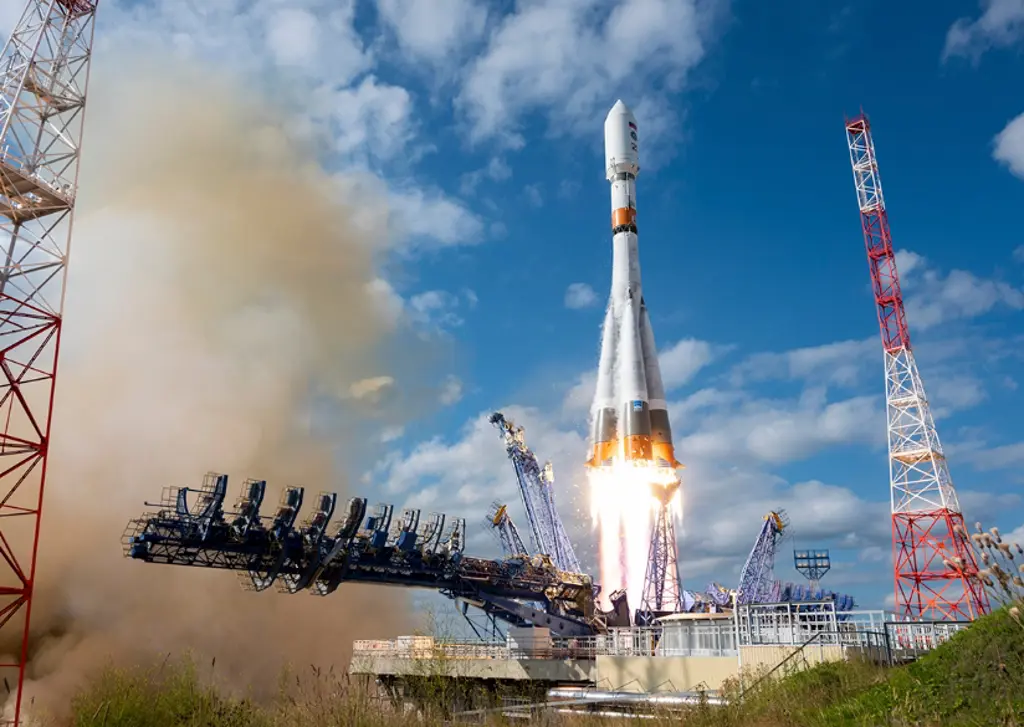
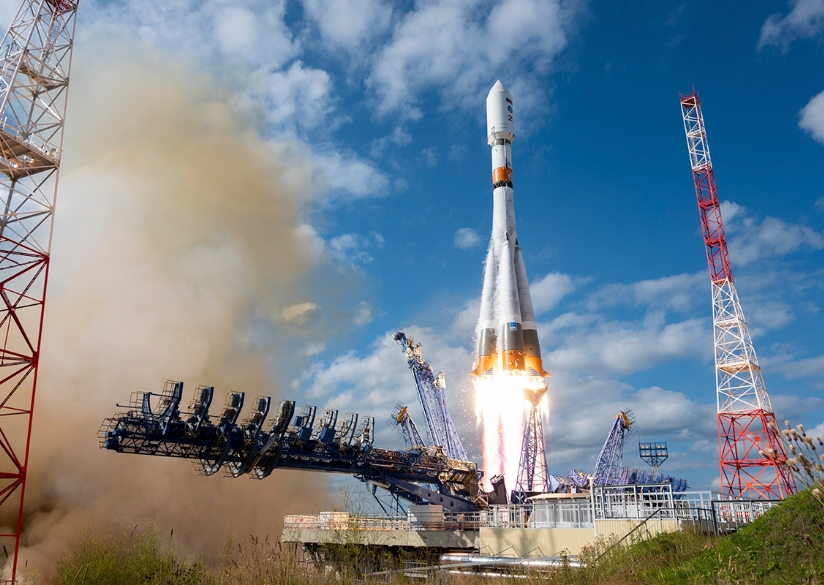
Glonass-K2 are the fourth generation of satellite design for GLONASS satellite navigation system. GLONASS is a Russian space-based navigation system comparable to the similar GPS and Galileo systems. This generation improves on accuracy, power consumption and design life. Each satellite is unpressurized and weighs 1645 kg, and has an operational lifetime of 10 years.

GLONASS (ГЛОНАСС, IPA: [ɡɫɐˈnas]; Russian: Глобальная навигационная спутниковая система, tr. Global'naya Navigatsionnaya Sputnikovaya Sistema, lit. 'Global Navigation Satellite System') is a Russian satellite navigation system operating as part of a radionavigation-satellite service. It provides an alternative to Global Positioning System (GPS) and is the second navigational system in operation with global coverage and of comparable precision.
Oct 12, 1982 — ongoing
Orbital Attempt
#6,488
VKS Mission
#135
Pad Launch
#228
Location Launch
#1,662
Designator
2023-114
Aug 7, 2023, 1:19 PM
Second
1 update
12:00 PM
Window Open
3:00 PM
Window Close
Plesetsk Cosmodrome is a Russian spaceport located in Mirny, Arkhangelsk Oblast, about 800 km north of Moscow and approximately 200 km south of Arkhangelsk. Originally developed as an ICBM site for the R-7 missile, it also served for numerous satellite launches using the R-7 and other rockets. Its high latitude makes it useful only for certain types of launches, especially the Molniya orbits, so for much of the site's history it functioned as a secondary location, with most orbital launches taking place from Baikonur, in the Kazakh SSR. With the end of the Soviet Union, Baikonur became a foreign territory, and Kazakhstan charged $115 million usage fees annually. Consequently, Plesetsk has seen considerably more activity since the 2000s.
Timezone
Europe/Moscow
Local Launch Time
Aug 7, 2023, 4:19 PM
Total Launches
1,686
Total Landings
0
Coordinates
62.9256, 40.5778