Test Target
The DS-P1-Yu series of satellites was used to calibrate space surveillance and early warning radars.
Orbital Attempt
#344
CCCP Mission
#92
Pad Launch
#22
Location Launch
#22
Designator
1964-042
Jul 30, 1964, 3:36 AM
1 update
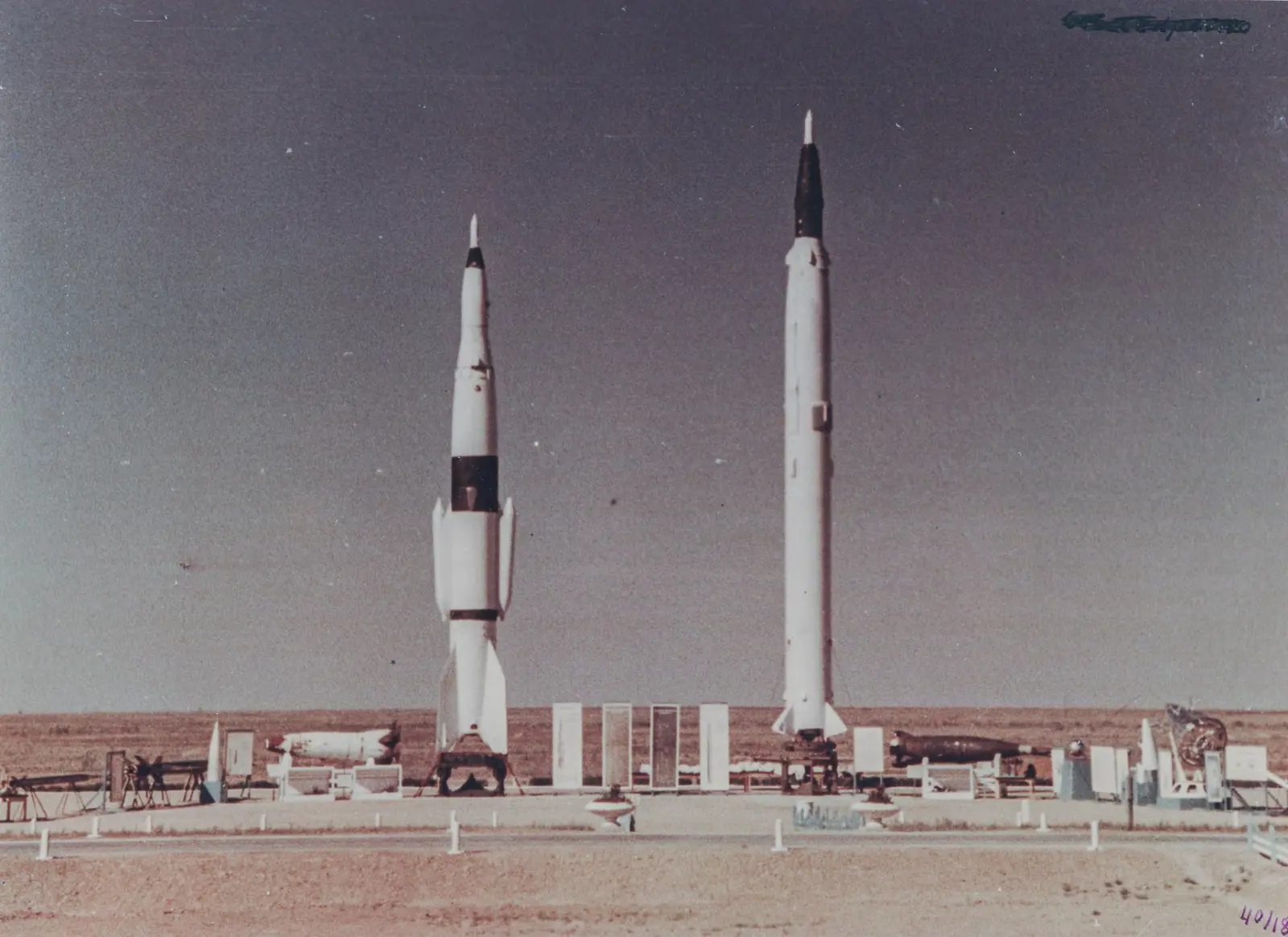
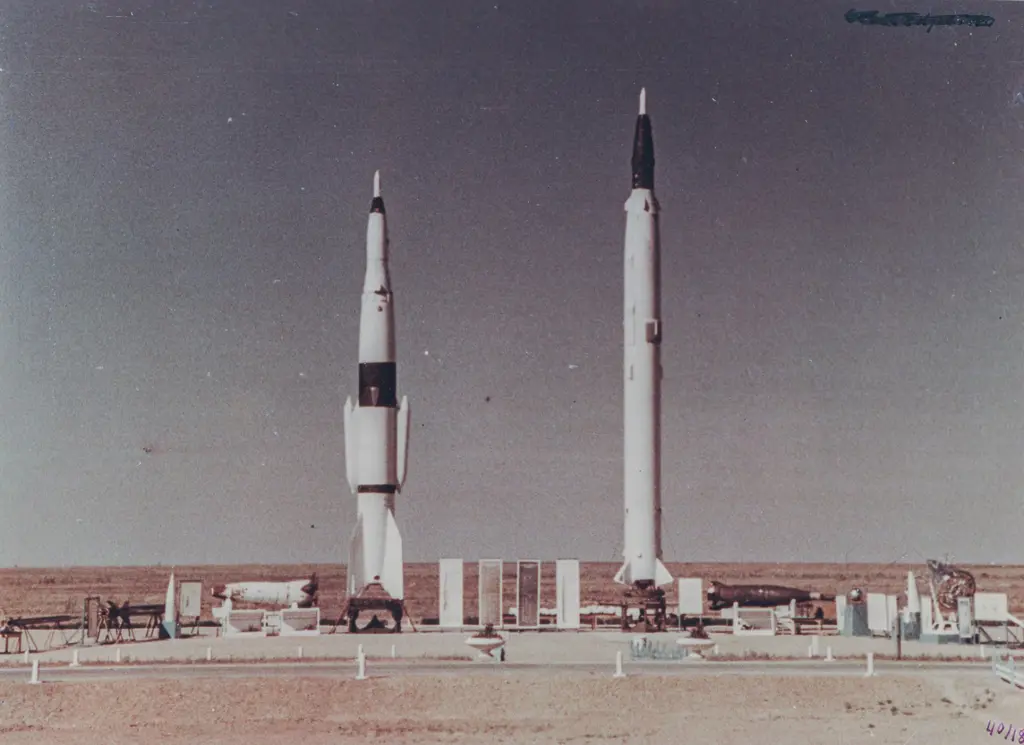
Kapustin Yar is a Russian military training area and a rocket launch complex in Astrakhan Oblast, about 100 km east of Volgograd. It was established by the Soviet Union on 13 May 1946. In the beginning, Kapustin Yar used technology, material, and scientific support gained from the defeat of Germany in World War II. Numerous launches of test rockets for the Russian military were carried out at the site, as well as satellite and sounding rocket launches.
Timezone
Europe/Volgograd
Local Launch Time
Jul 30, 1964, 7:36 AM
Total Launches
101
Total Landings
0
Coordinates
48.5900, 45.7200
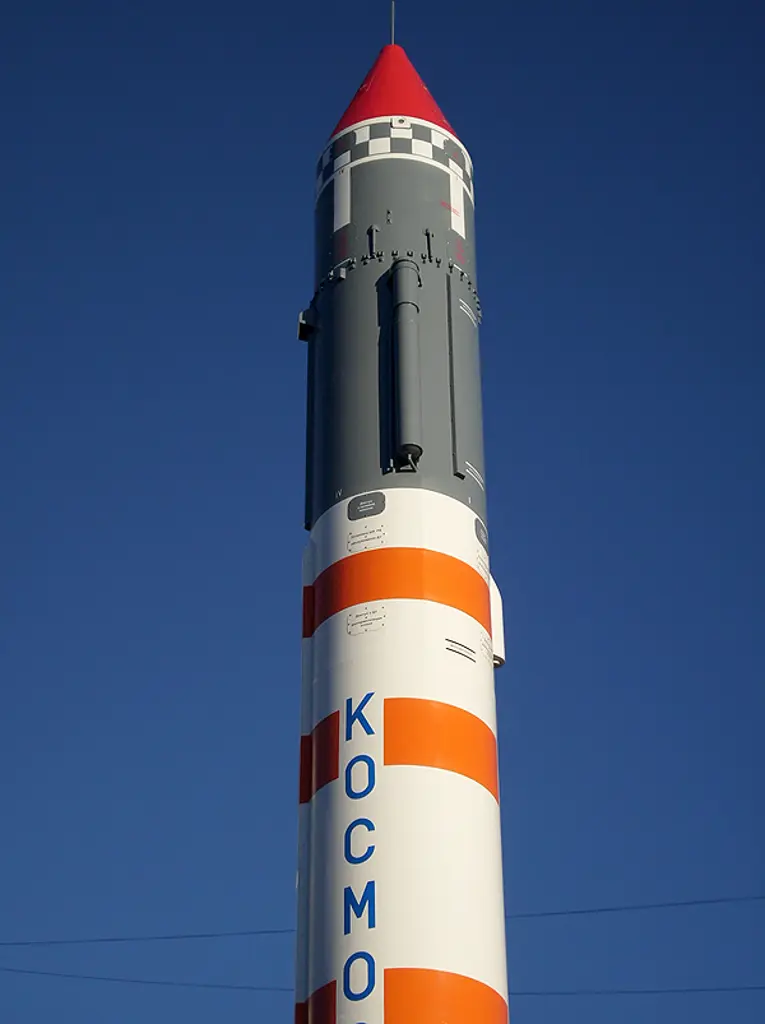
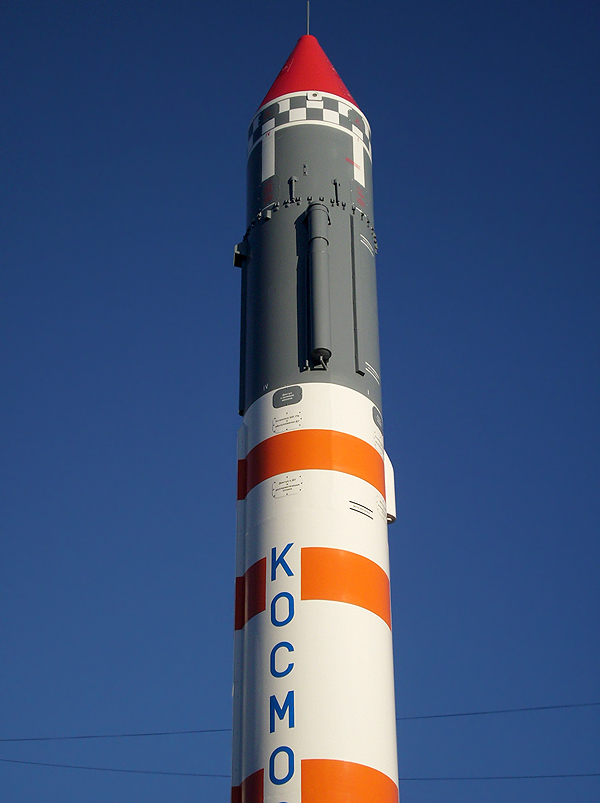
Kosmos-2I is the designation applied to two Soviet carrier rockets which were used to orbit satellites between 1961 and 1977.
Length
31 m
Diameter
1.6 m
Launch Mass
48 t
LEO Capacity
300 kg
Reusable
No
Maiden Flight
1961
Fastest Turnaround
5d 3h
Total Launches
38
Successful
26
Failed
12
Consecutive Success
3
Maiden flight: Oct 27, 1961
The Soviet space program, was the national space program of the Union of Soviet Socialist Republics (USSR) actived from 1930s until disintegration of the Soviet Union in 1991. The Soviet Union's space program was mainly based on the cosmonautic exploration of space and the development of the expandable launch vehicles, which had been split between many design bureaus competing against each other. Over its 60-years of history, the Russian program was responsible for a number of pioneering feats and accomplishments in the human space flight, including the first intercontinental ballistic missile (R-7), first satellite (Sputnik 1), first animal in Earth orbit (the dog Laika on Sputnik 2), first human in space and Earth orbit (cosmonaut Yuri Gagarin on Vostok 1), first woman in space and Earth orbit (cosmonaut Valentina Tereshkova on Vostok 6), first spacewalk (cosmonaut Alexei Leonov on Voskhod 2), first Moon impact (Luna 2), first image of the far side of the Moon (Luna 3) and unmanned lunar soft landing (Luna 9), first space rover (Lunokhod 1), first sample of lunar soil automatically extracted and brought to Earth (Luna 16), and first space station (Salyut 1). Further notable records included the first interplanetary probes: Venera 1 and Mars 1 to fly by Venus and Mars, respectively, Venera 3 and Mars 2 to impact the respective planet surface, and Venera 7 and Mars 3 to make soft landings on these planets.
Founded
1931
Total Launches
2,456
Successful
2,288
Failed
168
Pending
0
Consecutive Success
17