Human Exploration
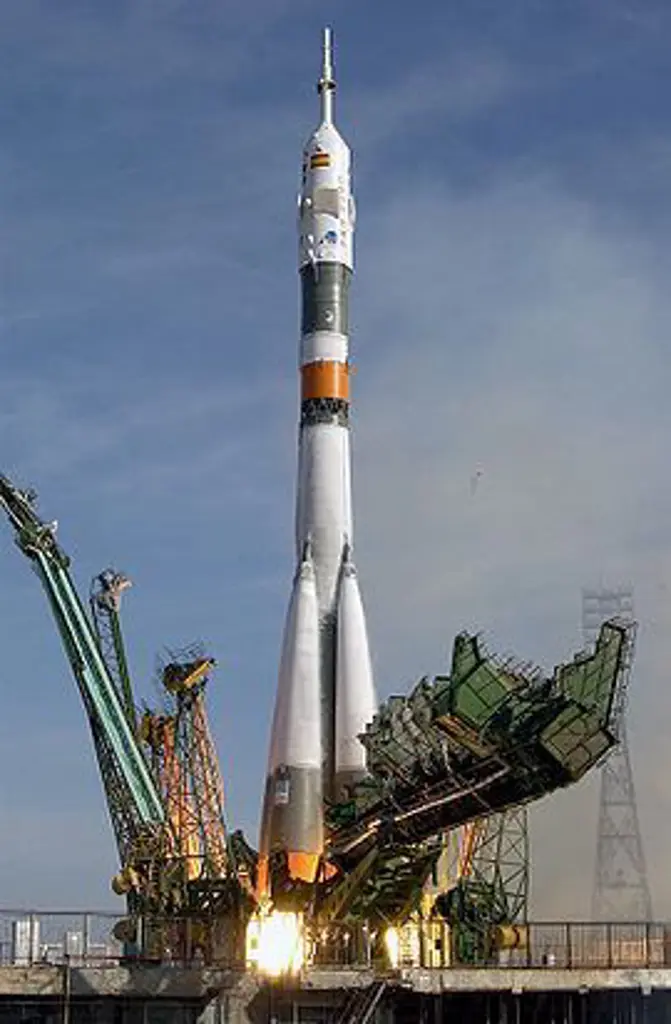
Soyuz T-13 was the eighth mission to visit the Salyut 7 space station. The mission began on June 6, 1985, 06:39:52 UTC, launching Commander Vladimir Dzhanibekov and Flight Engineer Viktor Savinykh into orbit. Following a two day solo flight Soyuz T-13 docked with Salyut 7 on June 08. When arriving there, the station had been vacant since eight month and it had been crippled by a solar array problem. Soyuz T-13 was the first Soyuz to dock manually with an inert Salyut. During their stay on the station, crew had to perform numerous repairs to restore life support, power and other systems, and conducted two EVAs for the same reasons. Cosmonauts were visited by a Progress cargo spacecraft and a Soyuz T-14, who joined the work on the station. Vladimir Dzhanibekov returned to Earth with the Soyuz T-14 crew member, while Viktor Savinykh stayed to continue his work on the station. The mission concluded with a safe landing back on Earth on September 26, 1985, 09:51:58 UTC.
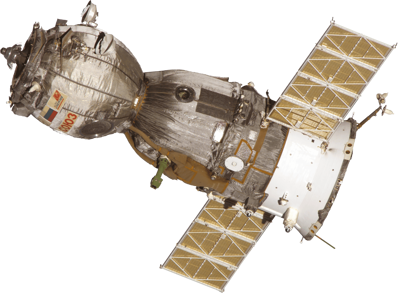
The Soyuz programme is a human spaceflight programme initiated by the Soviet Union in the early 1960s. The Soyuz spacecraft was originally part of a Moon landing project intended to put a Soviet cosmonaut on the Moon. It was the third Soviet human spaceflight programme after the Vostok and Voskhod programmes.
Nov 28, 1966 — ongoing

The Salyut programme was the first space station programme, undertaken by the Soviet Union. It involved a series of four crewed scientific research space stations and two crewed military reconnaissance space stations over a period of 15 years, from 1971 to 1986.
Apr 19, 1971 — Jul 16, 1986
Orbital Attempt
#2,948
CCCP Mission
#1,891
Pad Launch
#215
Location Launch
#743
Designator
1985-043
Jun 6, 1985, 6:39 AM
Second
1 update
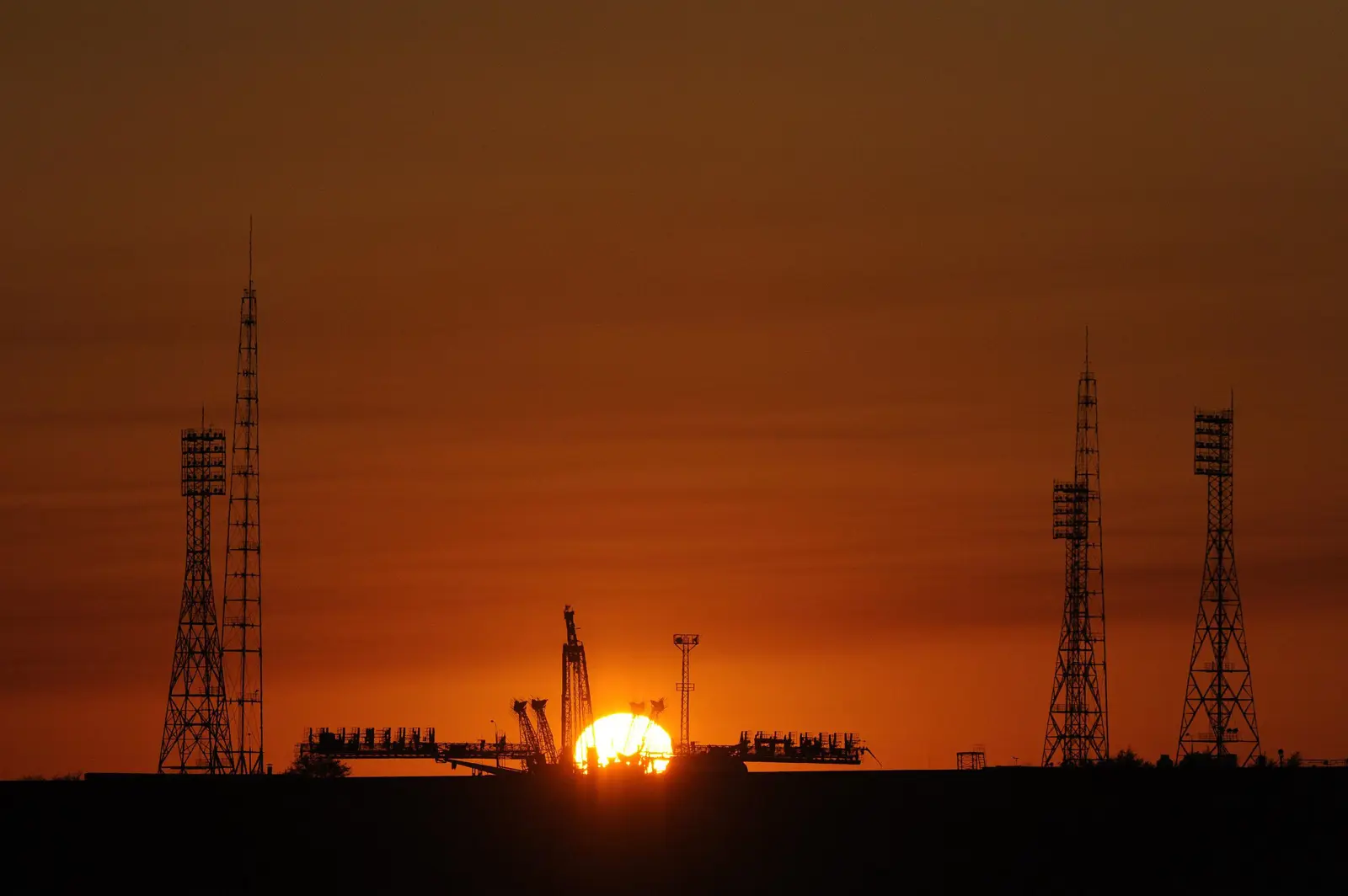
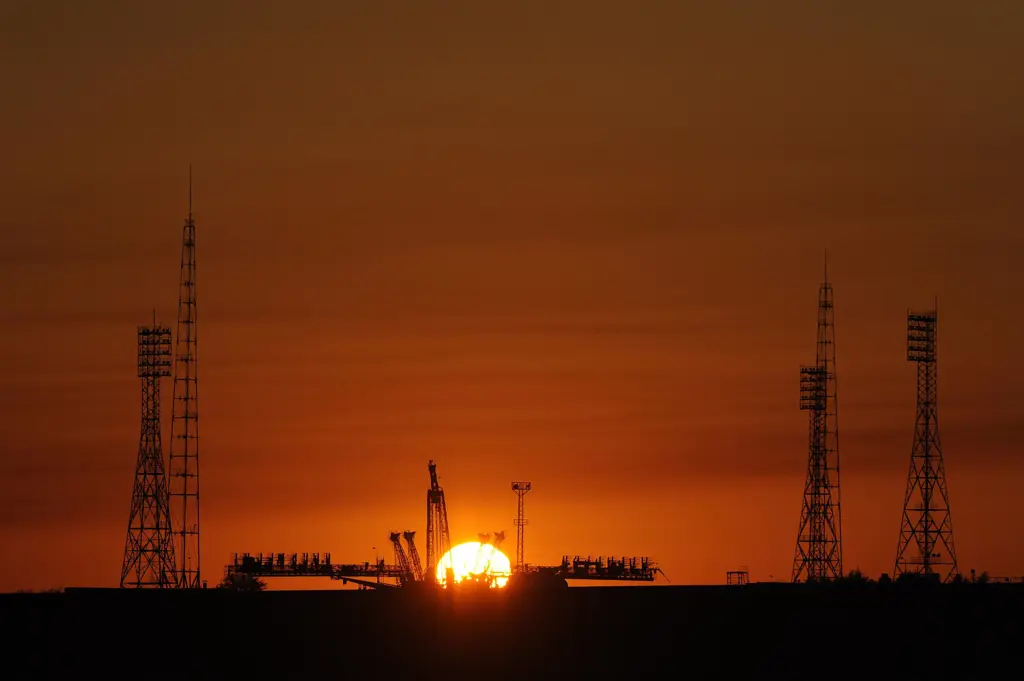
The Baikonur Cosmodrome is a spaceport operated by Russia within Kazakhstan. Located in the Kazakh city of Baikonur, it is the largest operational space launch facility in terms of area. All Russian crewed spaceflights are launched from Baikonur.
Timezone
Asia/Qyzylorda
Local Launch Time
Jun 6, 1985, 12:39 PM
Total Launches
1,564
Total Landings
0
Coordinates
45.9650, 63.3050