Human Exploration
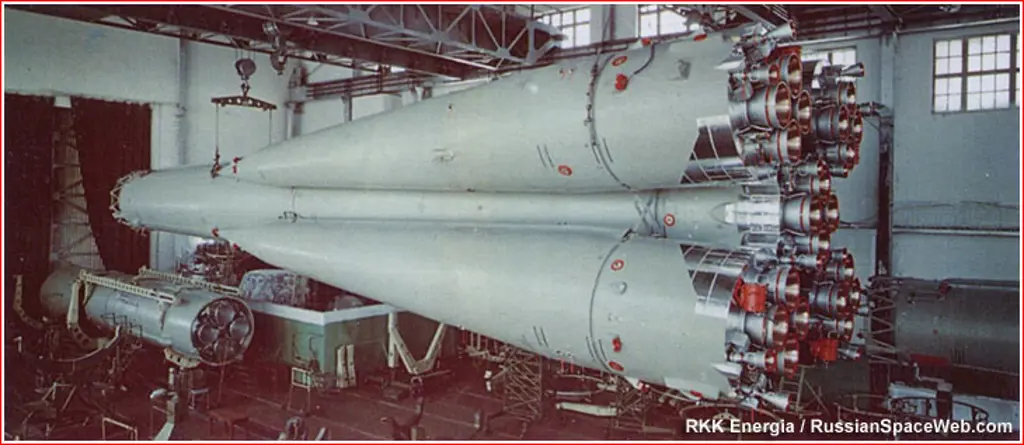
Voskhod 2 carrying Voskhod 3KD spacecraft carried two cosmonauts, Pavel Belyayev & Alexey Leonov, to orbit. The craft was equipped with an inflatable airlock in order to conduct the first ever spacewalk. Alexey Leonov became the first person to do so by performing a 12 minute spacewalk. The mission lasted 1 day, 2 hours, 2 minutes & 17 seconds completing a total of 17 orbits around Earth. The mission had many issues, for example during his spacewalk his spacesuit ballooned up to a point where his suit became stiff. In order to move his limbs again and re-enter the airlock he had to bleed off some of the suit's pressure. After re-entering the capsule,the crew had trouble sealing the hatch, during re-entry the orbital module did not properly disconnect from the landing module causing the spacecraft to spin wildly until turbulence caused them to separate at around 100 km and the automatic landing system failed and the crew had to rely on the manual backup. Earlier troubles meant that spacecraft landed 386 km away from their targeted landing zome in the forests of Upper Kama Upland.
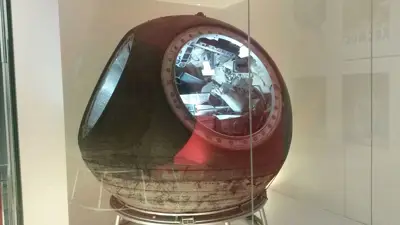
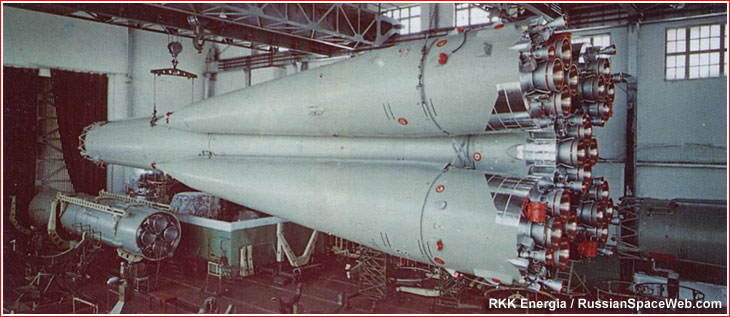
The Voskhod programme was the second Soviet human spaceflight project. Two one-day crewed missions were flown using the Voskhod spacecraft and rocket, one in 1964 and one in 1965, and two dogs flew on a 22-day mission in 1966.
Oct 6, 1964 — Mar 16, 1966
Orbital Attempt
#419
CCCP Mission
#119
Pad Launch
#72
Location Launch
#92
Designator
1965-022
Mar 18, 1965, 7:00 AM
1 update
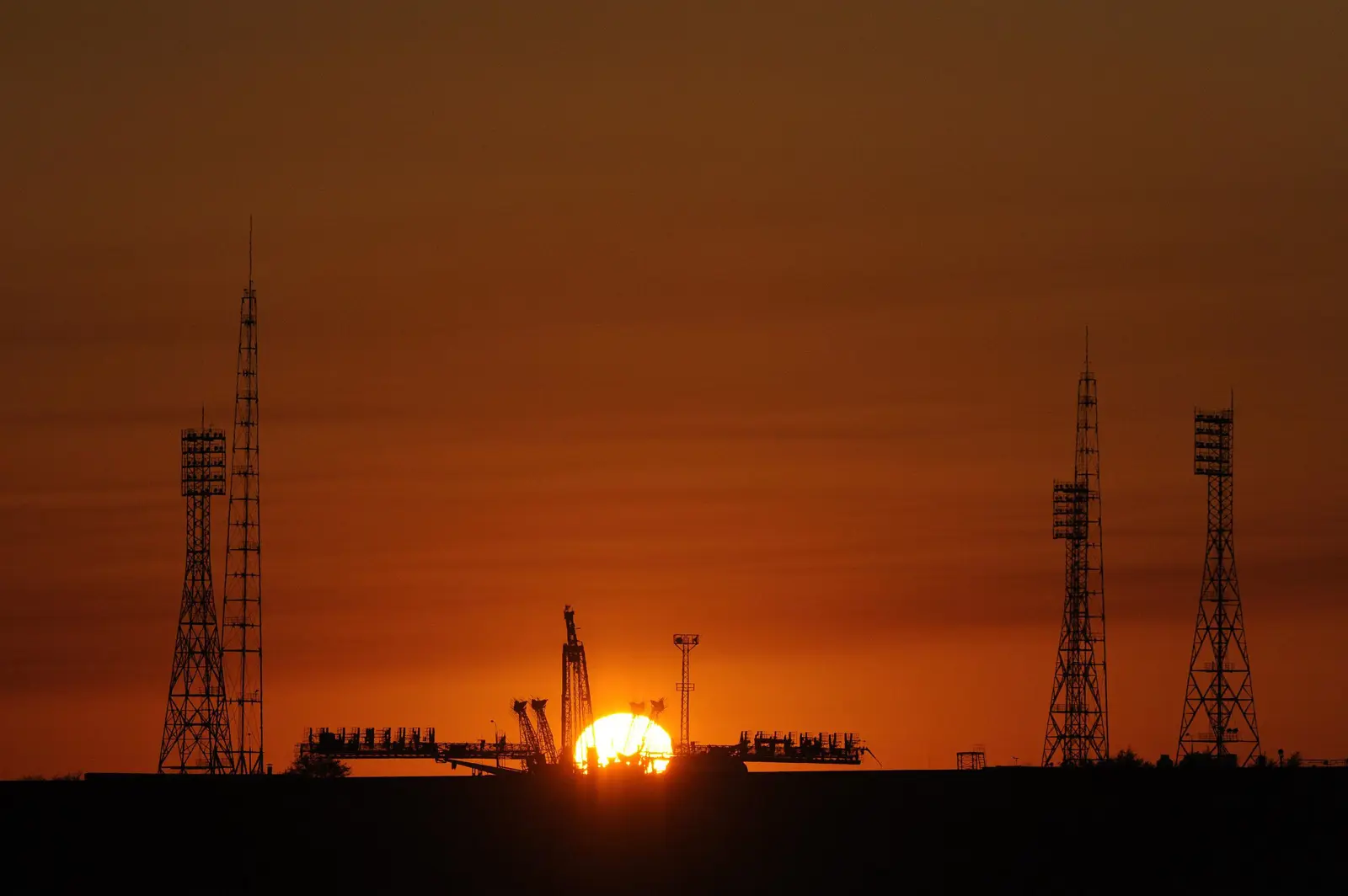
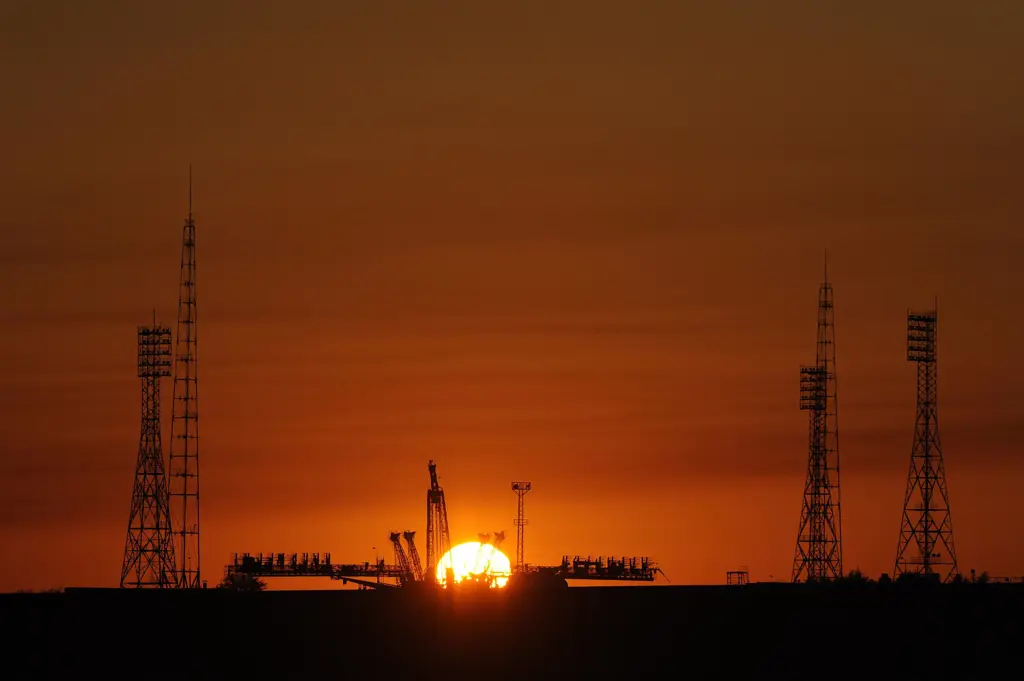
The Baikonur Cosmodrome is a spaceport operated by Russia within Kazakhstan. Located in the Kazakh city of Baikonur, it is the largest operational space launch facility in terms of area. All Russian crewed spaceflights are launched from Baikonur.
Timezone
Asia/Qyzylorda
Local Launch Time
Mar 18, 1965, 12:00 PM
Total Launches
1,564
Total Landings
0
Coordinates
45.9650, 63.3050