Government/Top Secret
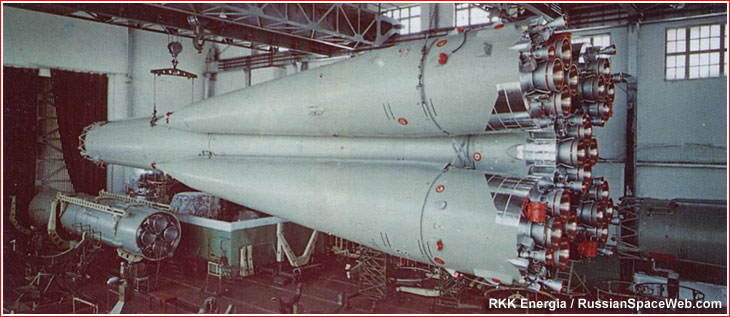
The soviet Zenit-4M (Rotor, 11F691) was an improved version of the Zenit-4 high resolution reconnaissance satellite and was part of the Vostok-based Zenit-family.
Orbital Attempt
#928
CCCP Mission
#378
Pad Launch
#116
Location Launch
#251
Designator
1969-008
Jan 23, 1969, 9:15 AM
1 update
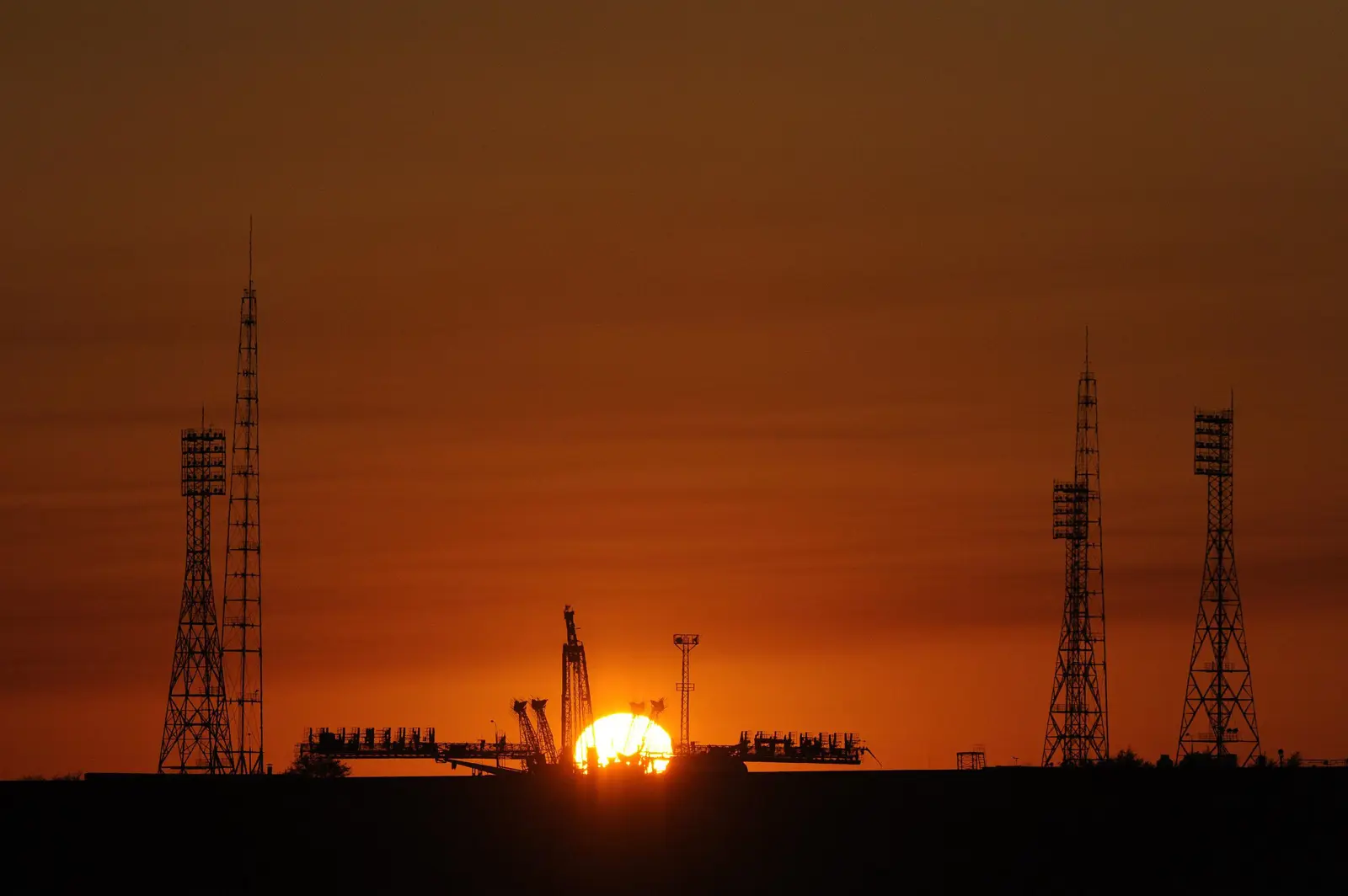
The Baikonur Cosmodrome is a spaceport operated by Russia within Kazakhstan. Located in the Kazakh city of Baikonur, it is the largest operational space launch facility in terms of area. All Russian crewed spaceflights are launched from Baikonur.

Timezone
Asia/Qyzylorda
Local Launch Time
Jan 23, 1969, 2:15 PM
Total Launches
1,563
Total Landings
0
Coordinates
45.9650, 63.3050
Reusable
No
Maiden Flight
1963
Fastest Turnaround
19h 37m
Total Launches
299
Successful
286
Failed
13
Consecutive Success
46
Maiden flight: Nov 16, 1963
The Soviet space program, was the national space program of the Union of Soviet Socialist Republics (USSR) actived from 1930s until disintegration of the Soviet Union in 1991. The Soviet Union's space program was mainly based on the cosmonautic exploration of space and the development of the expandable launch vehicles, which had been split between many design bureaus competing against each other. Over its 60-years of history, the Russian program was responsible for a number of pioneering feats and accomplishments in the human space flight, including the first intercontinental ballistic missile (R-7), first satellite (Sputnik 1), first animal in Earth orbit (the dog Laika on Sputnik 2), first human in space and Earth orbit (cosmonaut Yuri Gagarin on Vostok 1), first woman in space and Earth orbit (cosmonaut Valentina Tereshkova on Vostok 6), first spacewalk (cosmonaut Alexei Leonov on Voskhod 2), first Moon impact (Luna 2), first image of the far side of the Moon (Luna 3) and unmanned lunar soft landing (Luna 9), first space rover (Lunokhod 1), first sample of lunar soil automatically extracted and brought to Earth (Luna 16), and first space station (Salyut 1). Further notable records included the first interplanetary probes: Venera 1 and Mars 1 to fly by Venus and Mars, respectively, Venera 3 and Mars 2 to impact the respective planet surface, and Venera 7 and Mars 3 to make soft landings on these planets.
Founded
1931
Total Launches
2,456
Successful
2,288
Failed
168
Pending
0
Consecutive Success
17