Planetary Science
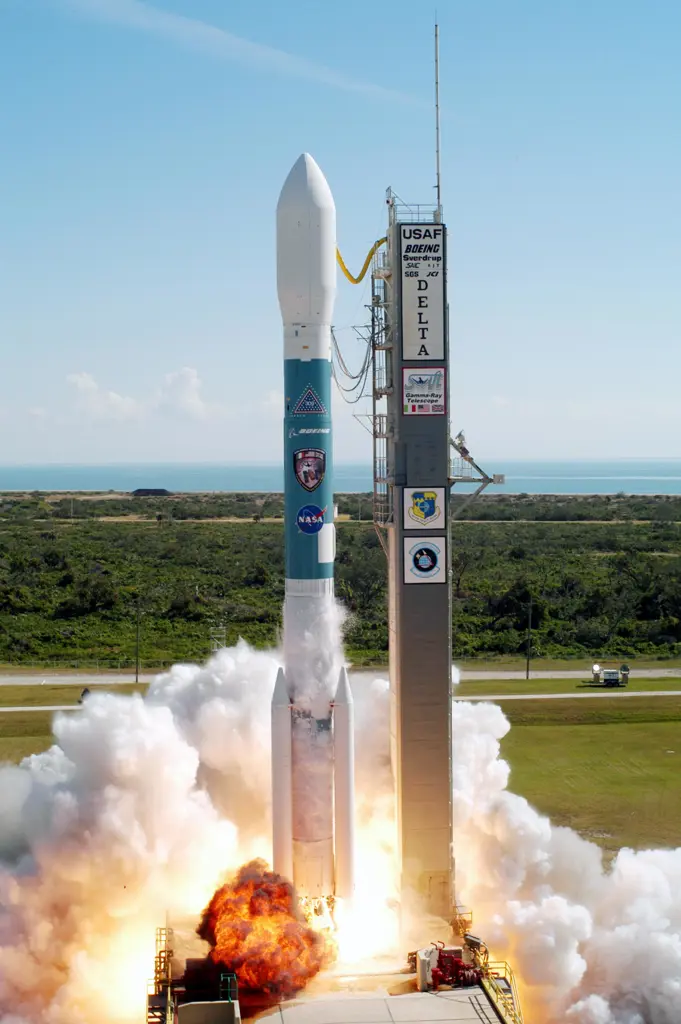
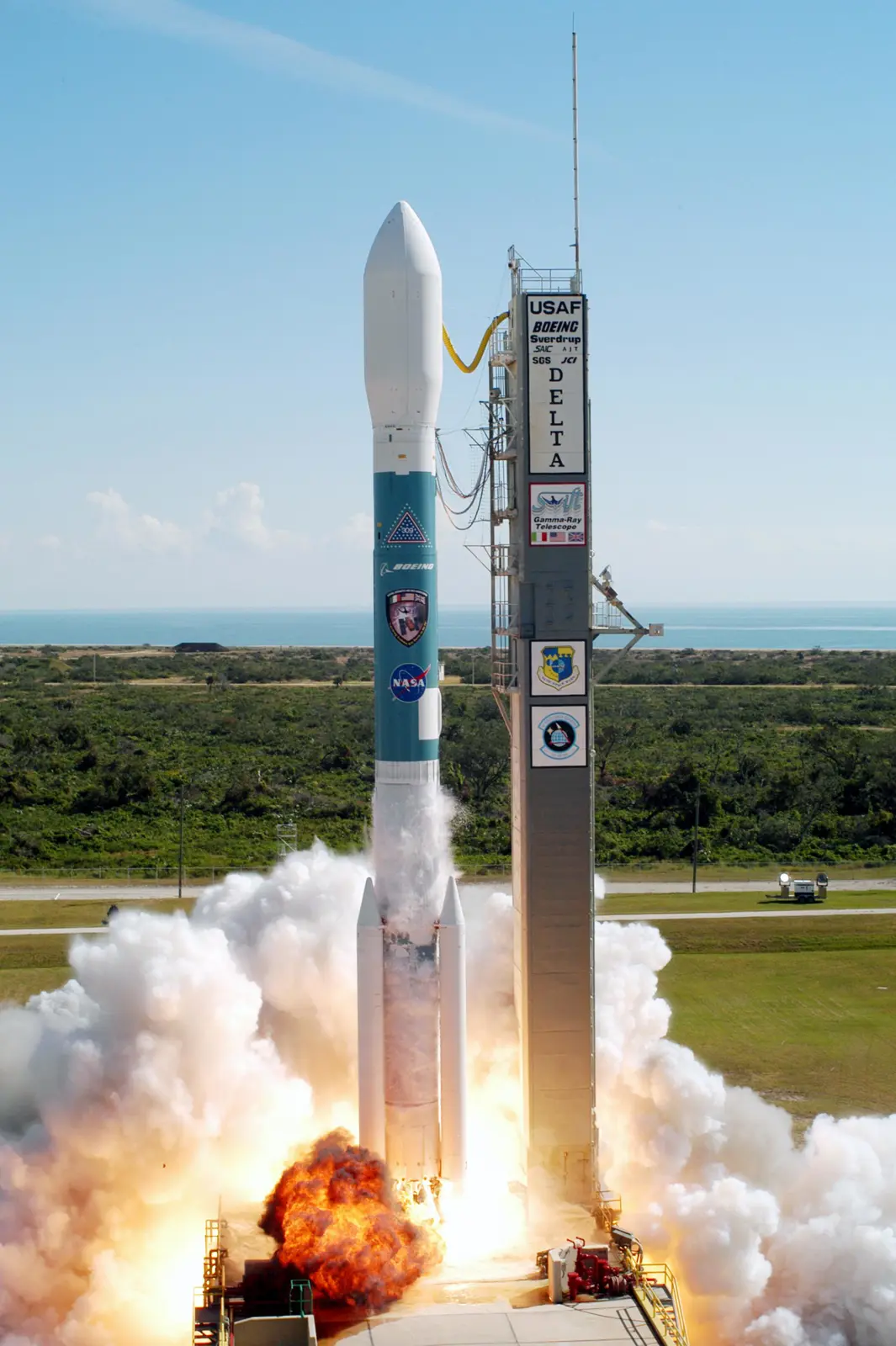
Launch delayed from February 10 and July 30. The Genesis probe flew to the Earth-Sun L1 Lagrangian point and spend two years collecting samples of the solar wind. The collected samples were to be physically returned to Earth in a sample return capsule (air-snatch recovery was planned over Utah) and analysed in ground-based laboratories. On September 8, 2004, the Genesis space probe became the first spacecraft to return from beyond lunar orbit to the Earth's surface. The Genesis Sample Return Capsule separated from the spacecraft on September 8, 66,000 km above the Earth. The capsule successfully re-entered the atmosphere over Oregon at 11 km/s, but a wiring error resulted in the drogue parachute release mortar failing to fire at 33 km altitude. The capsule crashed to earth at 90 m/s in the Dugway Proving Ground at 40 07 40 N 113 30 29 W. Although the vehicle was smashed, some of the samples could be retrieved.
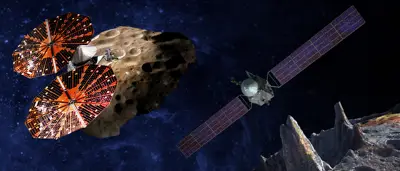
The Discovery Program is a series of Solar System exploration missions funded by the U.S. National Aeronautics and Space Administration (NASA) through its Planetary Missions Program Office. The cost of each mission is capped at a lower level than missions from NASA's New Frontiers or Flagship Programs. As a result, Discovery missions tend to be more focused on a specific scientific goal rather than serving a general purpose.
Jan 1, 1990 — ongoing
Orbital Attempt
#4,486
USAF Mission
#1,036
Pad Launch
#130
Location Launch
#595
Designator
2001-034
Aug 8, 2001, 4:13 PM
1 update
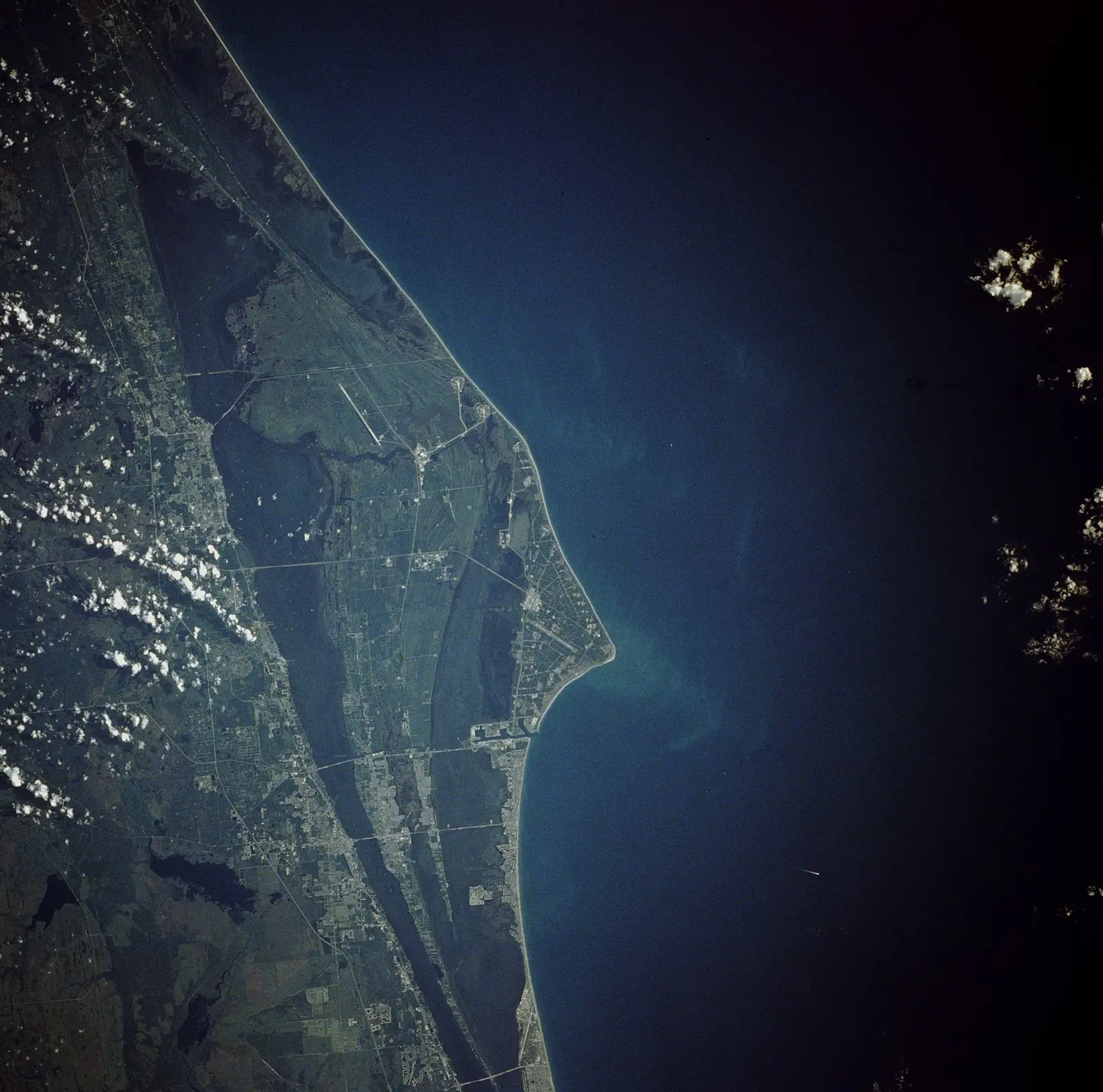
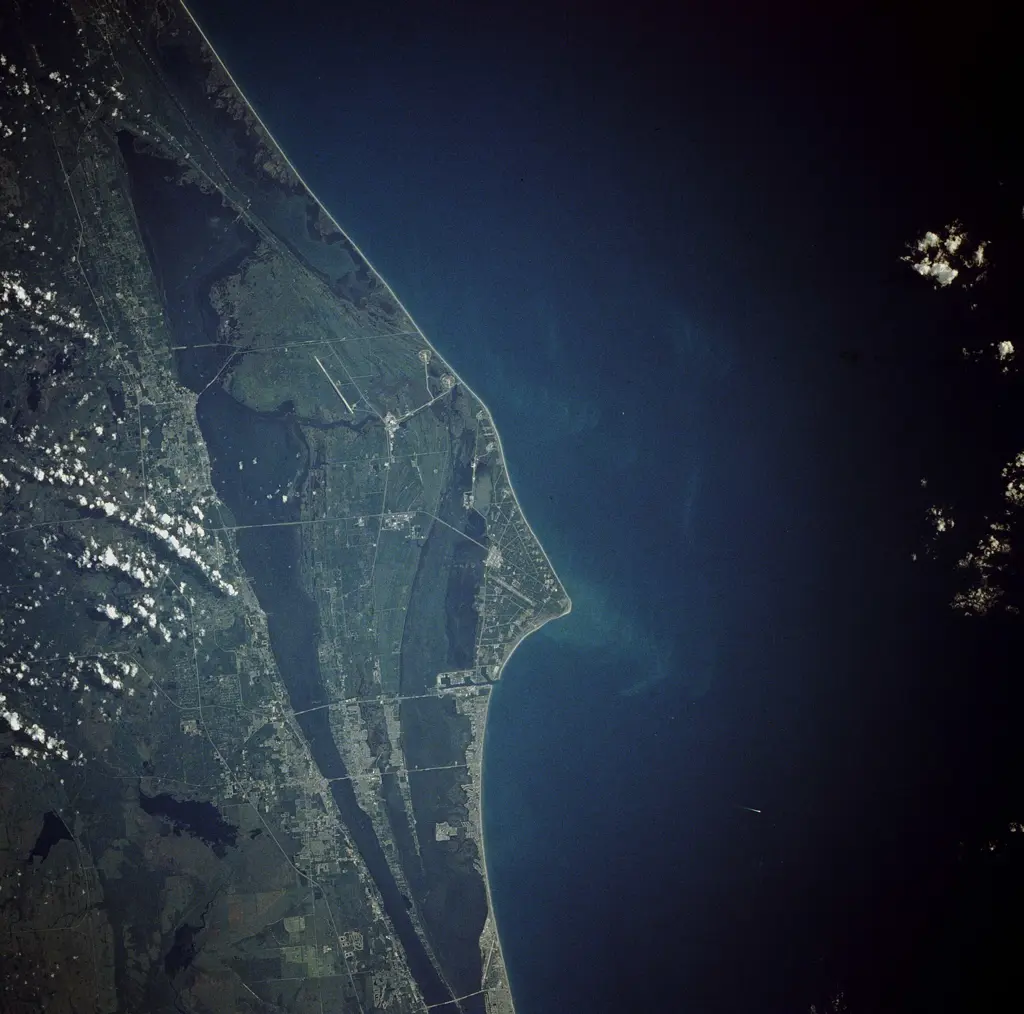
Cape Canaveral Space Force Station (CCSFS) is an installation of the United States Space Force's Space Launch Delta 45, located on Cape Canaveral in Brevard County, Florida.
Timezone
America/New_York
Local Launch Time
Aug 8, 2001, 12:13 PM
Total Launches
1,122
Total Landings
75
Coordinates
28.4889, -80.5778