Planetary Science
2001 Mars Odyssey is a robotic spacecraft orbiting the planet Mars. The project was developed by NASA, and contracted out to Lockheed Martin, with an expected cost for the entire mission of US$297 million. Its mission is to use spectrometers and a thermal imager to detect evidence of past or present water and ice, as well as study the planet's geology and radiation environment.
Orbital Attempt
#4,466
USAF Mission
#1,032
Pad Launch
#129
Location Launch
#589
Designator
2001-013
Apr 7, 2001, 3:02 PM
1 update
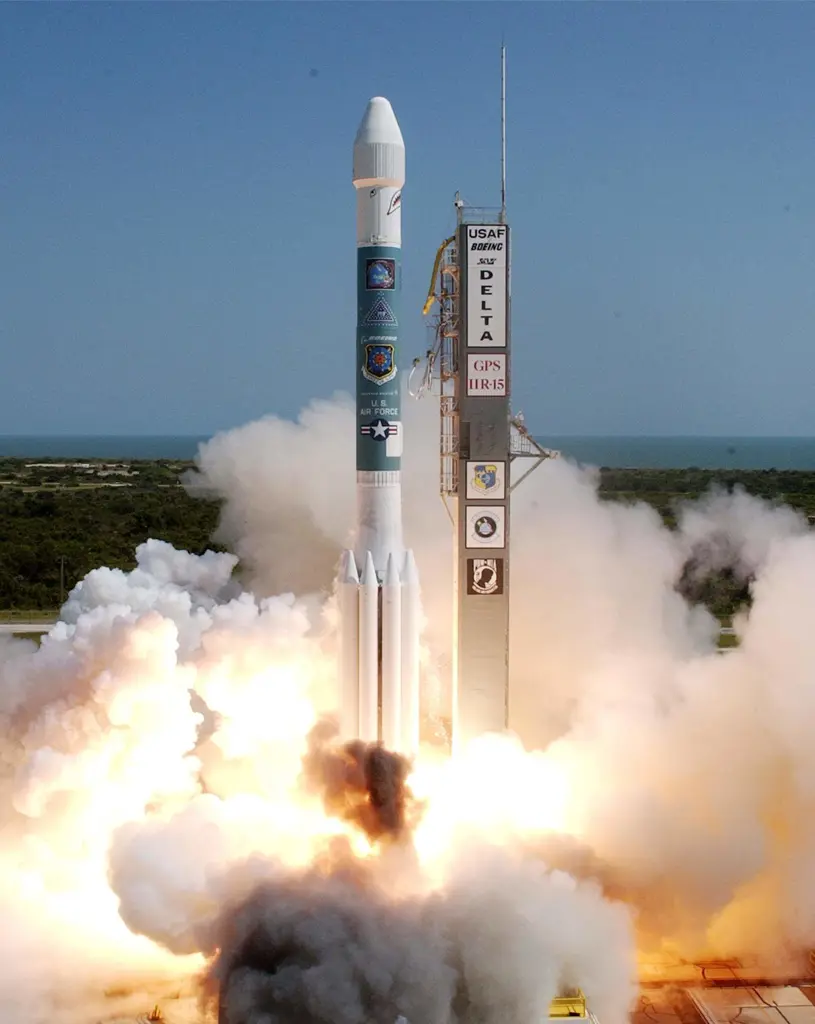
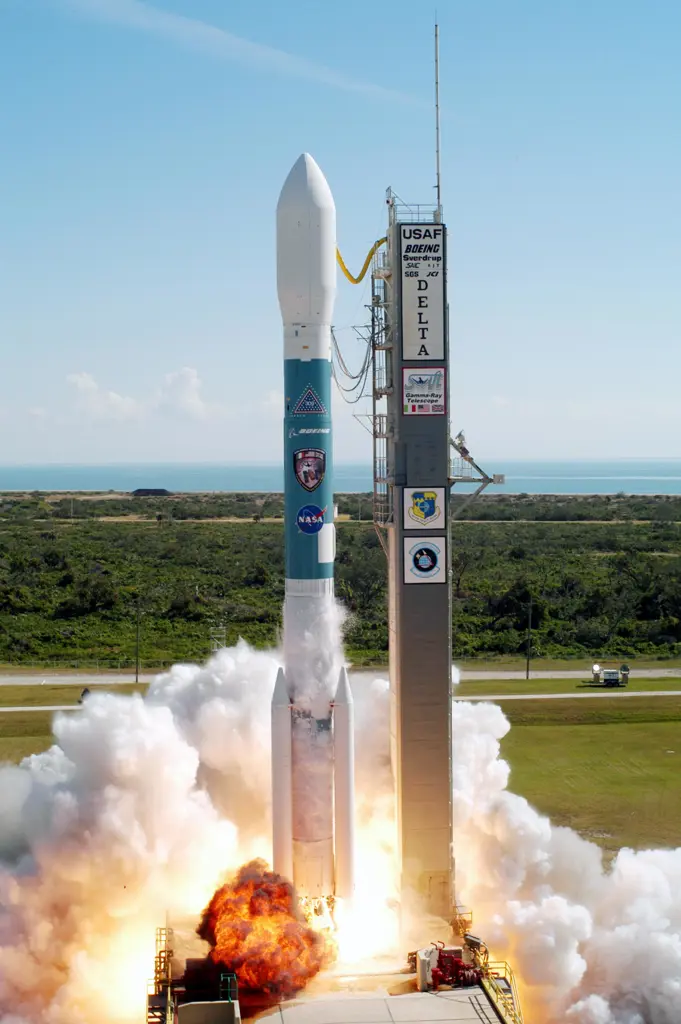
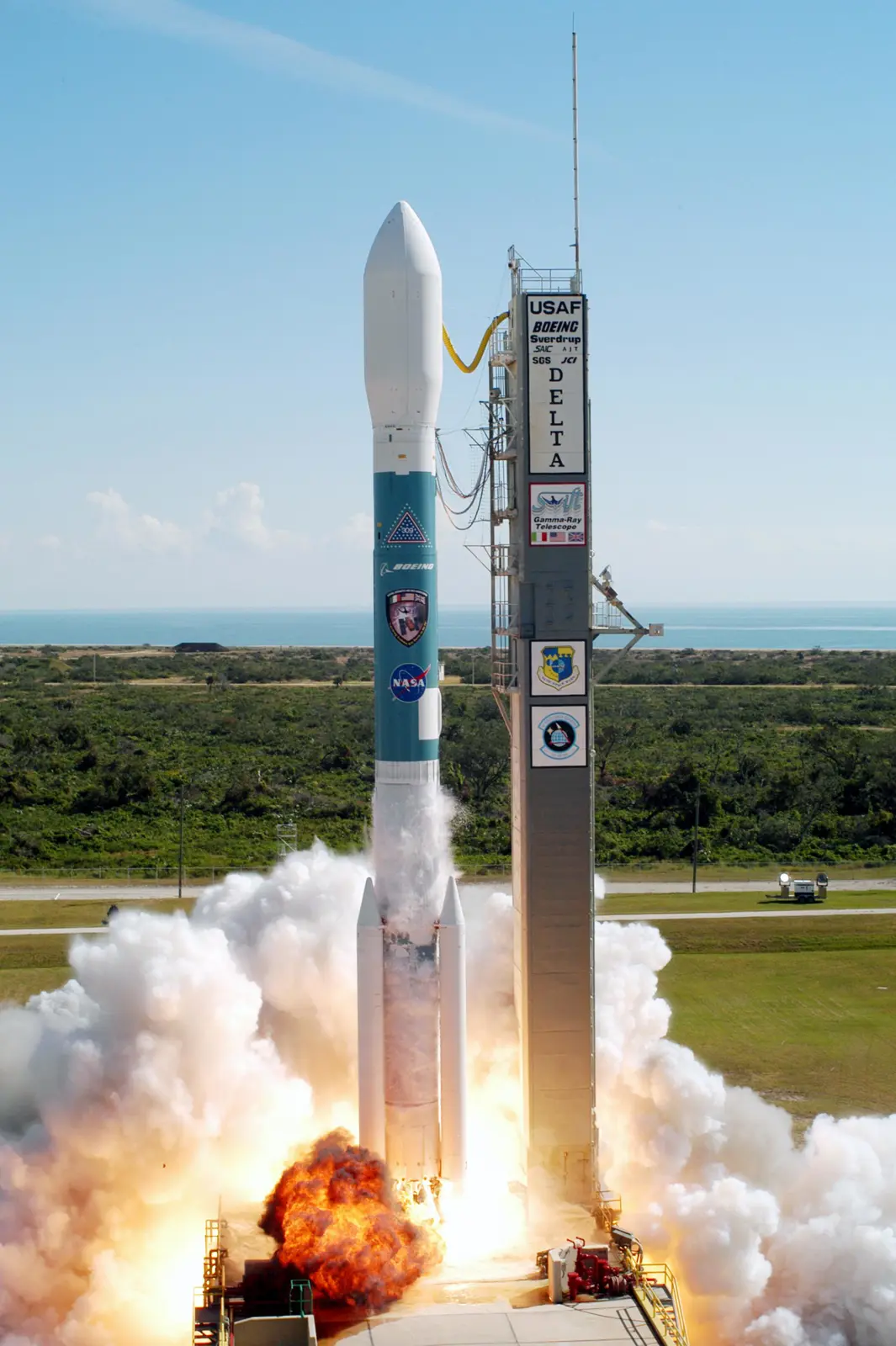
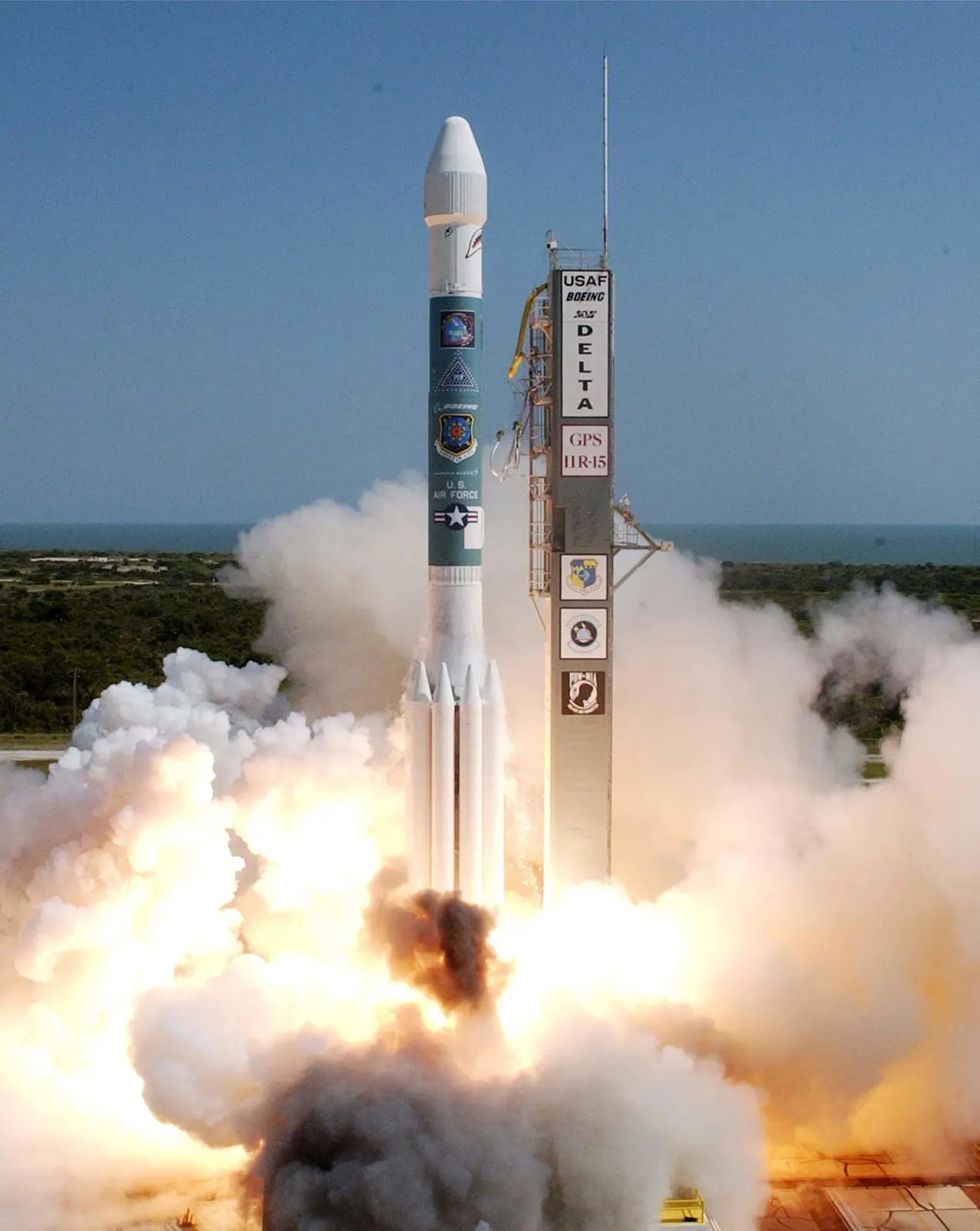
Delta II is an American space launch system developed by McDonnell Douglas, now part of the Delta rocket family operated by United Launch Alliance. With more than 150 missions and a nearly perfect track record, Delta II has established itself as one of the most successful orbital launch systems.
Length
38.7 m
Diameter
2.4 m
Launch Mass
286 t
Thrust
1,895 kN
LEO Capacity
3,099 kg
GTO Capacity
2,190 kg
SSO Capacity
3,017 kg
Launch Cost
$51M
Reusable
No
Maiden Flight
2007
Fastest Turnaround
1mo 18d
Total Launches
6
Successful
6
Failed
0
Consecutive Success
6
Maiden flight: Jun 8, 2007
The United States Air Force (USAF) is the air service branch of the United States Armed Forces, and is one of the eight uniformed services of the United States. Originally created on 1 August 1907, as a part of the United States Army Signal Corps, the USAF was established as a separate branch of the United States Armed Forces in 1947 with the enactment of the National Security Act of 1947.
Founded
1947
Administrator
Commander-in-Chief: President of the US
Total Launches
1,078
Successful
972
Failed
106
Pending
0
Consecutive Success
68
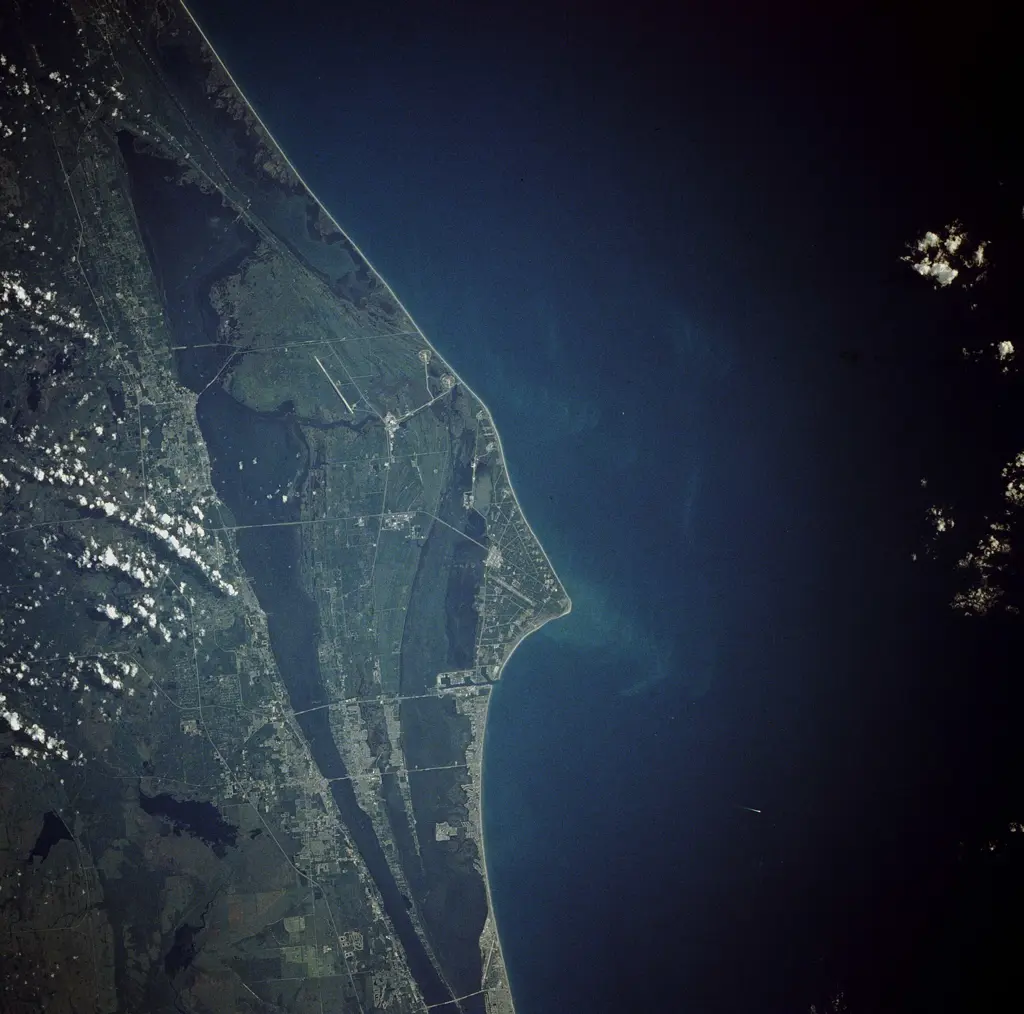
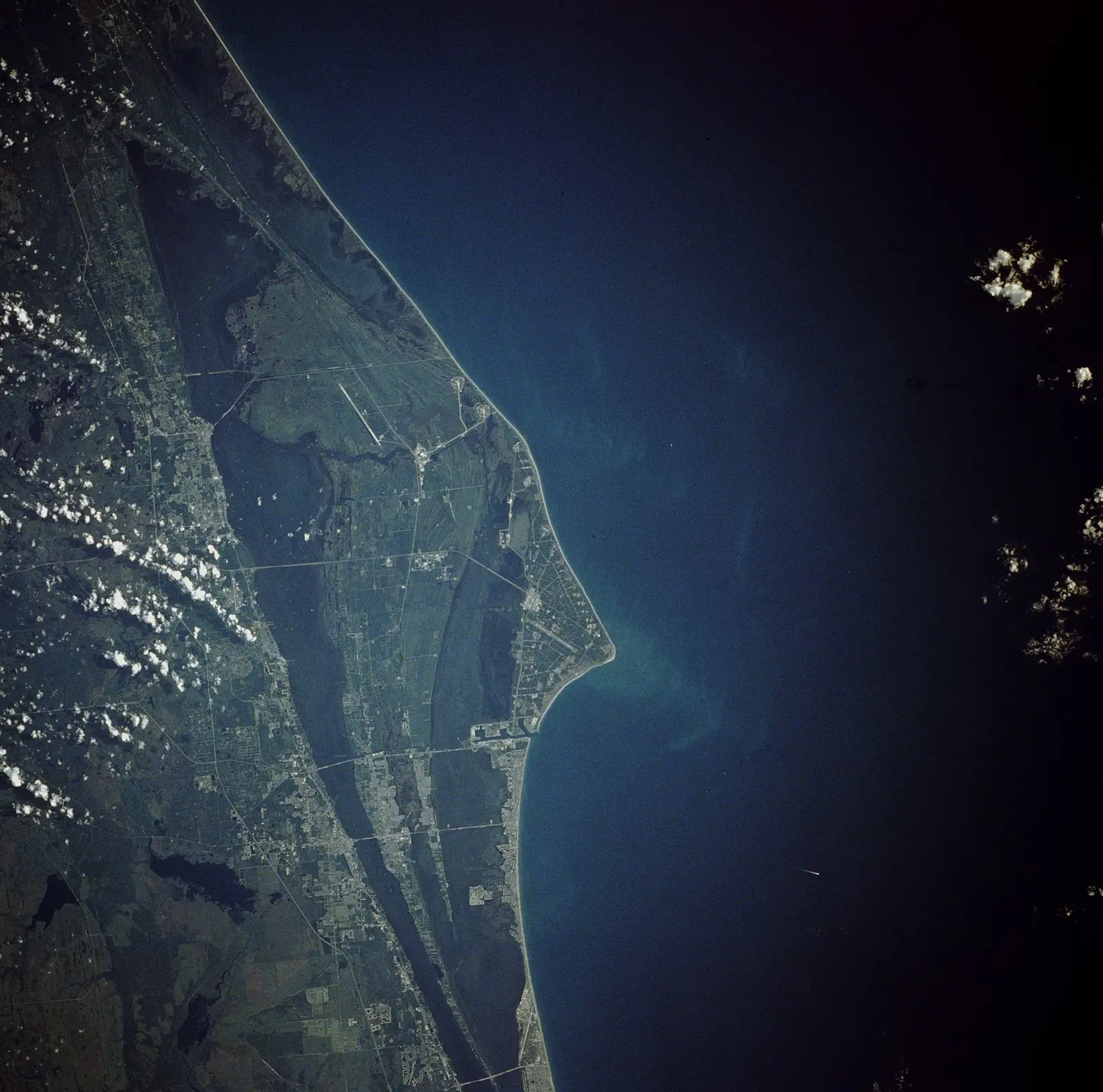
Cape Canaveral Space Force Station (CCSFS) is an installation of the United States Space Force's Space Launch Delta 45, located on Cape Canaveral in Brevard County, Florida.
Timezone
America/New_York
Local Launch Time
Apr 7, 2001, 11:02 AM
Total Launches
1,109
Total Landings
75
Coordinates
28.4889, -80.5778