Artemis Program
Returning humans to the Moon — to stay
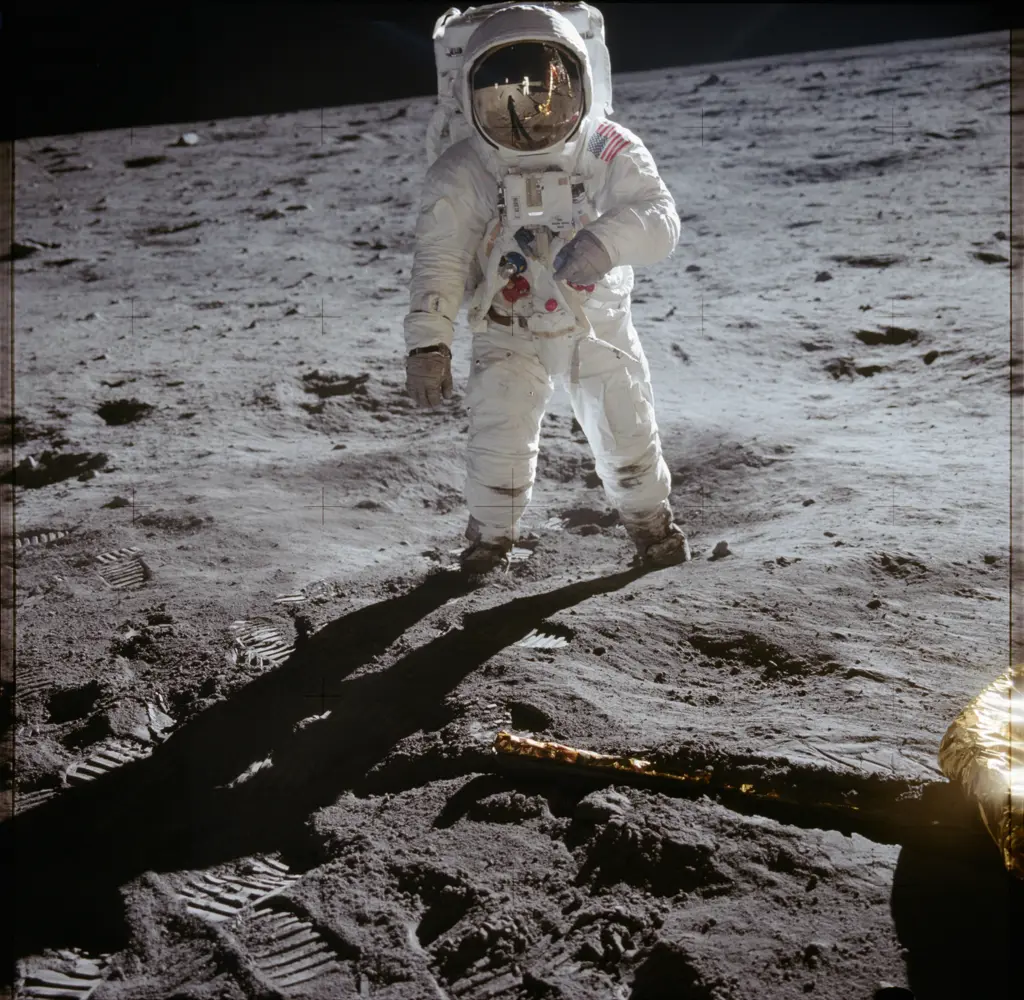
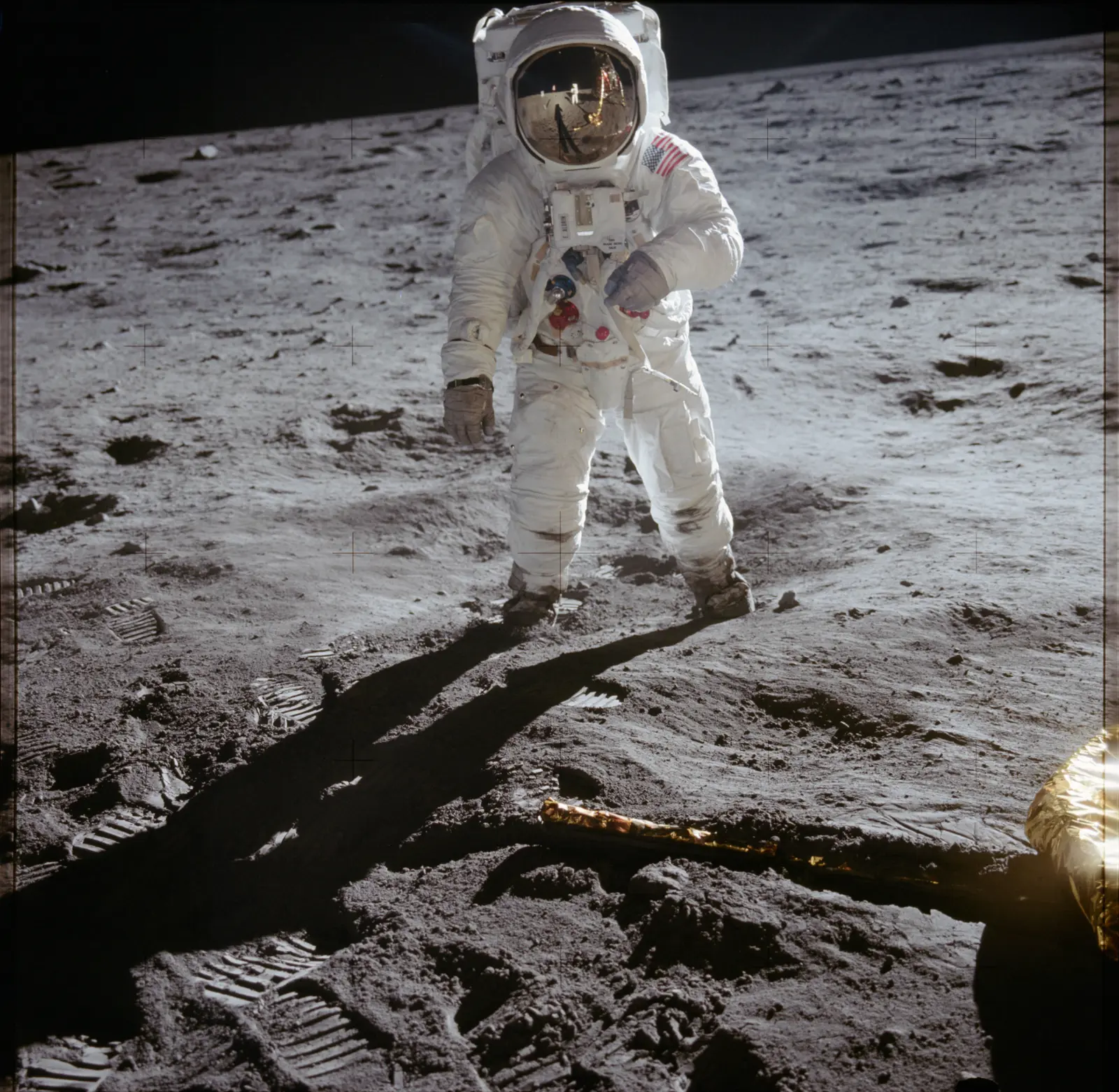
Artemis is NASA's program to return astronauts to the Moon for the first time since Apollo — and, this time, to stay. Rather than brief visits, it aims to build a sustainable presence near the resource-rich lunar south pole and to use the Moon as a proving ground for eventual crewed missions to Mars.
The system pairs NASA's Space Launch System rocket with the Orion crew spacecraft, whose European Service Module is built by ESA. Astronauts will reach the surface aboard commercial Human Landing Systems — SpaceX's Starship and Blue Origin's Blue Moon — wearing new Axiom spacesuits, with Canada, Europe and Japan as core international partners.
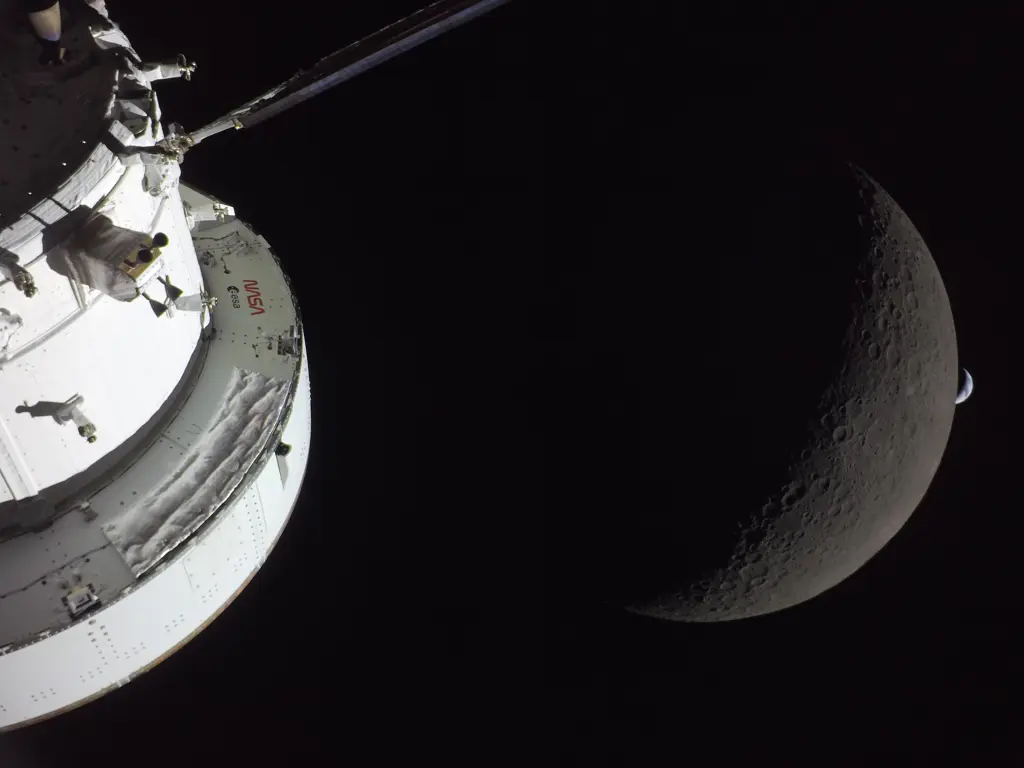
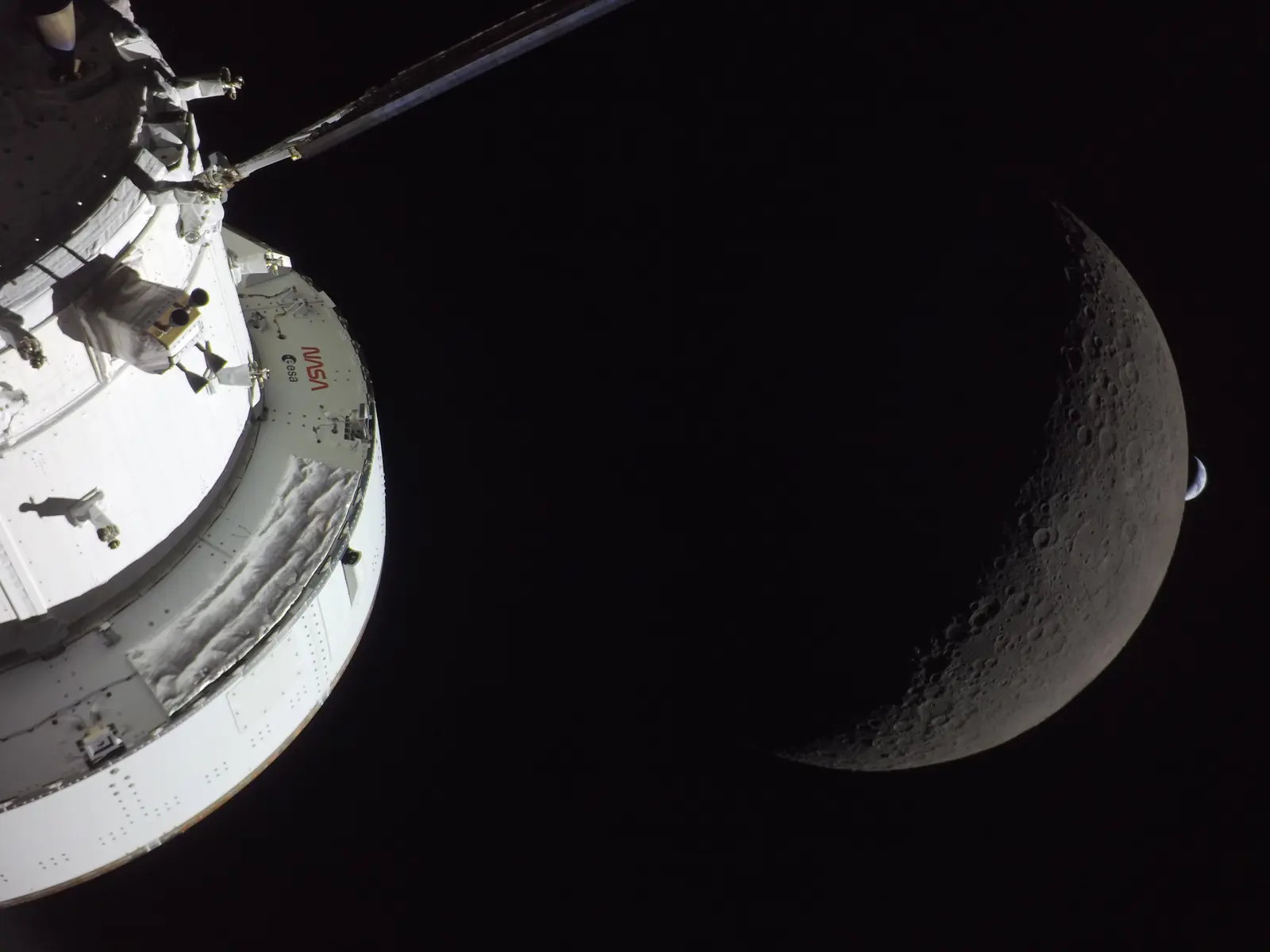
Artemis I flew uncrewed around the Moon in 2022 to prove the system, and in April 2026 Artemis II carried its four-person crew around the Moon — the first people to travel there since Apollo 17, and the first woman, person of colour and non-American to do so. Later missions aim to land crews at the south pole and begin building a lunar base.
The Artemis missions
Artemis I
Nov 2022Uncrewed first flight of SLS and Orion, sending the capsule around the Moon to prove the system before crews fly.
Artemis II
Apr 2026First crewed flight — a free-return loop around the Moon to test Orion with astronauts aboard.
Artemis III
Planned ~2027A crewed test of the commercial Human Landing System, a step toward the first south-pole landing.
Artemis IV
Planned ~2028Targeted as the first Artemis crewed landing, near the lunar south pole.
Artemis V
Planned ~2028Second crewed landing and the start of surface infrastructure, using Blue Origin's Blue Moon lander.
Artemis VI
Planned ~2030Continued crewed landing, expanding the south-pole outpost.
Artemis VII
Planned ~2031Continued crewed landing and base build-out toward a sustained lunar presence.
Artemis launches
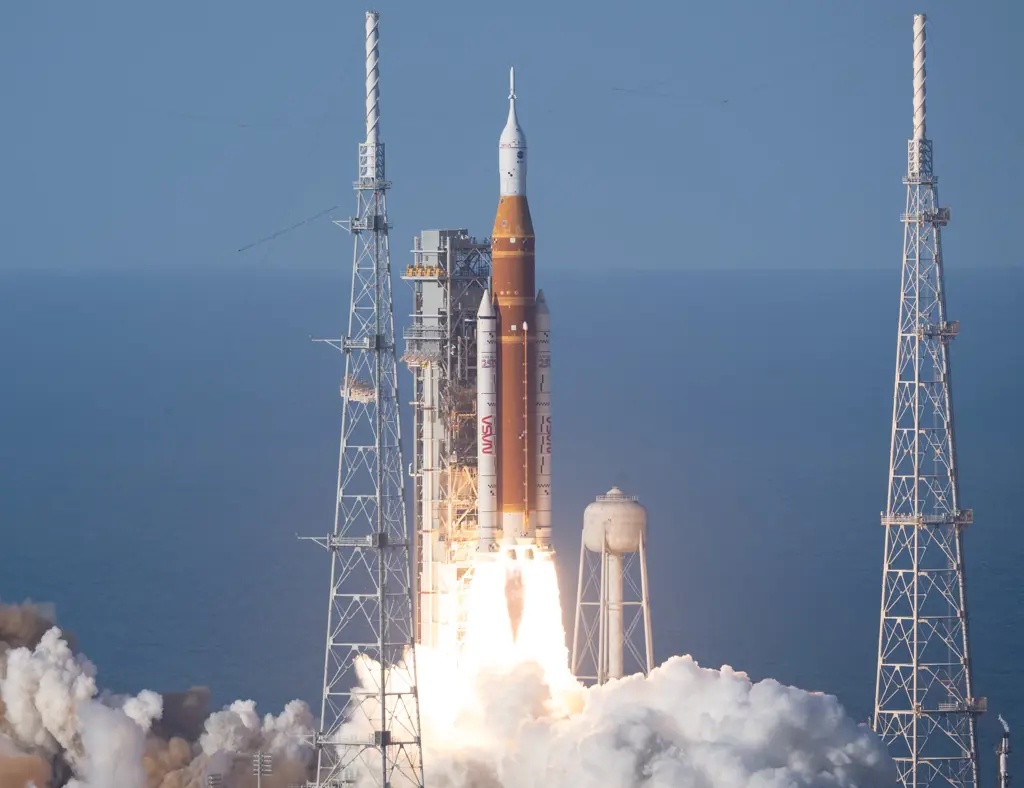
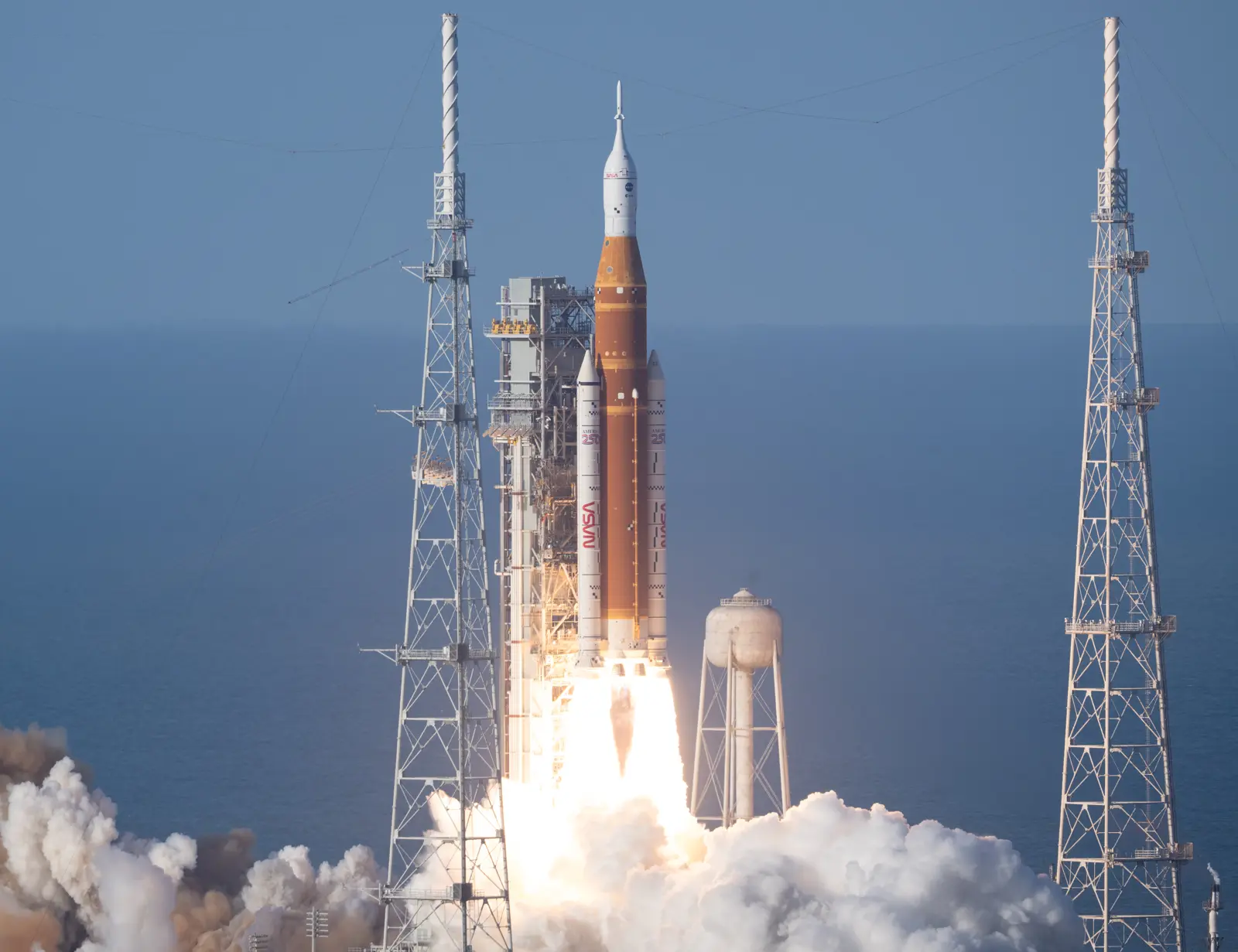
Artemis I
Nov 16, 2022, 6:47 AM
NASA
Space Launch System Block 1B
Kennedy Space Center, FL, USA
Artemis II
Apr 1, 2026, 10:35 PM
NASA
Space Launch System Block 1B
Kennedy Space Center, FL, USA
Artemis III
Jun 30, 2027, 12:00 AM
NASA
Space Launch System Block 1B
Kennedy Space Center, FL, USA
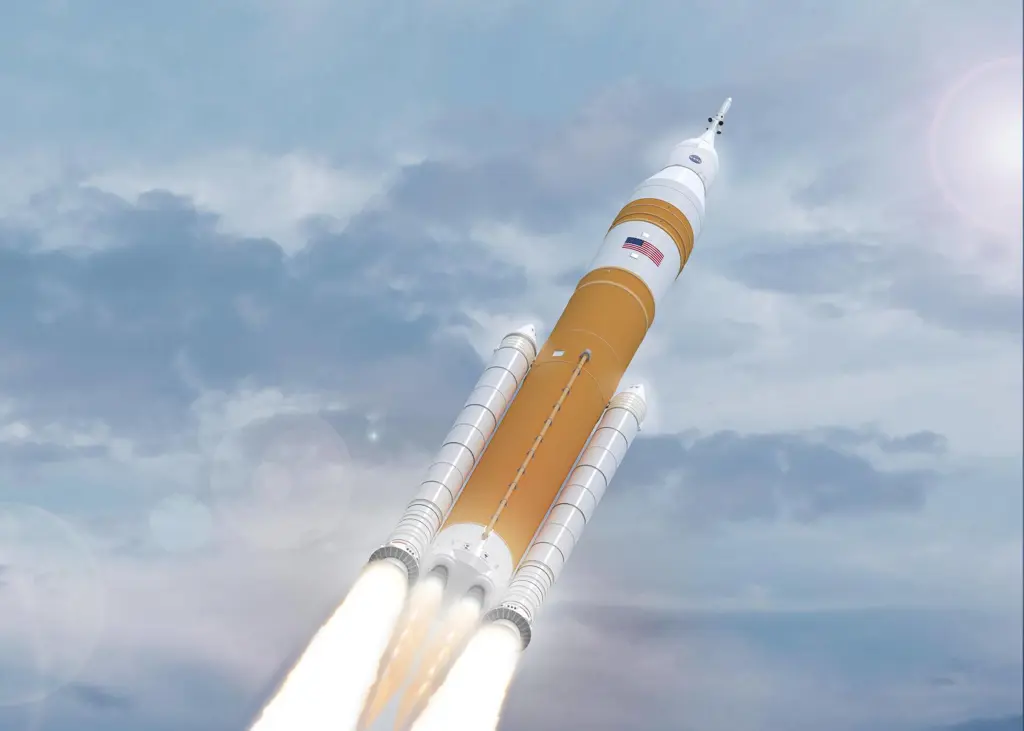
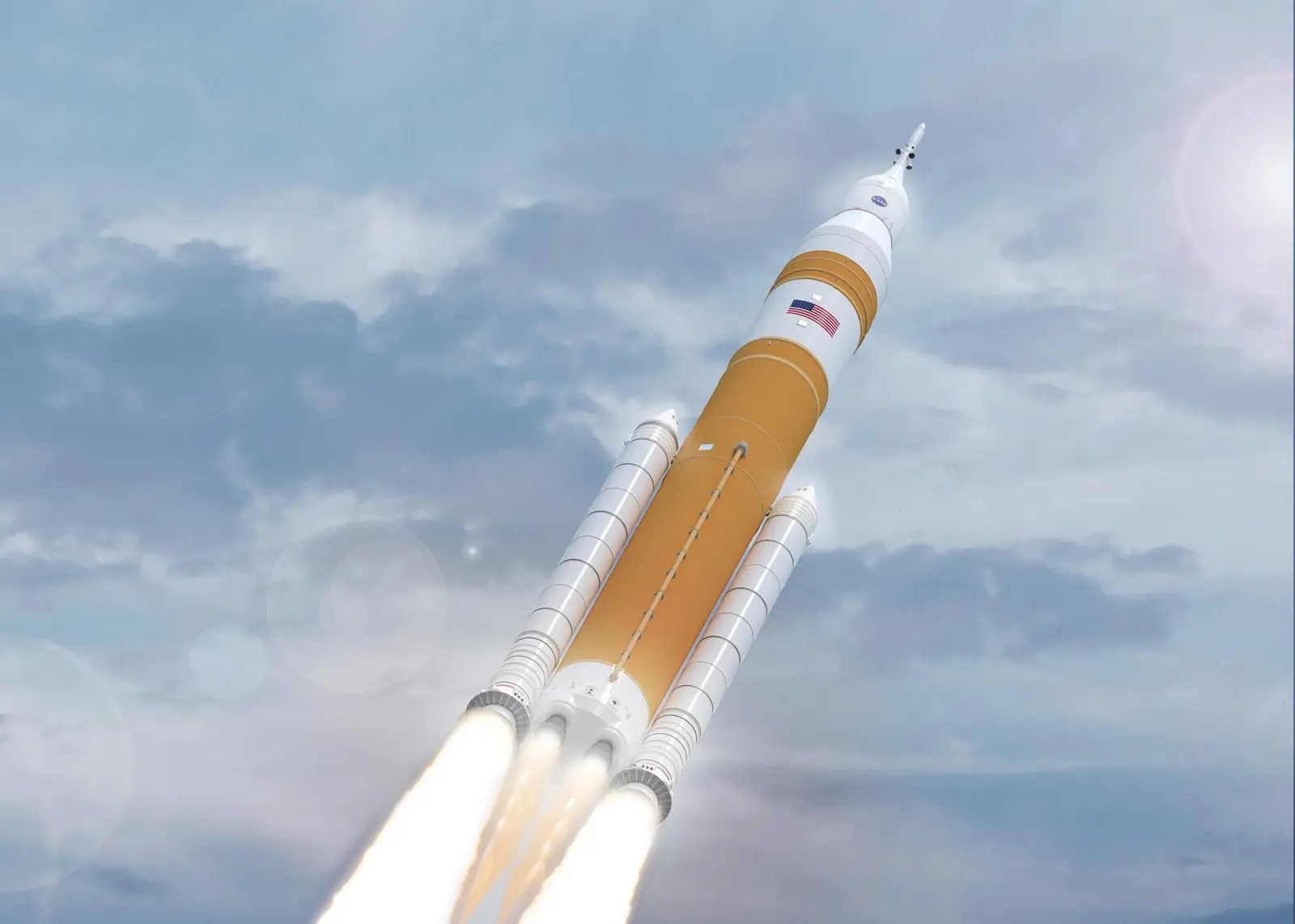
Artemis IV
Jun 30, 2028, 12:00 AM
NASA
Space Launch System Block 1B
Kennedy Space Center, FL, USA
Artemis V
Dec 31, 2028, 12:00 AM
NASA
Space Launch System Block 1B
Kennedy Space Center, FL, USA
SLS Block 1B | Artemis VI
Sep 30, 2030, 12:00 AM
NASA
Space Launch System Block 1B
Kennedy Space Center, FL, USA
SLS Block 1B | Artemis VII
Sep 30, 2031, 12:00 AM
NASA
Space Launch System Block 1B
Kennedy Space Center, FL, USA
Artemis II crew
Artemis II
First to command a lunar mission since Apollo.
First person of colour to fly to the Moon.
First woman to fly to the Moon.
First Canadian — and first non-American — to fly to the Moon.
Where Artemis will land
Lunar south pole region
First landingNASA has narrowed the first Artemis landing to candidate regions near the south pole, chosen for near-continuous sunlight and access to ice-rich, permanently shadowed craters.
Peak near Shackleton
Candidate regionHigh ground beside Shackleton crater with near-constant sunlight and a short traverse to permanently shadowed ice.
Malapert Massif
Candidate regionA tall, sunlit massif with a clear line of sight to Earth for communications — one of the 13 candidate regions.
Nobile Rim
Candidate regionRim terrain near Nobile crater offering both illumination and nearby shadowed deposits to sample.
Artemis timeline
- 16 Nov 2022Artemis I launches
The uncrewed first flight of SLS and Orion travels around the Moon and back over 25 days, testing the system before crews fly.
- Apr 2023Artemis II crew named
NASA and the Canadian Space Agency announce Reid Wiseman, Victor Glover, Christina Koch and Jeremy Hansen for the first crewed flight.
- 1 Apr 2026Artemis II launches
The first crew to fly to the Moon since Apollo 17 loops around the far side and returns, setting a new human distance record.
- 11 Apr 2026Artemis II splashdown
Orion 'Integrity' returns safely to the Pacific after a roughly ten-day flight.
- 2027–2028Toward the first landing
Following crewed tests of the commercial Human Landing System, Artemis aims to return astronauts to the surface near the south pole.
- Late 2020s →Building a lunar base
Repeated landings and surface infrastructure are planned to establish a sustained presence and prepare for Mars.