Robotic Exploration
Primary payload
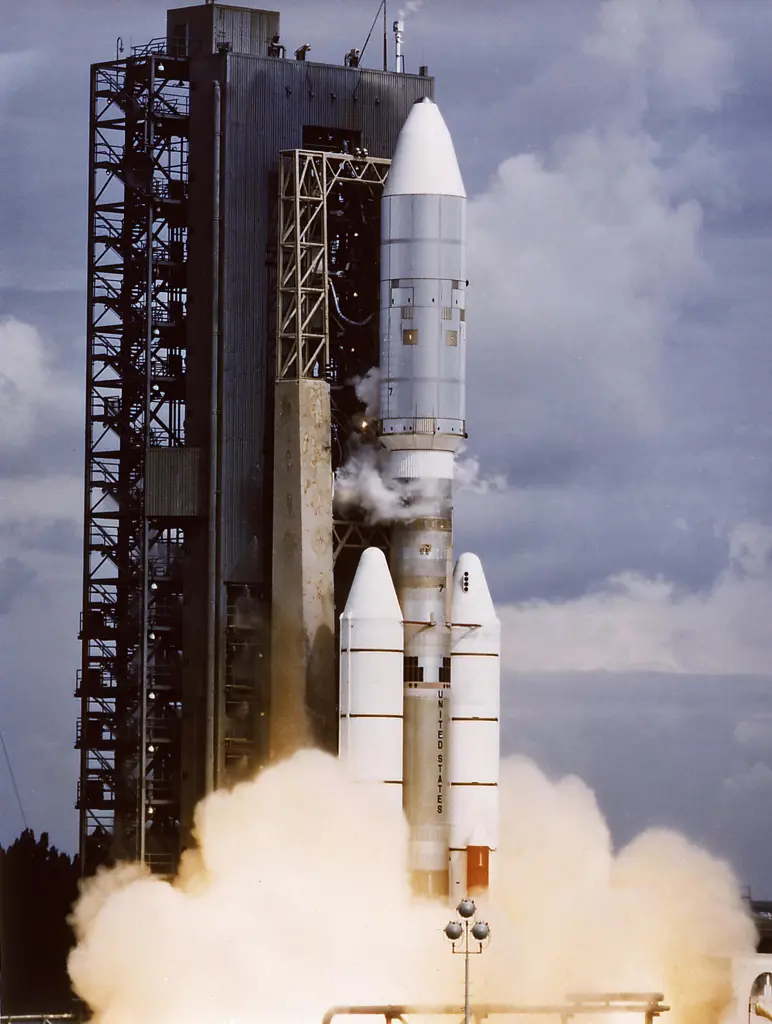
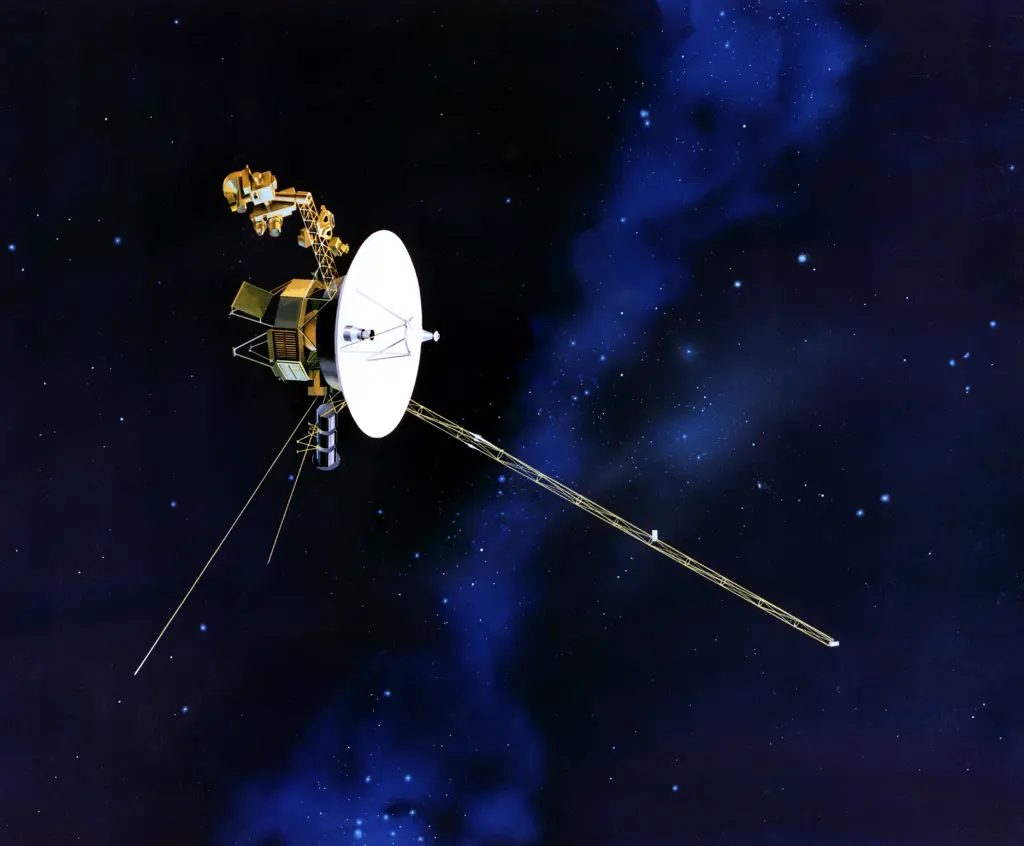
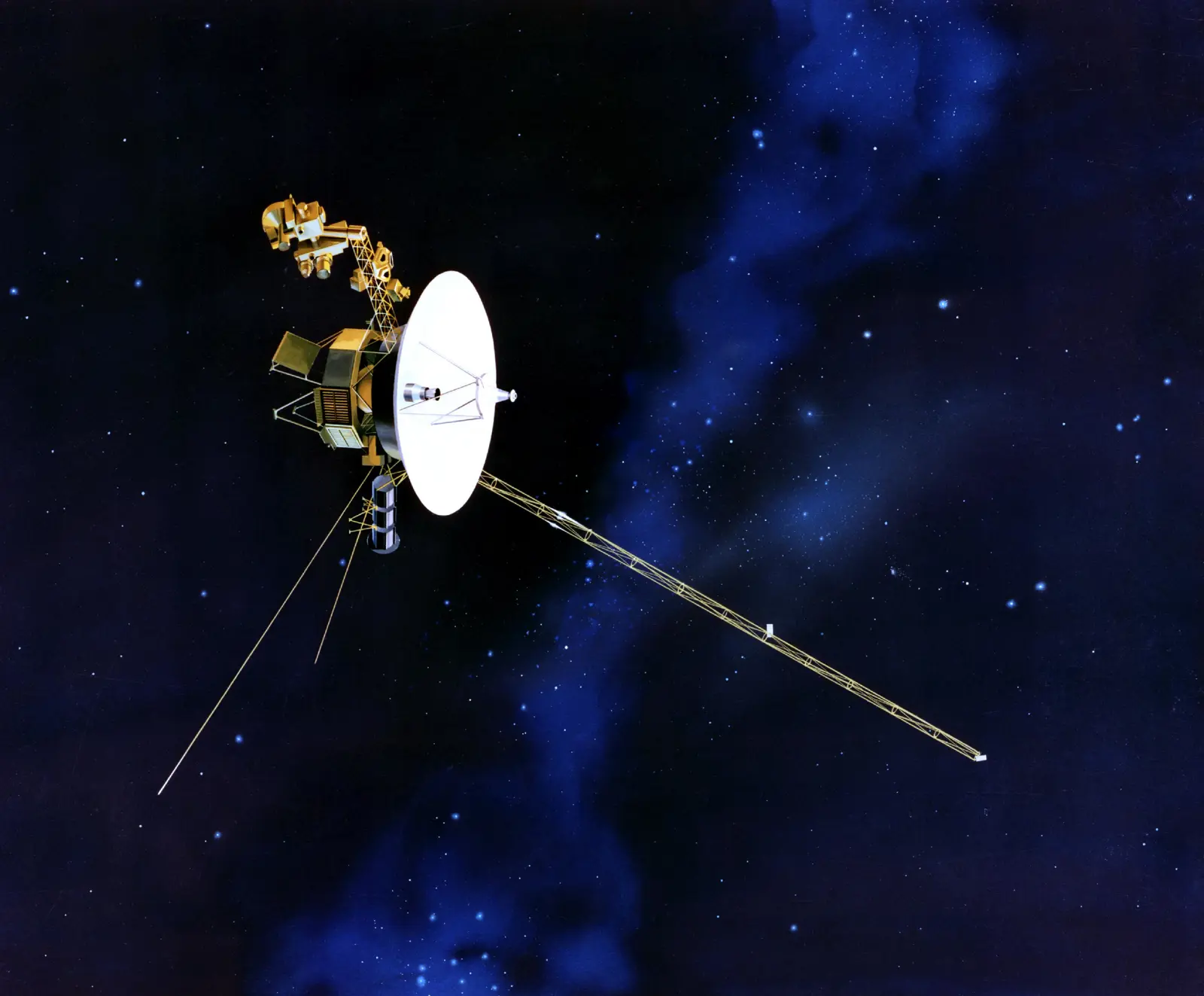
Voyager 1
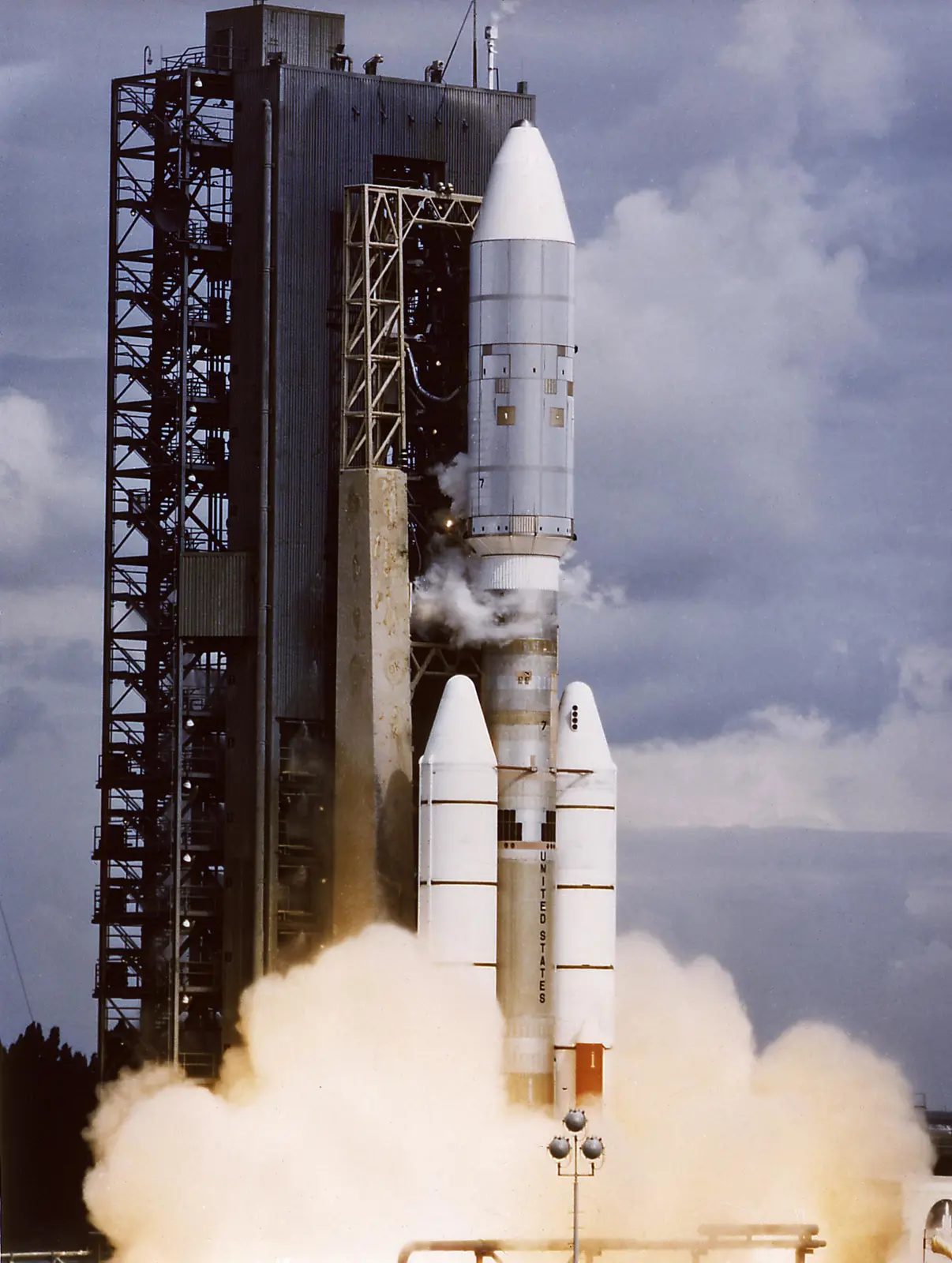
Voyager 1 is a space probe launched by NASA on September 5, 1977. Part of the Voyager program to study the outer Solar System, Voyager 1 launched 16 days after its twin, Voyager 2.
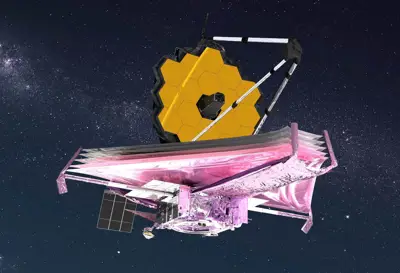
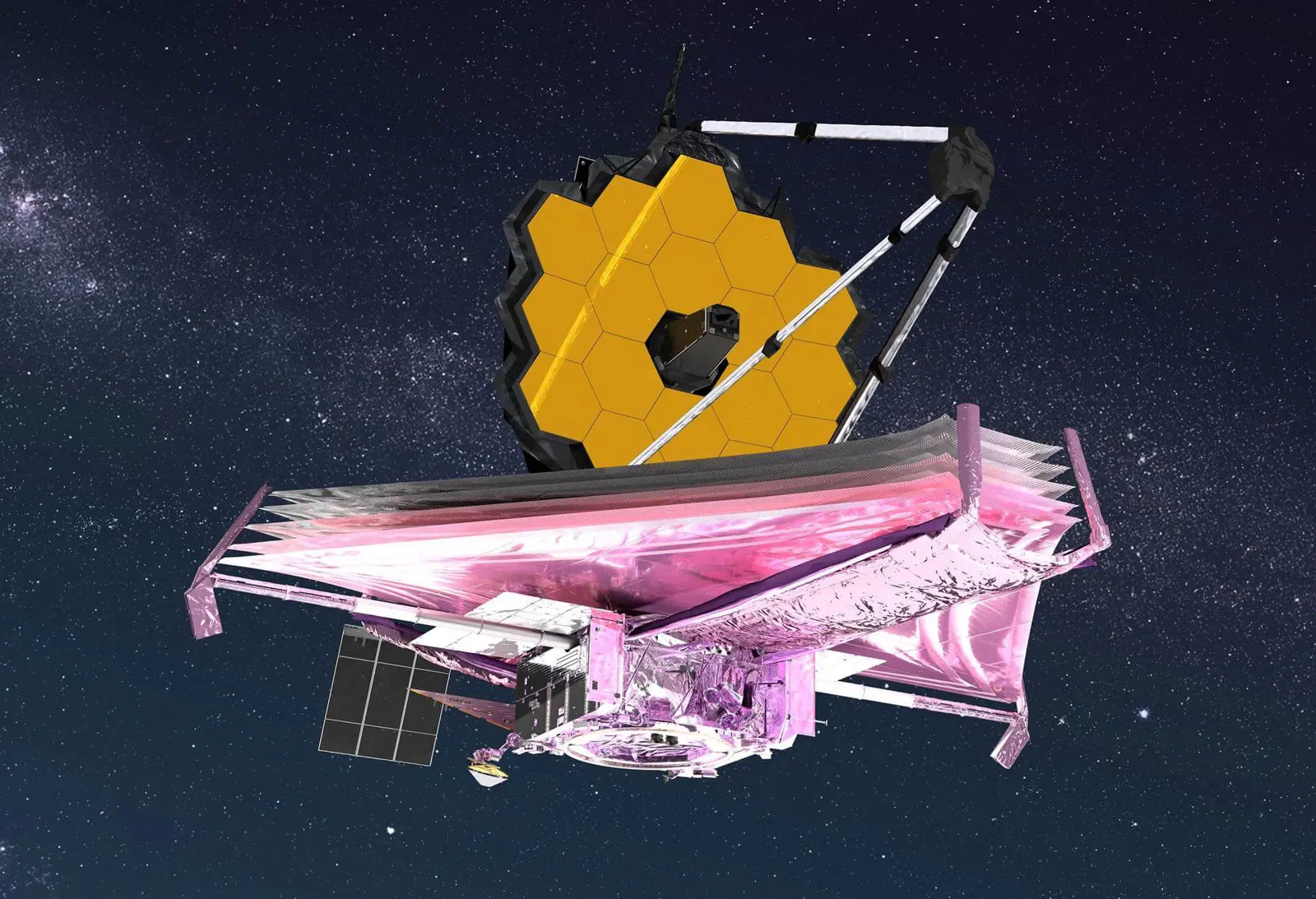
NASA's large strategic science missions or large strategic missions, formerly known as Flagship missions or Flagship-class missions, are the costliest and most capable NASA science spacecraft. Flagship missions exist within all four divisions of NASA's Science Mission Directorate (SMD): the astrophysics, Earth science, heliophysics and planetary science divisions.
Aug 22, 1975 — ongoing
Orbital Attempt
#2,002
LMT Mission
#7
Pad Launch
#17
Location Launch
#330
Designator
1977-084
Sep 5, 1977, 12:56 PM
Second
1 update
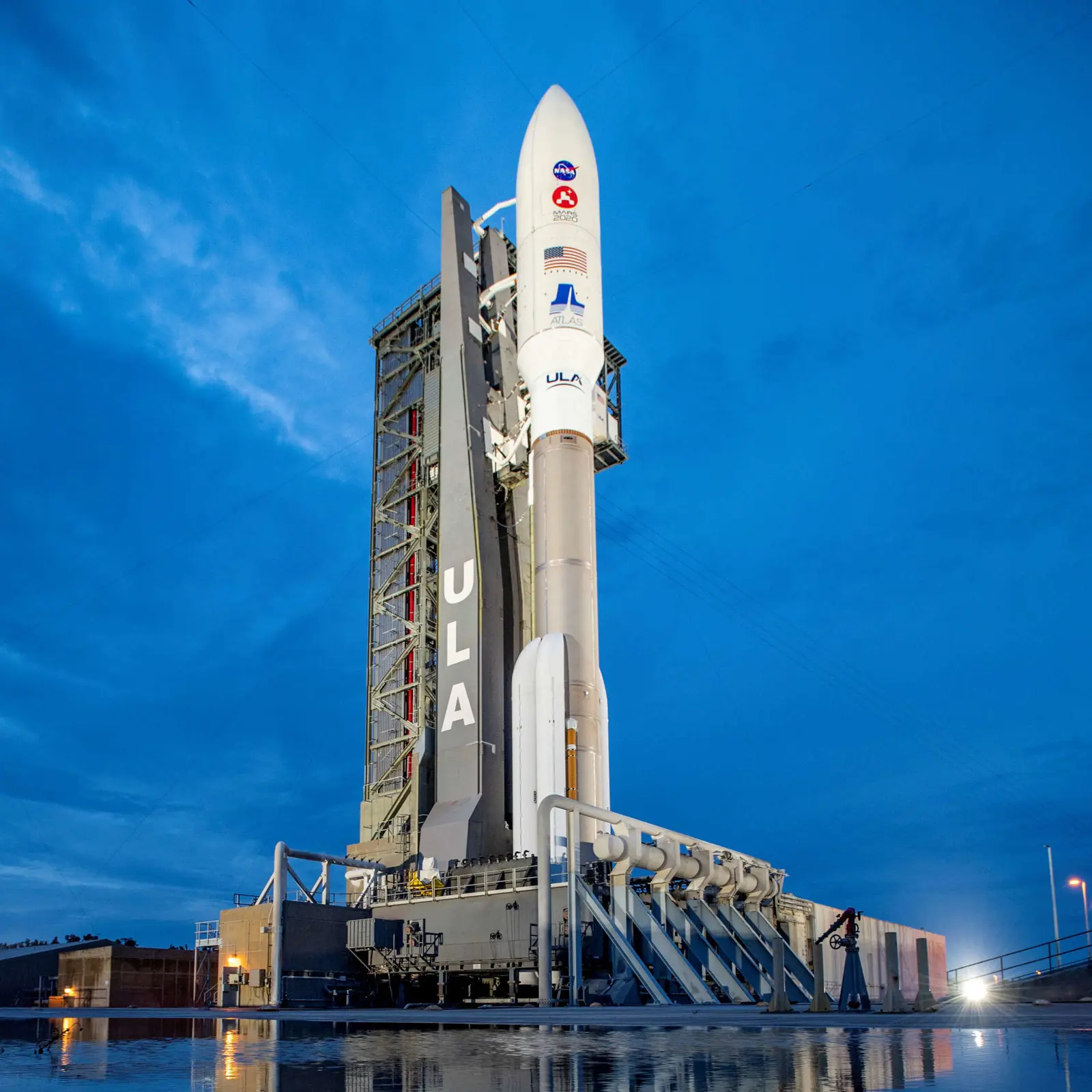
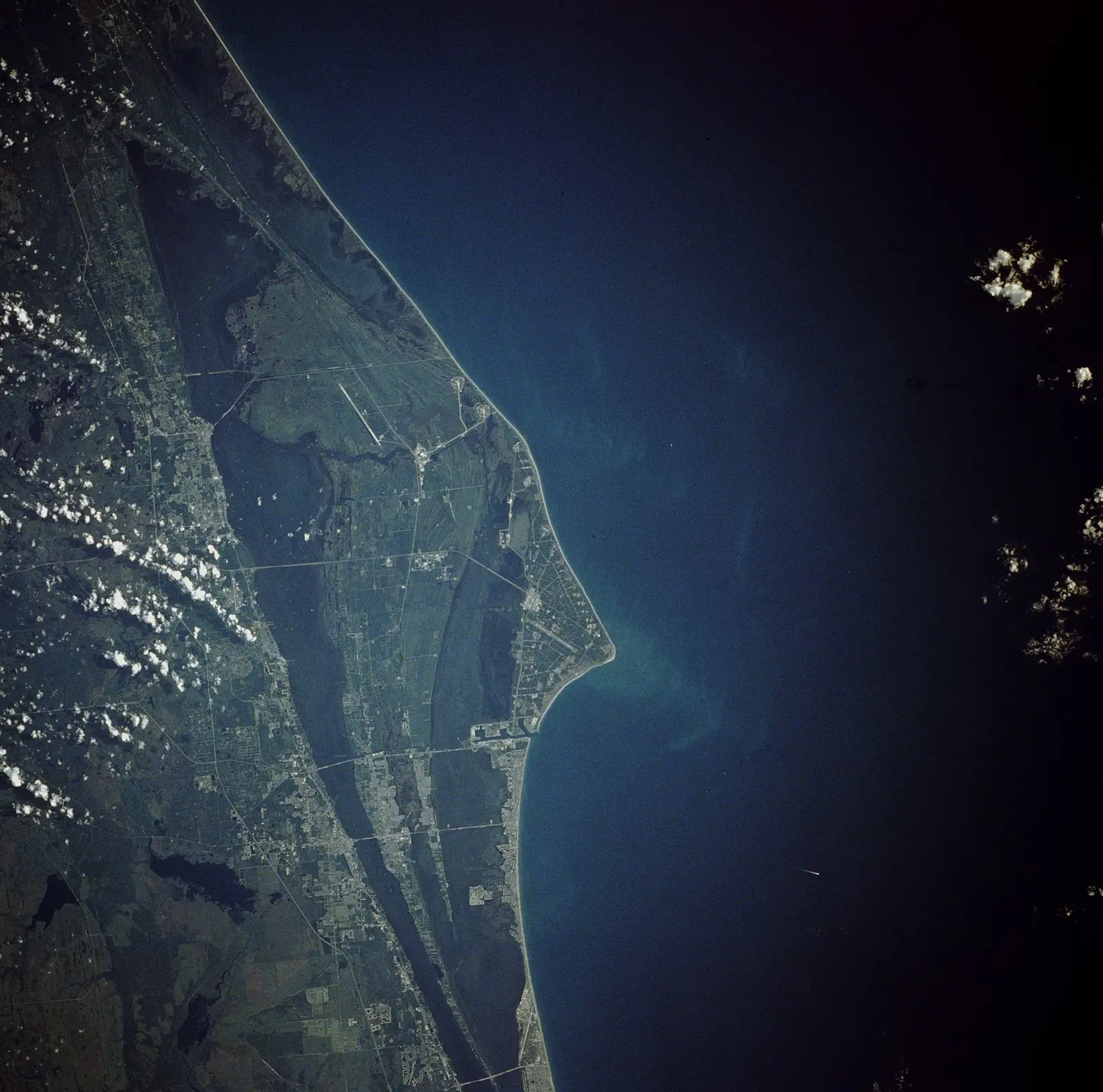
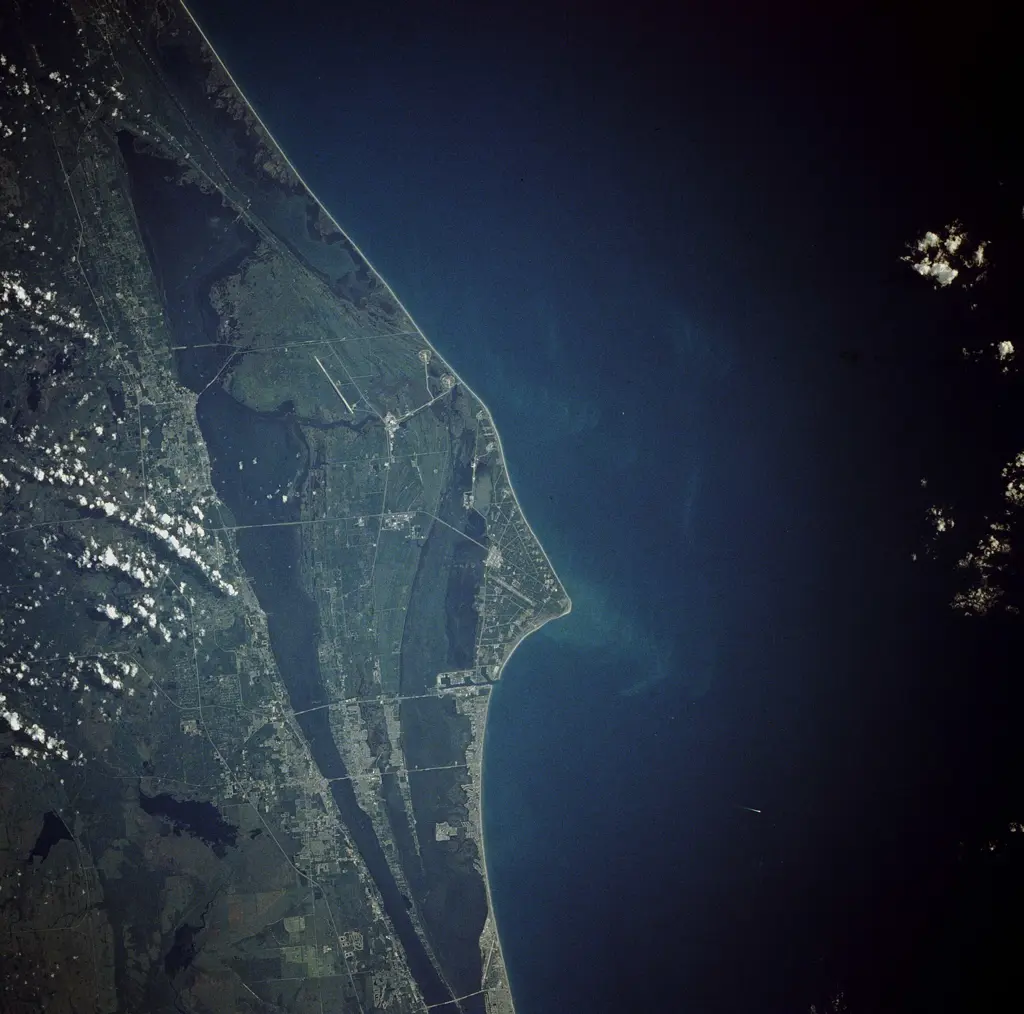
Cape Canaveral Space Force Station (CCSFS) is an installation of the United States Space Force's Space Launch Delta 45, located on Cape Canaveral in Brevard County, Florida.
Timezone
America/New_York
Local Launch Time
Sep 5, 1977, 8:56 AM
Total Launches
1,129
Total Landings
79
Coordinates
28.4889, -80.5778