Robotic Exploration
Primary payload
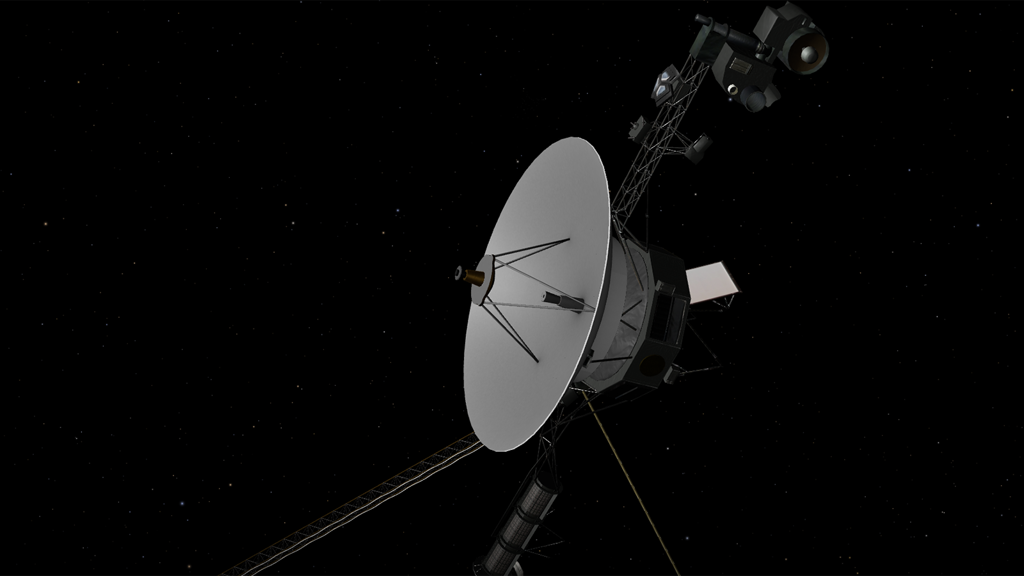
Voyager 2
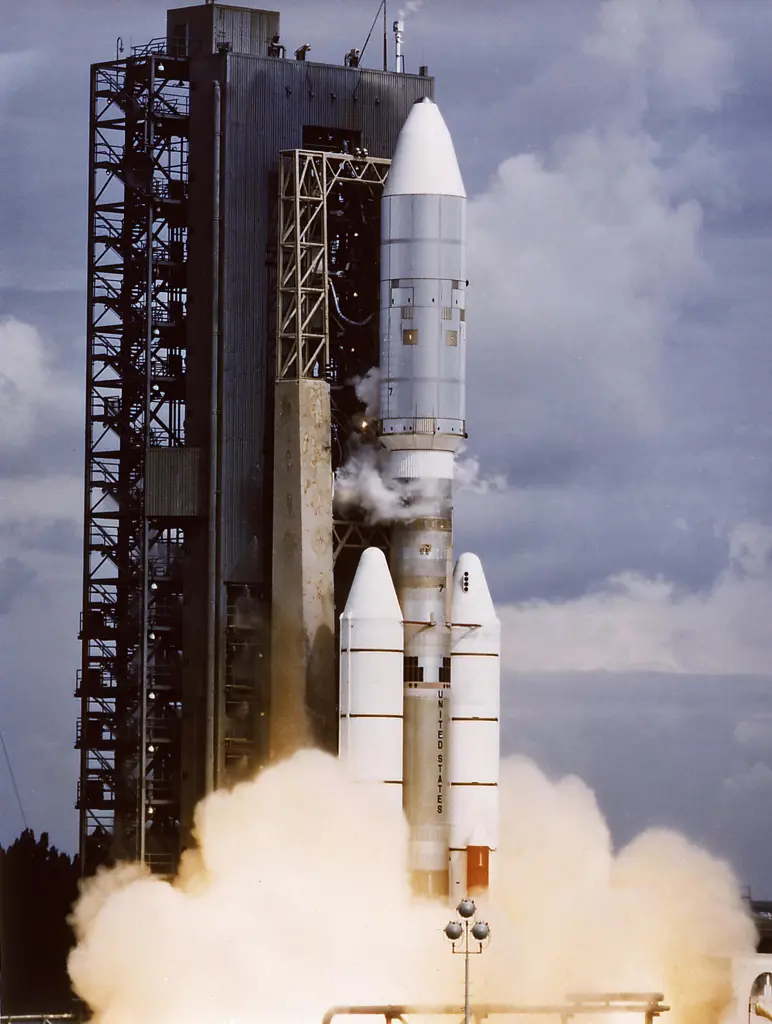
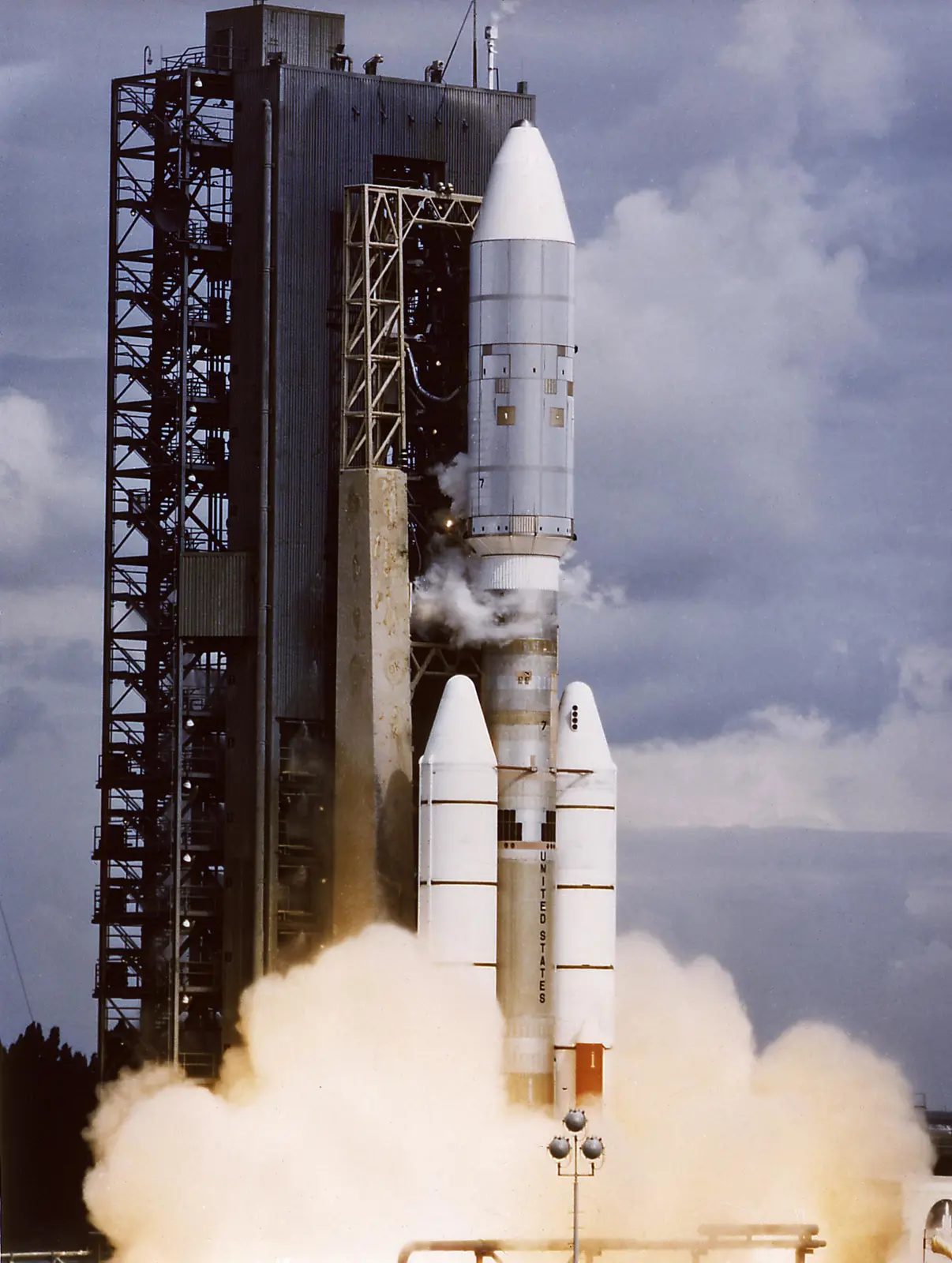
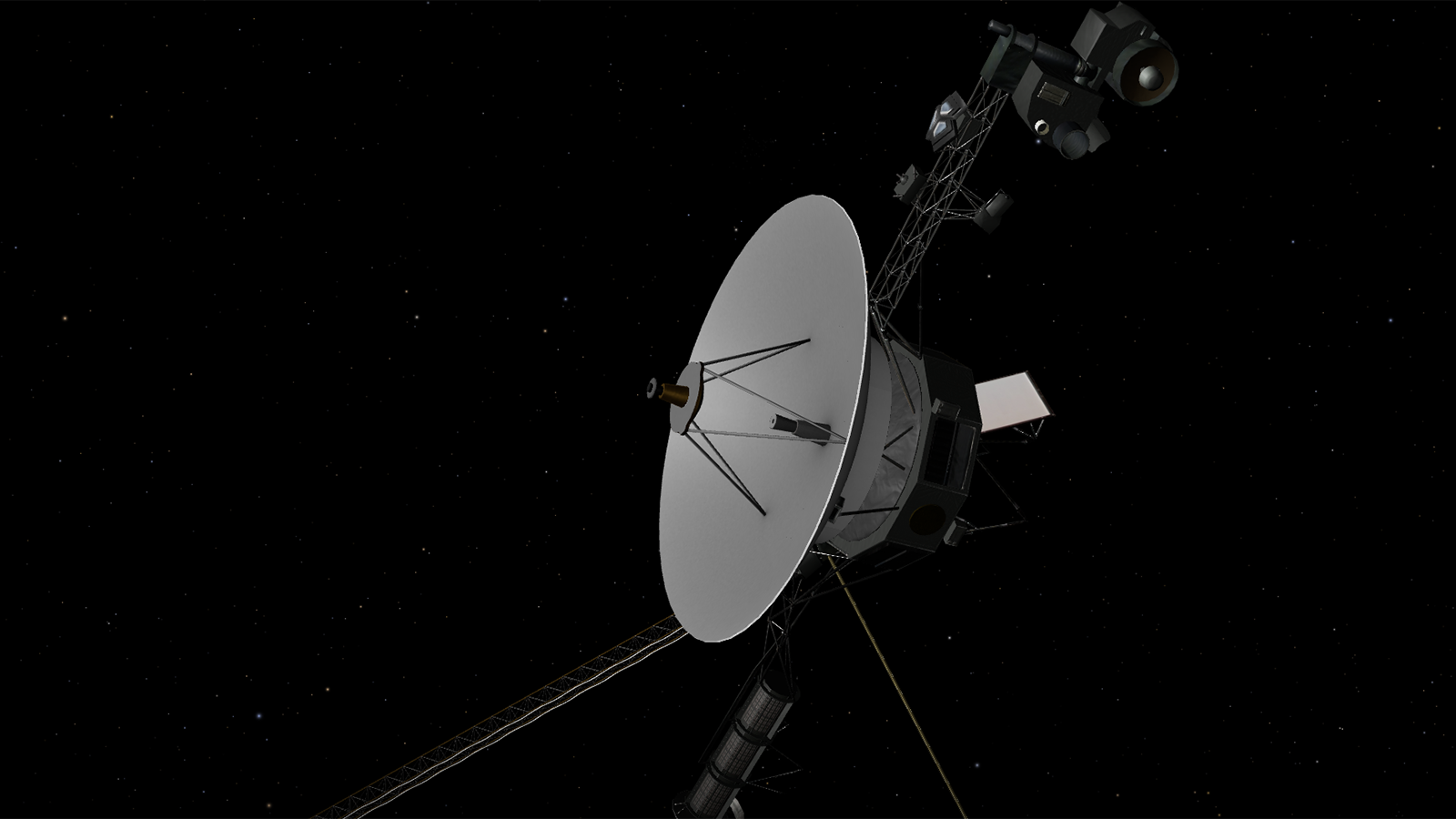
Voyager 2 is a space probe launched by NASA on August 20, 1977, to study the outer planets. Part of the Voyager program, it was launched 16 days before its twin, Voyager 1, on a trajectory that took longer to reach Jupiter and Saturn but enabled further encounters with Uranus and Neptune. It is the only spacecraft to have visited either of the ice giants.
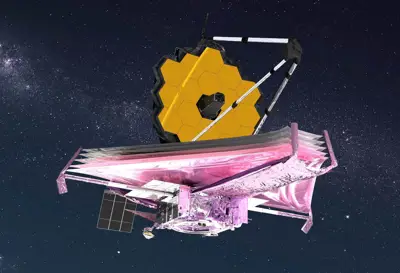
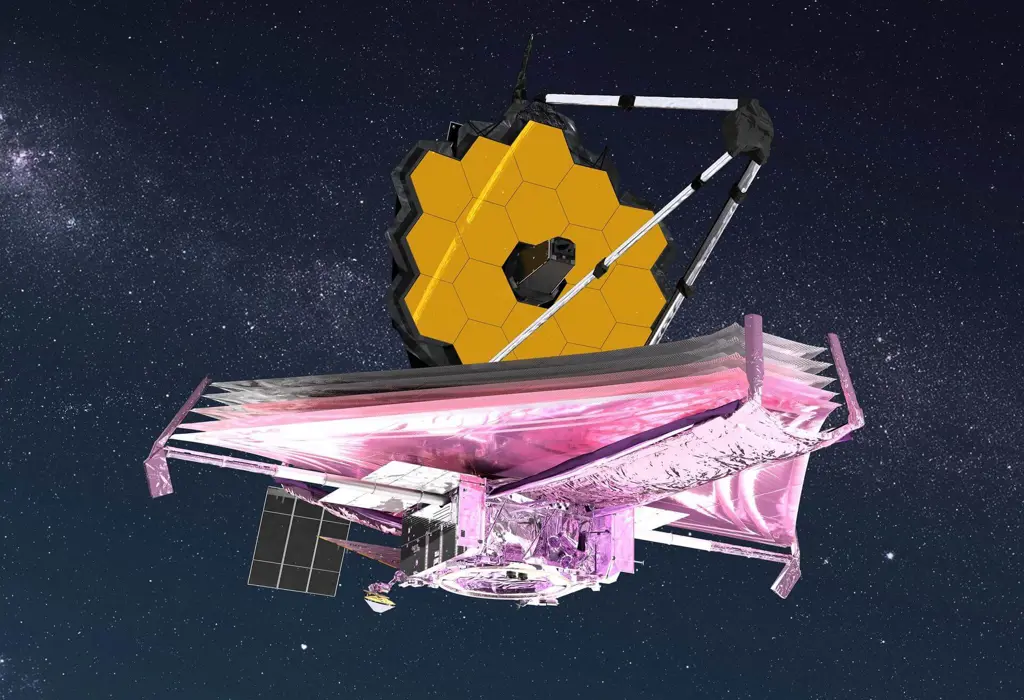
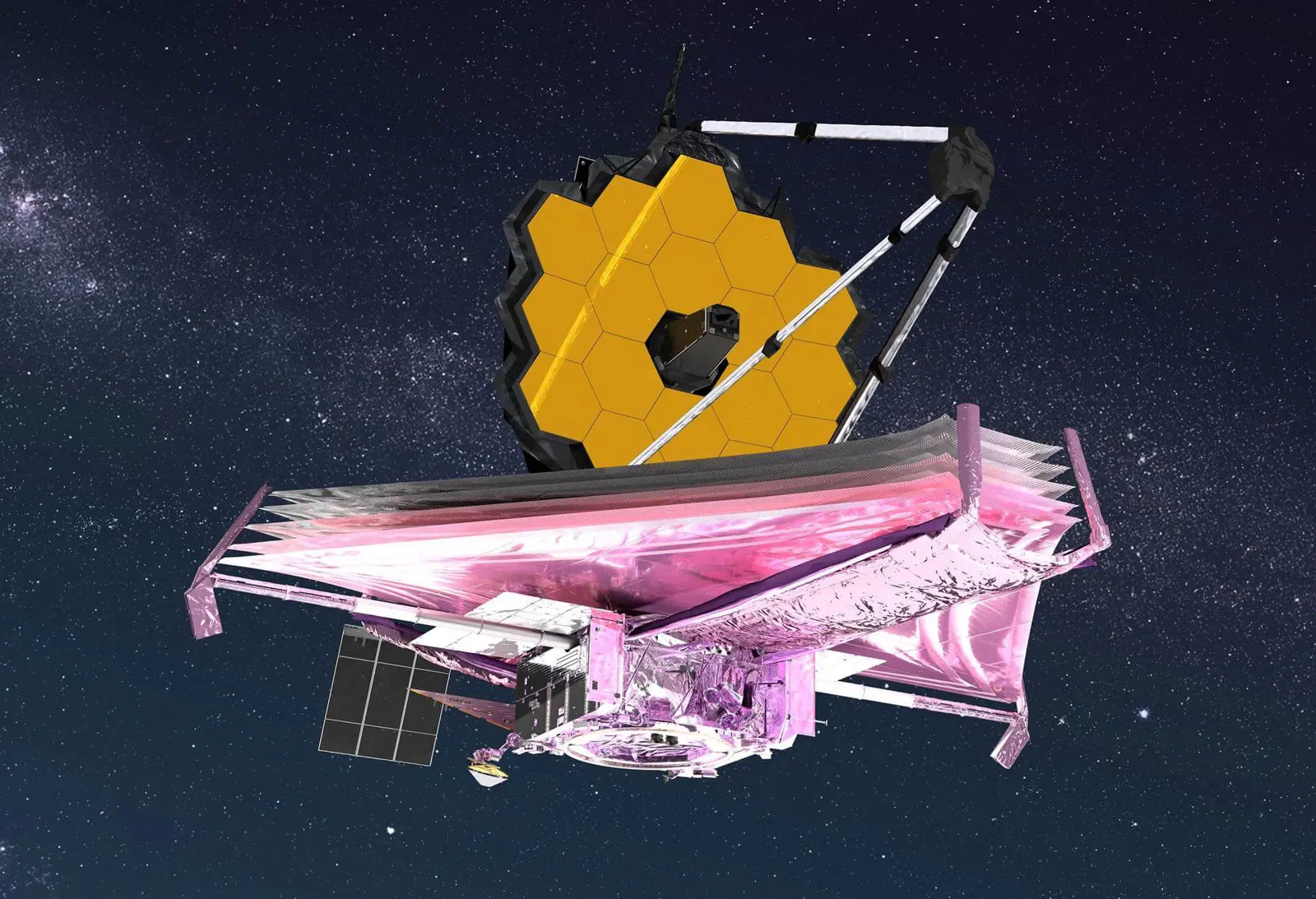
NASA's large strategic science missions or large strategic missions, formerly known as Flagship missions or Flagship-class missions, are the costliest and most capable NASA science spacecraft. Flagship missions exist within all four divisions of NASA's Science Mission Directorate (SMD): the astrophysics, Earth science, heliophysics and planetary science divisions.
Aug 22, 1975 — ongoing
Orbital Attempt
#1,994
LMT Mission
#6
Pad Launch
#16
Location Launch
#328
Designator
1977-076
Aug 20, 1977, 2:29 PM
Second
1 update
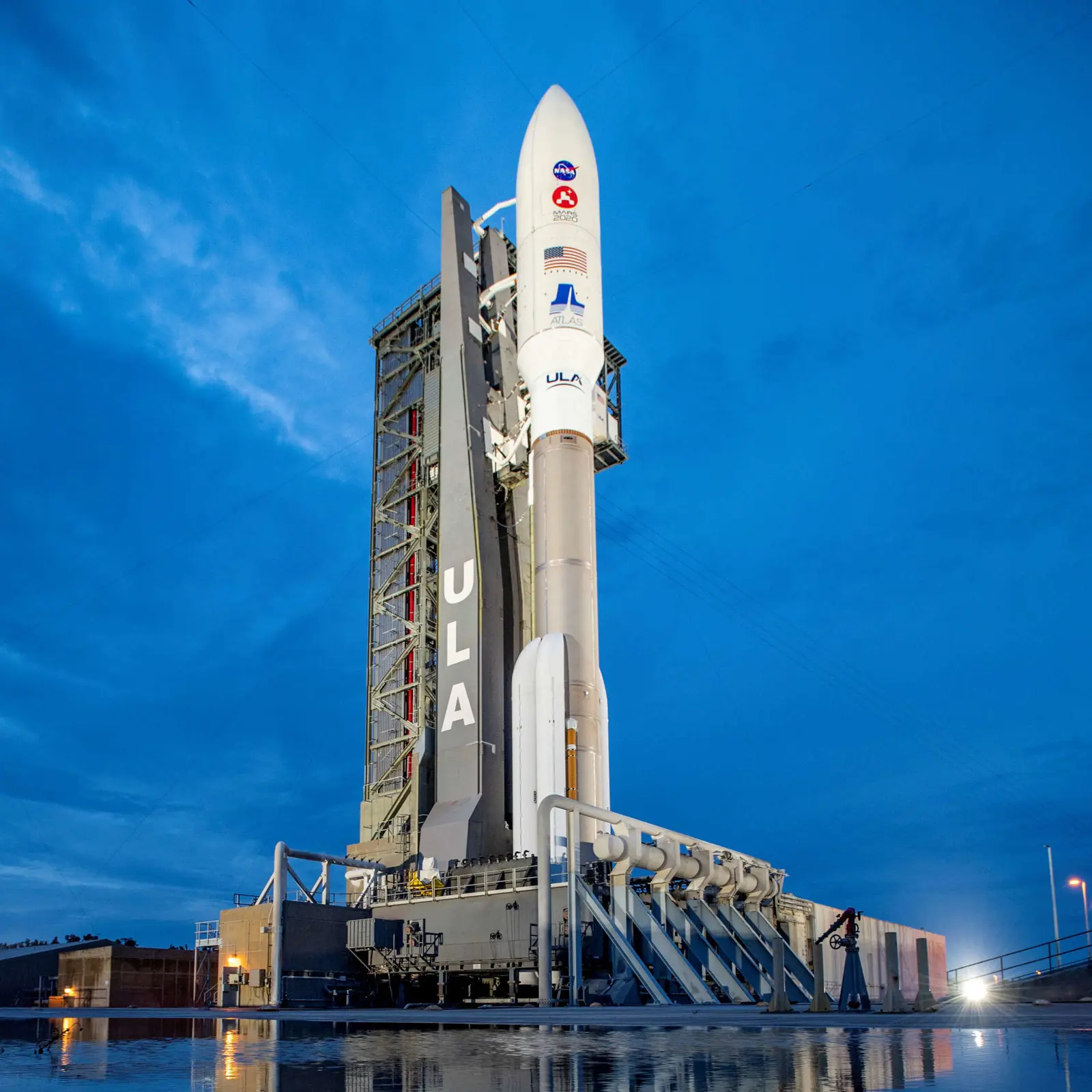
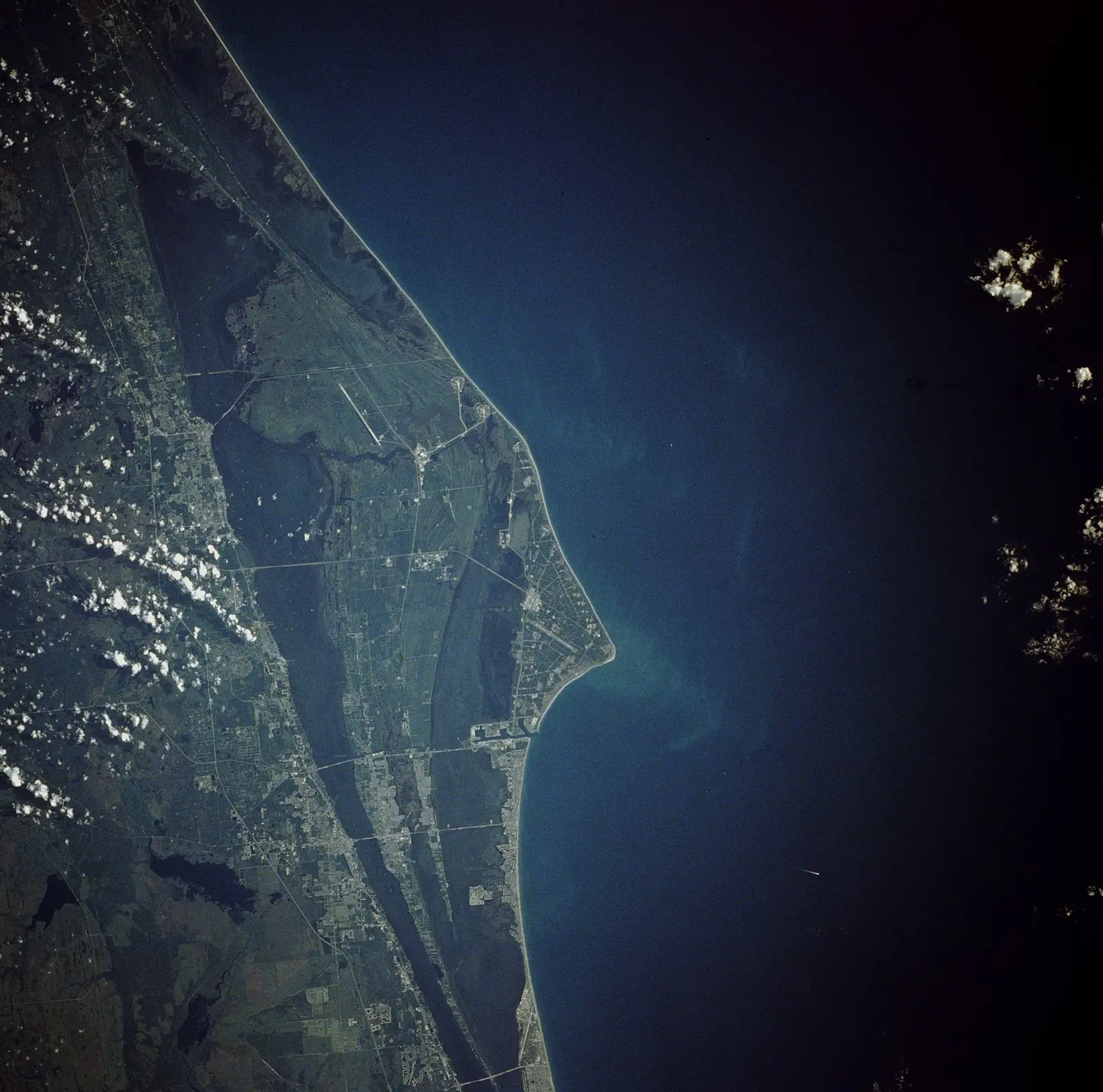
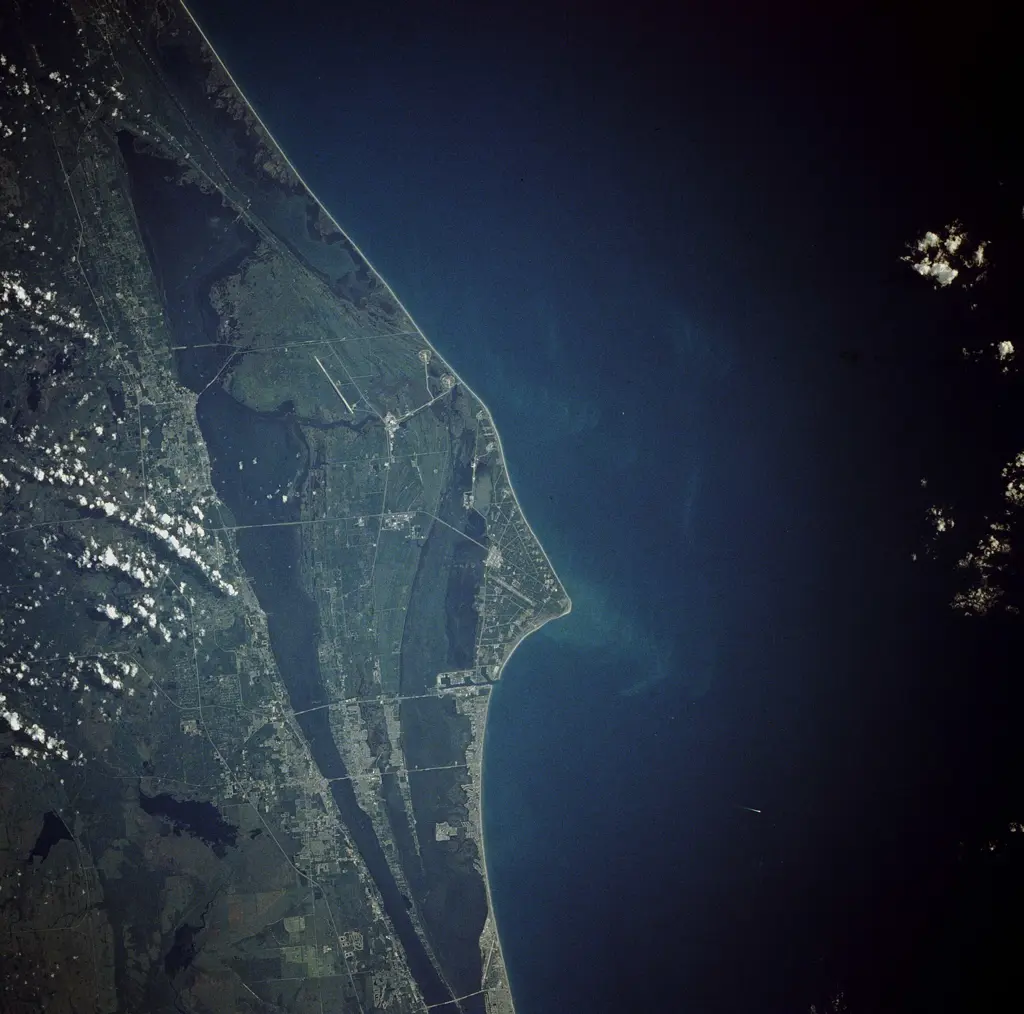
Cape Canaveral Space Force Station (CCSFS) is an installation of the United States Space Force's Space Launch Delta 45, located on Cape Canaveral in Brevard County, Florida.
Timezone
America/New_York
Local Launch Time
Aug 20, 1977, 10:29 AM
Total Launches
1,129
Total Landings
79
Coordinates
28.4889, -80.5778