
Navigation
QZSS (Quasi Zenith Satellite System) is a Japanese satellite navigation system operating from inclined, elliptical geosynchronous orbits to achieve optimal high-elevation visibility in urban canyons and mountainous areas. The navigation system objective is to broadcast GPS-interoperable and augmentation signals as well as original Japanese (QZSS) signals from a three-spacecraft constellation. The navigation system objective is to broadcast GPS-interoperable and augmentation signals as well as original Japanese (QZSS) signals from a three-spacecraft constellation in inclined, elliptical geosynchronous orbits.
2nd stage liquid hydrogen tank pressure abnormally start decreasing after fairing separation, leading up to 2nd stage 1st burn 27 seconds longer than planned & engine shutting down 1 second into 2nd burn. Payload stranded in LEO and re-entered shortly after.
Orbital Attempt
#7,164
MHI Mission
#56
Pad Launch
#16
Location Launch
#97
Designator
2025-308
Dec 22, 2025, 1:51 AM
Second
1 update
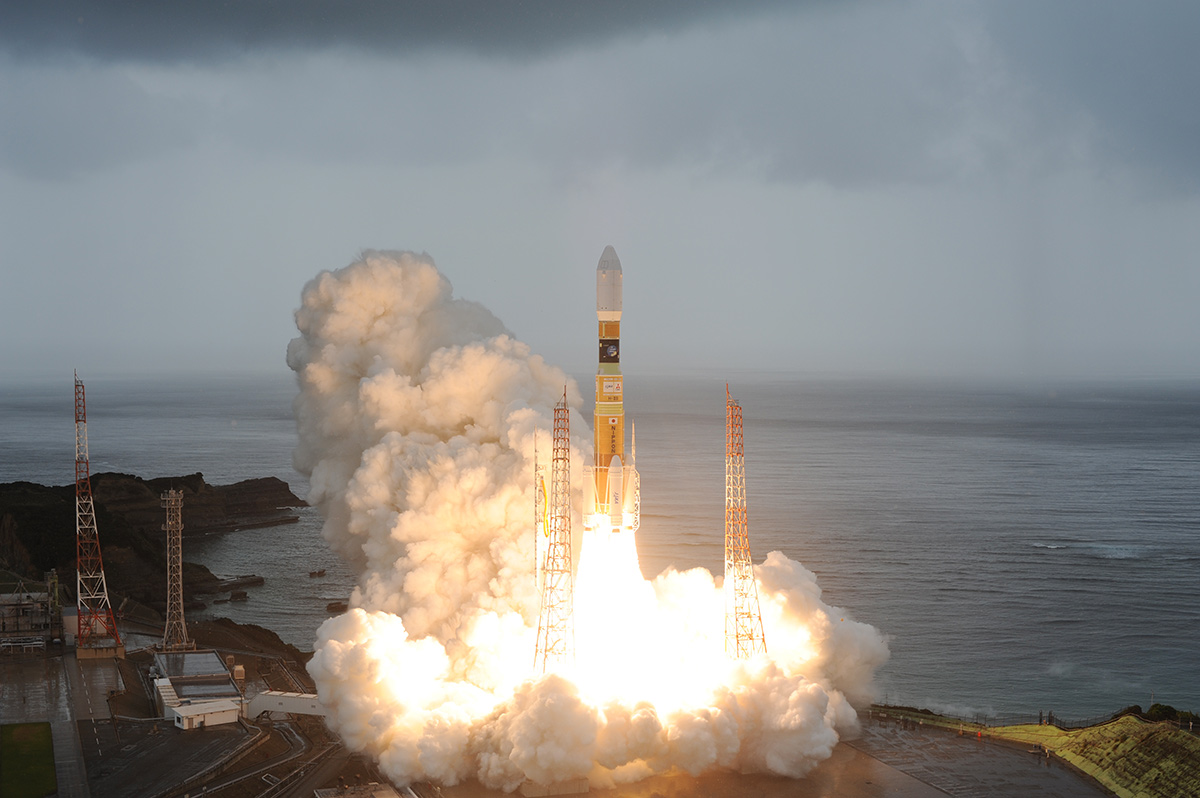
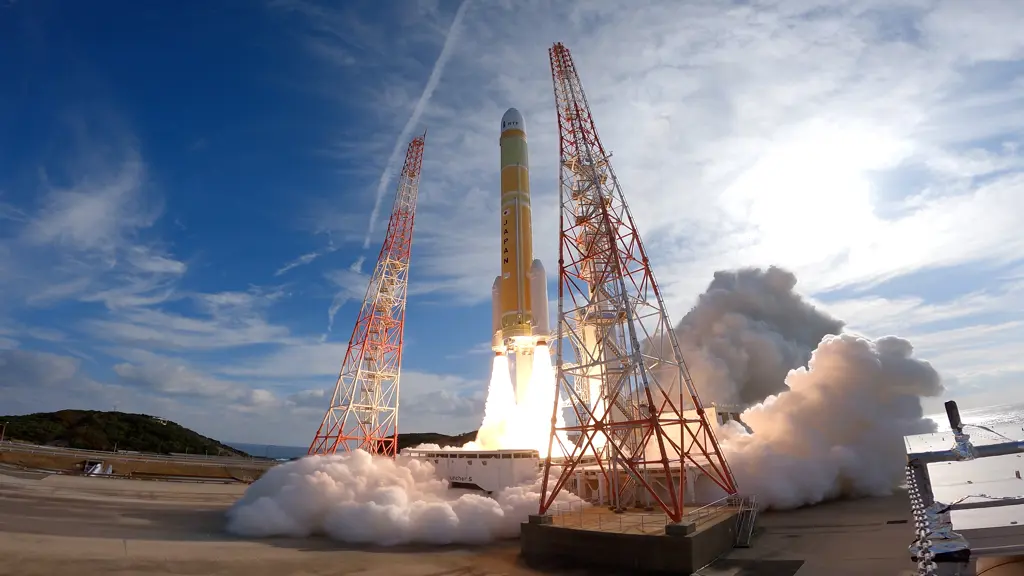
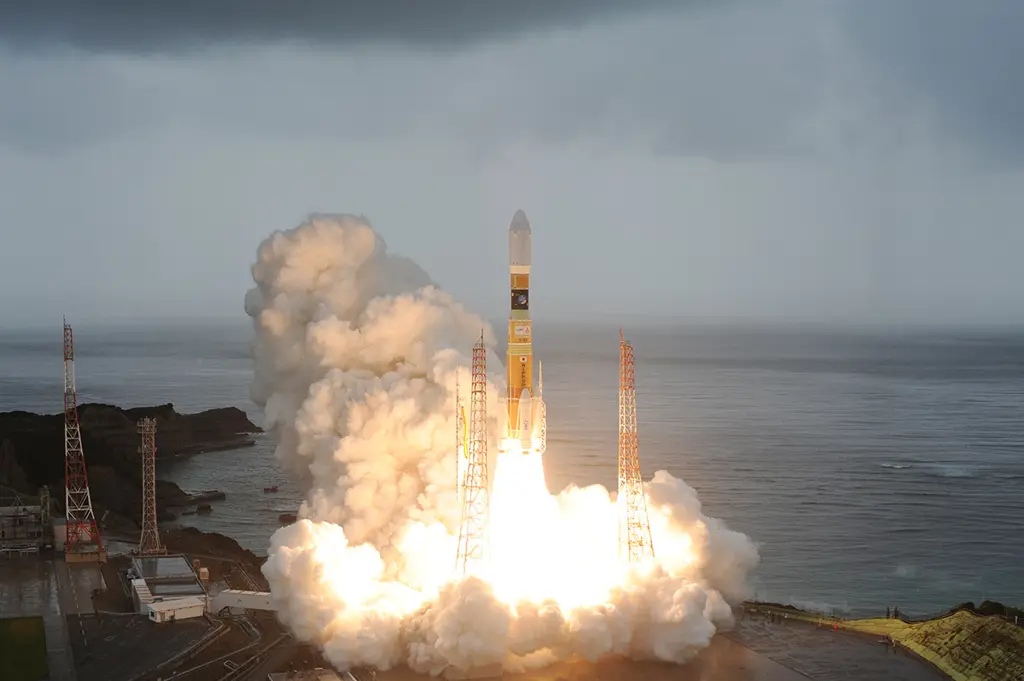
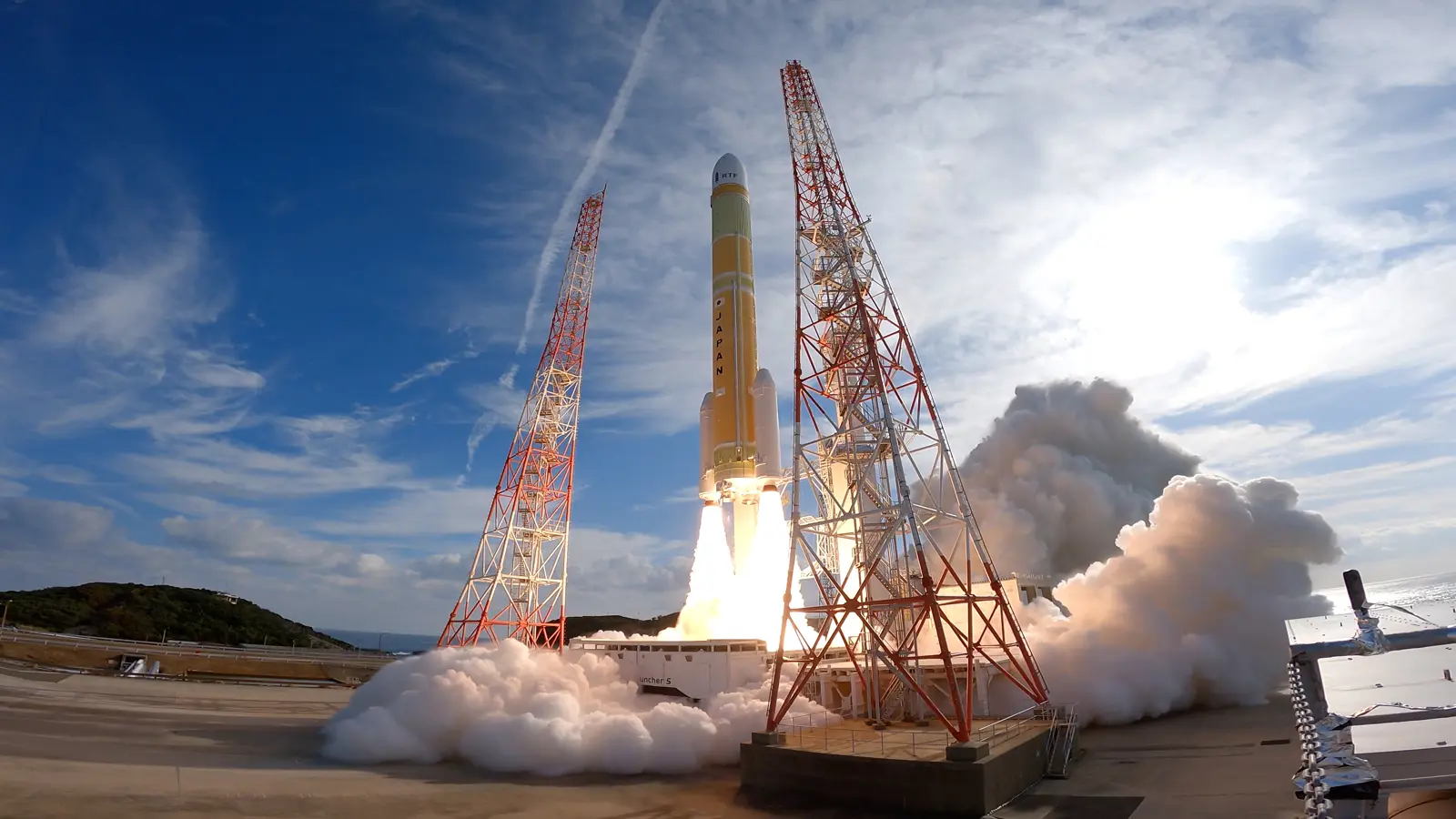
The H3 Launch Vehicle is a Japanese expendable launch system. Each H3 booster configuration has a two-digit and a letter designation that indicates the features of that configuration. The first digit represents the number of LE-9 engines on the main stage, either "2" or "3". The second digit indicates the number of SRB-3 solid rocket boosters attached to the base of the rocket, and can be "0", "2" or "4". All layouts of solid boosters are symmetrical. The letter in the end shows the length of the payload fairing, either short "S" or long "L". For example, an H3-24L has two engines, four solid rocket boosters, and a long fairing, whereas an H3-30S has three engines, no solid rocket boosters, and a short fairing.
Length
63 m
Diameter
5.27 m
Thrust
7,542 kN
GTO Capacity
5,400 kg
Launch Cost
$50M
Reusable
No
Maiden Flight
2023
Fastest Turnaround
3mo
Total Launches
6
Successful
4
Failed
2
Consecutive Success
0
Maiden flight: Mar 7, 2023
Launch failure.
SourceOfficial Webcast by JAXA | 宇宙航空研究開発機構 has started
SourceLiftoff.
SourceOfficial Webcast by JAXA | 宇宙航空研究開発機構 has started
SourceRefined launch window.
SourceRescheduled for December 22.
SourceScrubbed for the day.
SourceHold at T-13 seconds.
SourceTweaked T-0.
SourceTweaked launch window.
SourceRescheduled for December 17.
SourceLaunch delayed due to problems with the Inertial Measurement Unit (IMU) on the H3 2nd stage, new launch date TBD.
SourceGO for launch.
SourceTweaked approximate launch date per launch manifest (P.129 of source).
SourceMitsubishi Heavy Industries, Ltd. is a Japanese multinational engineering, electrical equipment and electronics company headquartered in Tokyo, Japan. MHI is one of the core companies of the Mitsubishi Group. MHI's products include aerospace components, air conditioners, aircraft, automotive components, forklift trucks, hydraulic equipment, machine tools, missiles, power generation equipment, printing machines, ships and space launch vehicles. Through its defense-related activities, it is the world's 23rd-largest defense contractor measured by 2011 defense revenues and the largest based in Japan.
Founded
1884
Administrator
President: Seiji Izumisawa
Total Launches
56
Successful
54
Failed
2
Pending
9
Consecutive Success
0
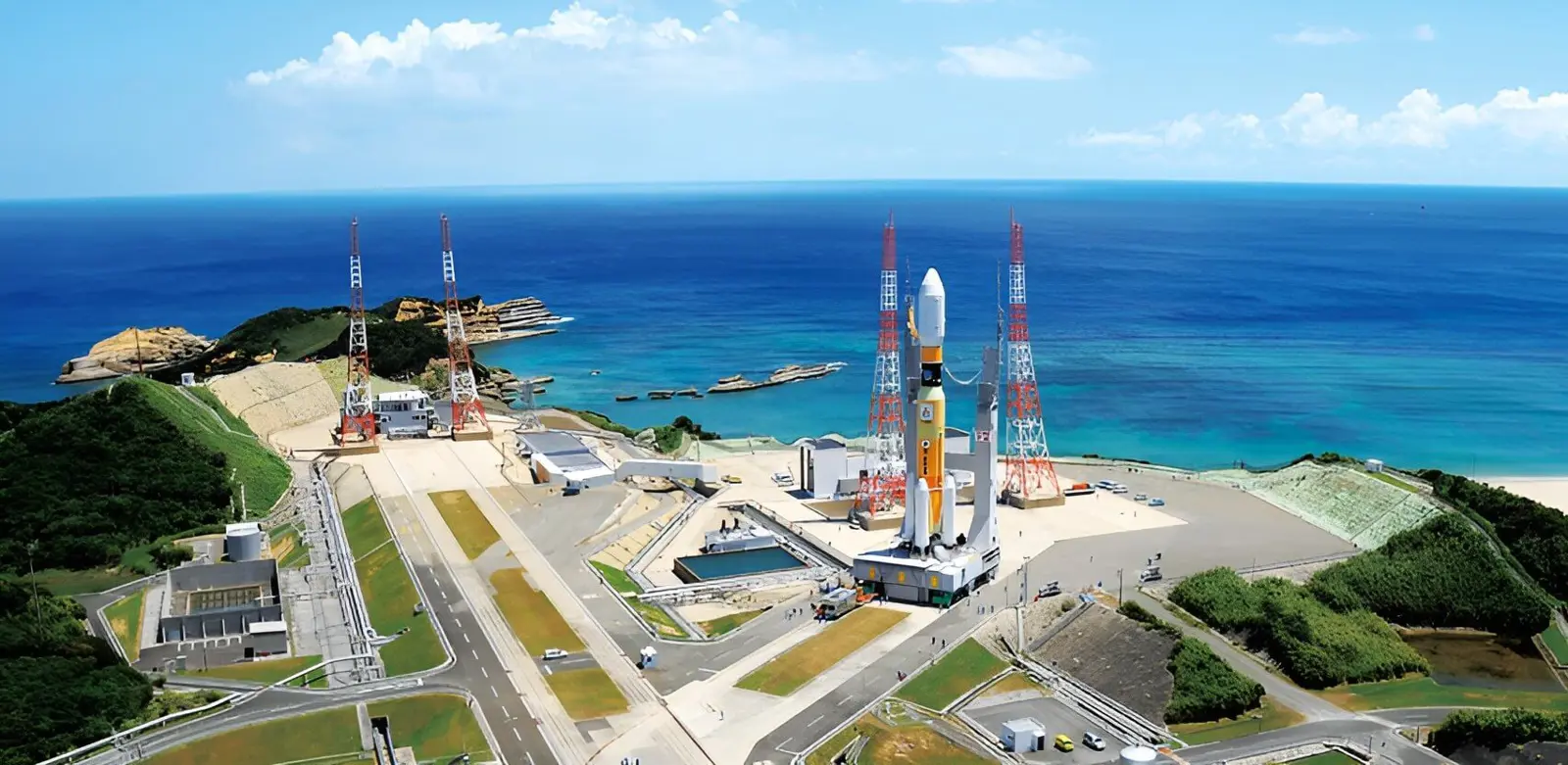
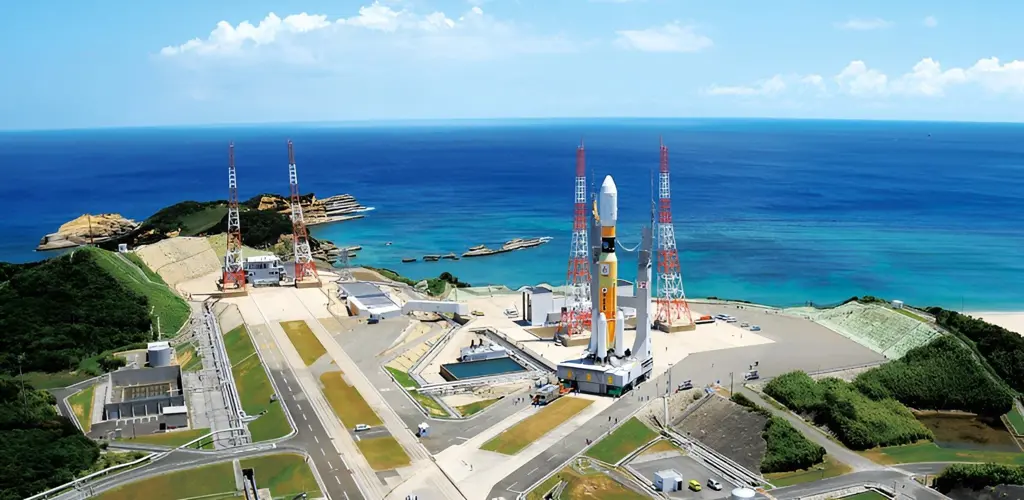
The Tanegashima Space Center is the largest rocket-launch complex in Japan. It is located on the southeastern tip of Tanegashima, an island located south of Kyushu, an island and region and Japan. It was established in 1969 when the National Space Development Agency of Japan (NASDA) was formed, and is now run by JAXA. The activities that take place at TNSC include assembly, testing, launching, and tracking satellites, as well as rocket engine firing tests.
Timezone
Asia/Tokyo
Local Launch Time
Dec 22, 2025, 10:51 AM
Total Launches
97
Total Landings
0
Coordinates
30.4000, 130.9700