Planetary Science
 Mitsubishi Heavy Industries(MHI)Commercial
DESTINY+ (Demonstration and Experiment of Space Technology for INterplanetary voYage with Phaethon fLyby and dUst Science) is a planned asteroid exploration mission to 3200 Phaethon, the parent body of the Geminids meteor shower. It will demonstrate further improvements of low cost solar electric propulsion in deep space and innovative light-weight solar array panel technology. The spacecraft will carry 3 science instruments: * DESTINY Dust Analyzer (DDA) * Telescopic Camera for Phaethon (TCAP) * Multiband Camera for Phaethon (MCAP) RAMSES (Rapid Apophis Mission for Space Safety) is a European-Japanese planetary defense mission to near-Earth asteroid 99942 Apophis, led by the European Space Agency (ESA). The spacecraft will arrive around Apophis in February 2029, before the asteroid’s very close fly-by to Earth on 13 April 2029. It will conduct measurements of the asteroid's properties before and during the Earth flyby to study its response to the close encounter with the planet. The spacecraft will leverage much of the technology developed for the Hera mission. At the asteroid, RAMSES will deploy two smaller CubeSats, one carrying a dust analyser, a low-frequency radar, the other will attempt to land on Apophis and provide high-resolution images from the surface.
Orbital Attempt
#7,659
MHI Mission
#70
Pad Launch
#30
Location Launch
#111
Apr 20, 2028, 12:00 AM
Day
1 update
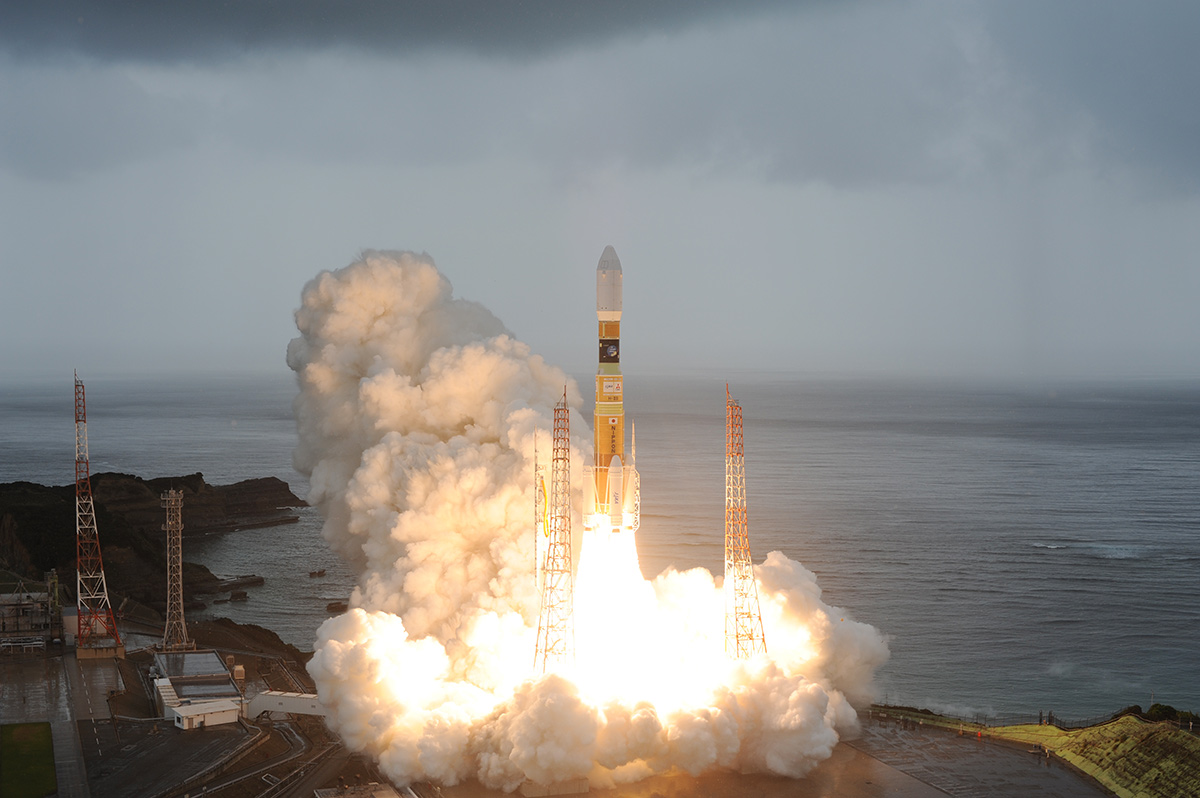
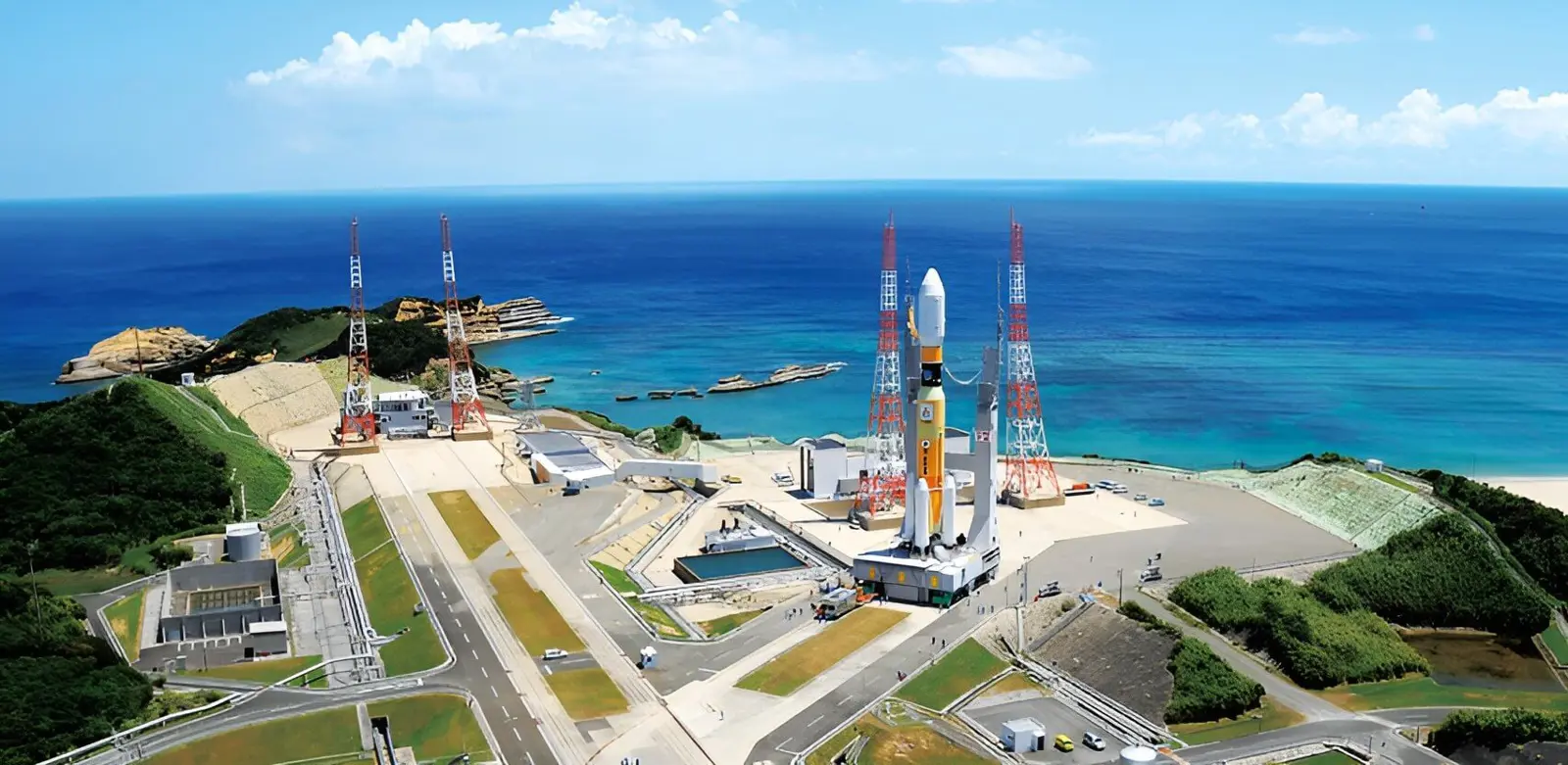
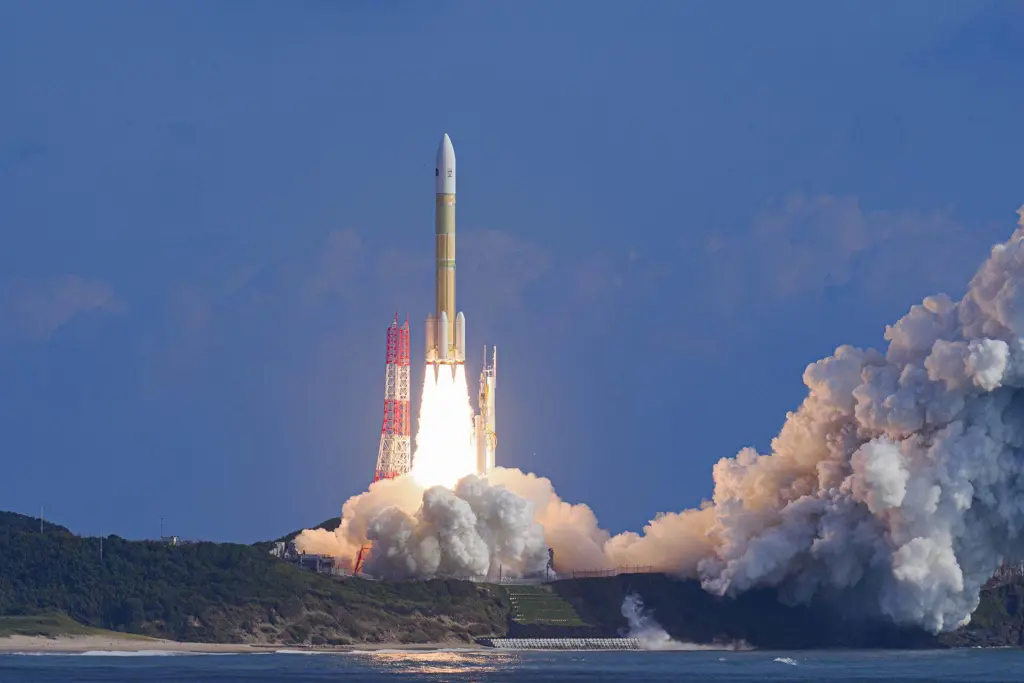
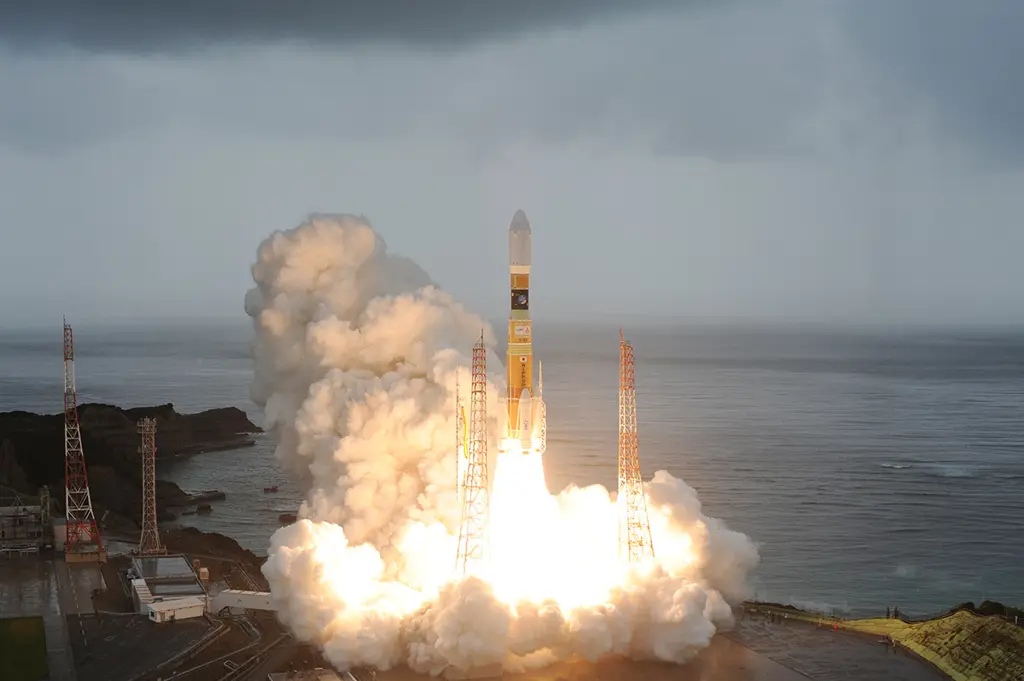
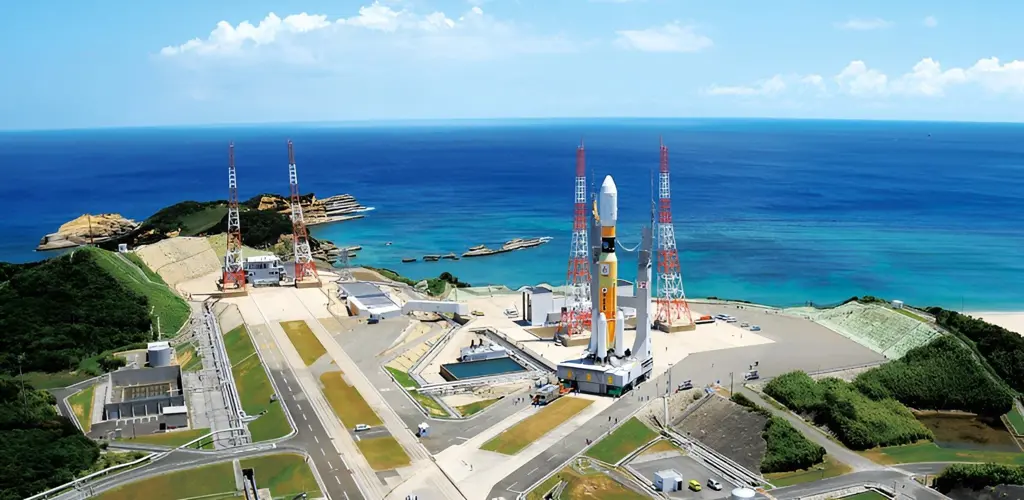
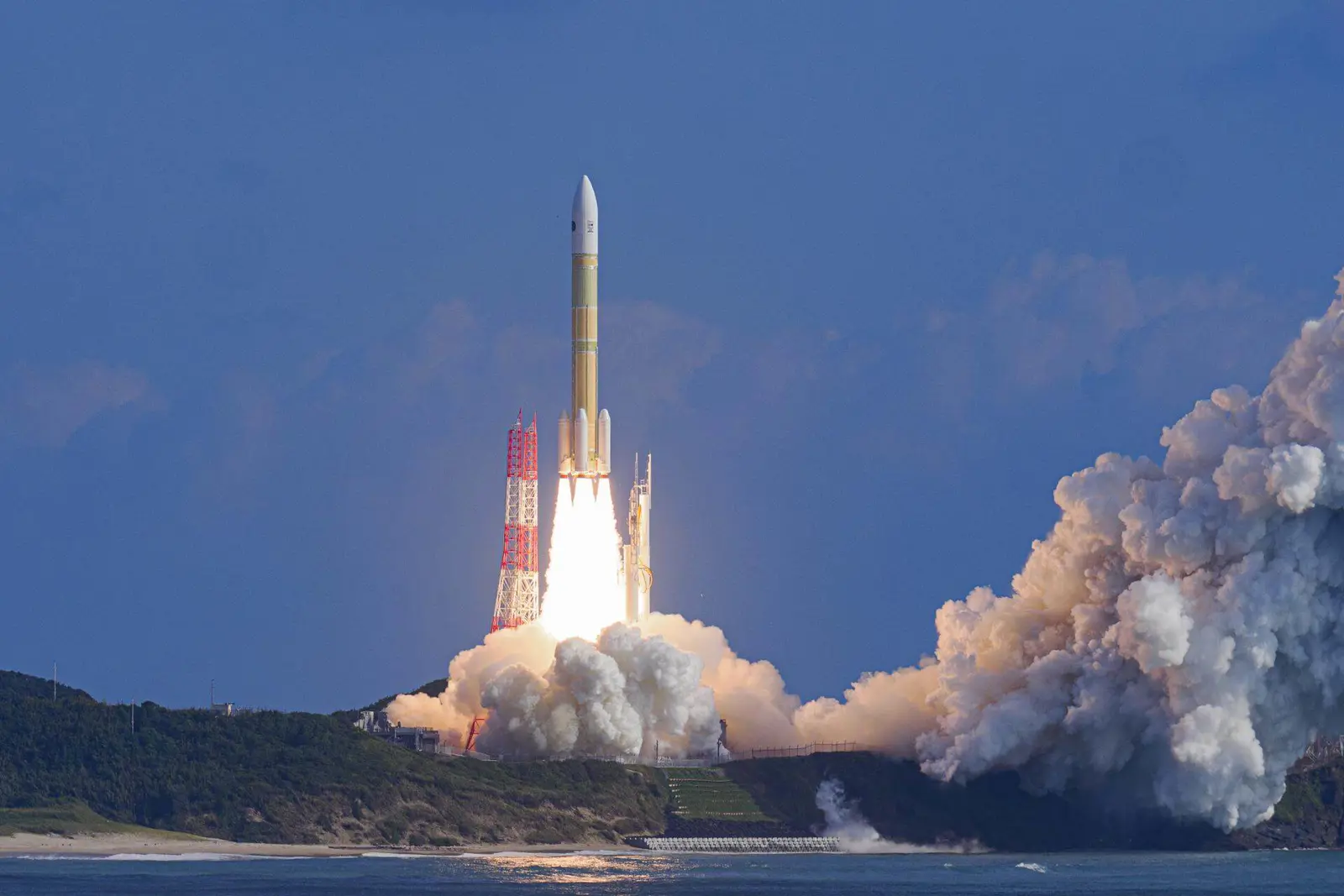
The Tanegashima Space Center is the largest rocket-launch complex in Japan. It is located on the southeastern tip of Tanegashima, an island located south of Kyushu, an island and region and Japan. It was established in 1969 when the National Space Development Agency of Japan (NASDA) was formed, and is now run by JAXA. The activities that take place at TNSC include assembly, testing, launching, and tracking satellites, as well as rocket engine firing tests.
Timezone
Asia/Tokyo
Local Launch Time
Apr 20, 2028, 9:00 AM
Total Launches
99
Total Landings
0
Coordinates
30.4000, 130.9700