
Earth Science
HawkEye 360 is a a space-based civil global intelligence satellite network using radio frequency (RF) technology to help monitor transportation across air, land and sea and assist with emergencies, and to provide civil SIGINT (Signal Intelligence) mission. The constellation of small satellites (named Hawk ) will collect information on specific radio signals worldwide to provide high-precision radio frequency mapping and analytics from Low Earth orbit (LEO).
Orbital Attempt
#7,471
RL Mission
#110
Pad Launch
#16
Location Launch
#92
Dec 31, 2026, 12:00 AM
Year
1 update
Adding launch
SourceTotal Launches
12
Orbital Attempts
4
Fastest Turnaround
8d
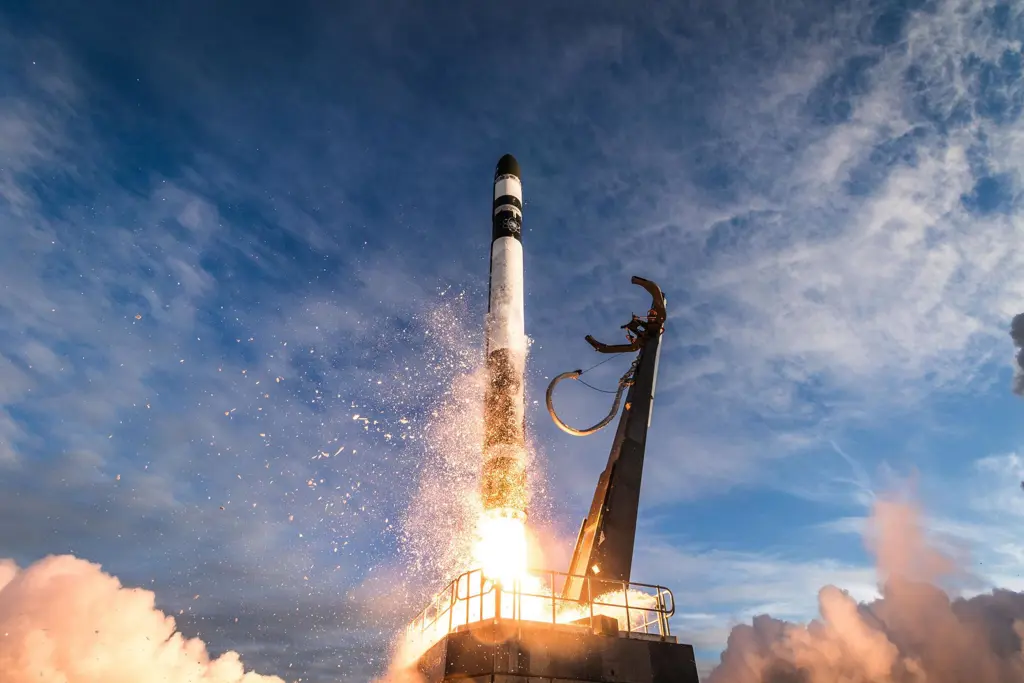
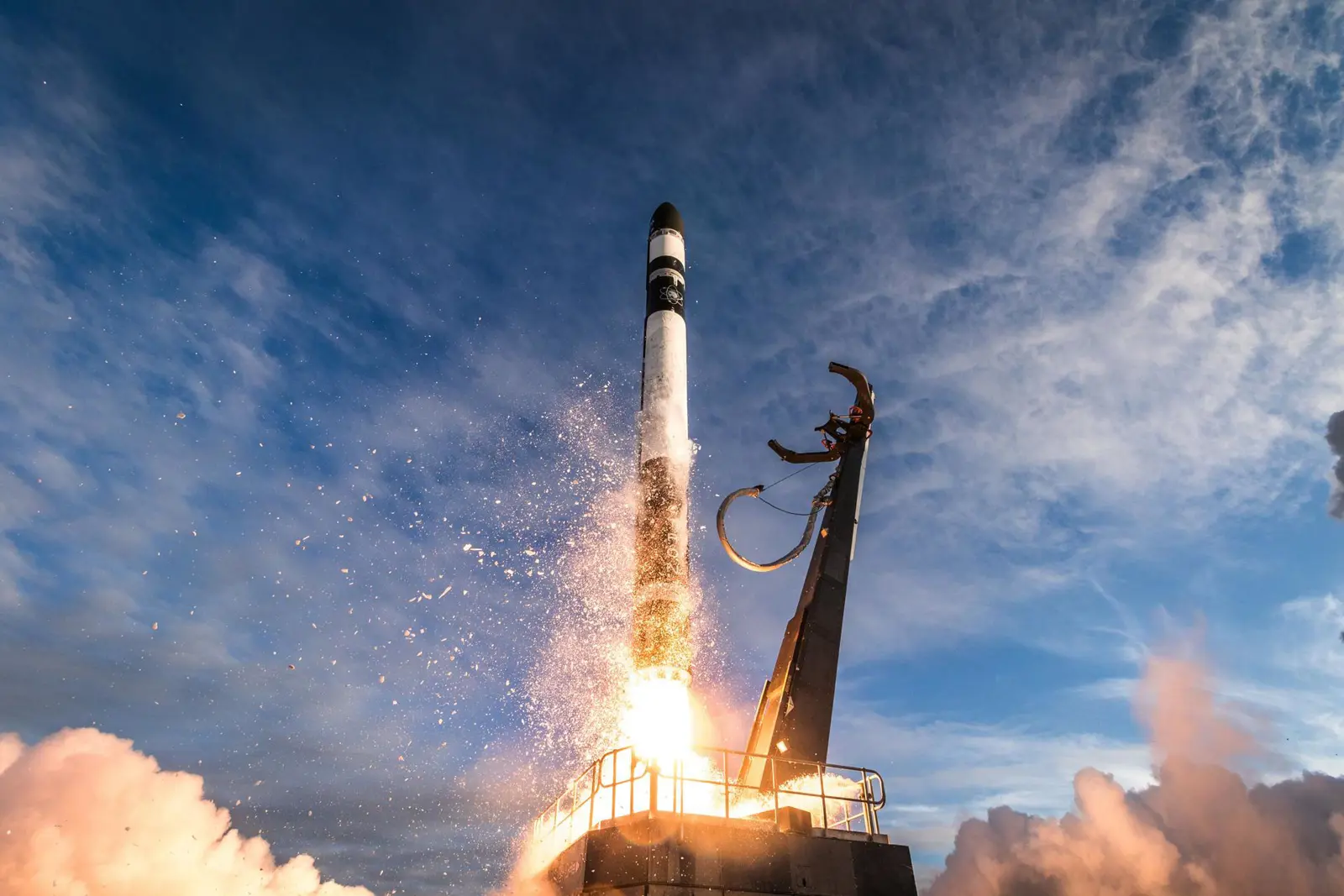
Electron is a two-stage orbital expendable launch vehicle (with an optional third stage) developed by the American aerospace company Rocket Lab. Electron is a small-lift launch vehicle designed to launch small satellites and cubesats to sun-synchronous orbit and low earth orbit. The Electron is the first orbital class rocket to use electric-pump-fed engines, powered by the 9 Rutherford engines on the first stage. It is also used as a suborbital testbed (called HASTE) for hypersonics research.
Length
18 m
Diameter
1.2 m
Launch Mass
13 t
Thrust
162 kN
LEO Capacity
300 kg
SSO Capacity
225 kg
Launch Cost
$6M
Reusable
No
Maiden Flight
2017
Fastest Turnaround
21h 55m
Total Launches
88
Successful
84
Failed
4
Consecutive Success
47
Maiden flight: May 25, 2017
Rocket Lab is an American aerospace manufacturer with a wholly owned New Zealand subsidiary. The company develops lightweight, cost-effective commercial rocket launch services. The Electron Program was founded on the premise that small payloads such as CubeSats require dedicated small launch vehicles and flexibility not currently offered by traditional rocket systems. Its rocket, the Electron, is a light-weight rocket and is now operating commercially. The company is also producing a variety of spacecrafts and spacecrafts components.
Founded
2006
Administrator
CEO: Peter Beck
Total Launches
88
Successful
84
Failed
4
Pending
42
Consecutive Success
47
Wallops Flight Facility is a rocket launch site on Wallops Island on the Eastern Shore of Virginia, United States, just east of the Delmarva Peninsula and north-northeast of Norfolk. The facility is operated by the Goddard Space Flight Center in Greenbelt, Maryland, and primarily serves to support science and exploration missions for NASA and other federal agencies. WFF includes an extensively instrumented range to support launches of more than a dozen types of sounding rockets; small expendable suborbital and orbital rockets; high-altitude balloon flights carrying scientific instruments for atmospheric and astronomical research; and, using its Research Airport, flight tests of aeronautical research aircraft, including uncrewed aerial vehicles.
Timezone
America/New_York
Local Launch Time
Dec 30, 2026, 7:00 PM
Total Launches
86
Total Landings
0
Coordinates
37.9333, -75.4678