Planetary Science
CAPSTONE (Cislunar Autonomous Positioning System Technology Operations and Navigation Experiment) is a 12-U cubesat mission to test operations in near rectiliniar halo orbit around the Moon, which is to be used for the Lunar Gateway space station. Mission will verify the near rectilinear halo orbit characteristics, spacecraft-to-spacecraft navigation services in that orbit, and provide valuable experience of small sat launch to the Moon.
Orbital Attempt
#6,255
RL Mission
#27
Pad Launch
#2
Location Launch
#27
Designator
2022-070
Weather GO
75%
Jun 28, 2022, 9:55 AM
1 update

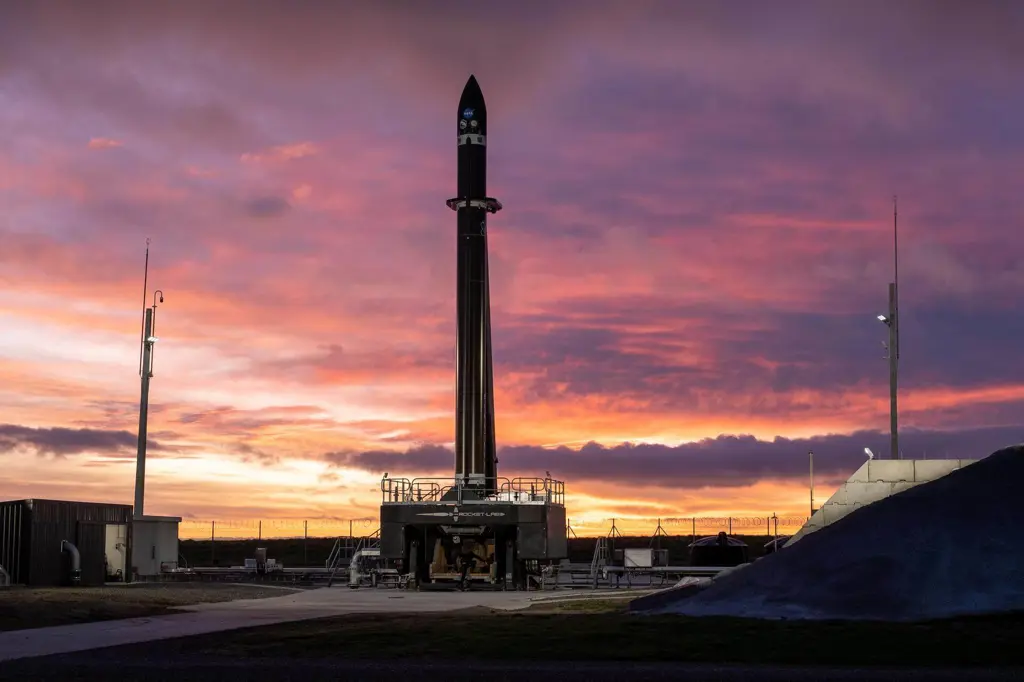
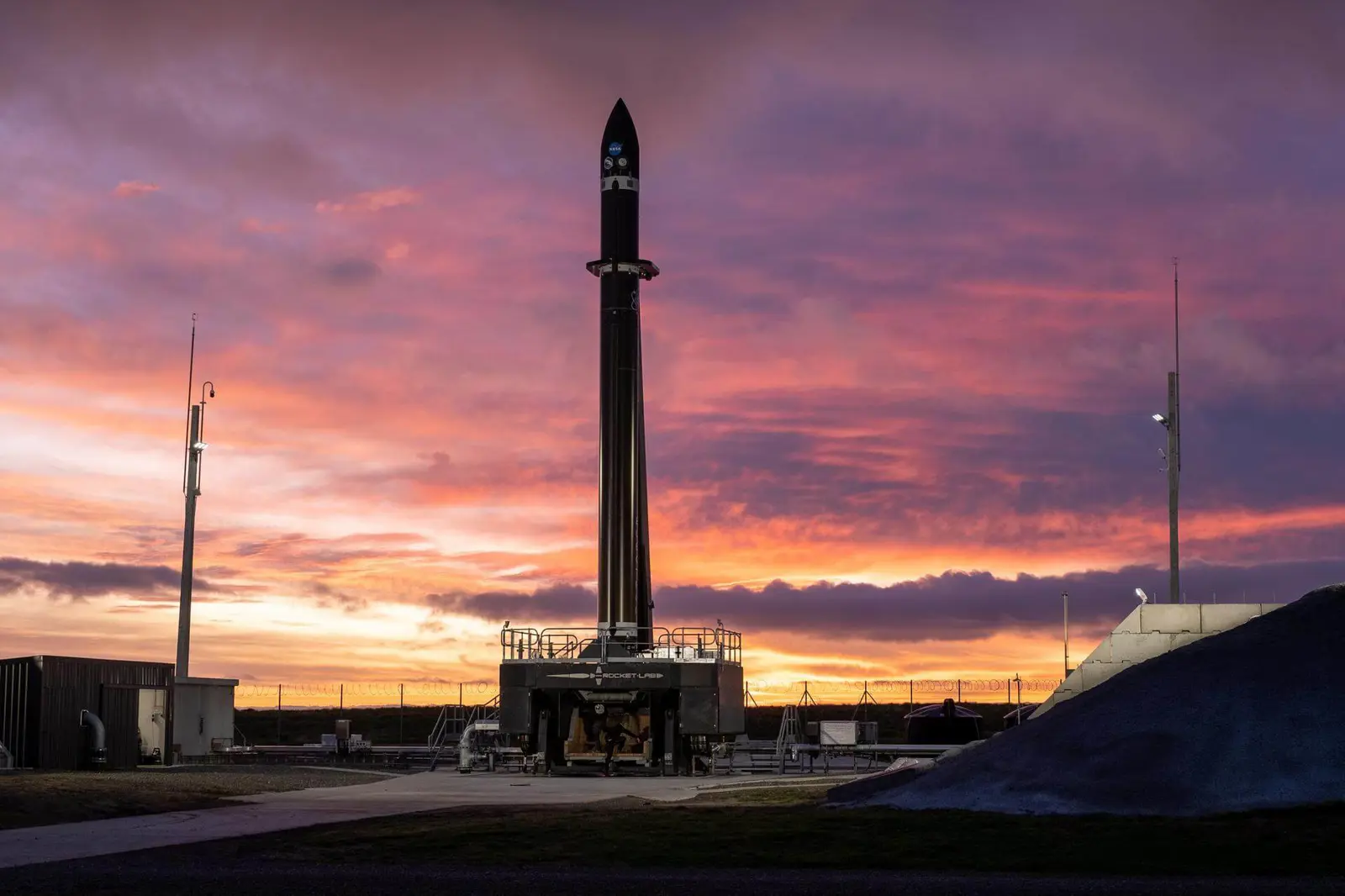
Electron is a two-stage orbital expendable launch vehicle (with an optional third stage) developed by the American aerospace company Rocket Lab. Electron is a small-lift launch vehicle designed to launch small satellites and cubesats to sun-synchronous orbit and low earth orbit. The Electron is the first orbital class rocket to use electric-pump-fed engines, powered by the 9 Rutherford engines on the first stage. It is also used as a suborbital testbed (called HASTE) for hypersonics research.
Length
18 m
Diameter
1.2 m
Launch Mass
13 t
Thrust
162 kN
LEO Capacity
300 kg
SSO Capacity
225 kg
Launch Cost
$6M
Reusable
No
Maiden Flight
2017
Fastest Turnaround
21h 55m
Total Launches
88
Successful
84
Failed
4
Consecutive Success
47
Maiden flight: May 25, 2017
Successful Electron launch. Photon's HyperCurie engine will perform apogee raising burns around every 24 hours for five days, before a final burn on the sixth day to set CAPSTONE on a trans lunar injection
SourceLiftoff
SourceWebcast live
SourceWeather 75%
SourceAdjusting T-0
SourceNET June 28
SourceUpdating T-0
SourceNET June 27
SourceAdding T-0 and setting GO
SourceNET June 25
SourceNo longer targeting June 13. Reverting to TBD June.
SourceT-0 confirmed
SourceNET June 13 to allow additional time for final prelaunch checks
SourceAdding T-0
SourceNET June 6th
SourceNET May 31st
SourceNET May 27
SourceNET Spring
SourceLaunch is NET March 2022.
SourceLaunch now NET early 2022
SourceLaunch pad changed from Rocket Lab's launch site in Wallops, Virginia to the one in New Zealand.
SourceRocket Lab is an American aerospace manufacturer with a wholly owned New Zealand subsidiary. The company develops lightweight, cost-effective commercial rocket launch services. The Electron Program was founded on the premise that small payloads such as CubeSats require dedicated small launch vehicles and flexibility not currently offered by traditional rocket systems. Its rocket, the Electron, is a light-weight rocket and is now operating commercially. The company is also producing a variety of spacecrafts and spacecrafts components.
Founded
2006
Administrator
CEO: Peter Beck
Total Launches
88
Successful
84
Failed
4
Pending
42
Consecutive Success
47
Rocket Lab Launch Complex 1 is a commercial spaceport located close to Ahuriri Point at the southern tip of Māhia Peninsula, on the east coast of New Zealand's North Island. It is owned and operated by private spaceflight company Rocket Lab and supports launches of the company's Electron rocket for small satellites. With the launch of Electron on 25 May 2017, it became the first private spaceport to host an orbital launch attempt, and the first site in New Zealand to host an orbital launch attempt. With the Electron launch of 21 January 2018, it became the first private spaceport to host a successful orbital launch.
Timezone
Pacific/Auckland
Local Launch Time
Jun 28, 2022, 9:55 PM
Total Launches
76
Total Landings
17
Coordinates
-39.2608, 177.8659