Earth Science
 Rocket Lab(RL)Commercial
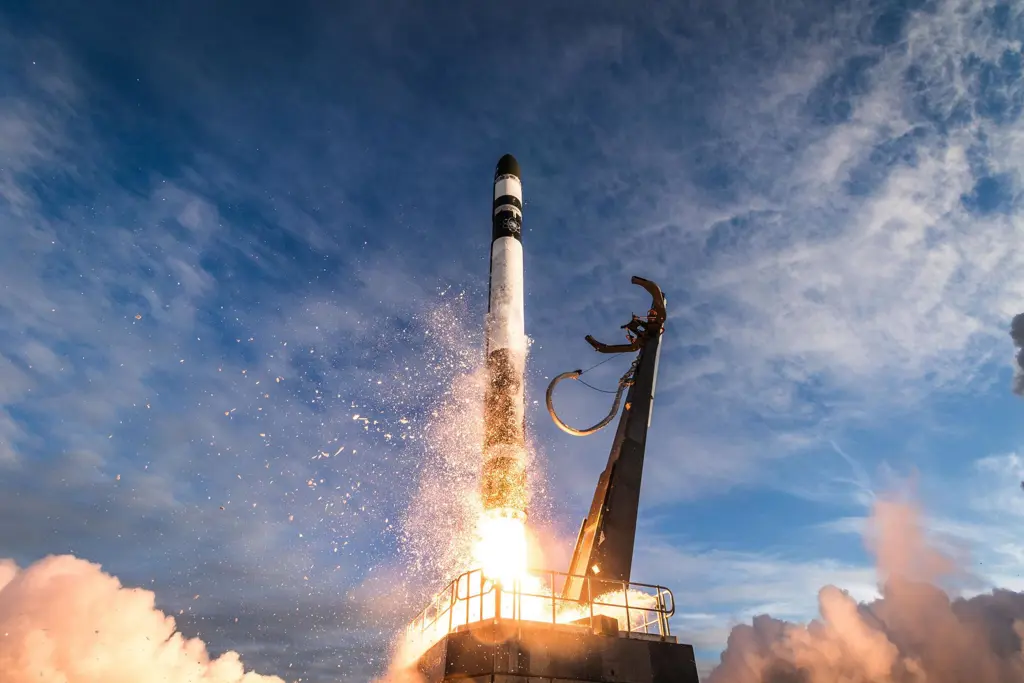
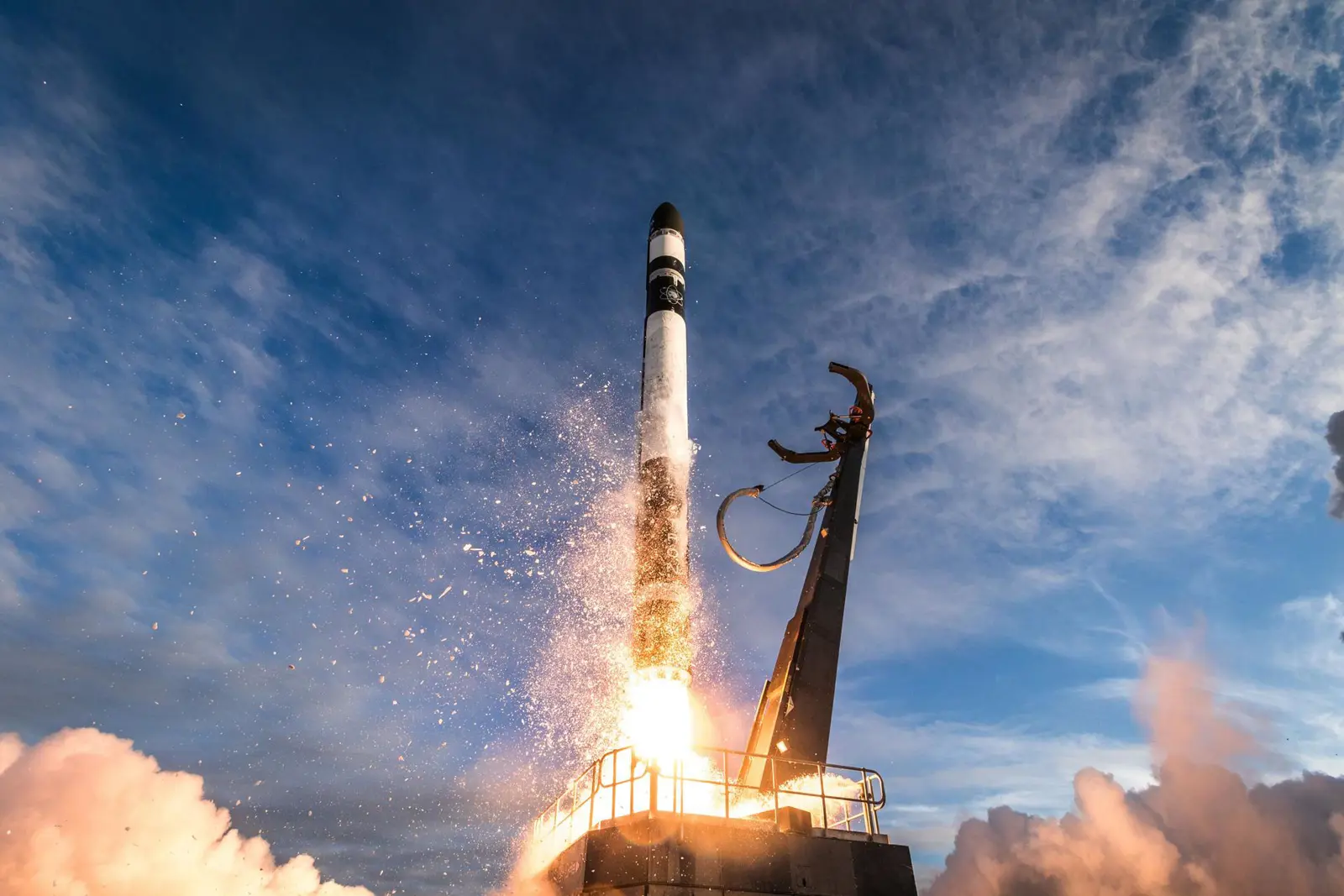
HawkEye 360 is a a space-based civil global intelligence satellite network using radio frequency (RF) technology to help monitor transportation across air, land and sea and assist with emergencies, and to provide civil SIGINT (Signal Intelligence) mission. The constellation of small satellites (named Hawk) will collect information on specific radio signals worldwide to provide high-precision radio frequency mapping and analytics from Low Earth orbit (LEO). 3 of the satellites will comprise HawkEye 360’s Cluster 12 and will operate in a dawn-to-dusk polar orbit, while the 4th is Kestrel-0A, an experimental satellite designed to evaluate emerging capabilities and future technology enhancements.
Orbital Attempt
#6,991
RL Mission
#67
Pad Launch
#32
Location Launch
#61
Designator
2025-138
Jun 26, 2025, 5:28 PM
Minute
1 update
5:00 PM
Window Open
6:15 PM
Window Close
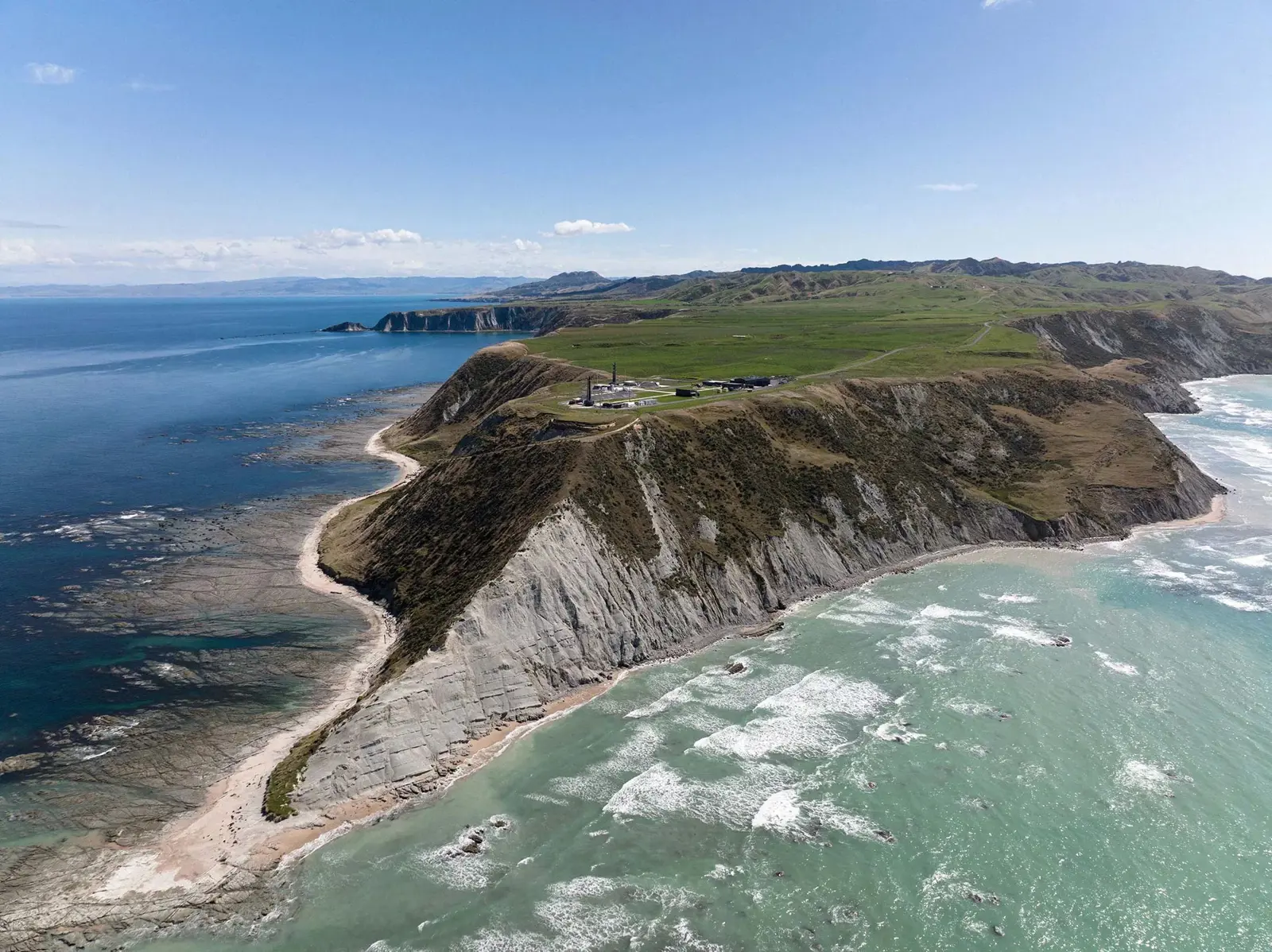
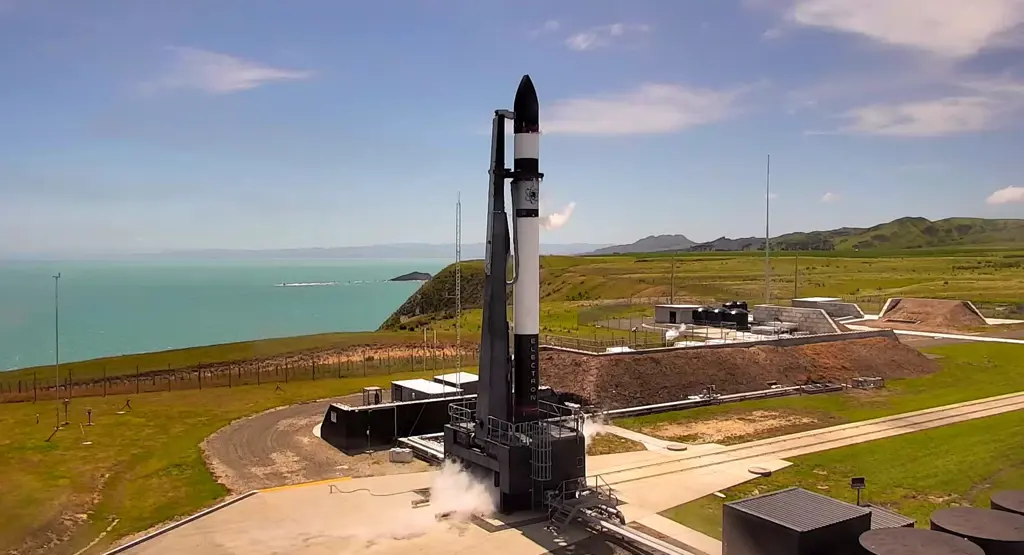
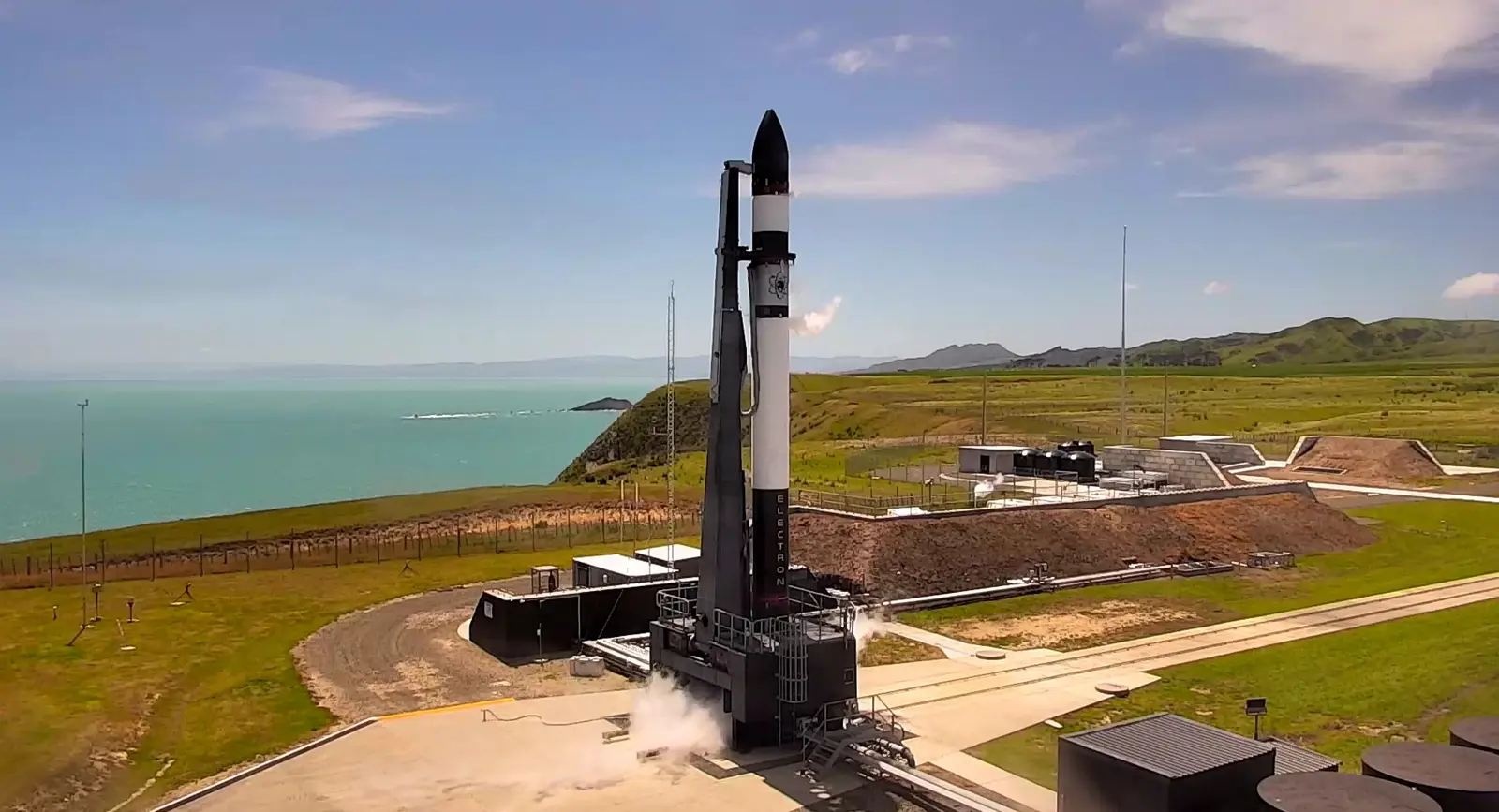
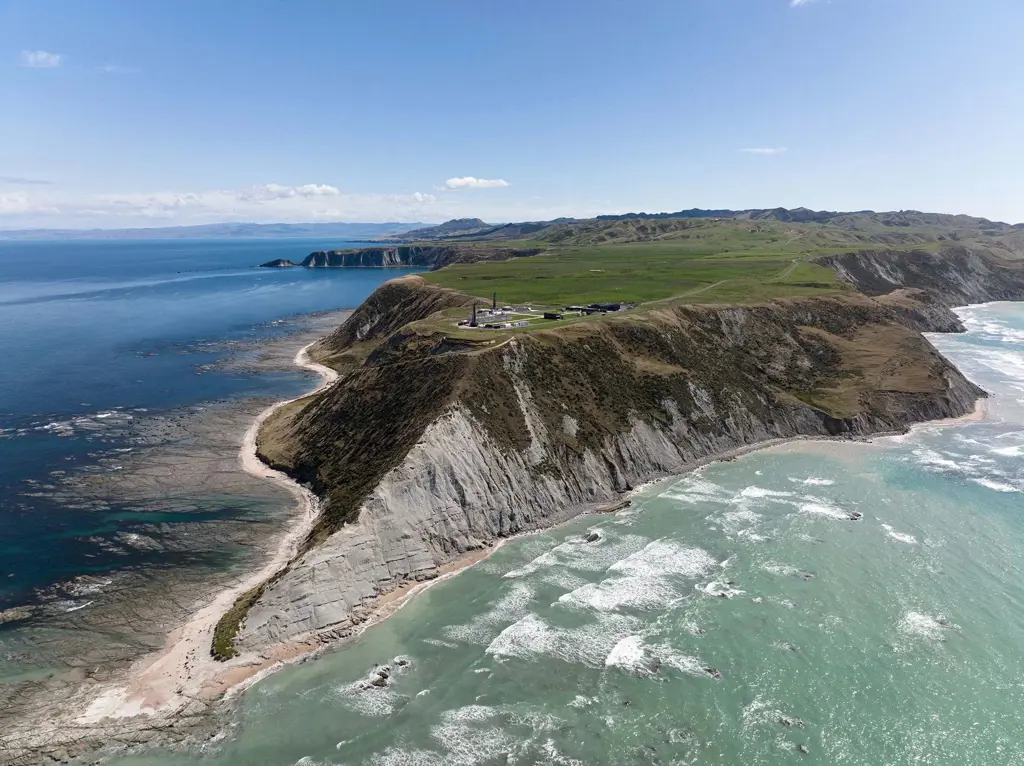
Rocket Lab Launch Complex 1 is a commercial spaceport located close to Ahuriri Point at the southern tip of Māhia Peninsula, on the east coast of New Zealand's North Island. It is owned and operated by private spaceflight company Rocket Lab and supports launches of the company's Electron rocket for small satellites. With the launch of Electron on 25 May 2017, it became the first private spaceport to host an orbital launch attempt, and the first site in New Zealand to host an orbital launch attempt. With the Electron launch of 21 January 2018, it became the first private spaceport to host a successful orbital launch.
Timezone
Pacific/Auckland
Local Launch Time
Jun 27, 2025, 5:28 AM
Total Launches
78
Total Landings
17
Coordinates
-39.2608, 177.8659